
Staff in Additional Learning Support (ALS) were especially proud to receive a grant from FAAMG as opportunities for professional and support staff to undertake academic research are not readily available. Anecdotal evidence gained in tutorials suggested that students with dyslexia and dyspraxia were not disclosing their learning differences before or during work placements. Often, this led to a poor experience for both employer and undergraduate. Our research confirmed that students feared stigmatisation while many employers had little awareness of learning differences and minimal knowledge of the types of reasonable adjustments that can be easily implemented. Findings have been disseminated nationally in conference and an academic paper written by Alison Green is published in the current edition of The Journal of Inclusive Practice in Further and Higher Education. ALS manager, Chris Scholes, has produced new guidelines for employers and two self-help handbooks for students. ALS staff are currently working with colleagues from Careers and Placement Development Advisors to improve the placement experience for all students with dyspraxia and dyslexia.







 New HIV paper by BU PhD student
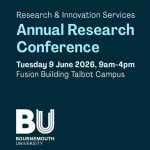 BU Annual Research Conference: Poster Exhibition Call for Applications
 Vitae Three Minute Thesis (3MT®) Competition: Applications Now Open
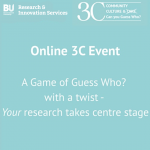 3C Online Social: Thursday 26 March 1–2pm – Research Culture, Community & Can you Guess Who?
 Four BU students at national midwifery conference
 ECR Funding Open Call: Research Culture & Community Grant – Apply now
 ECR Funding Open Call: Research Culture & Community Grant – Application Deadline Friday 12 December
 MSCA Postdoctoral Fellowships 2025 Call
 ERC Advanced Grant 2025 Webinar
 Update on UKRO services
 European research project exploring use of ‘virtual twins’ to better manage metabolic associated fatty liver disease