- Sloyan E, Leddy E, Clark C, Dufour S, Harper R, Dunford A, Elam, Öl. (2026) Antenatal education for labour and postpartum pain: A scoping review of content, delivery approaches, evidence gaps, and lived experiences. PLoS One 21(6): e0330399. https://doi.org/10.1371/journal.pone.0330399
Category / NHS
First publication for two CMWH PhD students
Congratulations to CMWH doctoral student Jennah Evans who has published the first paper from her PhD in the Journal of Human Lactation. The scoping review protocol outlines a transparent and reproducible method for investigating the relationship between stress and the human milk ejection reflex, addressing a significant knowledge gap in the literature. Jennah and her supervisors (including CMWH member Dr Dominique Mylod) are also aiming to improve understanding of D-MER, a challenging condition associated with intense negative emotions during breastfeeding.
Congratulations are also due a second CMWH doctoral student Louise Barton, whose paper ‘Southampton’s approach to smoking cessation has been accepted by MIDIRS Midwifery Digest and the paper will be pubished its June issue. Smoking during pregnancy is the leading yet preventable causes a whole range of illnesses. Louise’s PhD is an assessment of Southampton’s Midwifery-led Integrated Antenatal Care Pathway. Her PhD is supervised by CMWH academics Dr. Daisy Wiggins and Prof. Edwin van Teijlingen.Barton, L., van Teijlingen, E., Wiggins, D., Loader, R.-A., White, A. (2026) Southampton’s approach to smoking cessation, MIDIRS Midwifery Digest, 36(2): 145–151.
New CMWH paper on maternity care
The editor of Frontiers in Public Health have accepted our latest article from the EPPOCH study. This latest paper ‘Prenatal substance use during the COVID-19 pandemic in the UK: Associations with depression, anxiety, and pandemic stressors‘ focuses on the use of substances in pregnancy in the UK during the COVID-19 pandemic [1]. Our previous EPPOCH paper, in line with several other population-based studies, highlighted that COVID-19 was associated with high levels of depression and anxiety during pregnancy in the UK [2].
This new publication reports on a cross-sectional analysis of baseline EPPOCH data (n = 3292; June – Nov. 2020). Participants reported alcohol, tobacco, cannabis, and illicit drug use before and after recognition of pregnancy, alongside validated measures of depression, anxiety, pregnancy-related anxiety, and pandemic stressors. Linear regression models examined associations between mental health, COVID-19 stressors, and substance use after pregnancy recognition. A qualitative thematic analysis of 380 open-ended responses explored perceptions of substance use post-pregnancy recognition. Results: Alcohol was the most commonly used substance before pregnancy. Following pregnancy recognition, tobacco (8.75%) and alcohol (8.60%) were the most frequently reported substances, followed by cannabis (1.49%) and illicit drugs (0.12%). Tobacco use after pregnancy recognition was associated with higher levels of depressive symptoms and pandemic stressors, including perceived personal health threat and not receiving necessary care. Prenatal co-use of substances was associated with higher depressive symptoms and pandemic-related financial difficulties. Qualitative themes included continued substance use until pregnancy detection, vaping as a perceived safer-use strategy, and midwifery advice influencing prenatal substance use decisions.
In this large UK pregnancy cohort recruited during the COVID-19 pandemic, substance use following pregnancy recognition – particularly tobacco – was linked to depression and pandemic-related stressors. These findings highlight the importance of equipping midwives and other healthcare professionals with clear, evidence-based guidance on prenatal substance use, particularly during global health crises.
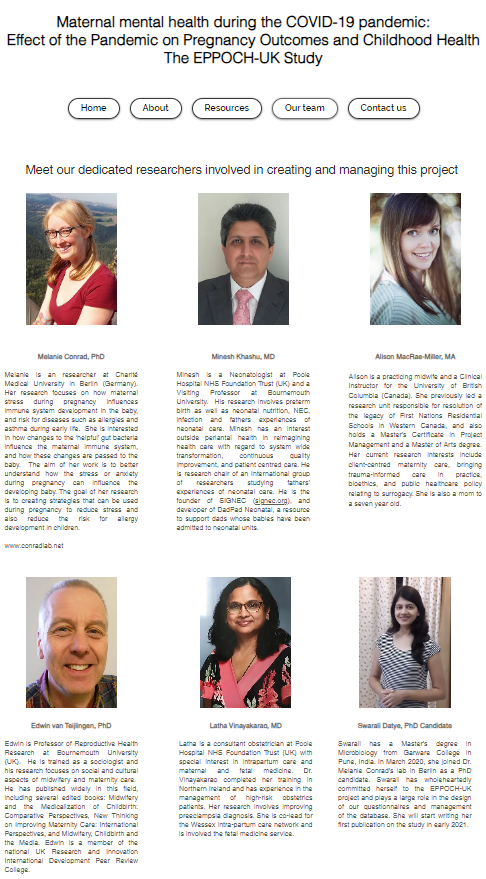
This interdisciplinary project is led by Dr. Melanie Conrad in Germany. The lead author for the paper is Ph.D. candidate Swarali Datye, whilst three members of the Centre for Midwifery & Women’s Health (CMWH): Dr. Latha Vinayakarao and Prof. Minesh Khashu both working in University Hospitals Dorset NHS Foundation Trust (UHD) and both Visiting Faculty at BU and Prof. Edwin van Teijlingen are team members and co-authors on this paper.
References:
- Datye, S., Peters, E.M.J., Windhorst, A.C., van Teijlingen, E., MacRae-Miller, A., Vinayakarao, L., Khashu, M., Fahlbusch, F.B., Conrad, M.L. (2026) Prenatal substance use during the COVID-19 pandemic in the UK: Associations with depression, anxiety, and pandemic stressors Frontiers in Public Health. (forthcoming)
- Datye, S., Smiljanic, M., Shetti, R.H., MacRae-Miller, A., van Teijlingen, E., Vinayakarao, L., Peters, E.M.J., Lebel, C.A., Tomfohr-Madsen, L., Giesbrecht, G., Khashu, M., Conrad, M.L. (2024) Prenatal maternal mental health and resilience in the United Kingdom during the SARS-CoV-2 Pandemic: A cross-national comparison, Frontiers in Psychiatry, 15 https://doi.org/10.3389/fpsyt.2024.1411761
New BU midwifery publication
Congratulations to Laura Stedman in the Centre for Midwifery & Women’s Health (CMWH) on the publication of a new paper in the international academic journal Midwifery. This new paper ‘Then they’re not there. Women’s experiences following admission of their newborn to a neonatal intensive care unit‘ [1], has been co-authored with two fellow midwives: Associate Prof. Catherine Angell and Prof. Vanora Hundley.
The paper reports an online study into the experiences of UK women been diagnosed with Gestational diabetes mellitus (GDM) whose baby was admitted to a Neonatal Intensive Care Unit (NICU) at or shortly after birth. The qualitative analysis identified two themes: ‘experience’ and ‘understanding’; the former had five sun-themes and the latter was based on three sub-themes. A lack of understanding and knowledge was identified, with calls for enhanced education and joint decision making. Women recalled feelings of grief, isolation and stress as a result of the admission. For many, this experience was traumatic with lasting effects. For babies born at term, feelings of surprise and separation were paramount, in contrast to those born pre-term. The authors concluded that there is need for more education and improved material to support for those facing this outcome. Future research should also focus on reducing the incidence of admission to NICU for women who have received a diagnosis of GDM.
- Stedman, L., Angell, C., Hundley, V. (2025) Then they’re not there. Women’s experiences following admission of their newborn to a neonatal intensive care unit, Midwifery [online first]
NIHR-funded research launches website
On World Refugee Day 2025, Friday 20 June, the new Maternal and Infant Health Equity Research Centre (MIHERC) website was launched. MIHERC is a hub for research, collaboration and action on maternal and infant health equity. MIHERC) is a collaborative effort between Sheffield Hallam University, Bournemouth University and City of Doncaster Council working to reduce health inequalities for mothers and babies. This year’s World Refugee Day’s theme, hashtagSolidarity, reflects MIHERC’s mission to stand with all mothers and babies – especially those facing health and social inequalities or barriers to care.
Centre for Wellbeing & Long-term Health, Rehabilitation & Prevention workstream Networking and Development Event – Wed 25th June!
Centre for Wellbeing & Long-term Health, Rehabilitation & Prevention workstream Networking and Development Event – Wed 25th June! In BG-212.
Does your research broadly fit the category of “rehabilitation and prevention”? Then join us for this first event of the Rehabilitation & Prevention workstream of the Centre for Wellbeing and Long-term Health!
Whatever the focus of your research is or your professional background, whether it be at population or individual level, public health or rehabilitation of a particular condition in a particular demographic of people, whether you are a PGR or a senior academic, we would like this to be your research home. Come and share the highlights of what you do in a 5-minute Lightning talk, and hear from the highlights of others.
We want this to be a stimulating event and you might just find your next collaborator(s). Dr Jonny Branney and Dr Katie Collins, the workstream leads, will be taking notes with a view to creating a quick reference guide of what the workstream members are working on to make it easier for you to find the expertise you need for your next project. We want the workstream to be a place to talk about the sort of research enquiry that gets you out of bed in the morning, that puts the joy into your working life. A place to share and celebrate in your project successes, and to get a welcome lift when your latest research bid or journal submissions are rejected. A place to learn from those more experienced, from those with alternative expertise, identify a mentor or a coach, and for others to learn from you and benefit from your coaching and mentorship. A place to test out your ideas and get feedback from critical friends. A place to identify collaborators for your next research project. Is your research broadly “rehabilitation and prevention”? Then this is your place. Register here!!
Lightning Talks
Attendees are required to prepare a 5 minute lightning talk – 5 PowerPoint slides maximum to summarise your background as a researcher, what you’ve done, are doing, and plan to do. Nice and concise so we quickly get to know what everyone is about. There will be a timer!
Rough Itinerary
12:30pm Lunch – provided
1pm Welcome from workstream leads
1.05pm 5-minute Lightning talks
2.50pm – 3pm Closing remarks from workstream leads
See you there! Room BG-212.
For further information on this event please contact theme leads, Dr Jonny Branney (jbranney@bournemouth.ac.uk) or Dr Katey Collins (kcollins@bournemouth.ac.uk).
CMWH academics promoting women’s health in Dorset
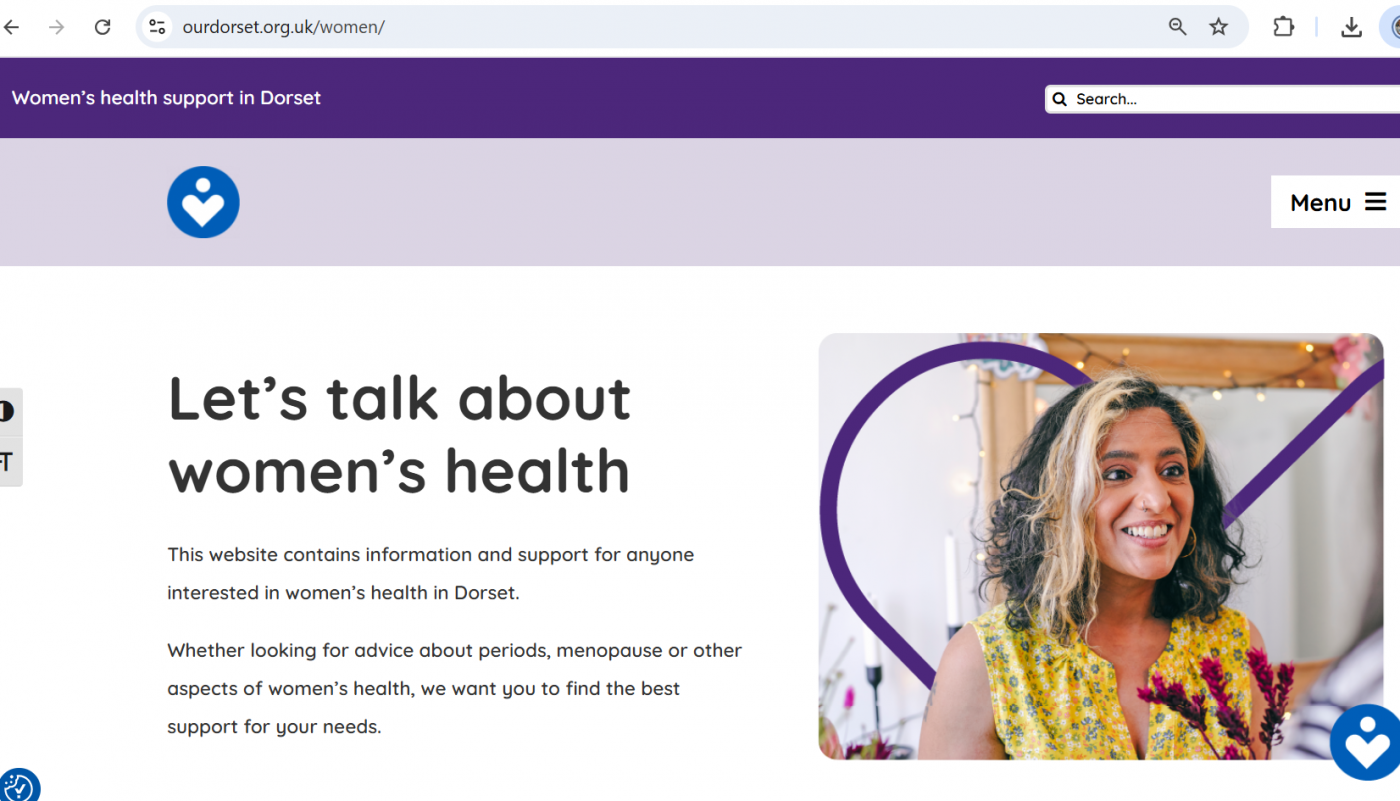
Women’s Health is now firmly on the Dorset map [i.e. online]. The new website, produced by Dorset Women CIC in conjunction with the NHS in Dorset, Bournemouth University, clinicians and the public, raises awareness of local community services. The website also provides resources to empower people with an interest in women’s health to make informed decisions about women’s mental and physical well-being. This is expected to improve access and quality of care – a priority identified by women – and ease pressures on the NHS.
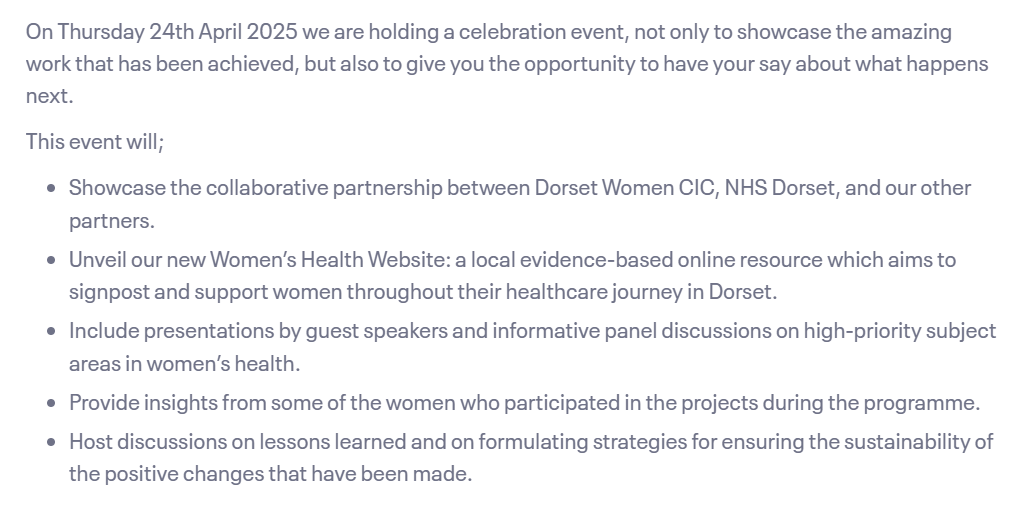
Prof. Vanora Hundley and Carol Clark from the Centre for Midwifery and Women’s Health and colleagues from the Centre for Wellbeing and Long-Term Health have been central to the development of the website. There is an opportunity to hear about how we have been involved on Thursday 24th April 2025, where Bournemouth University’s academics Linda Agyemang and Sarah Hillier will present.
If your are interested, you can registered to attend the event here.
First paper by PhD student

The systematic review, co-authored with Heidi Singleton, Steven Ersser, Debbie Holley, Ian Pearson, and Abdulrahman Shadeed, rigorously analyzed studies from 1992 to 2024, assessing the role of nurses in diagnosing, treating, and supporting skin cancer patients. The findings demonstrate that nurse-led models can complement or even substitute traditional physician-led care, offering high diagnostic accuracy, improved access to care, and enhanced patient education.
The study also emphasizes the need for further research and standardized national guidelines to scale and integrate nurse-led models effectively into healthcare systems.- Kattach, L., Singleton, H., Ersser, S., Holley, D., Pearson, I. & Shadeed, A. (2025), Nurse-Led Models of Service Delivery for Skin Cancer Detection: A Systematic Review. Journal of Advanced Nursing.[online first] https://doi.org/10.1111/jan.16854

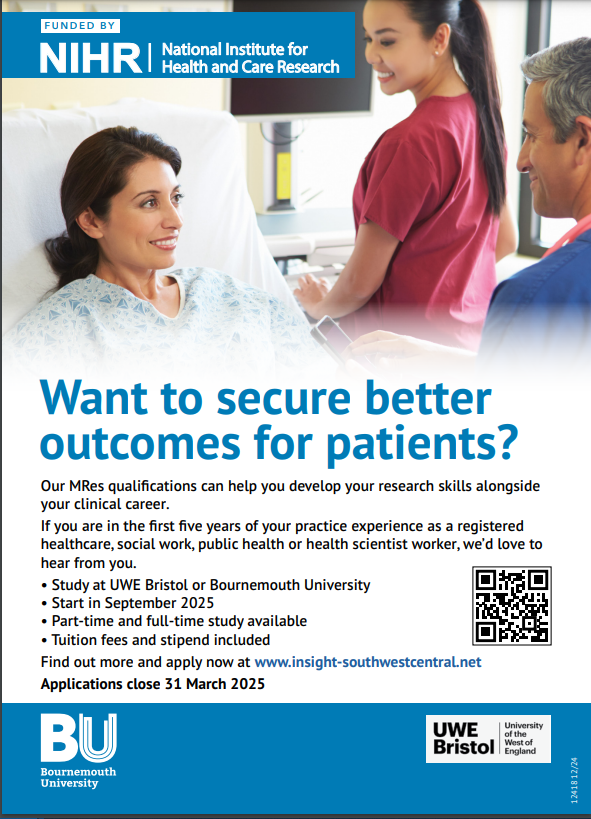
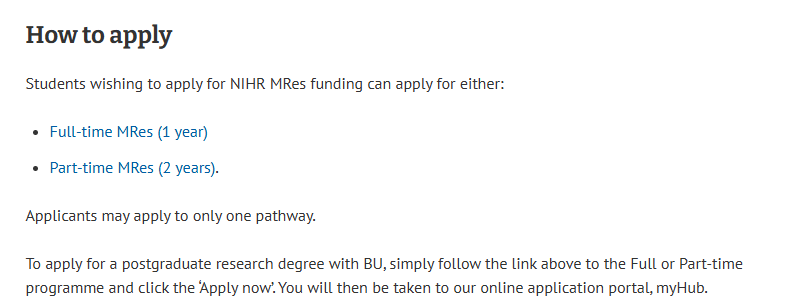
Consider starting M.Res. at Bournemouth University
The National Institute for Health and Care Research (NIHR) INSIGHT programme is a unique opportunity designed to inspire and equip the next generation of health and social care researchers. As part of its commitment to fostering a world-class research workforce, the NIHR INSIGHT programme offers a transformative experience with numerous benefits:
- Exposure to Research Opportunities: Gain invaluable insight into health and social care research.
- Hands-On Experience: Engage directly with researchers and practitioners, acquiring real-world skills.
- Mentorship: Receive guidance from experienced professionals, helping to shape your research career and development.
Cancer Awareness Event at BU
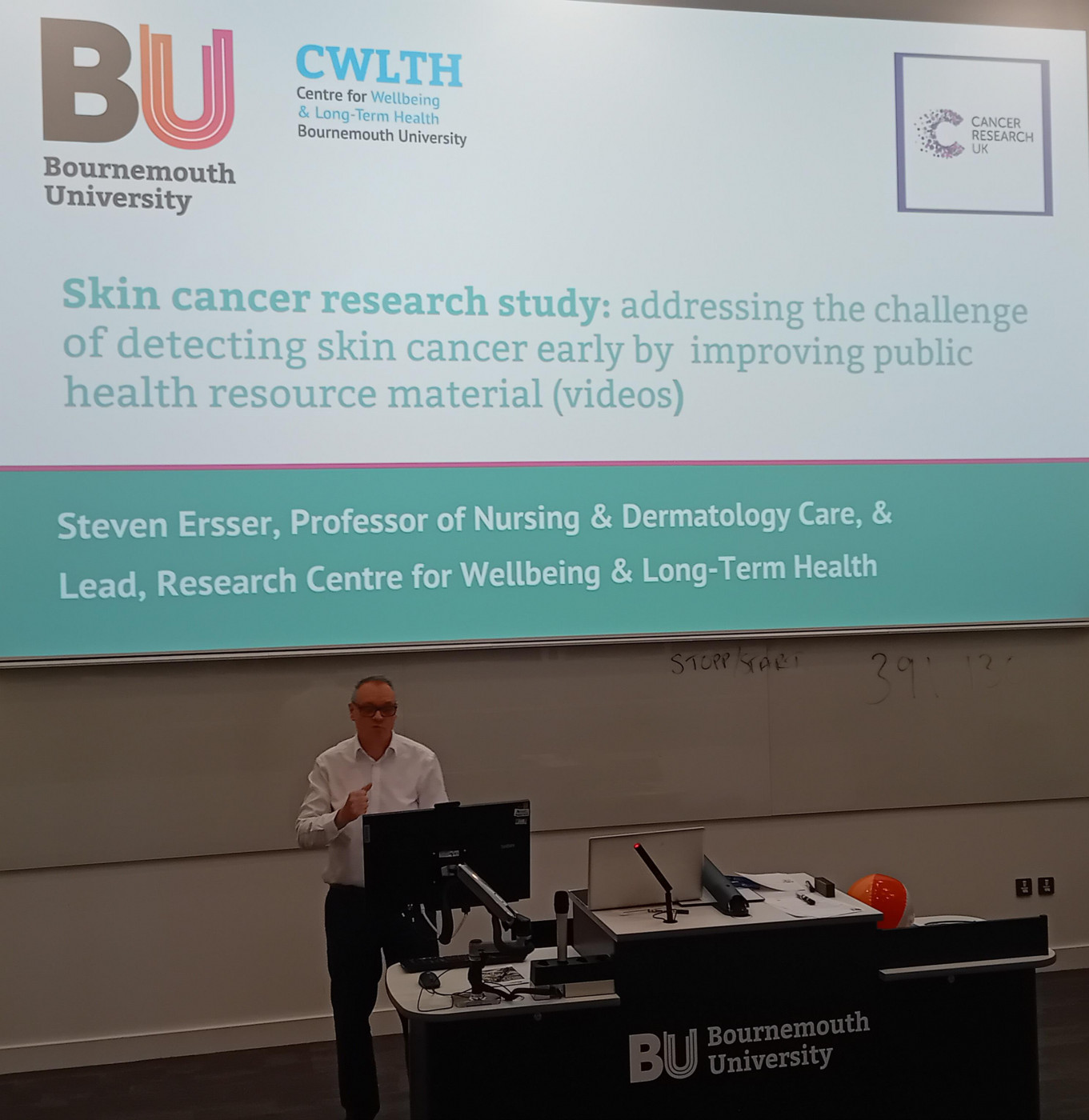
The Dorset Indian Association in collaboration with the NHS Wessex Cancer Alliance and Bournemouth University ran a very successful Cancer Awareness Event at Bournemouth University today Saturday, 25th January 2025. At the event a range of experts from University Hospitals Dorset NHS Foundation Trust spoke about the risks and prevention and early detection of various cancers, including bowel, lung, breast, skin, head and neck and other cancers. The presentations also included early detection and aspects of mental health in cancer patients. BU’s Professor Steve Ersser, for example, spoke about a currently on-going interdisciplinary health education project in the cancer field.
There were separate opportunities for the audience to get on breast screening and health checks, provided by the Dorset Breast Screening Unit, LiveWell Dorset and staff based in BU’s Faculty of Health and Social Science.
Prof. Edwin van Teijlingen
Faculty of Health & Social Sciences
New BU midwifery publication by Joanne Rack
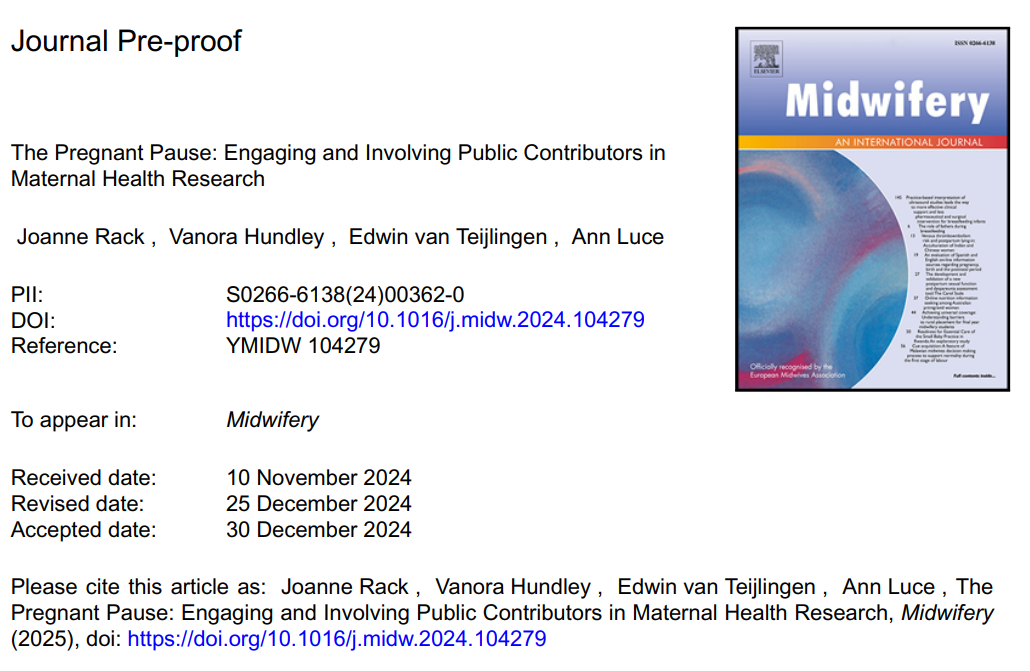
This week the international scientific journal Midwifery published Ms. Joanne Rack’s second paper from her PhD research. This latest paper ‘The Pregnant Pause: Engaging and Involving Public Contributors in Maternal Health Research‘ [1] appeared online two days ago. This paper focuses on Joanne’s PPI (Patient Public Involvement) in prepartion for her PhD research. The public contributors of PPI groups can include an extensive range of people, including patients, family members or carers, people from allied organisations, service users, and members of the general public who have an interest in research for other reasons. Participants bring their unique perspectives and experiences that can help to shape and inform the research process. This type of involvement ensures that maternal health research is grounded in the needs and preferences of those it aims to serve and grows a sense of ownership and investment among those who use the services but also those who provide them. Joanne stresses that PPI is an essential element for all maternal health endeavours.
Joanne is doing a Clinical Doctorate in the Centre for Midwifery & Women’s Health (CMWH) specialising in personalised care for women of advanced maternal age. This PhD study is matched-funded by University Hospitals Dorset (UHD) NHS Foundation Trust and Bournemouth University.
Her PhD is supervised and supported by Profs. Vanora Hundley, Ann Luce and Edwin van Teijlingen at BU and Dr. Latha Vinayakarao in Poole Maternity Hospital. The first PhD paper with Joanne as lead author was her research protocol ‘Understanding perceptions and communication of risk in advanced maternal age: a scoping review (protocol) on women’s engagement with health care services’ published int he summer of 2024 [2].
References:
- Rack, J., Hundley, V., van Teijlingen, E., Luce, A. (2025)The Pregnant Pause: Engaging and Involving Public Contributors in Maternal Health Research, Midwifery (online first)
- Rack, J., Hundley, V., van Teijlingen, E., Luce, A., Vinayakarao. L. (2024) Understanding perceptions and communication of risk in advanced maternal age: a scoping review (protocol) on women’s engagement with health care services, MIDIRS Midwifery Digest, 34(3): 201-204.
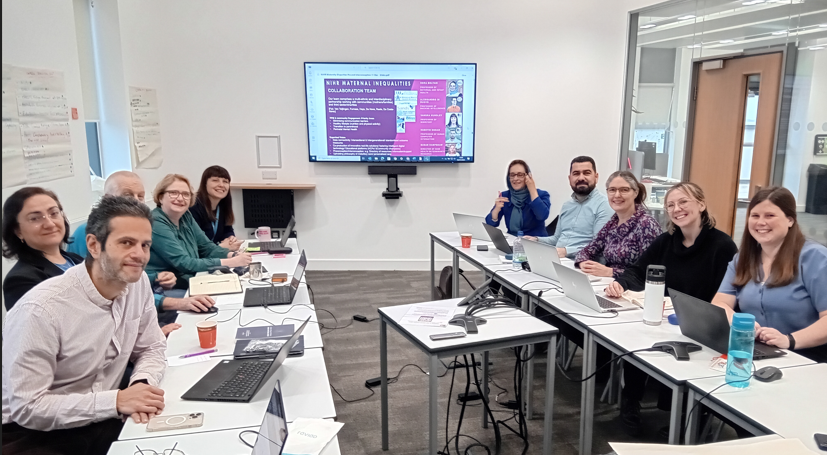
Meeting at BU to address maternal inequalities
Today and yesterday (January 7-8) academics involved in MIHERC (Maternal and Infant Health Equity Research Centre), the successful interdisciplinary collaboration to address challenges in maternity care, met in Bournemouth. MIHERC is led by Sheffield Hallam University, along with Bournemouth University, South Yorkshire Digital Health Hub (SYDHH) and the Health Determinant Research Collaboration, Doncaster. In addition, a range of local and national partners are recognised. MIHERC is one of the nine groups of UK universities making up the new NIHR Challenge Maternity Disparities Consortium. This NIHR Consortium aims of tackling inequalities in maternity outcomes, focusing on inequalities before, during and after pregnancy.
Our second planning meeting highlighted our collective strengths including our expertise in community engagement and PPIE (Public & Patient Involvement & Engagement); intelligent digital solutions in maternity service delivery; research into under-served communities; and capacity building of both communities and maternity staff. The first planning meeting was held late last year at Sheffield Hallam University.
MIHERC is the only midwifery-led collaboration with a strong community engagement and digital inclusive research. MIHERC will work with various NHS Trusts as well as charities such as the Active Pregnancy Foundation, Active Dorset, and Maternal Mental Health Alliance.
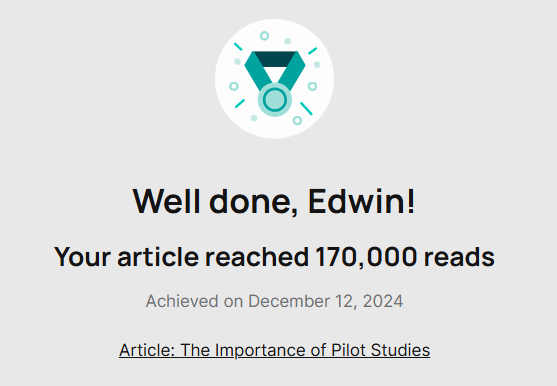
BU academics’ paper read 170,000 times!
This week ResearchGate notified us that our methods paper ‘The Importance of Pilot Studies‘ [1], published 22 years ago in The Nursing Standard,
has now been read 170,000 times! Prof. Vanora Hundley and Prof. Edwin van Teijlingen wrote this more elementary paper after publishing an in-depth academic paper on a pilot study into assessing maternity care in Scotland [2]. The latter paper described their learning from a pilot study which we conducted prior to a cross-national study of births in Scotland.
The methods paper in the Nursing Standard is also their most highly cited paper. Today Google Scholar lists it with 2,035 citations, interestingly this is not the case on SCOPUS as The Nursing Standard is not listed on SCOPUS. Researchers seem to be quoting this paper in their research methods section when they have done pilot or feasibility study for a larger-scale study.
References:
- van Teijlingen E, Hundley, V. (2002) The importance of pilot studies, The Nursing Standard 16(40): 33-36. Web: nursing-standard.co.uk/archives/vol16-40/pdfs/vol16w40p3336.pdf
- van Teijlingen E, Rennie, AM., Hundley, V, Graham, W. (2001) The importance of conducting & reporting pilot studies: example of Scottish Births Survey, Journal of Advanced Nursing, 34: 289-95.
Race Equity Month: Disparities in maternity care
Race Equity Month – Can the UK finally tackle health disparities in maternity care?
Last week Prof. Hora Sultani, who leads the joint bid submitted by Sheffield Hallam University (SHU) and Bournemouth University (BU) in reply to the ‘NIHR Challenge: Maternity Inequalities funding call’, wrote an article on the website of the Council of Deans for Health. This piece with the title ‘Race Equity Month – Can the UK finally tackle health disparities in maternity care?‘ can be freely accessed (click here!). One of Prof. Soltani’s key arguments is that it is vital that national policy makers and service providers collaborate with researchers and communities to co-design and provide practical solutions for such important maternity challenges in UK society.
Prof. Soltani was writing on behalf of the UK Network of Professors in Midwifery and Maternal and Newborn Health, an organisation to which both Profs Hundley and van Teijlingen belong.
Pregnancy & COVID-19 in UK: New study published
This morning the editor of the Frontiers in Psychiatry emailed us that the paper reporting the findings of the baseline data of a large-scale epidemiological study into pregnancy during COVID-19 in the UK has been published [1]. The interdisciplinary research team includes researchers from University Hospitals Dorset NHS Foundation Trust (Dr. Latha Vinayakarao & Prof. Minesh Khashu) and Bournemouth University (Prof. Edwin van Teijlingen). 
This longitudinal study explores how the SARS-CoV-2 [COVID-19] pandemic affected the mental health of pregnant people in the UK. In mid-to-late 2020, we recruited 3666 individuals in the UK for the EPPOCH pregnancy cohort (Maternal mental health during the COVID-19 pandemic: Effect of the Pandemic on Pregnancy Outcomes and Childhood Health). Participants were assessed for depression, anxiety, anger and pregnancy-related anxiety using validated scales. Additionally, physical activity, social support, individualized support and personal coping ability of the respondents were assessed as potential resilience factors.
Participants reported high levels of depression (57.05%), anxiety (58.04%) and anger (58.05%). Higher levels of social and individualized support and personal coping ability were associated with lower mental health challenges. Additionally, pregnant individuals in the UK experienced higher depression during the pandemic than that reported in Canada. Finally, qualitative analysis revealed that restrictions for partners and support persons during medical appointments as well as poor public health communication led to increased mental health adversities and hindered ability to make medical decisions.
The study highlights the increased mental health challenges among pregnant individuals in the UK during pandemic. These results highlight the need for reassessing the mental health support measures available to pregnant people in the UK, both during times of crisis and in general.
Reference:
- Datye, S., Smiljanic, M., Shetti, R.H., MacRae-Miller, A., van Teijlingen, E., Vinayakarao, L., Peters, E.M.J., Lebel, C.A., Tomfohr-Madsen, L., Giesbrecht, G., Khashu, M., Conrad, M.L. (2024) Prenatal maternal mental health and resilience in the United Kingdom during the SARS-CoV-2 Pandemic: A cross-national comparison, Frontiers in Psychiatry, 15 https://doi.org/10.3389/fpsyt.2024.1411761
New midwifery publication
Congratulations to Ph.D. student Joanne Rack on the publication today of her paper ‘Understanding perceptions and communication of risk in advanced maternal age: a scoping review (protocol) on women’s engagement with health care services’ [1]. Joanne is currently doing a Clinical Doctorate in the Centre for Midwifery & Women’s Health (CMWH) focusing on personalised care for women of advanced maternal age. Her doctoral study is matched-funded by University Hospitals Dorset NHS Foundation Trust and Bournemouth University [BU].
Her PhD is supervised and supported by Profs. Vanora Hundley, Ann Luce and Edwin van Teijlingen at BU and Dr. Latha Vinayakarao in Poole Maternity Hospital.
Well done!
Reference:
- Rack, J., Hundley, V., van Teijlingen, E., Luce, A., Vinayakarao. L. (2024) Understanding perceptions and communication of risk in advanced maternal age: a scoping review (protocol) on women’s engagement with health care services, MIDIRS Midwifery Digest, 34(3): 201-204.
Everyday Law & Ethics Public Lecture Series: Your rights to the right diagnosis in Dorset
Join our public lecture and debate on Wednesday 17 July, 5:30-7pm to find out how to advocate for your rights to medical treatment
People living in Dorset currently face some of the worst levels of contact with health services in the UK, with GP waiting times in the county the second longest in England.
Join our public lecture and debate, led by Bournemouth University legal experts Dr Samuel Walker and Dr Matthew Watkins to explore your legal and ethical rights to timely care and treatment. Discover practical steps you can take to speed up diagnosis and treatment for you and your family, and discuss the recent introduction of ‘Martha’s Rule’, which enables you to seek a second opinion on the NHS.
After the lecture (30 minutes approx.), you will be invited to move into small groups to discuss your own experiences and suggest ways to improve local access and provision to healthcare services
Find out more
Interdisciplinary Computational and Clinical Approaches at the Edge of Brain Research
We cordially invite you to the 3rd Symposium of the BU Interdisciplinary Neuroscience Research Centre on Wednesday, the 12th of June 2024, from 9:30-13:00 at the Inspire Lecture Theatre, Fusion Building (1st floor).
The symposium is entitled: “Interdisciplinary Computational and Clinical Approaches at the Edge of Brain Research”.
This third symposium revolves around contrasting computational and translational methodologies from a cross-disciplinary standpoint, leveraging synergies between BU and our collaborators in other universities and at the NHS. It is an opportunity for informal discussions on grant proposals and to explore shared interests with our external guests.
The schedule is as follows:
9:00-9:15. Welcome and Coffee.
9:30. Keynote talk: Prof. Dr Miguel Maravall (School of Life Sciences, Sussex Neuroscience Centre of Excellence, Sussex University): “What is the function of sensory cortex in a world full of actions? From sensory maps to task-directed responses”. The speaker will be on the screen.
10.20-10:40. Coffee and Discussions.
10:40-11:40. Session I. Integrating Cognitive and Computational Neuroscience.
- Michal Gnacek (Emteq Labs, Brighton and Centre for Digital Entertainment, BU): “Affect Recognition in Virtual Reality using Physiological Signals and Machine Learning”. The speaker will be on the screen.
- Dr Matteo Toscani (Department of Psychology, BU): “Unsupervised learning of haptic material properties”.
- Dr Géza Gergely Ambrus (Department of Psychology, BU): “Investigating Face Perception Using Cross-Experiment Multivariate Pattern Analysis of Neural Time-Series Data”.
11.40 -12.00. Coffee and Discussions.
12.00-13:00. Session II. Interdisciplinary Clinical Approaches and Closing Remarks.
- Prof. Dr Jonathan Cole (University Hospital Dorset, NHS): “Perception and action; Observations from congenital and acquired deafferentation”.
- Prof. Dr Caroline Edmonds (Department of Psychological Sciences, University of East London): ”Real-life implications arise from co-occurring memory impairments in children with neonatal hypoxic-ischaemic encephalopathy”.
- Prof Dr Birgit Gurr (Community Brain Injury and Adult Neuropsychology Services Dorset at Dorset HealthCare University, NHS) and Dr Ellen Seiss (Department of Psychology, BU). “An initial evaluation of the Dynamic Information Processing Programme”.
If you have any queries, please do not hesitate to contact Ellen Seiss, eseiss@bournemouth.ac.uk or Emili Balaguer-Ballester, eb-ballester@bournemouth.ac.uk. Feel free to forward this information to any colleague or student who may be interested.
Thank you very much, and we are looking forward to seeing you there.
Kind regards,
Ellen and Emili, on behalf of all of us.


New interdisciplinary research publication on Nepal
Methods of Researching Digital Harms and Cybercrime: An Interdisciplinary Symposium – Wednesday 15 July
Geography and Environmental Studies academics – would you like to get more involved in preparing our next REF submission?
Reminder: Recharge Your Research Routine Next Week for World Wellbeing Week
Horizon Europe Cluster 3 (Civil Security for Society) 2026 Calls Now Open

MSCA Doctoral Networks 2026 Call Information Webinar

ESRC Festival of Social Science 2026: Application Deadline Extended to Thursday 25 June 2026

Reminder: Register for the ESRC Festival of Social Science 2026 Information Session

ECR Funding Open Call: Research Culture & Community Grant – Apply now

ERC Advanced Grant 2025 Webinar
Update on UKRO services
European research project exploring use of ‘virtual twins’ to better manage metabolic associated fatty liver disease
Explore our work, meet our partners, and find out how you can collaborate with us by clicking here! MIHERC is led by Sheffield Hallam University, with Bournemouth University as a key partner and the important funding coming from NIHR (National Institute for Health and Care Research) Maternity Challenge Initiative. The BU key academics are: Huseyin Dogan, Vanora Hundley, Edwin van Teijlingen, and Deniz Çetinkaya. Please share with all who may be interested.