Tagged / Uncategorized
Digging into DNA: Sixth Form students learn Bioinformatics at BU

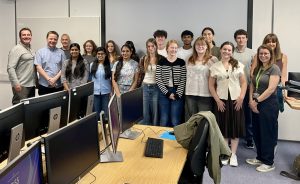
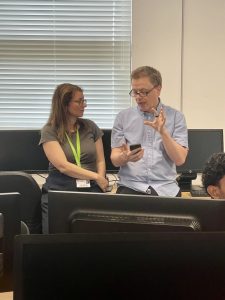
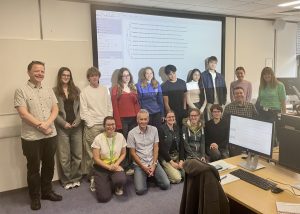
Fifteen Sixth Form students from Thomas Hardye School in Dorchester visited BU for a full-day workshop exploring the DNA of Wolbachia, a fascinating bacterium that lives inside insects and other arthropods. Hosted by Dr Demetra Andreou and Prof Genoveva Esteban from the School of Life and Environmental Sciences, the hands-on workshop introduced students to the world of bioinformatics and DNA analysis. This fantastic learning experience was made possible thanks to the outstanding support of BU’s IT team, who went above and beyond to ensure the computers were ready in time for the workshop despite the short notice.
Before visiting BU, the students had already undertaken field and laboratory work as part of their school’s Genetics after-school club. They collected terrestrial insects from the school grounds and extracted their DNA, as part of an ongoing research collaboration with a partner school in Switzerland.
At BU, the students built on this work through a hands-on bioinformatics session, analysing bacterial DNA sequences using computational tools. They learned how to identify Wolbachia from their DNA sequences, compare them with samples from around the world, and explore DNA relationships. Throughout the day, the students demonstrated impressive enthusiasm, curiosity and analytical skills, tackling university-level scientific methods with confidence and engaging thoroughly with the data. Their findings will be presented at a symposium at Thomas Hardye School this autumn.
Science teacher Simon Lewis captured the impact of the visit in his feedback:
Another splendid day visiting Bournemouth University! Thank you so much for giving us your time and leading the analysis of the DNA results. The students universally said how much they had enjoyed the visit, I think they got a real sense of achievement from “digging” into the data and finding a few things that none of us expected! Thanks once again, it is definitely my favourite visit of the year!
The workshop was an inspiring introduction to university-level science, giving students first-hand experience of research while encouraging them to consider future pathways in higher education and scientific careers. As part of their visit, the group was shown around the campus, including SUBU, the library and teaching laboratories, giving them a taste of university student life.
A different way of external examining
Last month I had the honour of chairing a committee to review the first three years of the MSc in Midwifery in the Netherlands. Since all Higher Education Institutions (HEI) in the Netherlands offer this joint degree there is only one in the country. This national collaboration meant there were very few academics working in the field of midwifery who can claim to be independent. All midwifery educators/academic midwives are employed by one of the HEIs participating in the joint Master’s degree. Hence, two of the four committee members, including myself came from abroad.
Today’s blog highlights that there is a different way to the UK version of external examining as a form of quality control in Higher Education. In the UK each undergraduate programme, or year in a programme, or module has its own external examiner, who is appointed typically for three years to act as independent assessor. External examiners typically reviews all education aspects of the programme/module and discuss their assessment examiners’ meetings held at the host university. For more details on external examining in the UK, see also:”Acting as External Examiners in the UK: Going Beyond Quality Assurance” [1].
The Netherlands and Flemish-speaking Belgium has a single cross-national organisation which is responsible for assessing the quality of higher education degrees. This organisation, the NVAO [Accreditation Organisation of the Netherlands and Flanders], has an accreditation system that covers Associate Degree, Bachelor’s, and Master’s programmes in the Netherlands. First, there is the need for initial accreditation of a new programme, valid for a period of six years. Secondly, the accreditation of an existing programme, which, following a positive assessment, is valid indefinitely, as long as the programmes passes the six-yearly assessment by a panel of independent experts (peers engaged by the NVAO). Between these periodic assessments there is no equivalent of the UK’s annual external examiners’ meeting.
Reference:
- Poobalan, A., Simkhada, P. & van Teijlingen, E. (2021), “Acting as External Examiners in the UK: Going Beyond Quality Assurance“, In: Sengupta, E., Blessinger, P., Ssemwanga, A. & Cozza, B. (Ed.) The Role of External Examining in Higher Education: Challenges and Best Practices (Innovations in Higher Education Teaching and Learning, Vol. 38), Emerald Publishing Limited, Bingley, pp. 13-23. https://doi.org/10.1108/S2055-364120210000038002
The Sports Therapy Team advancing rehabilitation
Rehabilitation and performance professionals came together at BU for an evening dedicated to the future of technology‑enhanced rehabilitation, exploring how data‑driven tools are reshaping assessment, treatment and return‑to‑play strategies.
Matt Best, Lecturer in Sports Therapy in the School of Allied Health and Exercise Science, and Sam Chapman, Strength And Conditioning Coach shared their practical approach to criteria‑based rehabilitation, offering insight into the methods they apply daily within both teaching and applied practice at the Physical Performance Hub.
Southampton FC First Team Physiotherapist Luke Thomas delivered a focused deep dive into calf injuries, covering prognosis, structured rehab planning and the testing frameworks that support decision‑making in elite football environments.
The VALD team rounded out the evening with hands‑on demonstrations, giving attendees the chance to experience best‑practice testing workflows and explore how technology can elevate clinical and performance outcomes.
Thank you to all presenters, partners, and attendees for contributing to such a valuable and forward‑thinking event, strengthening our community and reinforcing BU’s civic role in shaping safe and effective practice.
British Academy funded capacity-building training in Nepal
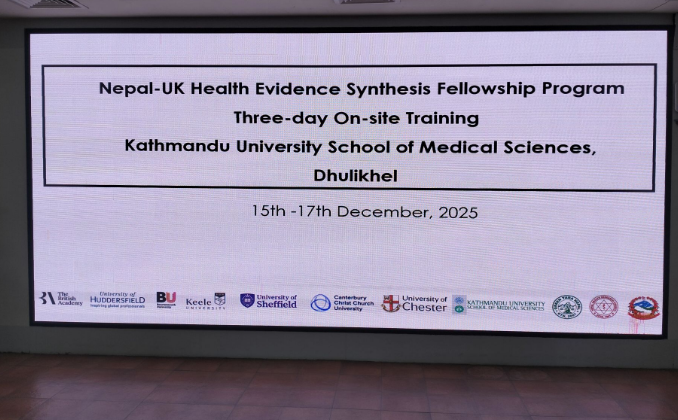
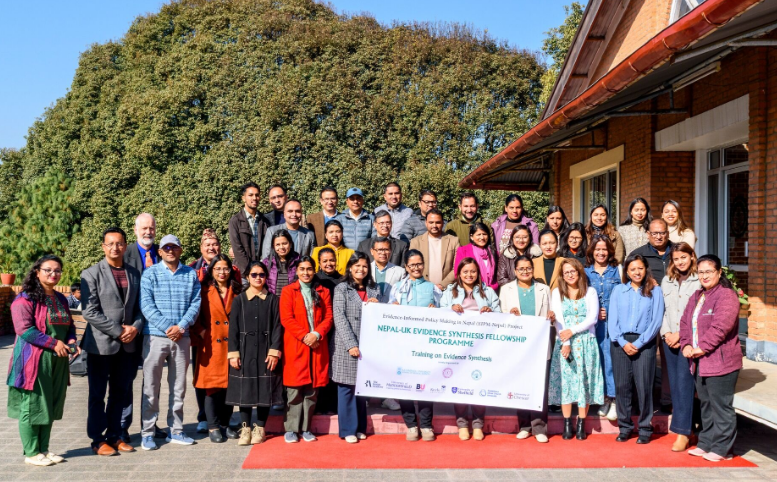
Yesterday we reached third day of the three-day Fellowship training workshop in Dhulikhel, Nepal on evidence synthesis. This capacity-building project is led by the University of Huddersfield and takes place at Kathmandu University School of Medical Sciences (KUSMS). This new Fellowship scheme is an international collaboration led by the University of Huddersfield in the UK, in close collaboration with Kathmandu University School of Medical Sciences (in Nepal), the Nepal Health Research Council, and several UK universities: Bournemouth University, the University of Sheffield, Canterbury Christ Church University, Keele University and the University of Chester. This unique Fellowship started online in the autumn of 2025 and is part of a larger project on strengthening institutional knowledge and capacity of federal, provincial and local governments for evidence-informed health policymaking in Nepal. This important initiative is funded by The British Academy and supported in the field by Green Tara Nepal [1]. The project involved Bournemouth University’s Dr. Pramod Regmi and Prof. Edwin van Teijlingen both in the Faculty of Health, Environment & Medical Sciences.
Some 28 Fellows have been selected from nearly one hundred applicants to help build capacity in the field of evidence synthesis with overall aim to promote evidence-informed policymaking in Nepal. This is longstanding aim of the researcher as highlighted in previous call for an evidence-based policy centre in Nepal [2].
1. Simkhada P, Vaidyal A, Regmi P, Paudyal P, van Teijlingen E, Dhimal M, Koirala B, Shresthe A, Simkhada B (2025) Strengthening Evidence Synthesis for Health Policymaking in Nepal: A New Fellowship Initiative, Nepal Journal of Epidemiology, 15(2), 1379–1380. https://doi.org/10.3126/nje.v15i2.88516
2. Simkhada P, Dhimal M, van Teijlingen E, Gyanwali P (2022). Nepal Urgently Needs a National Evidence Synthesis Centre, Nepal Journal of Epidemiology, 20 (3): i-ii.
Final day of the ESRC Festival of Social Science
Saturday 8th November was the final day of the national Festival of Social Sciences (FoSS), which was supported by the Economic and Social Research Council (ESRC). Many universities across the Uk organised a wide-ranging set of events.
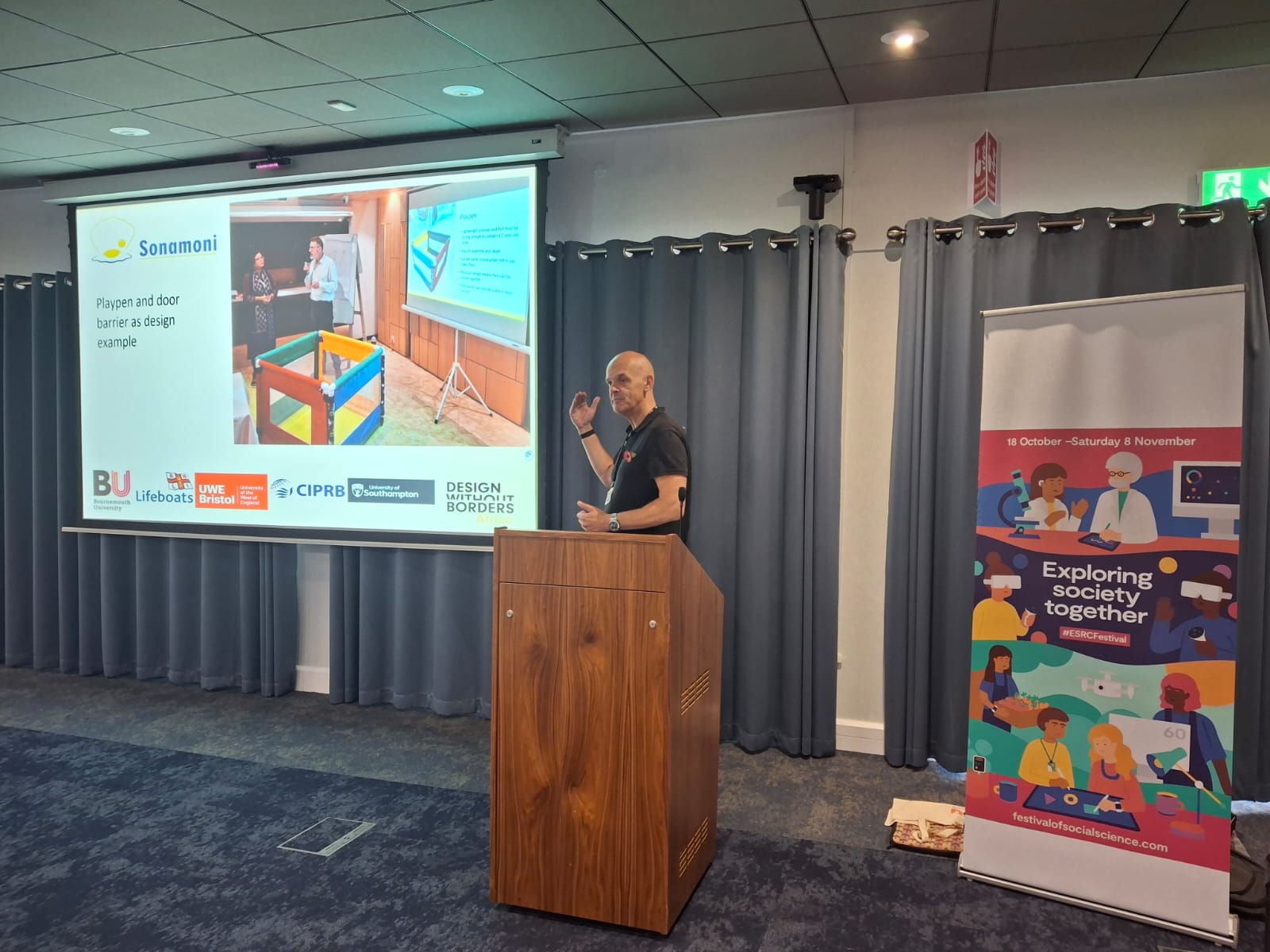
Bournemouth University (BU) organised six events, and on the last day it put up a public-engagement event around its Sonamoni research project at the Royal National Lifeboat Institution (RNLI) building in Poole.
Drowning is the leading cause of death for children aged 6-24 months in Bangladesh, yet it rarely receives the same attention as other global health issues. The Sonamoni project, led by Bournemouth University and the Centre for Injury Prevention and Research, Bangladesh (CIPRB), is an interdisciplinary collaboration with the University of Southampton, the University of the West of England (UWE), the RNLI, and Design Without Borders (DWB) in Uganda. 
This £1.6m project has been made possible thanks to a grant from the UK’s National Institute for Health & Care Research (NIHR) through its Research and Innovation for Global Health Transformation programme. Sonamoni is in the process of developing practical, community-based solutions to reduce drowning among 6-24 months’ old children.
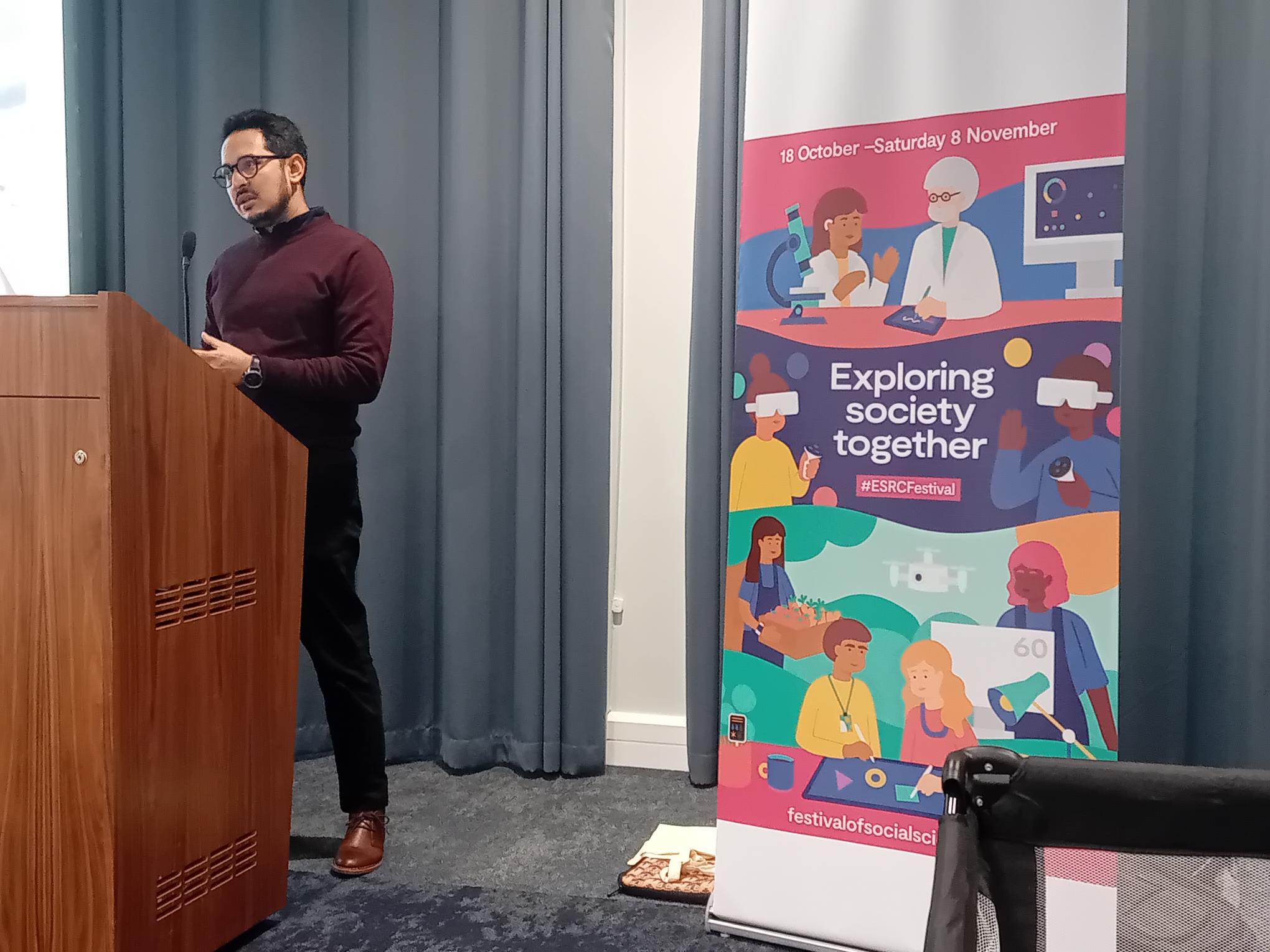
The FoSS event at the RNLI earlier this month was presented by BU academics John Powell and Edwin van Teijlingen with a major contribution from BU’s PhD student Md. Shafkat Hossain, whose doctoral studies focuses on the local community’s understanding of, and engagement with, the Human-Centred Design element of the Sonamoni project. Prof. van Teijlingen, from BU’s School of Health & Care, introduced the project and he highligthed the harmony between the different social science disciplines of the members of the international research team as well as the interdisciplinary nature of this collaboration. The FoSS event was prepared and supported by BU’s Yasemin Oksel Ferraris and Claire Fenton.
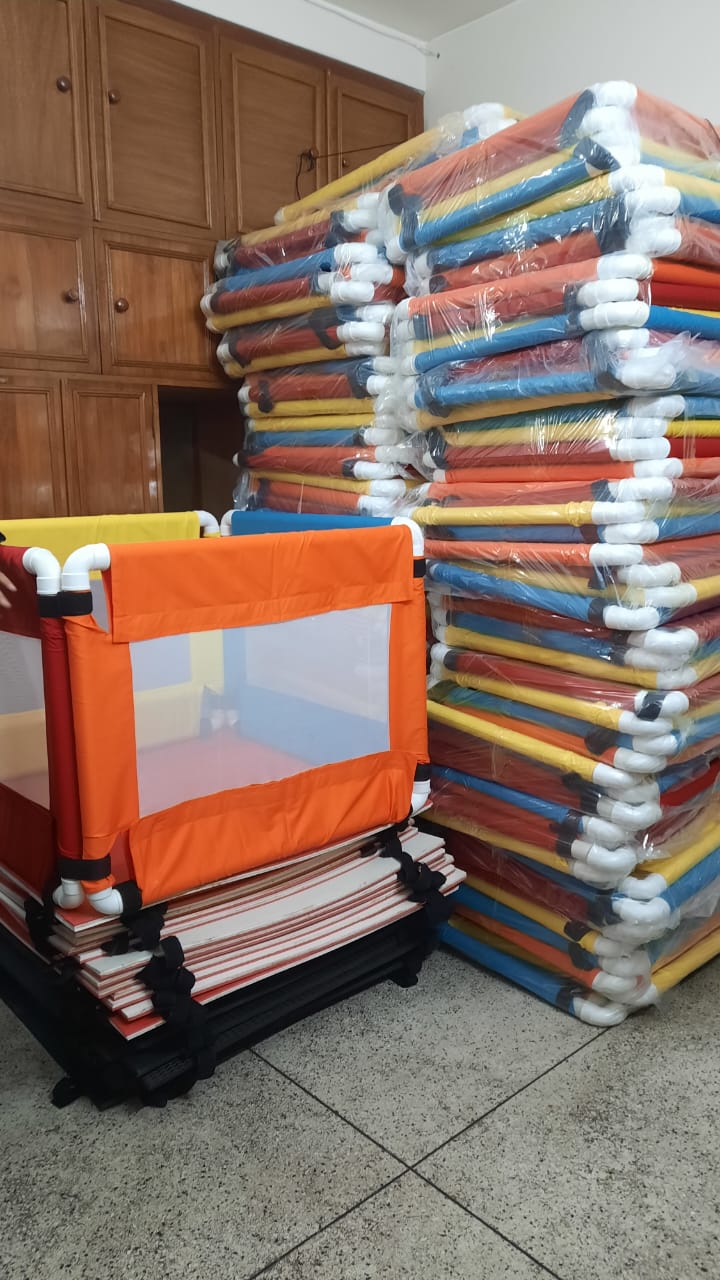
One of the ideas generated by the Sonamoni project, which involves local community involvement at all stages of the study, is a low cost playpen to keep young children save. John Powell MBE outlined the Human-Centred Design process and the eight potential solutions it generated.
The FoSS event on the Saturday morning focused particulary on the design stages of the playpen, from concept to a model that could be tested in the field in rural Bangladesh. The colourful first batch of playpens in the photo are ready to be taken to families to be tested in the two field sites. The audience of the FoSS event was particularly interested ways the researchers in Bangladesh managed to get and keep the community involved in this very applied research.
Prof. Edwin van Teijlingen
Centre for Midwifery and Women’s Health
Using Art to enhance Research
Earlier this year Sara Stride, Senior Lecturer in Midwifery in the Faculty of Health, Environment & Medical Science (HEMS), applied to a joint venture between Bournemouth University and BEAF Arts Co, a multi-art form festival and year-round arts programme. She was awarded funding for the fees and materials of a local artist, to help her share the findings from her excellent PhD research project. Sara’s research explores midwives’ experience when women that they have cared for sustain birth injuries. Midwives report experiencing physical and emotional problems or feelings of guilt and shame.
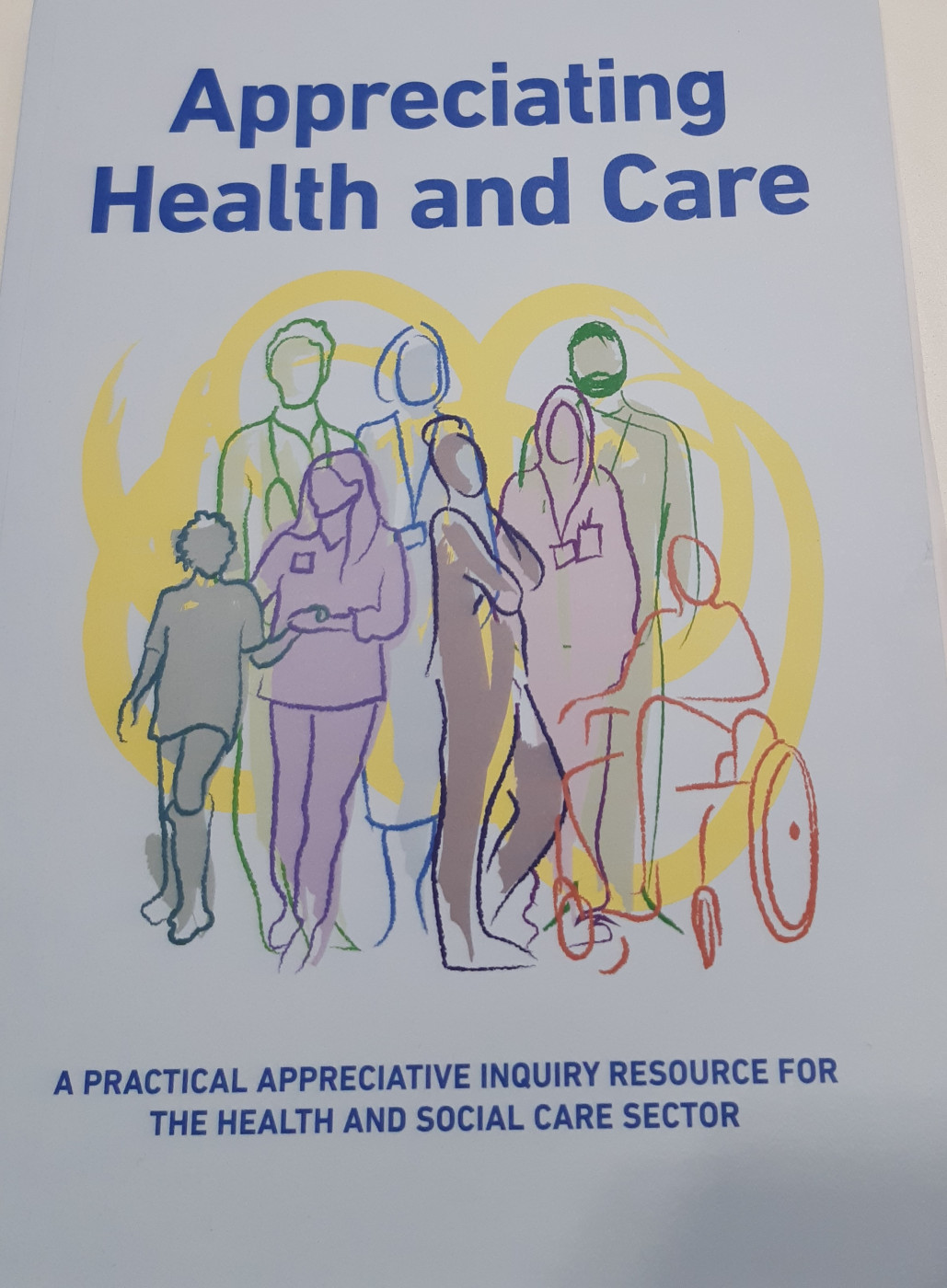
A novel research method Appreciative Inquiry was used as an approach that is particularly appropriate for sensitive topics, to help participants reflect on their experiences together [1-3]. Participants used creative methods of storytelling, clay, drawing and mosaics to share reflections, what works for them and how this helped them professionally and personally.
Sara commented: “As a researcher I could see how therapeutic it was for midwives to participate in the discussions whilst using the creative resources. This inspired me to apply to work with the artist to capture the research findings in an image. As a visual learner myself I felt that this would help me to share my research findings in a way that using words alone may not be able to convey.”
The local artist, Corrianna Clarke, had chosen Sara’s project, and Cora created a digital image to portray the research findings. They had several meetings to discuss the initial images and colour palette, research participants research were asked for feedback on the image. Their comments were very positive and they did not feel there was anything missing. They hoped that others would understand the “feeling of being cared for” and the importance of “protection, care and working together”.
Sara felt that her collaboration with Cora really captured the value of how midwives work together. Sara added: “It was an amazing opportunity to work with an expert in another field, as we learnt from each other as we worked together. The completed image will be available to share after I have completed my PhD. Cora and I would like to thank the organisers for funding this project and giving us this opportunity and as this was a pilot project we hope that the same opportunity will be extended to others in the future.”
Sara Stride, Senior Lecturer in Midwifery & Corrianna Clarke, Community Artist.
For more information about the research or the use of Appreciative Inquiry, contact: Sara Stride: sstride@bournemouth.ac.uk

Reference:
- Hodgkiss, D., Quinney, S., Slack, T., Barnett, K., Howells, B. (2024a) Appreciating Health and Care: A practical Appreciative Inquiry resource for the Health and Social Care sector, Forres: Appreciating People; ISBN: 978-1-9160267-6-6
- Hodgkiss, D., Quinney, S., Slack, T., Barnett, K., Howells, B. (2024b) Appreciating Health and Care: AI in practice, Forres: Appreciating People.
- Arnold, R., Gordon, C., van Teijlingen, E., Way, S., Mahato, P. (2022). Why use Appreciative Inquiry? Lessons learned during COVID-19 in a UK maternity service. European Journal of Midwifery, 6 (May): 28. (Online – open access) (DOI): https://doi.org/10.18332/ejm/147444
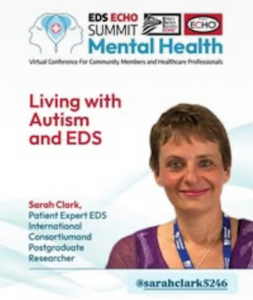
MRes Student Sarah Clark presented at international Mental Health Summit
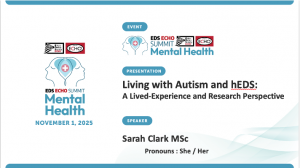
BU MRes Student Sarah Clark Shares Lived-Experience Insights on “Living with Autism and Ehlers-Danlos Syndrome” at the international online EDS ECHO Mental Health Summit on 1st November.


Sarah graduated last November from her MSc in Clinical and Developmental Neuropsychology and has since embarked on a part-time MRes research project titled “Time to diagnosis reduction for autistic people with Ehlers-Danlos Syndrome and Hypermobility Spectrum Disorder”. This work is deeply informed by Sarah’s own late diagnosis of Autism in May 2022, and her lived experience of co-occurring hEDS (diagnosed in 2020).
Harnessing this dual perspective, Sarah is committed to amplifying the voices of those navigating complex diagnostic pathways, advocating for change, and supporting trauma-informed, neuro-affirming approaches to healthcare.
Sarah works for Autism Hampshire as one of their expert by experience Autism trainers on the Oliver McGowan Training Programme, and also sits as a Patient Expert in the EDS International Consortium (Psychiatric and Psychological Aspects Working Group).
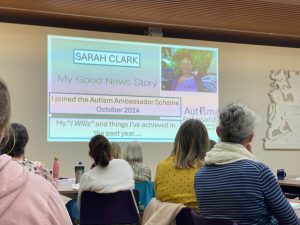
Sarah is part of the Autism Ambassador Scheme in Hampshire and attended the yearly Autism Ambassador Conference in Winchester on 6th November, where a three-minute video of her achievements over the past year was shown: https://youtu.be/Ric_IT_QTPk (everyone at the conference was amazed at how someone could do so many things in one year!)

The Summit
The EDS ECHO Mental Health Summit convened specialists from mental-health and hypermobility disciplines, along with people with lived experience, to explore the intersections of chronic pain, interoception, emotional regulation, identity and support needs.
Sarah’s presentation — titled “Living with Autism & EDS” — situated personal narrative alongside her MSc and MRes lived-experience research, offering attendees a unique lens on the lived reality from both a personal and research perspective.
Additionally, Sarah’s abstract was accepted for a Poster Presentation of her MRes Research at the EDS Scientific Symposium in Toronto in September.
. 
Join the 17th Annual Postgraduate Research Conference – Wednesday 3 December 2025
17th Annual Postgraduate Research Conference: Register now
Register now to attend the 17th Annual Postgraduate Research Conference, hosted by the Doctoral College.
Join us for a day of showcasing some of the excellent research taking place across BU by our postgraduate research community. This event provides a platform for our postgraduate researchers to present their research, share insights, and engage in meaningful discussions with peers, university colleagues, and external partners.
Date & Time: Wednesday 3 December, 9am-4:30pm
Location: Fusion Building, Talbot Campus
This year, the Poster Exhibition will take place in FG04 & FG06, Fusion Building, with viewings taking place in the morning and during the lunch break. Oral presentations hosted in Share Lecture Theatre in the Fusion Building.
Whether you’re a researcher, academic, colleague, or just interested in the cutting-edge work happening at BU find out more and book your place here
The detailed programme will be available soon.
Making “ugly” attractive: Can the way in which imperfect fruit & vegetables are presented reduce “ugly” food waste?
A Presentation of BA Leverhulme Funded Research

Wednesday 29th October 2025, 3.30-5.00pm, DG06
The Centre for Sustainable & Socially Responsible Consumption (CSSRC) invites you to attend its research event on Wednesday 29th October 2025 to enjoy a presentation of BA Leverhulme funded research. After a welcome refreshment this interesting, interactive and informative event will comprise a topical presentation session, led by members of CSSRC and colleague, as outlined below. Opportunity for discussions and networking over drinks and nibbles after the talk will round off the event.
Making “ugly” attractive: Can the way in which imperfect fruit & vegetables are presented reduce “ugly” food waste?
Food waste is one of today’s most pressing sustainability challenges, with consumer rejection of imperfect or “ugly” fruit and vegetables contributing to the problem. Retailers and policymakers alike are searching for strategies that not only increase acceptance of this type of produce but also reduce waste in stores and households.
Questions to address are: How do shoppers actually view “ugly” fruit and vegetables? What selling approaches can help shift perceptions and purchasing behaviour?
This talk will be presented by Dr Guljira Manimont (BU), Dr Jay Kim (University of Strathclyde), and Professor Juliet Memery (BU). Funded by the British Academy, their project explores consumer responses to imperfect produce and offers insights with practical implications for retail practice and sustainability.
Provisional Timetable:
3.30-3.45pm – Welcome refreshments
3.45-4.30pm – Presentation sessions
4.30-5.00pm – Discussion, networking and refreshments
This is a free event, but you must register to attend via Eventbrite: https://www.eventbrite.co.uk/e/making-ugly-attractive-reducing-food-waste-tickets-1720479824469?aff=oddtdtcreator
About CSSRC
The Centre for Sustainable & Socially Responsible Consumption (CSSRC) aims to promote and advance the understanding of sustainable consumption and socially responsible consumption through developing and delivering internationally renowned research. It provides a hub to explore and address topics that are currently globally relevant, through utilising a strong interdisciplinary focus. Webpage: https://www.bournemouth.ac.uk/research/centres-institutes/centre-sustainable-socially-responsible-consumption
CARING AND WORKING: Developing insights into the world of the working carer and disseminating through art
Part 1: Developing insights into the world of the working carer
Background
Earlier this year we completed a study exploring the experiences of working carers in the South of England – part of a larger research project funded by NIHR ARC Wessex exploring carers needs, experiences and ideas about improving carers involvement in research (Pulman and Fenge, 2025).
A carer is anyone who provides unpaid care to a family member, partner, or friend who is unable to manage without support due to an illness, frailty, disability, mental health issue, or addiction.
Caring, unpaid, for older, disabled or chronically ill relatives or friends is something most of us will experience in our lives – all of us has a two in three chance of doing so. (HM Gov, 2023)
Carers who work in addition to their caring responsibilities – known as working carers – often face an ongoing struggle when trying to combine the dual demands of providing care with paid employment. There are nearly 3.7 million working carers in England and Wales; 2.6 million (72%) of these working in full-time paid employment alongside their caring roles, whilst about 1.6 million carers have problems combining work and care (Austin and Heyes, 2020).
The purpose of our research was to understand the experience of being in paid employment whilst providing unpaid care to someone, including adjustments made to employment, support provided by employers and support agencies, the impact on the carers perceived wellbeing and ideas for improving their involvement in carers research.
Realities of combining working with caring
Initial exploratory PPI work was carried out between September and December 2024 – including n=6 unpaid carers attending a one and a half hour facilitated workshop where they contributed to the design and development of the initial draft of the online questionnaire. Data was collected between December 2024 and May 2025, with n=51 working carers completing our online survey.
We found:
Several themes emerged concerning the carers experience at work, the support mechanisms in place which were helpful to them, issues and challenges experienced and ranked suggestions for future research to develop further understanding of the world of the working carer.
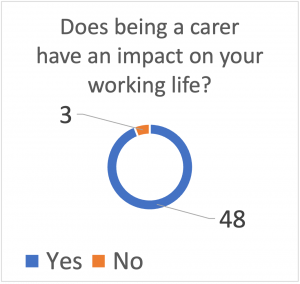
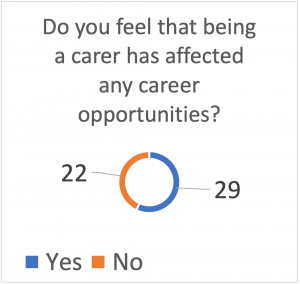
Our research highlighted the importance of developing more humanised ways of employers understanding a working carer’s needs and to meaningfully assist them in meeting their full potential within the workforce.
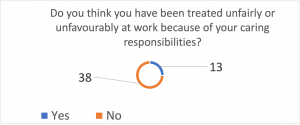
Employers need to think and plan differently for people with unpaid caring responsibilities and realise that working carers need more:
- ENGAGEMENT from employers about how they can stay in work and be supported.
- EMPATHY from employers regarding their caring responsibilities and demands.
- EQUALITY from employers, showing respect and giving carers opportunities to thrive.
Increasing empathetic understanding
Participants in our study (Pulman and Fenge, 2025) felt that it was difficult for some managers and colleagues to fully appreciate working carer experiences unless they had personal experience of a similar situation. This highlights the need for more training for line managers and the wider workforce about the needs and experiences of working carers to promote supportive working environments.
Enhanced training about working carer lived experience, including examples from film and television, innovative higher education eLearning techniques, mixed media, or listening to carer experiences face-to-face could be very beneficial in helping managers and the wider workforce to become more aware of and immersed in the lifeworld of a carer (Todres and Galvin, 2006; Pulman, Todres and Galvin, 2010).
With these approaches in mind, we wanted to reach corporate hearts and change ‘head in the sand’ mindsets by evoking a sense of common connection. To engage with, and communicate to, employers across the Wessex region using innovative visual approaches which would help to open a window on the hidden world of the working carer.
An opportunity to collaborate with local artists
In June, Professor Mel Hughes and Dr Gladys Yinusa invited expressions of interest from university researchers to work with local artists to produce a creative output which would help maximise the reach and impact of current research projects. The pilot project being a collaboration with BEAF Arts Co, an open-access, multi-art form festival and year-round arts programme based in Boscombe.
BEAF (2025) are an innovative and independent organisation of freelancers and volunteers, who feel passionately that culture changes communities for the better and there is a strong evidence base for creative outputs being an inclusive tool for reaching and involving communities in research and for extending the reach of research findings, including to community, academic, policy and practice audiences.
The pilot was developed to build connections with a local artist network who would be involved in selecting their preferred research project – matching the research team with a local artist and then providing funding to cover artist fees and materials. After successfully applying for funding for our research project, we were matched with artist Adilson Naueji to communicate findings.
We look forward to sharing reflections from this collaborative project in the second part of this blog post series soon.
With thanks to:
- Artist Adilson Naueji.
- The working carer research project is supported by the NIHR Applied Research Collaboration (ARC) Wessex.
- The artwork being created is supported by BEAF Arts Co and Bournemouth University.
More information on our project:
Professor Lee-Ann Fenge – lfenge@bournemouth.ac.uk
Dr Andy Pulman – apulman@bournemouth.ac.uk
https://nccdsw.co.uk/clusters/research/carer-research
https://www.arc-wx.nihr.ac.uk/social-care
References:
Austin, A. and Heyes, J., 2020. Supporting working carers: How employers and employees can benefit. CIPD/University of Sheffield.
BEAF Arts Co (2025). BEAF Arts Co Homepage, available online at: https://gotbeaf.co.uk/ (accessed September 30, 2025).
HM Gov (2023). Carers Week 2023: crunching the numbers… HM Gov Social Care Blog, available online at: https://socialcare.blog.gov.uk/2023/06/09/carers-week-crunching-the-numbers/ (accessed September 30, 2025).
Pulman, A. and Fenge, L.-A., 2025. Caring and working: developing insights into the world of the working carer. Health & Social Care in the Community.
Pulman, A., Todres, L., & Galvin, K. (2010). The carer’s world: An interactive reusable learning object. Dementia, 9(4), 535-547.
Todres, L., & Galvin, K. (2006). Caring for a partner with Alzheimer’s disease: Intimacy, loss and the life that is possible. International Journal of Qualitative Studies on Health and Well-being, 1, 50–61.
From class to lab: Thomas Hardye School (Dorchester) visits BU for ecology research
Dr Demetra Andreou and Prof Genoveva Esteban from the School of Life and Environmental Sciences recently welcomed Sixth Form students and science teachers from Thomas Hardye School (Dorchester) to a full-day workshop on the molecular ecology of freshwater shrimps. The academics offered a hands-on computational investigation of biodiversity, demonstrating how DNA analysis can reveal population structures, detect potential invasive species, and inform conservation strategies in freshwater ecosystems.

Science teacher Simon Lewis’s testimonial captured the impact of the day: Of all the activities we take part in through the school, this is one of my absolute favourites. The ownership the students feel over their results and the advanced level of analysis they achieve are difficult to replicate elsewhere, but this day ticks all the boxes.
The workshop increased students’ understanding of ecology and DNA while providing an inspiring introduction to university-level science, encouraging them to consider future pathways in research and higher education. Visitors also toured the campus, including the library and teaching laboratories.
Health promotion paper read 8,000 times
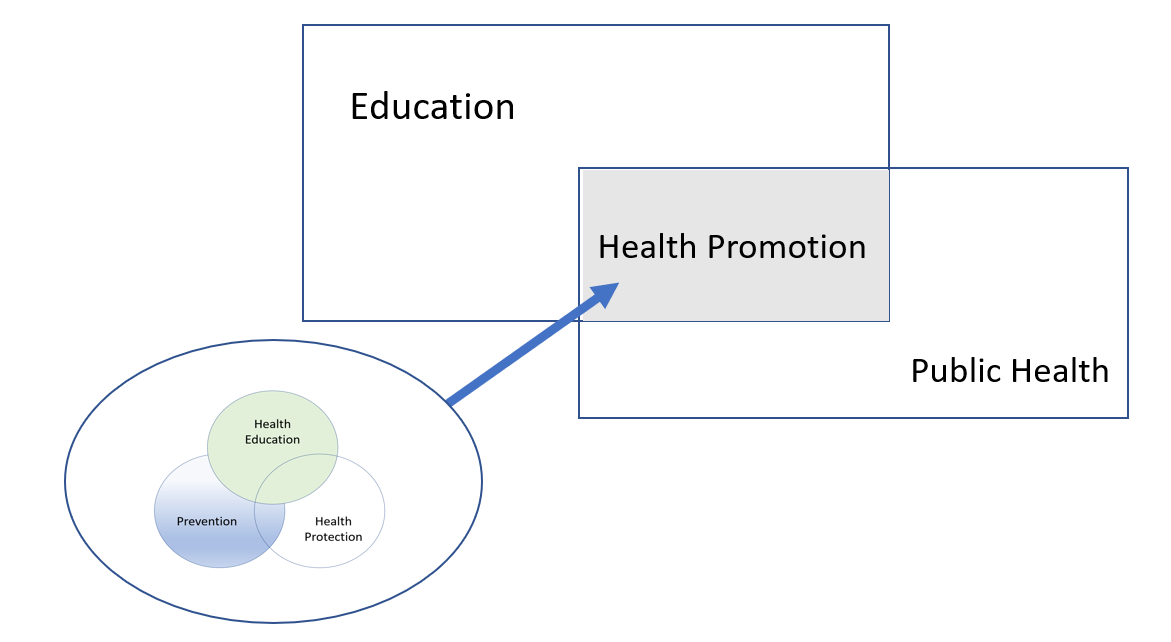
This morning ResearchGate informed us that our paper ‘Understanding health education, health promotion and public health‘ [1] which was published in 2021 has been read 8,000 times. This thinking piece delves into the differences between the concepts of: (a) health education; (b) health promotion; and (c) public health. This confusion does not limit itself to the individual terms,
but also to how these terms relate to each other. Some use terms such as health education and health promotion interchangeably; others see them clearly as different concepts. The paper starts by outlining the authors’ understanding of these individual terms.
They suggest how the five principles of health promotion as outlined by the World Health Organization (WHO, 1984) fit into Tannahill’s (2009) model of three overlapping areas: (a) health education; (b) prevention of ill health; and (c) health protection. Such schematic overview places health education within health promotion and health promotion itself in the centre of the overarching disciplines of education and public health. The authors hope their article helps reduce confusion among all those interested in our discipline, including students, educators, journalists, practitioners, policymakers, politicians, and researchers.
CMWH
Reference:
- van Teijlingen, K. R., Devkota, B., Douglas, F., Simkhada, P., & van Teijlingen, E. R. (2021). Understanding health education, health promotion and public health. Journal of Health Promotion, 9(01), 1–7. https://doi.org/10.3126/jhp.v9i01.40957
Bridging research and practice in the TV industry
Academic research in the creative industries often identifies real-world challenges. We’re interested in inequalities, structural gaps, working conditions, management practices and much beside. But translating those insights into practical change isn’t always straightforward. So when The British Academy awarded me an Innovation Fellowship last year, I was able to use my time to develop a modest but tangible intervention that attempted to do both: contribute to scholarly thinking on freelance labour, and offer something of genuine value to people working in TV.

It’s called Supportive Offboarding. The core idea is simple. When a freelance contract ends, the employer offers a short, structured conversation with someone at arm’s length from the show. The purpose isn’t to assess the freelancer’s performance, or simply to extract feedback for the employer. Instead, the conversation focuses on reflection, appreciation, and a forward-looking discussion about career goals and next steps. In other words, it’s about support, not surveillance.
The project emerged from ongoing research into freelance working cultures in screen production which has been the focus of much of our work at the Centre for Excellence in Media Practice (CEMP). What we have discovered is that while much attention is given to how people enter the TV industry, far less thought is given to the sustainability of those careers. Most work in this sector is contingent, based on short-term contracts. The way they end, and freelancers move on, shapes their sense of professional identity, belonging and ultimately, their inclination to remain in the industry. Offering no feedback, taking no interest in their future, asking for no feedback, and sometimes forgetting to even say thank you, can compound feelings of disposability.
To test the intervention, we partnered with the media conglomerate, Fremantle, responsible for shows like Britian’s Got Talent, The Apprentice, and The Rap Game. We even included the Australian soap, Neighbours as part of our study. Freelancers were invited to take part in offboarding conversations. Responses were overwhelmingly positive. For many, it was the first time they had been offered structured space to reflect on a production once it had ended.
From a research perspective, this was as much about method as it was about findings. The process was co-designed with industry partners, shaped by production constraints, and aimed at practical feasibility. Our challenge wasn’t just to analyse a problem but to create something that might be adopted in live settings: something simple, repeatable, and valuable. What this project affirmed for me is that meaningful collaboration between academia and industry is not only possible but it can produce benefits for both. Research doesn’t need to sit at a distance from practice. It can help to shape it.
My report, Supportive Offboarding: Report on the design, development and testing of an intervention to improve the way the TV industry supports its freelancers (https://doi.org/10.18746/shkc-1383) is published this week.
Shortlisted for the SWET Scholarship
Adele McMahon (PhD student in the Faculty of Health and Social Sciences) recently applied for the £3,000 scholarship offered by the Social Workers’ Educational Trust (SWET). And although she wasn’t selected for the top award, she was incredibly honoured to be shortlisted as one of the final three candidates.
As recognition of her work and proposal, she was awarded a £500 grant. This funding will go directly towards the dissemination of her research findings, helping to ensure that the insights she’s developed reaches practitioners, educators, and wider communities who can benefit from them.
Adele is deeply grateful to SWET for this opportunity and their support of her research exploring what young people say about their lived experiences as adolescent parents in the child protection system.
Conversation article: Five ways to keep teenagers safe by the water
Dr Jill Nash writes for The Conversation about the need to educate young people about the risks of drowning, and shares her advice for helping to keep them safe…
Five ways to keep teenagers safe by the water

Jill Nash, Bournemouth University
As temperatures soar around the UK and Ireland due to climate change, warnings about the dangers of drowning are being issued and one Labour MP is calling for water safety lessons to be made compulsory in schools.
Teaching children to swim is essential, but it’s not enough to save them from drowning. Water safety is about judgement, impulse control, peer influence and understanding your limits. Peer pressure, social situations and a false sense of confidence can all put young people in danger.
My research highlights how we’re not talking enough to young people, especially teenage boys, about the emotional and cognitive risks of making decisions around water. The National Water Safety Forum reports that young males aged between 10-19 are one of the highest groups at risk from drowning, as they assert their independence and test personal boundaries.
Drowning happens quickly, often without adults watching, when kids are hanging out by rivers and lakes, tombstoning off bridges, or misjudging their abilities when trying to impress friends.
Get your news from actual experts, straight to your inbox. Sign up to our daily newsletter to receive all The Conversation UK’s latest coverage of news and research, from politics and business to the arts and sciences.
Leading water safety organisations like the Royal National Lifeboat Institution (RNLI) and HM Coastguard run education campaigns about the dangers of the ocean. The Canal & River Trust, the UK’s largest canal charity, recently developed a school education pack for teenagers highlighting water safety.
Parents can also shape how teens interact with water. In Nottingham, the charity called Open Water Education Network was founded in memory of Owen Jenkins, a 12-year-old boy who drowned while trying to save two girls in difficulty. As well as teaching young people about the dangers of open water and the importance of self rescue, this charity empowers parents to talk to teens even if they seem to ignore parental advice.
Talking to teenagers about safety isn’t easy. Here’s how to do it in a way that’s honest, effective and grounded in care.
1. Talk just before they go
Rules work best when they’re short, consistent and repeated. Before a trip to the beach or river, take five minutes to remind your teen of your family’s water safety rules. Repetition builds habits. Remind them not to swim after dark or alone and explain what to do if someone’s in trouble (call for help, don’t jump in).
2. Share real-life stories
Stories help bring home the reality of water risk, especially for teens who can feel invincible in an all-male group without any supervision. While on a lads holiday on the Northumberland coast, 16-year-old called Evan saved himself from drowning in a rip tide by laying on his back to stay afloat. Eventually, a surfer managed to paddle out and reach him, and an rescue lifeboat also came to the scene. Evan recovered after treatment in hospital for hypothermia.
Another heartbreaking story of Liam Hall, a teenager who drowned while out in a dinghy with friends in Sunderland, demonstrates how quickly things can escalate in the sea.
Not all stories end in tragedy. A group of teenagers from East Sussex made the life-saving decision to stay out of the water, using a life ring to help two swimmers in trouble, proving that staying on shore can save lives.

oneinchpunch/Shutterstock
3. Discuss group dynamics
Female teens can play a powerful role in promoting water safety, especially in mixed-gender peer groups where social dynamics can significantly influence behaviour. Research shows that all-boy groups are more likely to engage in risk-taking activities. When girls are present, especially those who feel confident speaking up, risky behaviour often decreases.
Parents can empower girls to speak up if someone suggests swimming in dangerous conditions or places and promote safety strategies like the RNLI’s “call, tell and throw” approach. By reinforcing these behaviours, teen girls can become leaders in lifesaving culture, not only keeping themselves safe but influencing their peers to make smarter choices too.
4. Deflate false sense of confidence
Stick to the facts and be honest about the dangers. Drowning can happen within seconds, even when someone is a strong swimmer. Most drownings occur in open water, not swimming pools. Teenagers need to understand how the effects of cold water shock, fast currents and submerged objects can quickly turn a fun day into a fatal one.
5. Make brave choices
Teens don’t drown because they’re bad swimmers. They drown because they made a poor decision in a high-risk moment. Teaching safety early (before they start taking unsupervised risks) helps shape smarter thinking later.
Parents can model care, calmness and emotional awareness. Show them that bravery isn’t about bravado. It’s about looking out for your mates and making good choices. Fathers can play a powerful role in framing what strength looks like. Research shows that fathers who show empathy and emotional intelligence teach children how to be resilient during high-pressure moments. Emphasise that calm decision-making when in danger or choosing not to jump into the water under peer pressure doesn’t make a boy weak. It makes him wise. Talk to your sons about how real masculinity means thinking clearly, not reacting emotionally.
Teenagers can feel invincible. Be honest. Tell them you love them and that you trust them to make good decisions. Talking about safety is one of the most powerful things a family can do. Water safety begins at home with all of us.
Swimming, sailing, even just building a sandcastle – the ocean benefits our physical and mental wellbeing. Curious about how a strong coastal connection helps drive marine conservation, scientists are diving in to investigate the power of blue health.
This article is part of a series, Vitamin Sea, exploring how the ocean can be enhanced by our interaction with it.![]()
Jill Nash, Senior Lecturer in Advertising and Marketing Communications, Bournemouth University
This article is republished from The Conversation under a Creative Commons license. Read the original article.
Targeted workshops for REF 2029 impact case study teams
Limited places available – sign up now for May and June!

Photo by John Schnobrich on Unsplash
DATES & TIMES
Friday 30th May, 9.30am-1pm, F306, Fusion Building, Talbot Campus
Developing Policy Engagement for Impact BOOK HERE
Wednesday 11th June, 9.30am-1pm, online via Zoom
Developing Policy Engagement for Impact (same content) BOOK HERE
Thursday 26th June, 9.30am-12.30pm, FG04, Fusion Building, Talbot Campus
Getting your REF Impact Case Study off the Ground BOOK HERE
KEY DETAILS
Developing Policy Engagement for Impact
Facilitated by BU’s policy consultant Carys Davis, this provides expert advice on navigating the policy landscape to ensure your research reaches and informs decision makers. Topics covered:
- The purpose of influencing, the role of evidence and what it means for you
- Writing elevator pitches and key messages
- Principles of communicating with policy and decision makers
- Effective policy writing
- Understanding the policymaking landscape.
Getting your REF Impact Case Study off the Ground
Research impact consultant Bella Reichard delivers this workshop, which she describes as “part training, part retreat” to help provide clarity in developing a polished impact case study for REF 2029. This includes:
- Creating a narrative arc
- Guidance writing your own summary of impact
- Devising an action plan
- Focus on evaluation and evidence of impact.
Who are these workshops for?
- All sessions are aimed primarily at researchers considering, or in the process of, preparing an impact case study for submission to REF 2029.
- They are not limited to a single person per potential case study – it can be useful for teams and/or relevant impact champions to attend together.
- If you are not sure if they are suitable for you, please contact your UOA impact champion.
Nepal Family Cohort Study meeting in Bournemouth
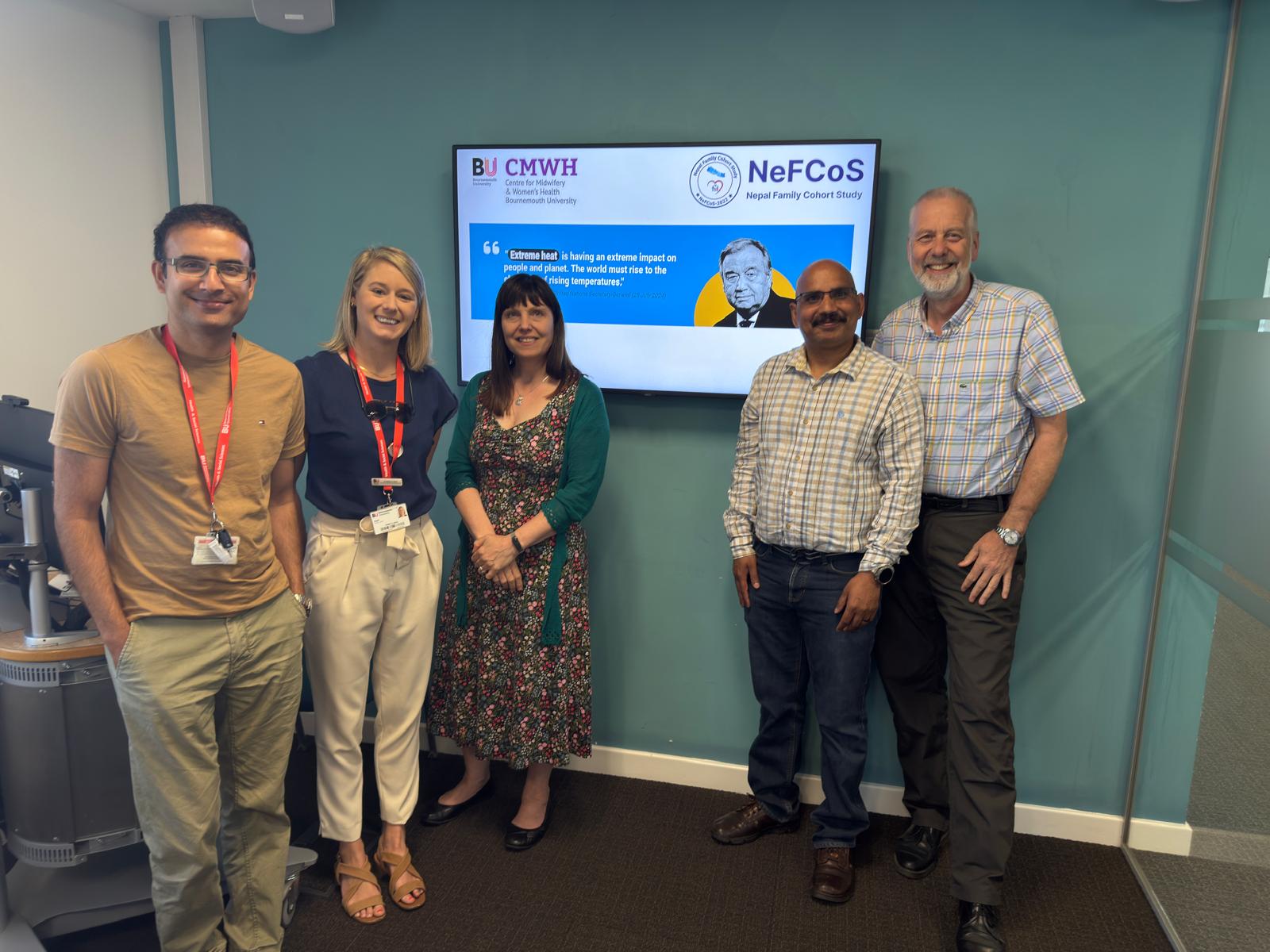
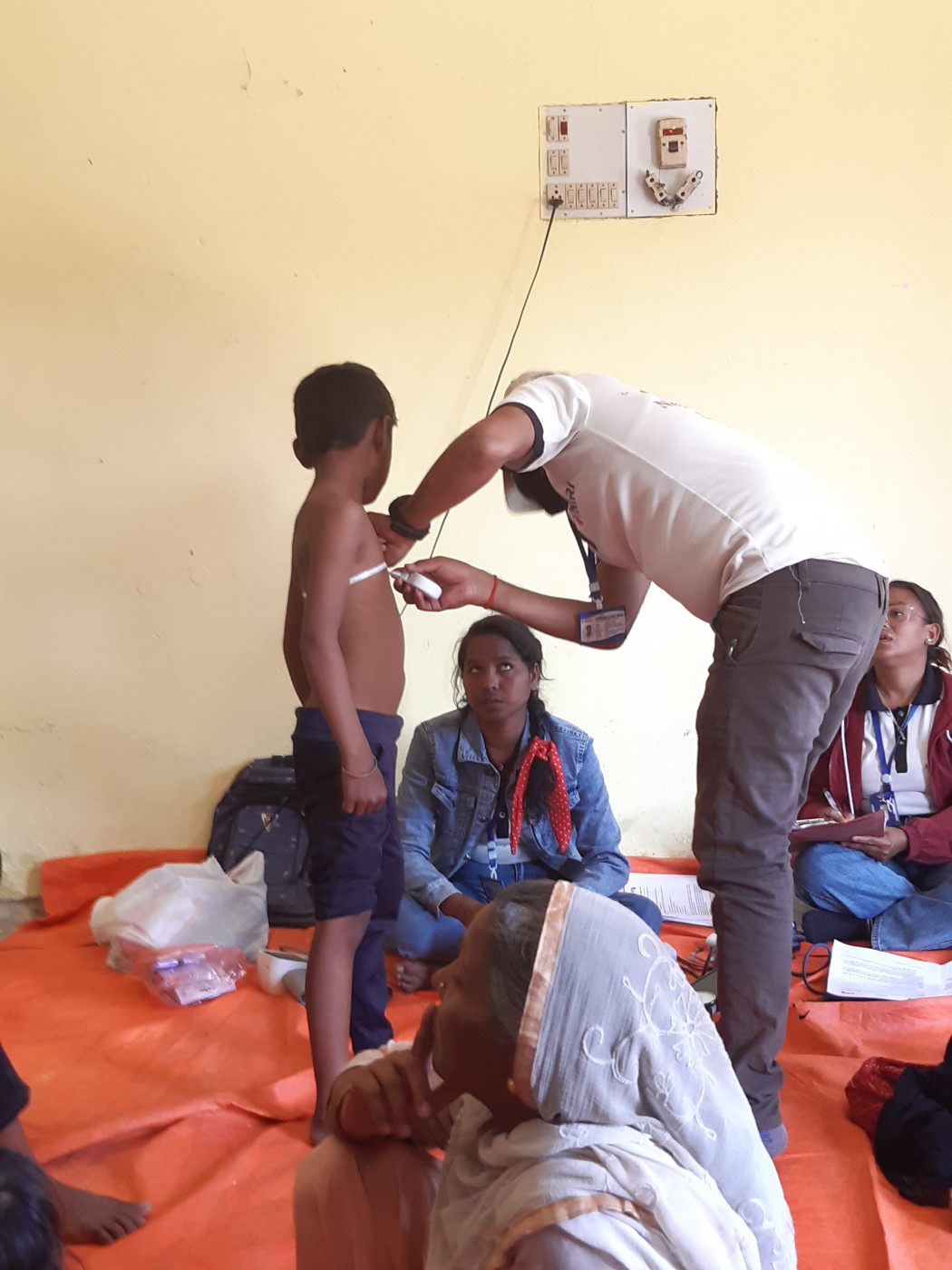
Prof. Om Kurmi who leads the Nepal Family Cohort Study (NeFCoS) joined the Bournemouth University (BU) team today for a research planning meeting in Bournemouth today. Dr. Om Kurmi, Associate Professor Research in the Centre for Healthcare and Communities at Coventry University. The BU team comprises Dr. Pramod Regmi (Principal Academic-International Health), Prof. Carol Clark (Professor in Physiotherapy), Prof. Edwin van Teijlingen (Professor of Reproductive Health), Dr. Rebecca Neal (Principal Lecturer in Exercise Physiology) and Dr. Vanora Hundley (Professor of Midwifery). 
The Nepal Family Cohort Study (NeFCoS) is a multidisciplinary cohort study into the prevalence, incidence, and determinants of various diseases from childhood to adulthood in children and their parents [1]. NeFCoS has just started to collect date for the first round of follow-up.
Today’s meeting was organised by Dr. Neal and supported by BU’s QR funds.
- Kurmi, O.P., Chaudhary, N., Delanerolle, G., Bolton, C.E., Pant, P.R., Regmi, P., Gautam, S., Satia, I., Simkhada, P., Kyrou, I., Sigdel, T.K., Hundley, V., Dali, P.R., Lokke, A., Hubert Lam, K.B., Bennett, D., Custovic, A., van Teijlingen, E., Gill, P. Randeva, H., O’Byrne, P.M., and Nepal Family Cohort Collaborators Group, Nepal Family Cohort Study: A Study Protocol, BMJ Open 14:e088896. doi:10.1136/ bmjopen-2024-088896


Three CMWH presentations at Berlin conference
New interdisciplinary paper on Nepal
National Postdoc Appreciation Week 2026: The Changing Landscape of Postdoc Careers
NIHR Insight South West Central Conference 2026 at Bournemouth University

Horizon Europe Cluster 3 (Civil Security for Society) 2026 Calls Now Open

MSCA Doctoral Networks 2026 Call Information Webinar

ESRC Festival of Social Science 2026: Application Deadline Extended to Thursday 25 June 2026

Reminder: Register for the ESRC Festival of Social Science 2026 Information Session

ECR Funding Open Call: Research Culture & Community Grant – Apply now

ERC Advanced Grant 2025 Webinar
Update on UKRO services
European research project exploring use of ‘virtual twins’ to better manage metabolic associated fatty liver disease