 Research Councils UK (RCUK) have recently launched a number of best practice case studies online to help inspire you when filling out the Pathways to Impact section of your funding applications.
The Pathways to Impact are designed to encourage you to consider the sorts of activities that may help your research to have an impact. A wide variety of activities have been funded from the Pathways to Impact section, including public engagement, direct collaborations with beneficiaries, events and policy briefings.
The case studies provide personal accounts from RCUK-funded researchers about their approaches and experiences of Pathways to Impact. The case studies also provide guidance and top tips on how you can maximise impact from your research. Tips include avoiding potential pitfalls, such as focusing only on past activities rather than looking ahead to explore the potential impact of the project, and ensuring milestones are included where appropriate along with an explanation of the rationale behind activities.
Further case studies will be added over the coming weeks to build a knowledge bank of experience and best practice that you can draw on.







 Verbal autopsy paper published two days ago
 ESRC Studentships for 2027 Entry: Opportunity Now Open
 SONAMONI contributions to Safety Conference 2026 in South Africa
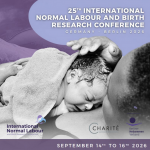 Three CMWH presentations at Berlin conference
 Horizon Europe Cluster 3 (Civil Security for Society) 2026 Calls Now Open
 MSCA Doctoral Networks 2026 Call Information Webinar
 ESRC Festival of Social Science 2026: Application Deadline Extended to Thursday 25 June 2026
 Reminder: Register for the ESRC Festival of Social Science 2026 Information Session
 ECR Funding Open Call: Research Culture & Community Grant – Apply now
 ERC Advanced Grant 2025 Webinar
 Update on UKRO services
 European research project exploring use of ‘virtual twins’ to better manage metabolic associated fatty liver disease