Saturday 9th November (1:30pm-4:30pm) Littledown Centre Bournemouth, Studio 1
Dementia in Dorset – what does this mean for you?
Free event for all the family
Bournemouth University Dementia Institute (BUDI) are hosting a community engagement day as part of the ESRC Festival of Social Science to showcase a range of their innovative projects which will bring dementia awareness to life through technology, maritime archaeology, exercise and tai chi, an art exhibition and many more fun hands-on-activities. There will be a free bouncy castle, face painting, balloons and treats, for children of all ages!
Visitors will have the chance to understand what it’s like to live with dementia through a talk by someone living with dementia and postcard stories, getting the chance to use technology which has the aim of improving the quality of life of those living with dementia, planting seeds to learn about dementia friendly environments, learning how to make healthy food more appetising to improve the mind and body, and experiencing how massage can reduce anxiety and enhance relaxation for both people living with dementia and their carers.
The BUDI team will be on-hand for a chat or to answer questions, and information from local organisations people living with dementia and carers will be available.
There is no need to register for this event, so just come along!
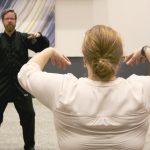 Public event – Living well with dementia: Tai Chi, creative drama and independence at home







 Reminder: Register for the ESRC Festival of Social Science 2026 Information Session
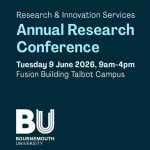 Deadline Approaching: Submit your Poster for the Research Conference by Monday 27 April
 BU academics publish in Nepal national newspaper
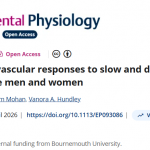 New BU Physiology paper
 Gender and street names
 ECR Funding Open Call: Research Culture & Community Grant – Apply now
 ECR Funding Open Call: Research Culture & Community Grant – Application Deadline Friday 12 December
 MSCA Postdoctoral Fellowships 2025 Call
 ERC Advanced Grant 2025 Webinar
 Update on UKRO services
 European research project exploring use of ‘virtual twins’ to better manage metabolic associated fatty liver disease