 ‘Research Fingerprinting’ is a new development on the Research Professional platform that delivers highly relevant funding opportunities to researchers.
How does it work?
Using advanced, highly-targeted algorithms, in combination with their extensive industry knowledge and refined discipline taxonomy, Research Fingerprinting generates personal funding alerts for the majority of the researchers at our institution, based on publicly available information about your research interests and published work.
Once deployed, fingerprinting will perfectly match our researchers with their research interests and help deliver the most relevant funding opportunities into your inbox every week. You will be able to edit your fingerprint if you find that the some of the disciplines do not match your research interests.
You will already have alerts set up and so when this is switched on, you will receive two alerts on a Friday. You can compare these to see which is finding the most relelvant funding opportunities. This should be the Fingerprint and so you can then remove your previous selected alerts. The fingerprint will update as your research interests grow.
When will we get it?
This post is to let you know that Research Fingerprints is coming soon. It is now available for the majority of academics but we have yet to switch it on. We will be rolling this out shortly and will notify you via another blog post.
 Research Professional alerts are changing
 Research Professional – First Round-Table Discussion on: “Successful Strategies for Deploying Research Professional”







 3C Online Social: Thursday 26 March 1–2pm – Research Culture, Community & Can you Guess Who?
 Four BU students at national midwifery conference
 INRC book roundtable/presentation by Drs Jonathan Cole and Catherine Talbot, Wednesday 22/04/2026, 13:00h, P426
 BU M.Res. student’s evidence to UK Parliamentary Women & Equalities Committee
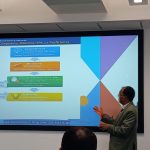 Prof Marahatta promoting BU-Nepal collaboration
 ECR Funding Open Call: Research Culture & Community Grant – Apply now
 ECR Funding Open Call: Research Culture & Community Grant – Application Deadline Friday 12 December
 MSCA Postdoctoral Fellowships 2025 Call
 ERC Advanced Grant 2025 Webinar
 Update on UKRO services
 European research project exploring use of ‘virtual twins’ to better manage metabolic associated fatty liver disease