We’re thrilled to invite you to the second online seminar in the new ADRC series. This session will feature Dr. Catherine Talbot from Bournemouth University, presenting: Digital dementia care: How social media is shaping experiences of dementia.
With a rapidly growing population of people affected by dementia and increasing global emphasis being placed on early and timely diagnosis, it is vital to explore creative ways of supporting those affected. Social media has potential to mitigate some of the challenges associated with dementia, by facilitating social connectivity and access to information. Despite these possibilities, research in this area is scarce, and social media platforms are not designed with the specific needs of people with dementia or their carers in mind. In this talk, Dr Catherine Talbot will present the findings from her British Academy funded research, which aimed to explore the attitudes of people with dementia and their carers towards engaging with social media. She will also discuss how educational and technological initiatives can empower people with dementia to use social media safely and effectively.
 Carers experiences to inform direction of dementia work at BU
 Ageing and Dementia Research Centre (ADRC) at Royal College of Physicians – launch of Electronic workbook for Nutrition and Dementia care







 ECR Opportunities: New Development Programme, Researcher Grants & Upcoming Events
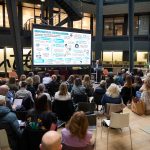 Help us capture BU’s knowledge exchange activity HE-BCI survey 2025–26
 Verbal autopsy paper published two days ago
 ESRC Studentships for 2027 Entry: Opportunity Now Open
 SONAMONI contributions to Safety Conference 2026 in South Africa
 Horizon Europe Cluster 3 (Civil Security for Society) 2026 Calls Now Open
 MSCA Doctoral Networks 2026 Call Information Webinar
 ESRC Festival of Social Science 2026: Application Deadline Extended to Thursday 25 June 2026
 Reminder: Register for the ESRC Festival of Social Science 2026 Information Session
 ECR Funding Open Call: Research Culture & Community Grant – Apply now
 ERC Advanced Grant 2025 Webinar
 Update on UKRO services
 European research project exploring use of ‘virtual twins’ to better manage metabolic associated fatty liver disease