Why do we adorn our screens with pictures of forests, waterfalls, animals and beaches? Why are there so many nature metaphors in the language of the internet? The answer lies in biophilia, 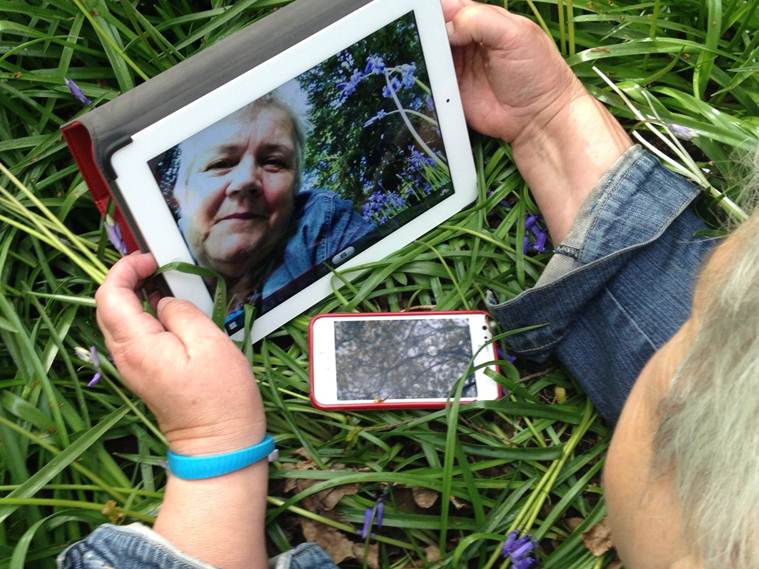 the innate human attraction to life and life-like processes. Sue Thomas believes that nature can soothe our connected minds and offer unexpected benefits – an improved attention span, a rested mind, and enhanced creativity. So there’s no need to choose between technology and well-being – we can have both! This talk is about the best way to make our digital lives integrated, healthy, and mindful.
If you would like to find out more about Sue Thomas, please visit her website: www.suethomas.net
This month we have worked with the Bournemouth Arts by the Sea Festival, so this is definitely not one to miss. Also, as an extra special treat we have brownie cake to celebrate our one year anniversary – what a great success Cafe Scientfique has been!
Doors open at the wonderful Cafe Boscanova, Boscombe at 6:30pm and Sue Thomas will begin her fascinating talk on Technobiophilia at 7:30pm-9pm. There is no need to register for this event, so just simply come along! There is also some excellent food available (and chocolate brownie – if I hadn’t already mentioned).
The Cafe Scientifique team look forward to seeing you there!







 International Open Access Week: open access and the REF
 Food Price Research Shortlisted for Civil Service Prize
 3C Event: Research Culture, Community & Connections – Wednesday 11 November 3-4pm
 ECR Opportunities: New Development Programme, Researcher Grants & Upcoming Events
 Horizon Europe Cluster 3 (Civil Security for Society) 2026 Calls Now Open
 MSCA Doctoral Networks 2026 Call Information Webinar
 ESRC Festival of Social Science 2026: Application Deadline Extended to Thursday 25 June 2026
 Reminder: Register for the ESRC Festival of Social Science 2026 Information Session
 ECR Funding Open Call: Research Culture & Community Grant – Apply now
 ERC Advanced Grant 2025 Webinar
 Update on UKRO services
 European research project exploring use of ‘virtual twins’ to better manage metabolic associated fatty liver disease