For more than a century, the BBC has been a fixture of British cultural life. However, few people are aware of the key role played by women in its earliest days.
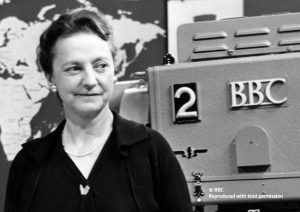 The next event in our online public lecture series will showcase the pioneering women of the BBC – from female producers through to the engineers, broadcasters and managers who carried the BBC through the Second World War and beyond.
The free event will take place from 7pm – 8.30pm on Wednesday 15 March.
Dr Kristin Skoog, Dr Kate Terkanian and Dr Kate Murphy – all from the Faculty of Media and Communication – will share stories uncovered by their research into women in the BBC, from the 1920s up to the 1950s.
There will also be the opportunity for audience questions.
The event takes place during Women’s History Month, which this year is celebrating ‘The Women Who Tell Our Stories’, encouraging recognition of women, past and present, who have been active in all forms of media and storytelling.
It is the third event in BU’s 2022/23 online public lecture series, which showcases our research and expertise across key areas. The first lecture series attracted more than 1,000 attendees from across the world.







 Verbal autopsy paper published two days ago
 ESRC Studentships for 2027 Entry: Opportunity Now Open
 SONAMONI contributions to Safety Conference 2026 in South Africa
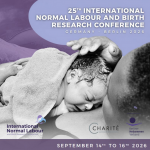 Three CMWH presentations at Berlin conference
 Horizon Europe Cluster 3 (Civil Security for Society) 2026 Calls Now Open
 MSCA Doctoral Networks 2026 Call Information Webinar
 ESRC Festival of Social Science 2026: Application Deadline Extended to Thursday 25 June 2026
 Reminder: Register for the ESRC Festival of Social Science 2026 Information Session
 ECR Funding Open Call: Research Culture & Community Grant – Apply now
 ERC Advanced Grant 2025 Webinar
 Update on UKRO services
 European research project exploring use of ‘virtual twins’ to better manage metabolic associated fatty liver disease