Media training is changing at the ESRC.
Having taken on board extensive feedback from their delegates they are moving their media training forward to focus on the practical elements of working with the media.
They now offer a one day-long media training session that provides the opportunity to develop practical media skills in a safe environment.
They believe by concentrating their resources this way they will be able to give maximum opportunity for researchers, no matter what stage of their career, to develop their skills and feel comfortable handling media interviews. Whether a PhD student, postdoctoral researcher or senior fellow, the new practical media training session provides the guidance needed to engage the media with confidence – and plenty of opportunity to practice.
For more information, please see the article here.
The course will be taking place in different locations throughout the year. The forthcoming course dates are:
- 17 September 2015 – London
- 15 October 2015 – Cambridge
- 30 October 2015 – London
- 12 November 2015 – London
Book a place on a media training course.
For further information on any aspect of ESRC media training days please contact esrcmediatraining@esrc.ac.uk







 ECR Opportunities: New Development Programme, Research Grants & Upcoming Events
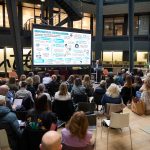 Help us capture BU’s knowledge exchange activity HE-BCI survey 2025–26
 Verbal autopsy paper published two days ago
 ESRC Studentships for 2027 Entry: Opportunity Now Open
 SONAMONI contributions to Safety Conference 2026 in South Africa
 Horizon Europe Cluster 3 (Civil Security for Society) 2026 Calls Now Open
 MSCA Doctoral Networks 2026 Call Information Webinar
 ESRC Festival of Social Science 2026: Application Deadline Extended to Thursday 25 June 2026
 Reminder: Register for the ESRC Festival of Social Science 2026 Information Session
 ECR Funding Open Call: Research Culture & Community Grant – Apply now
 ERC Advanced Grant 2025 Webinar
 Update on UKRO services
 European research project exploring use of ‘virtual twins’ to better manage metabolic associated fatty liver disease