The European Commission is currently advertising a tender opportunity on the ‘Study on energy costs, taxes and the impact of government interventions on investments in the energy sector’ with the following aim:
The aim is to collect information on energy generation costs, system and external costs in the energy sector, in parallel with looking at taxes related the use of energy paid to the general budget, and to build up an inventory on government interventions related to energy. The study will cover the 28 Member States of the EU, all major energy sources and beyond the energy sector the main energy consuming branches, such as industry, transport and agriculture. Beyond the EU the study aims at building a database as complete as possible for G20 countries. In order to feed in the initiatives of the Energy Union, the study will identify best practices in the EU Member States to measure subsidies to fossil fuels, and it will analyse the impact of fossil fuel subsidies on decarbonisation objectives of EU policies and investments in climate friendly energy technologies. The next energy prices and costs report and the State of the energy Union report could use the results of the study.
Please see below a summary of this funding opportunity:
Deadline for requests to participate: 24 October 2018
Available funding : EURO 2,000,000 (excluding VAT)
Duration : 18 months
Please see this link for more information on this tender opportunity.







 3C Online Social: Thursday 26 March 1–2pm – Research Culture, Community & Can you Guess Who?
 Four BU students at national midwifery conference
 INRC book roundtable/presentation by Drs Jonathan Cole and Catherine Talbot, Wednesday 22/04/2026, 13:00h, P426
 BU M.Res. student’s evidence to UK Parliamentary Women & Equalities Committee
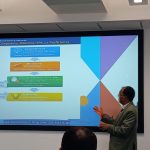 Prof Marahatta promoting BU-Nepal collaboration
 ECR Funding Open Call: Research Culture & Community Grant – Apply now
 ECR Funding Open Call: Research Culture & Community Grant – Application Deadline Friday 12 December
 MSCA Postdoctoral Fellowships 2025 Call
 ERC Advanced Grant 2025 Webinar
 Update on UKRO services
 European research project exploring use of ‘virtual twins’ to better manage metabolic associated fatty liver disease