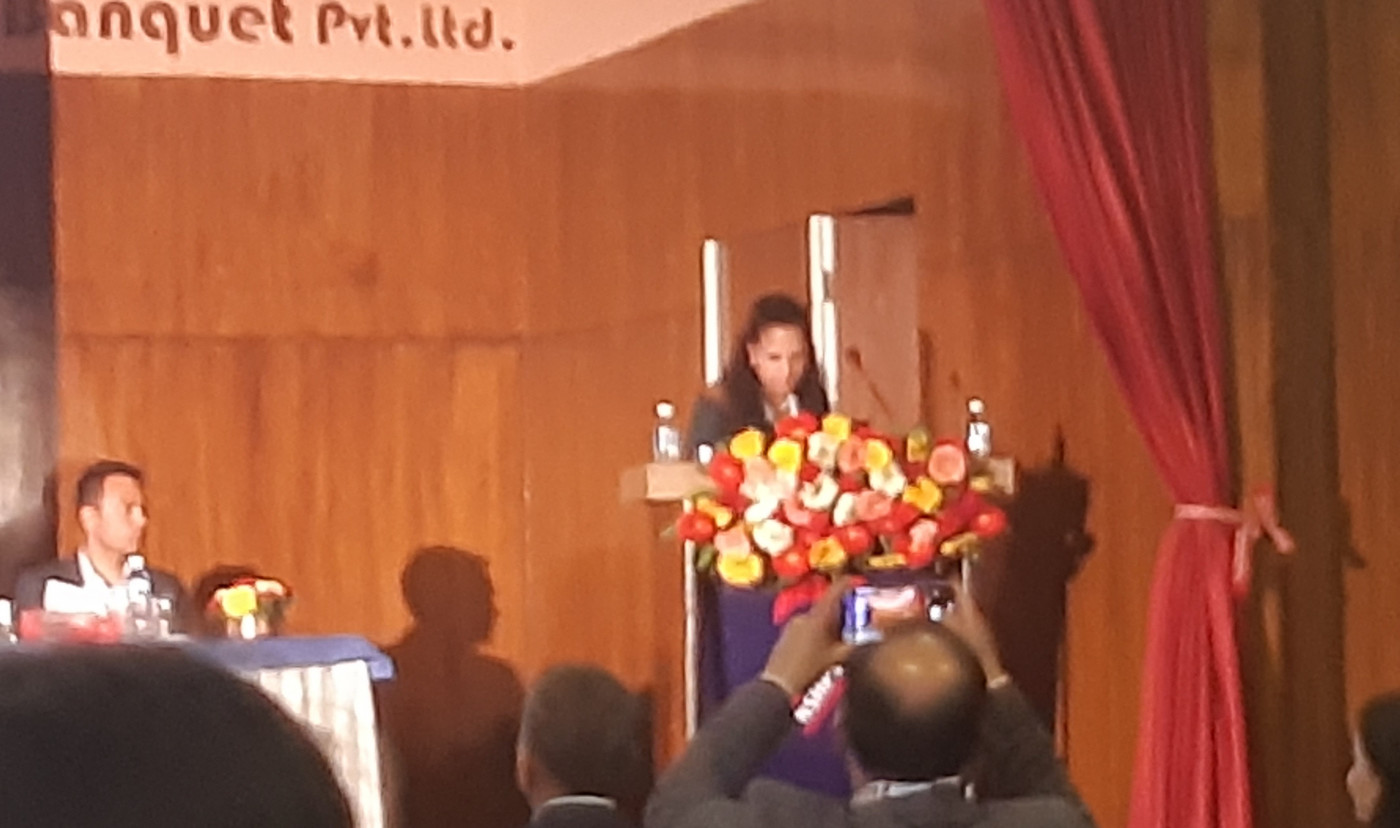
 Yesterday (April 11th) Dr. Bibha Simkhada presented key findings from our research project on ‘Cultural practice and policy in dementia care in Nepal’. She spoke at the ‘Ninth National Summit of Health and Population Scientists in Nepal’. This annual health summit in Kathmandu is organised by the NHRC (Nepal Health Research Council). Dr. Simkhada, who is Visiting Faculty in the Faculty of Health & Social Sciences (FHSS), started this work whilst at Bournemouth University, before she moved to the University of Huddersfield to become a Senior Lecturer in Nursing. This project is a cross-faculty collaboration with Dr. Shanti Shanker in the Department of Psychology.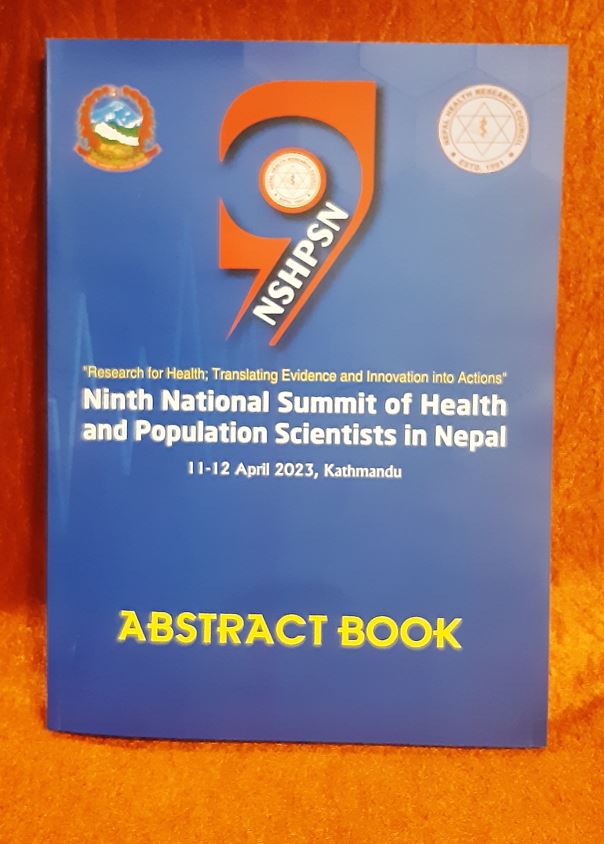
This qualitative study comprising four face-to-face interviews and four focus groups with carers, health workers and other stakeholders. The two key conclusion she presented are:
- Stigma and stereotyping around dementia needs addressing. Nepal needs better policies, guidelines and service provision for people living with dementia and their carers.
- There is need for inclusion of Dementia/Alzheimer education in undergraduate and postgraduate curricula of nurses, doctors and allied health professionals in Nepal.
Prof. Edwin van Teijlingen
Centre for Midwifery, Maternal & Perinatal Health (CMMPH)
 Summit of Health & Population Scientists in Nepal 2022
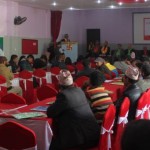 Two FHSS conference presentations in Nepal
 Establishing an evidence-based centre in Nepal
 Health & migration research in Nepal & India #BUFoL18







 National Postdoc Appreciation Week 2026: The Changing Landscape of Postdoc Careers
 NIHR Insight South West Central Conference 2026 at Bournemouth University
 BU PhD student presented at World Safety Conference in South Africa
 National Research Supervision Recognition: Apply Now & Join the Supporting Workshop on 16 September
 Horizon Europe Cluster 3 (Civil Security for Society) 2026 Calls Now Open
 MSCA Doctoral Networks 2026 Call Information Webinar
 ESRC Festival of Social Science 2026: Application Deadline Extended to Thursday 25 June 2026
 Reminder: Register for the ESRC Festival of Social Science 2026 Information Session
 ECR Funding Open Call: Research Culture & Community Grant – Apply now
 ERC Advanced Grant 2025 Webinar
 Update on UKRO services
 European research project exploring use of ‘virtual twins’ to better manage metabolic associated fatty liver disease