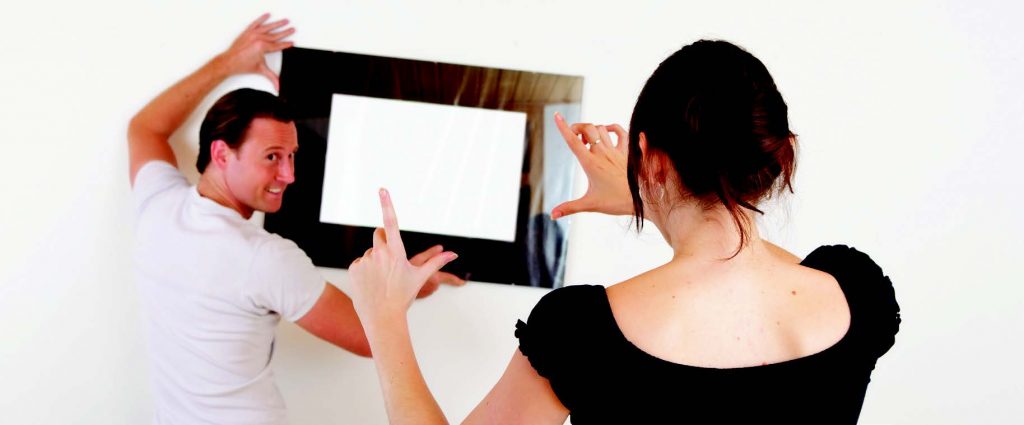
Café Scientifique takes place on the first Tuesday evening of the month at Café Boscanova
Enjoy listening to a short talk from our guest speaker before engaging in debate and discussion around that topic.
We’ll be joined by Dr Sharon Docherty on Tuesday 4 February 7:30-9pm (doors open at 6:30pm) No need to book, make sure you get there early though as seats fill up fast!
Crooked picture frames and ageing of perception
How we experience the environment around us involves the brain combining information from our different sensory systems. Something as ‘simple’ as staying upright involves signals from our inner ears, joints and eyes. Join us to discover how our perception of upright changes throughout our lifetime, and how different medical conditions can affect this. It may also make you reconsider whether your picture frames are straight.
 If you have any questions please do get in touch
Find out more about Café Scientifique and sign up to our mailing list to hear about other research events: www.bournemouth.ac.uk/cafe-sci
 Cafe Scientifique: Crooked picture frames and ageing of perception
 Café Sci – Tuesday 7 February 2023: Challenging news negativity







 3C Event: ECR Network Café – Wednesday 16 September 2-3pm
 BU geography student’s undergraduate dissertation published in international journal
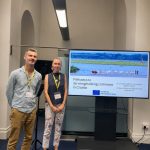 Why some commons survive and others don’t
 BU Research blog in 2023 grows into 2026 publication
 REF 2029 Sector Survey: Have Your Say
 BU methods paper reached 2,500 reads
 Horizon Europe Cluster 3 (Civil Security for Society) 2026 Calls Now Open
 MSCA Doctoral Networks 2026 Call Information Webinar
 ESRC Festival of Social Science 2026: Application Deadline Extended to Thursday 25 June 2026
 Reminder: Register for the ESRC Festival of Social Science 2026 Information Session
 ECR Funding Open Call: Research Culture & Community Grant – Apply now
 ERC Advanced Grant 2025 Webinar
 Update on UKRO services
 European research project exploring use of ‘virtual twins’ to better manage metabolic associated fatty liver disease