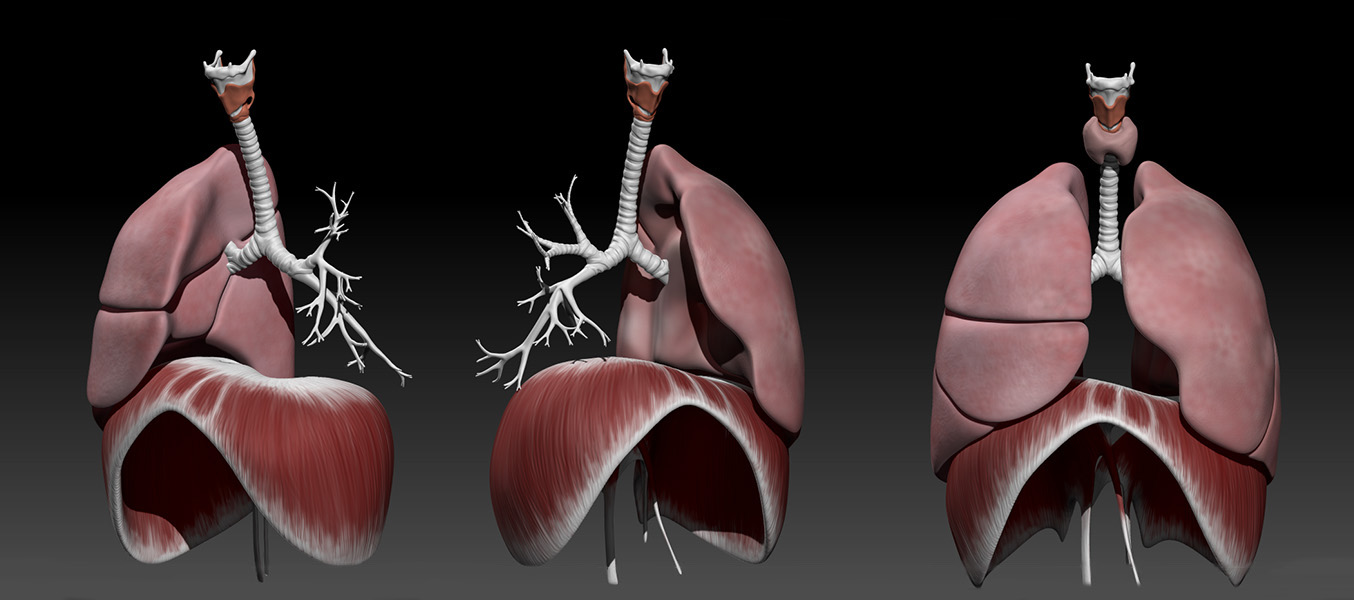
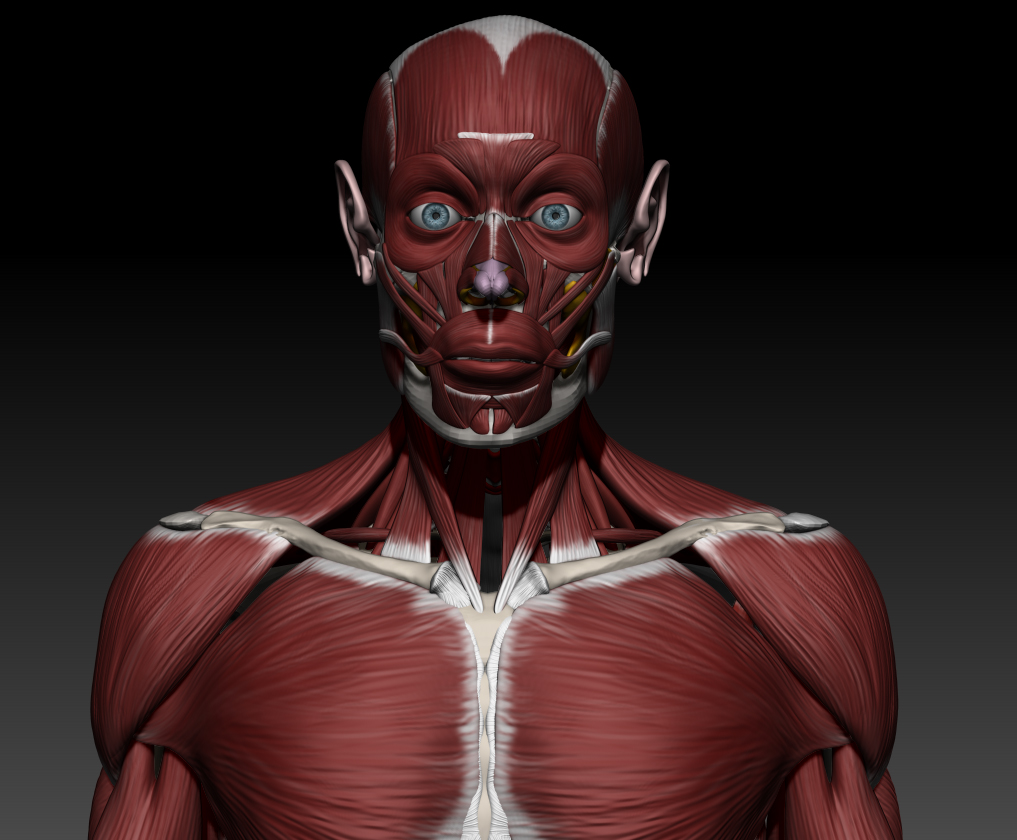
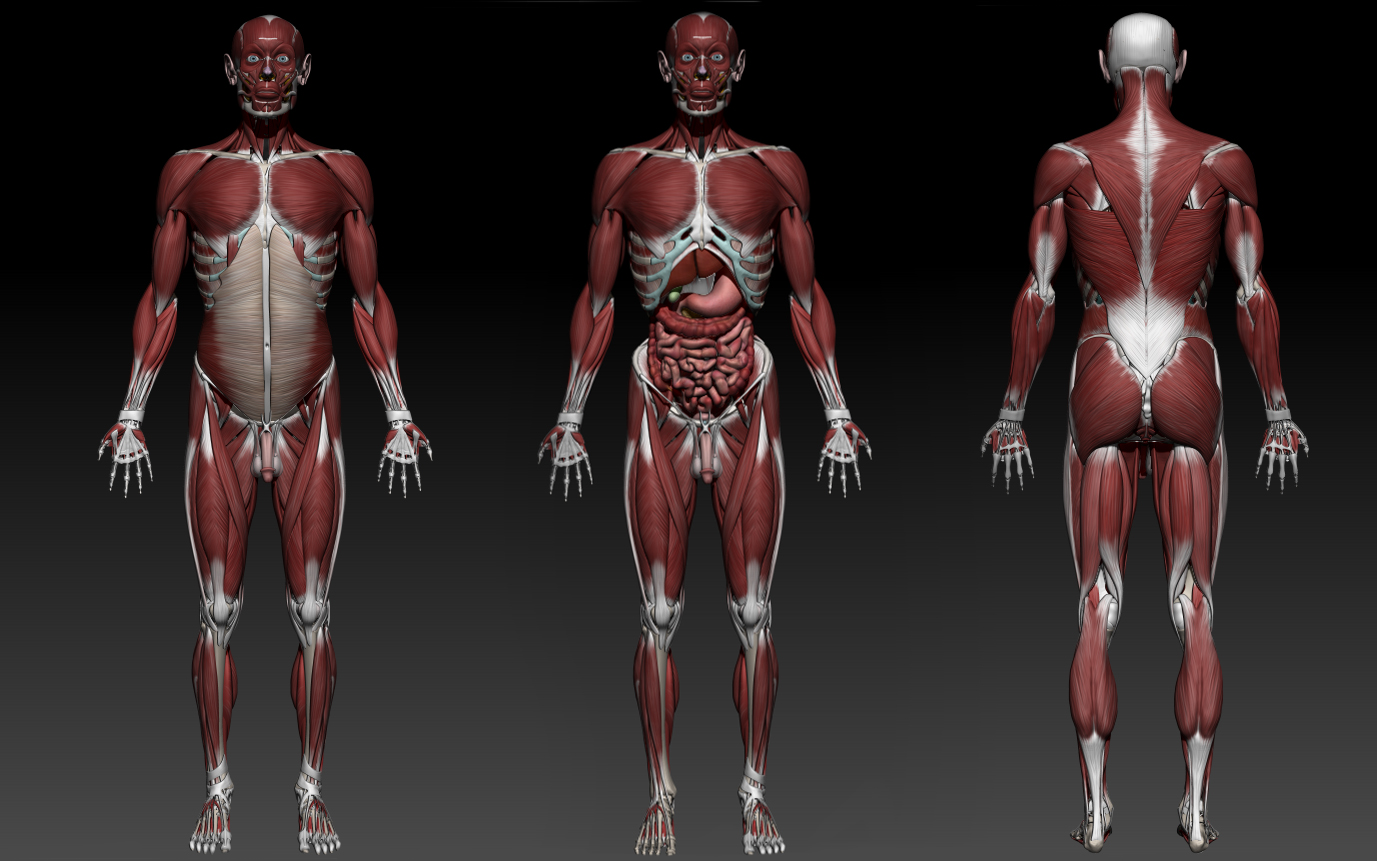
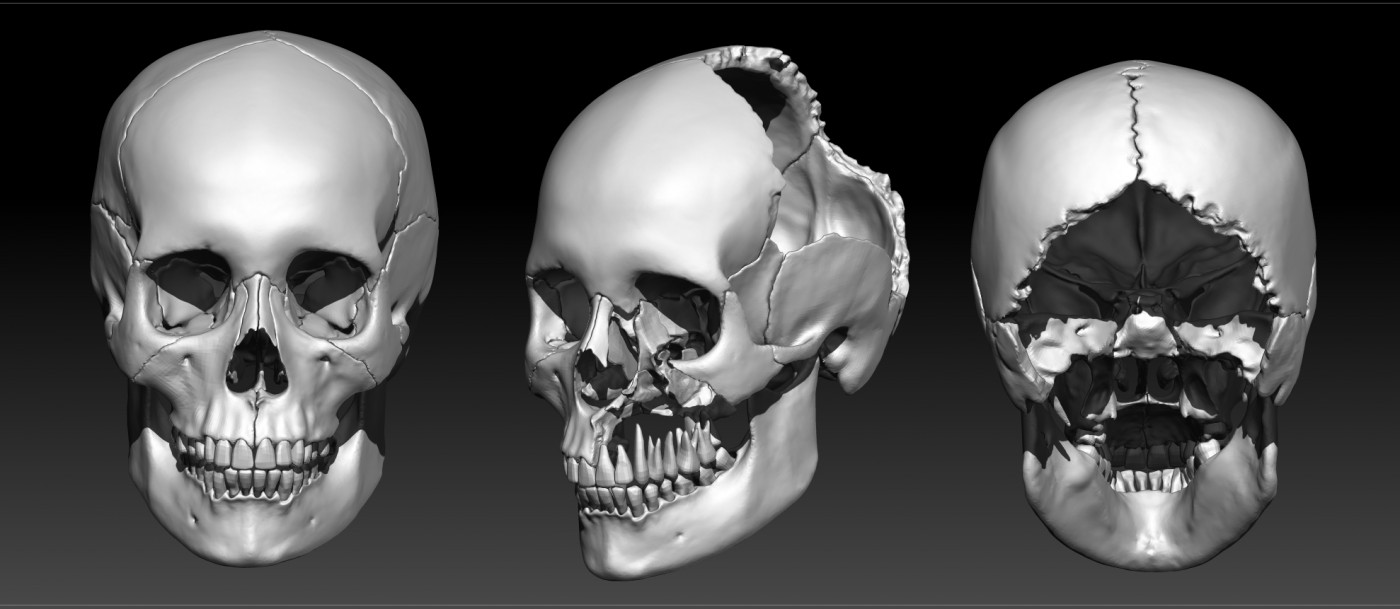
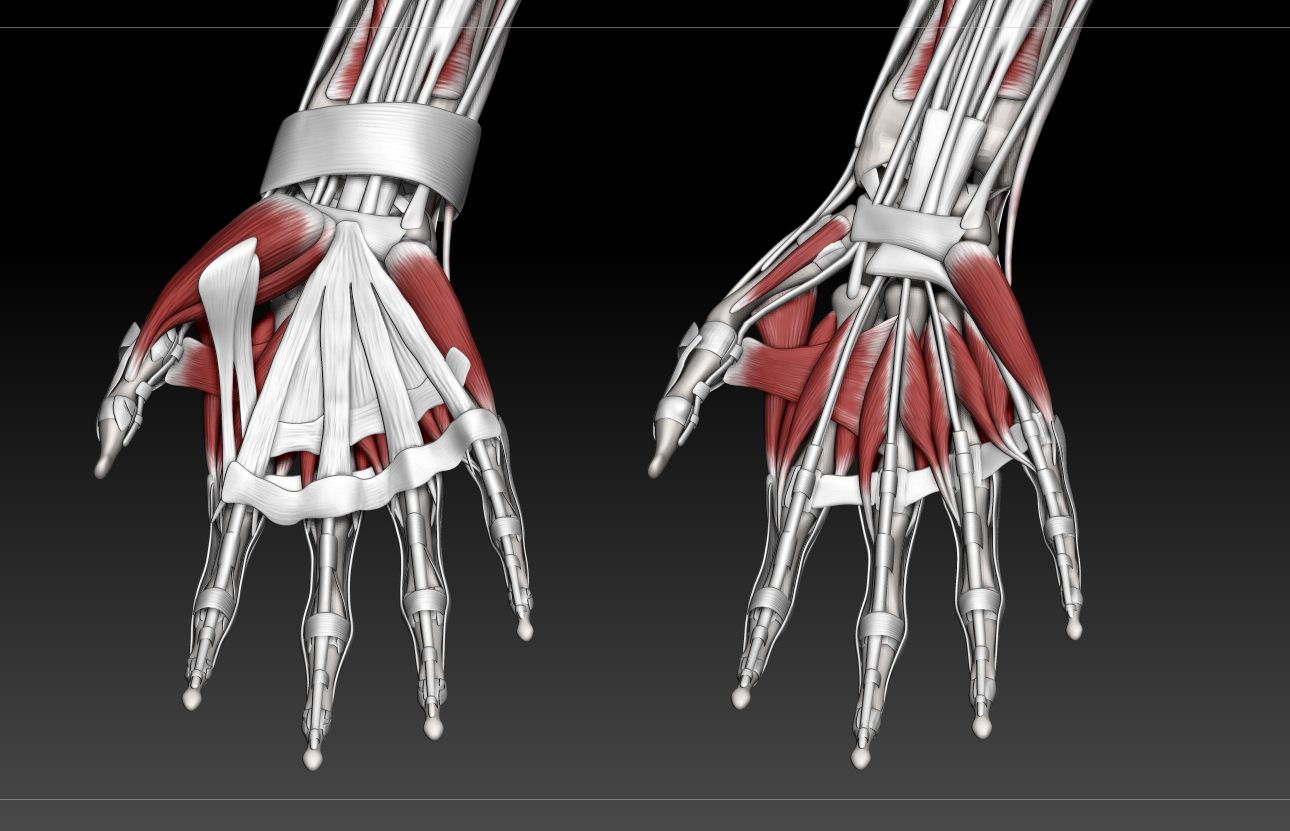
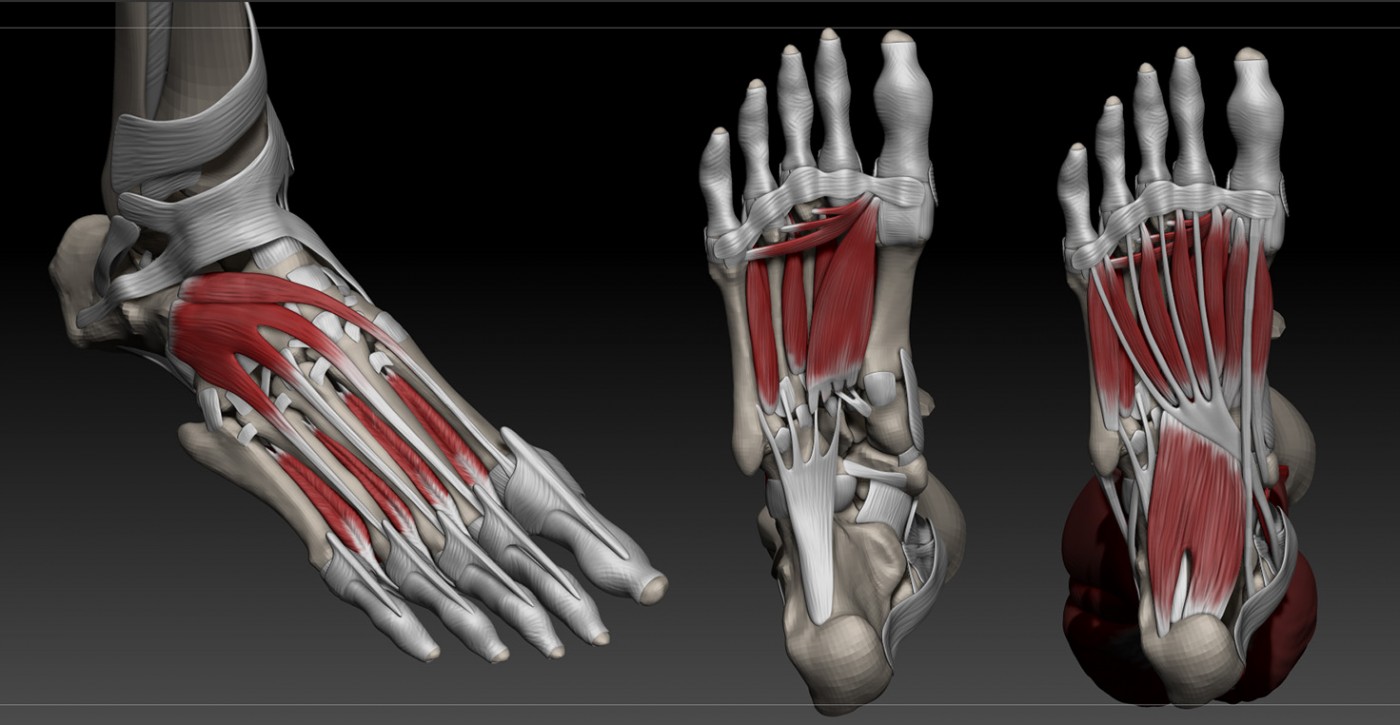
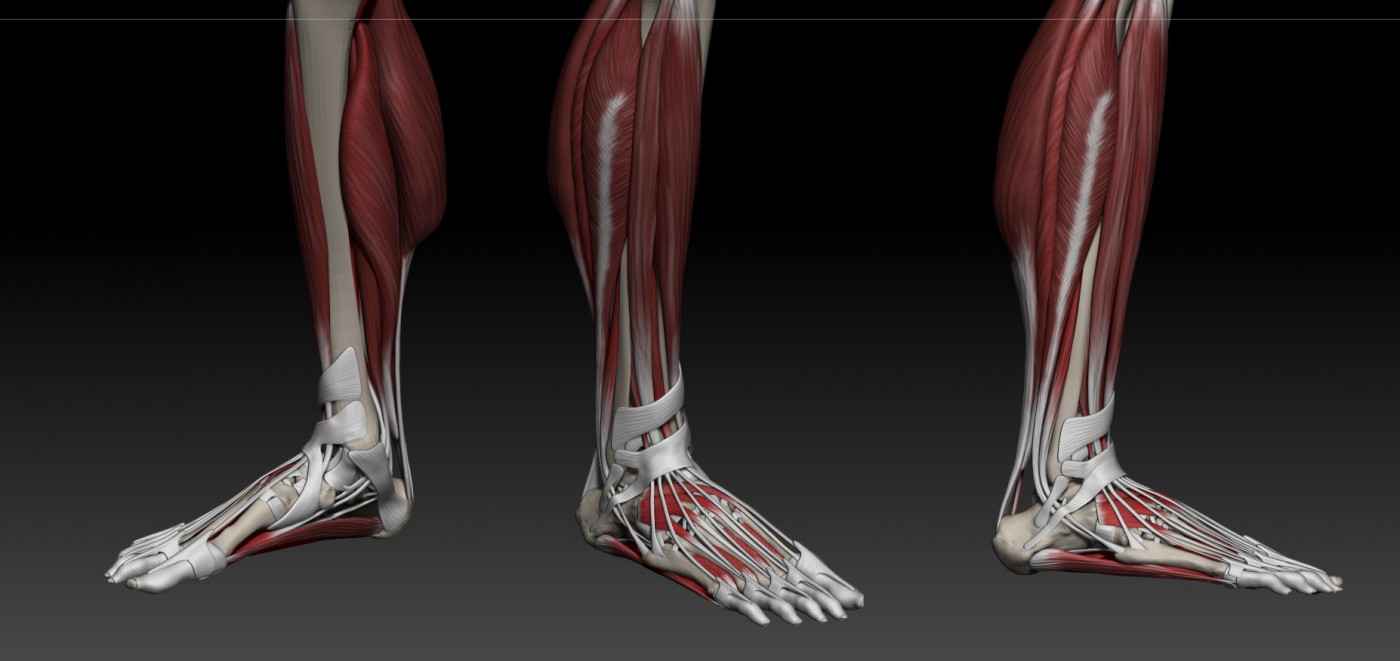
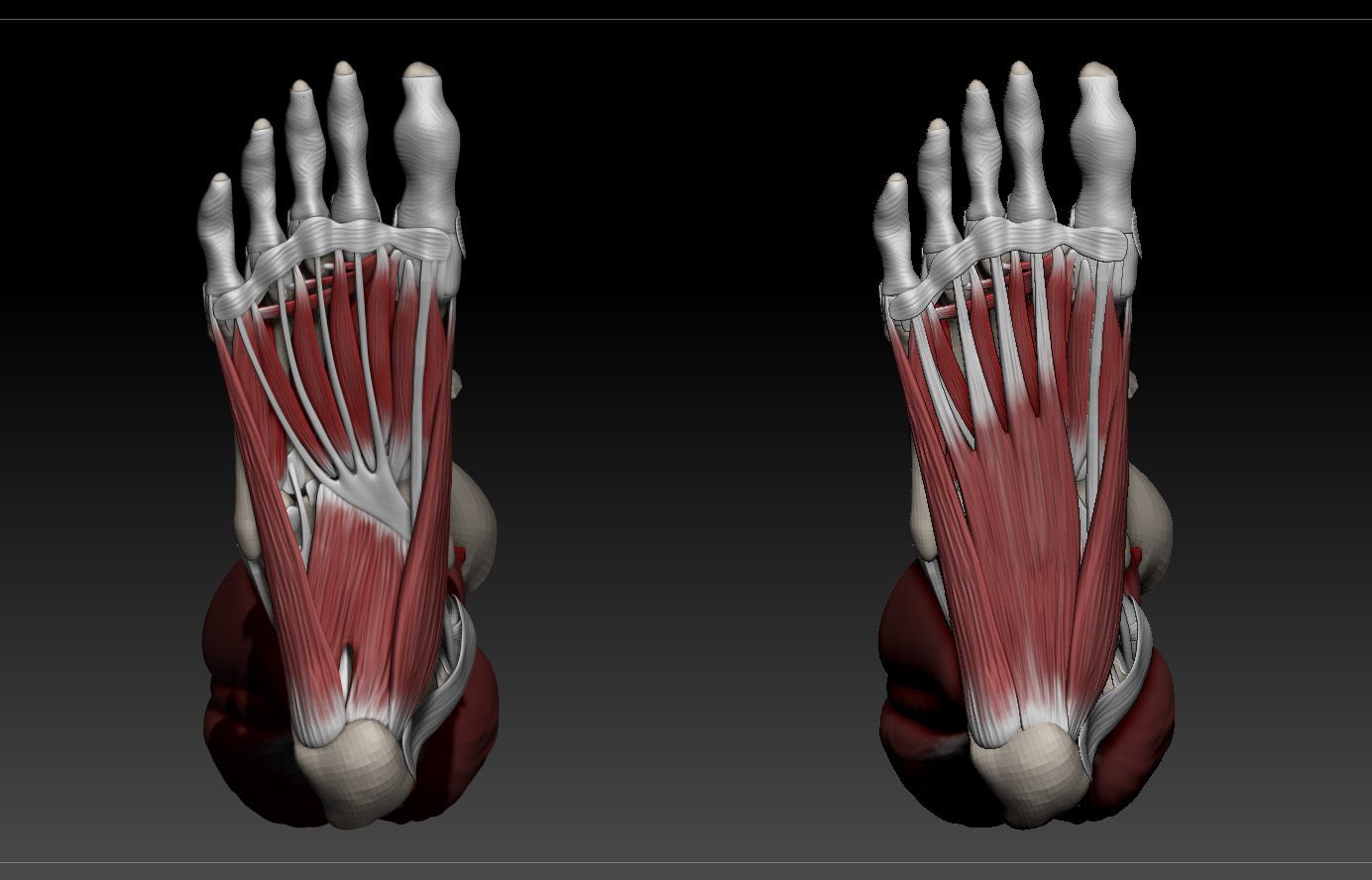
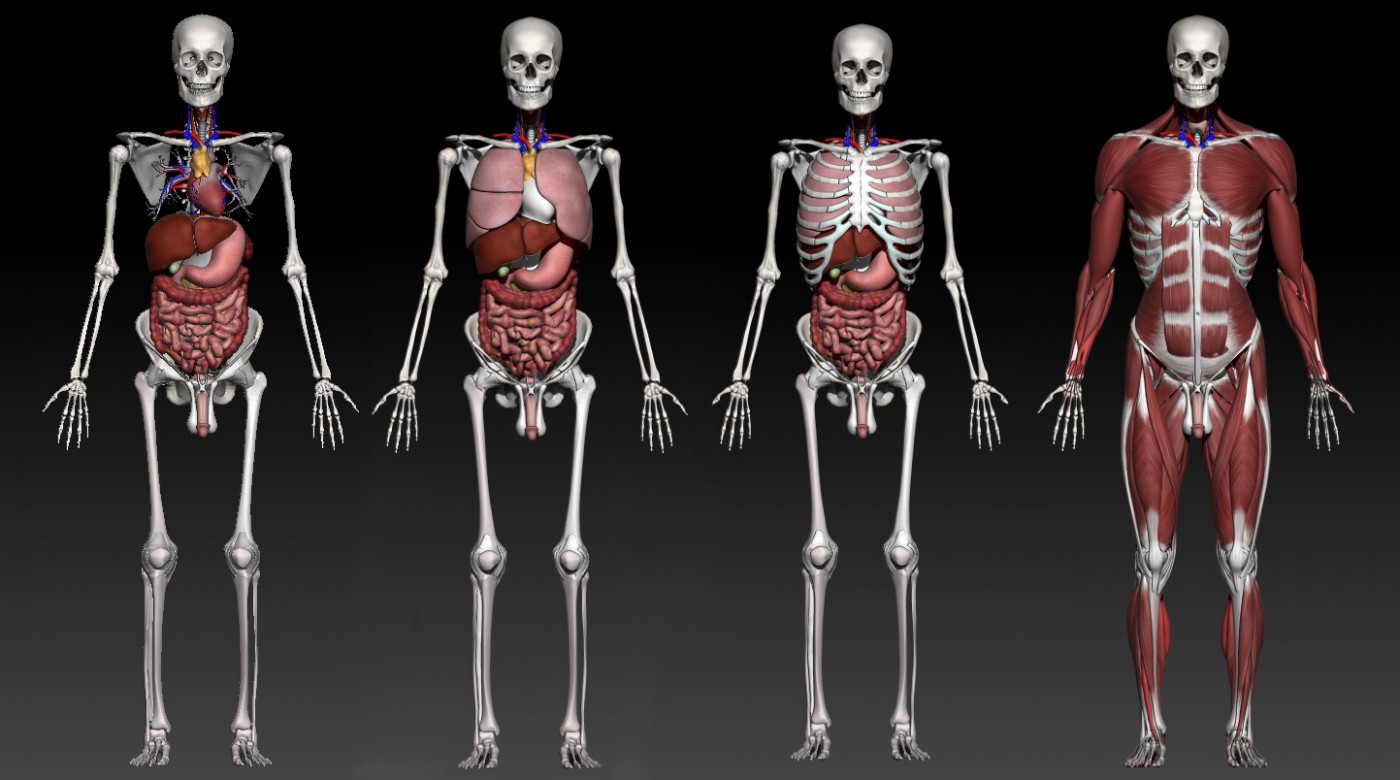
As one of the products from the HEIF6 Project, our team has developed a wide collection of digital assets to represent human anatomy. The understanding of human anatomy is vital to the delivery of healthcare. For medical students, this necessary awareness of anatomy and 3D spatial orientation is traditionally learned through cadaveric dissection. This is expensive and has practical as well as ethical constraints to available teaching time. The digital models can be used as assets for interdisciplinary research between the fields of Arts, Science and Healthcare. We welcome ideas from the BU community for proposals of novel use cases, research, grant applications and availability as teaching tools or base models for complex animation techniques.
Contact:
Learn more about the available assets and how to collaborate with the Neuravatar team by contacting Dr Xiaosong Yang (xyang@bournemouth.ac.uk) or Dr. Rupert Page (Rupert.Page@poole.nhs.uk).
👀 A glance at the 3D models available so far 👀

 Failing to publish data from clinical trials presents risk to human health







 3C Event: Research Culture, Community & Connections – Wednesday 11 November 3-4pm
 ECR Opportunities: New Development Programme, Researcher Grants & Upcoming Events
 Help us capture BU’s knowledge exchange activity HE-BCI survey 2025–26
 Verbal autopsy paper published two days ago
 ESRC Studentships for 2027 Entry: Opportunity Now Open
 Horizon Europe Cluster 3 (Civil Security for Society) 2026 Calls Now Open
 MSCA Doctoral Networks 2026 Call Information Webinar
 ESRC Festival of Social Science 2026: Application Deadline Extended to Thursday 25 June 2026
 Reminder: Register for the ESRC Festival of Social Science 2026 Information Session
 ECR Funding Open Call: Research Culture & Community Grant – Apply now
 ERC Advanced Grant 2025 Webinar
 Update on UKRO services
 European research project exploring use of ‘virtual twins’ to better manage metabolic associated fatty liver disease