 NERC will scope three new areas for potential large-scale strategic research investments over spring 2016:
- fundamental ecological research for sustainable resource exploitation in the deep ocean
- Southern Ocean’s role in the Earth system
- subsurface-surface coupled processes associated with UK unconventional hydrocarbon extraction.
These potential ‘strategic programme areas’ (SPAs) have emerged from the ideas process for strategic research, where NERC captures and builds on ideas for excellent strategic science coming directly from the environmental science community. 2015 saw the second cut-offs for ideas for strategic research, with 21 ideas received for SPAs.
NERC’s Strategic Programme Advisory Group (SPAG) reviewed the ideas and used a number of them to generate the proposals for SPAs that were considered by NERC’s Science Board. NERC will shortly publish open calls for community members to join the SPA scoping groups, which will develop full cases for assessment and funding decisions in summer 2016.
They do not expect to be able to fund all three potential SPAs, and any potential SPA must meet NERC’s criteria for a strategic programme, so it is possible that none of these three potential SPAs will result in funded programmes. Open announcements of opportunity for research proposals will follow, for any strategic programme that is approved.







 Verbal autopsy paper published two days ago
 ESRC Studentships for 2027 Entry: Opportunity Now Open
 SONAMONI contributions to Safety Conference 2026 in South Africa
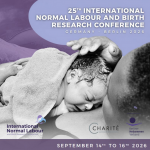 Three CMWH presentations at Berlin conference
 Horizon Europe Cluster 3 (Civil Security for Society) 2026 Calls Now Open
 MSCA Doctoral Networks 2026 Call Information Webinar
 ESRC Festival of Social Science 2026: Application Deadline Extended to Thursday 25 June 2026
 Reminder: Register for the ESRC Festival of Social Science 2026 Information Session
 ECR Funding Open Call: Research Culture & Community Grant – Apply now
 ERC Advanced Grant 2025 Webinar
 Update on UKRO services
 European research project exploring use of ‘virtual twins’ to better manage metabolic associated fatty liver disease