In the current virtual world where we are trying to get used to of this ‘new normal’ life, it was encouraging to attend the virtual ‘Service Excellence Conference’ with award-winning public speaker, Nigel Risner, thanks to Susanne Clarke and Camila Devis-Rozentel for organising this. The conference was well attended and it was great to see colleagues from across the University on this platform. Apart from understanding your team members via a zoo analogy, it was interesting to hear Nigel’s take on ‘becoming a champion’ (if you are not one already). I can see its relevance to my role as an educator and a Programme Leader to make a positive impact. Following is my brief take away from the day which you may also find useful:
Character: Knowing who you are and what do you stand for, ultimately will help to be authentic.
Heart is the key. It is utmost important to be a good listener in order to help/advice/support others.
Attitude: Positive attitude goes a long way.
Mission: We are phenomenal people, teaching phenomenal people to produce phenomenal results.
Perseverance: Consistency is the key.
Integrity: Honesty is the best policy.
Organisation skills: Team work is the dream work.
Nerve: I will try again tomorrow.
Have a good weekend 🙂

 Service Excellence Conference: Academic Strand







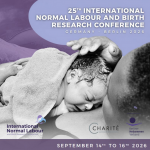 Three CMWH presentations at Berlin conference
 New interdisciplinary paper on Nepal
 National Postdoc Appreciation Week 2026: The Changing Landscape of Postdoc Careers
 NIHR Insight South West Central Conference 2026 at Bournemouth University
 Horizon Europe Cluster 3 (Civil Security for Society) 2026 Calls Now Open
 MSCA Doctoral Networks 2026 Call Information Webinar
 ESRC Festival of Social Science 2026: Application Deadline Extended to Thursday 25 June 2026
 Reminder: Register for the ESRC Festival of Social Science 2026 Information Session
 ECR Funding Open Call: Research Culture & Community Grant – Apply now
 ERC Advanced Grant 2025 Webinar
 Update on UKRO services
 European research project exploring use of ‘virtual twins’ to better manage metabolic associated fatty liver disease