Clinical Placement Expansion and Capacity and the creation of innovative solutions to supporting learning during the Covid-19 pandemic were just some of the themes at the HEE South West Good Practice Event that Emma Böckle & Lucy Stainer presented their work at this week. The virtual conference was a showcase of educational ideas that demonstrated innovations in training our current and future healthcare workforce across the South-West.
Their poster presentation compiled together with Amanda Watson and Desi Tait identified “The creation of a Virtual Locality Placement that enabled student nurses to achieve practice hours during the pandemic”. A 5-minute presentation generated questions and discussion regarding the implementation of the locality placement within the programme and the positive practice learning students had identified from this experience.
The sharing of good practice throughout the day was thought provoking and encouraging in promoting the way forward for multi-professional learning and working across the region. Access to posters and recording are available up to 1 month after conference, and you can view on link below:
https://healtheducationengland.sharepoint.com/sites/QGPE21-SW







 SONAMONI contributions to Safety Conference 2026 in South Africa
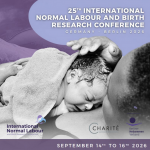 Three CMWH presentations at Berlin conference
 New interdisciplinary paper on Nepal
 Horizon Europe Cluster 3 (Civil Security for Society) 2026 Calls Now Open
 MSCA Doctoral Networks 2026 Call Information Webinar
 ESRC Festival of Social Science 2026: Application Deadline Extended to Thursday 25 June 2026
 Reminder: Register for the ESRC Festival of Social Science 2026 Information Session
 ECR Funding Open Call: Research Culture & Community Grant – Apply now
 ERC Advanced Grant 2025 Webinar
 Update on UKRO services
 European research project exploring use of ‘virtual twins’ to better manage metabolic associated fatty liver disease