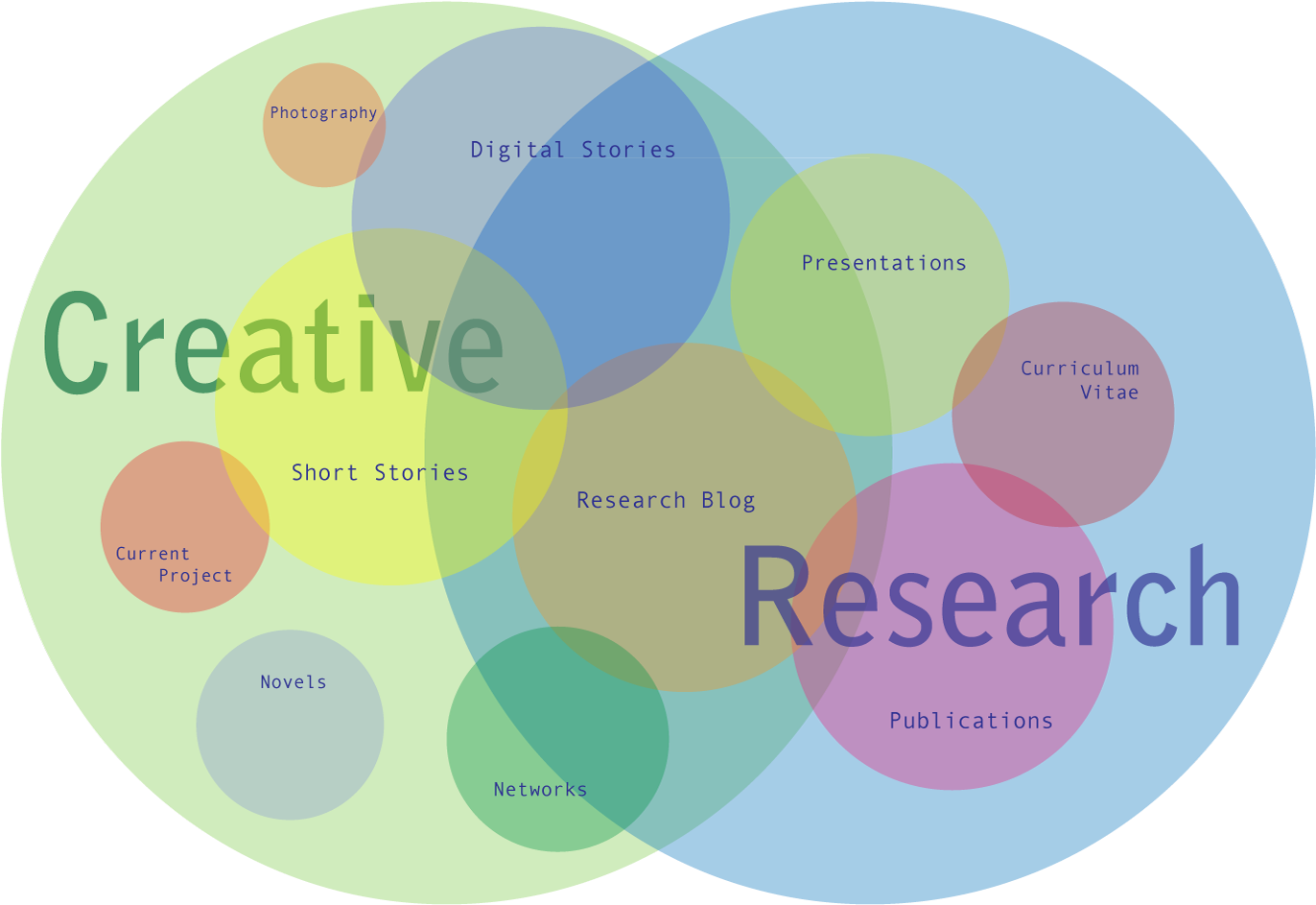
I am delighted to announce that as of this week Dr. Lyle Skains joins us in FMC, Department of Communication & Journalism, as a Senior Lecturer in Health & Science Communication. Lyle researches and teaches Creative Digital Writing and Science Communication, conducting practice-based research into writing, reading/playing, publishing digital and transmedia narratives, and how these can be used for health and science communication. Her recent digital fiction includes No World 4 Tomorrow for the You & CO2 project, and Only, Always, Never for the Infectious Storytelling project; both works were designed to effect social change. She is the founder of Wonderbox Publishing, which publishes speculative digital fiction, aiming to explore innovations in digital and online publishing and creativity. Her digital fiction can be found at lyleskains.com; articles in Convergence, Digital Creativity, and Computers and Composition; and books with Cambridge UP (Digital Authorship), forthcoming Emerald (interdisciplinary scicomm) and Bloomsbury (convergent evolution of mainstream digital fiction).
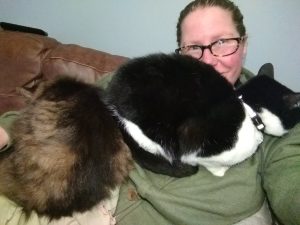
Dr. Skains was appointed under the BU Academic Targeted Research Scheme and will be collaborating with colleagues in the department, faculty, university and beyond to support the further development of our innovative and world-leading scholarship in the areas of Health and Science Communication. You can drop her a line to set up a virtual coffee lskains@bournemouth.ac.uk.








 National Postdoc Appreciation Week 2026: The Changing Landscape of Postdoc Careers
 NIHR Insight South West Central Conference 2026 at Bournemouth University
 BU PhD student presented at World Safety Conference in South Africa
 National Research Supervision Recognition: Apply Now & Join the Supporting Workshop on 16 September
 Horizon Europe Cluster 3 (Civil Security for Society) 2026 Calls Now Open
 MSCA Doctoral Networks 2026 Call Information Webinar
 ESRC Festival of Social Science 2026: Application Deadline Extended to Thursday 25 June 2026
 Reminder: Register for the ESRC Festival of Social Science 2026 Information Session
 ECR Funding Open Call: Research Culture & Community Grant – Apply now
 ERC Advanced Grant 2025 Webinar
 Update on UKRO services
 European research project exploring use of ‘virtual twins’ to better manage metabolic associated fatty liver disease