
Why Do We Yawn? – NEXT CAFE SCIENTIFIQUE – TUESDAY 5th FEBRUARY
Yawning consistently poses a conundrum to the medical profession. Myths about why we yawn include helping us breathe better, refreshing our lungs, and gaining more oxygen for the blood stream. In fact, yawning is more of a mystery to us than we first thought; research at Bournemouth University has revealed some curious findings that may lead to new help in the diagnosis of neurological disorders in the future.
This talk will be given by Dr Simon B N Thompson, Associate Professor of Clinical Psychology & Neuropsychology, Psychology Research Centre & Dementia Institute, Bournemouth University
Doors open at Café Boscanova at 6.30pm – 650 Christchurch Rd, Bournemouth, BH1 4BP (get there early to secure a seat!), and the talk will start at around 7.30pm. Drinks and light snacks will be available for sale.
Cafe Scientifique is a place where, for the price of a cup of coffee or a glass of wine, anyone can come to explore the latest ideas in science and technology. Enjoy listening to a short talk from a guest speaker before engaging in debate and discussion around the topic. You can find out more here or by visiting the Cafe Scientifique website.






 Verbal autopsy paper published two days ago
 ESRC Studentships for 2027 Entry: Opportunity Now Open
 SONAMONI contributions to Safety Conference 2026 in South Africa
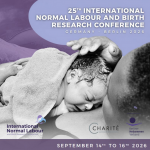 Three CMWH presentations at Berlin conference
 Horizon Europe Cluster 3 (Civil Security for Society) 2026 Calls Now Open
 MSCA Doctoral Networks 2026 Call Information Webinar
 ESRC Festival of Social Science 2026: Application Deadline Extended to Thursday 25 June 2026
 Reminder: Register for the ESRC Festival of Social Science 2026 Information Session
 ECR Funding Open Call: Research Culture & Community Grant – Apply now
 ERC Advanced Grant 2025 Webinar
 Update on UKRO services
 European research project exploring use of ‘virtual twins’ to better manage metabolic associated fatty liver disease