On Monday 27 January the Digital Communications Team will integrate the new research web pages into the main BU site.
This will include a link from the homepage and from the School pages. (School copy has been developed with the Deans and DDRs to introduce the new site, provide an overview of the School’s research and outline the research themes the School is involved in).
The Digital Communications Team will also start removing the old research pages on Monday. This will include removing the research centre pages, which have either been moved to the new site, elsewhere, or identified as no longer required.
In addition to notification from Professor Matthew Bennett and the Schools, the research website team have tried to speak to all staff in person to ensure required content is moved across and outdated content is removed. This has been a massive exercise and apologies if we have missed anyone. If you do have any concerns regarding your pages, please email the website team as soon as possible. All old content will be moved onto an internal BU server, where it will be kept for a period of six months before being finally deleted.
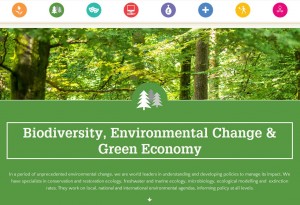
Feedback from researchers already using the new site is that it is very flexible, quick and easy to use and allows easy integration of a variety of different media content types.
If you would like to find out more about using the new site or joining us for a training session, please read my blog post from earlier in the week.







 ECR Opportunities: New Development Programme, Researcher Grants & Upcoming Events
 Help us capture BU’s knowledge exchange activity HE-BCI survey 2025–26
 Verbal autopsy paper published two days ago
 ESRC Studentships for 2027 Entry: Opportunity Now Open
 SONAMONI contributions to Safety Conference 2026 in South Africa
 Horizon Europe Cluster 3 (Civil Security for Society) 2026 Calls Now Open
 MSCA Doctoral Networks 2026 Call Information Webinar
 ESRC Festival of Social Science 2026: Application Deadline Extended to Thursday 25 June 2026
 Reminder: Register for the ESRC Festival of Social Science 2026 Information Session
 ECR Funding Open Call: Research Culture & Community Grant – Apply now
 ERC Advanced Grant 2025 Webinar
 Update on UKRO services
 European research project exploring use of ‘virtual twins’ to better manage metabolic associated fatty liver disease