
Tuesday 18th June 09:00 – 16:30 Talbot Campus
The choice of the most appropriate methodology to use is crucial to a project’s success and requires the researcher to have a sound grasp of the alternative approaches available to them. This workshop explores creative and arts-based methods, research using technology, mixed methods, transformative research frameworks, creative data analysis, and will involve designing research and preparing a presentation.
The aim of the workshop is to provide you with an increased awareness of the four pillars of creative research methods; help you assess which methods may be most appropriate in your research practice; and give you increased confidence in the use of creative research methods .
More information and the link for bookings are on the staff intranet.
Dr. Helen Kara has been an independent research since 1999. She has a background of employment in the private, public, and voluntary sectors, and now undertakes commissioned research and evaluation, mainly for public and voluntary sector organisations and partnerships. Her research areas are social care, health, and the voluntary/third sector.
 Creative Research Methods







 Verbal autopsy paper published two days ago
 ESRC Studentships for 2027 Entry: Opportunity Now Open
 SONAMONI contributions to Safety Conference 2026 in South Africa
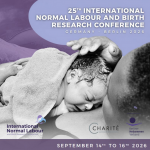 Three CMWH presentations at Berlin conference
 Horizon Europe Cluster 3 (Civil Security for Society) 2026 Calls Now Open
 MSCA Doctoral Networks 2026 Call Information Webinar
 ESRC Festival of Social Science 2026: Application Deadline Extended to Thursday 25 June 2026
 Reminder: Register for the ESRC Festival of Social Science 2026 Information Session
 ECR Funding Open Call: Research Culture & Community Grant – Apply now
 ERC Advanced Grant 2025 Webinar
 Update on UKRO services
 European research project exploring use of ‘virtual twins’ to better manage metabolic associated fatty liver disease