Mel Hughes, associate professor in social work and deputy director of the Research Centre for Seldom Heard Voice; Stevie Corbin-Clarke, research assistant based within the National Centre for Post Qualifying Social Work and Research Centre for Seldom Heard Voices; and Peter Greensmith, chair, NHS England South West Transformation Patient Reference Group and previous chair of Weymouth and Portland Patient Participation Groups (PPGs) have had their paper ‘Insights into patient voices on digital access to health care’ published in the Journal of Community Nursing.
The paper analyses research that was conducted around the impact of digital exclusion on people at risk of marginalisation. Read this paper and others in the August/September edition issue, here: https://www.jcn.co.uk/journals/latest-issue/jcn
The research, commissioned by National Voices (a coalition of 170 health and care charities in England), also informed a national report exploring the impact of digital exclusion on access to services. You can find the report, here: https://www.nationalvoices.org.uk/publications/our-publications/unlocking-digital-front-door-keys-inclusive-healthcare
 Research funding for behavioural insights in health care – New call from the Health Foundation
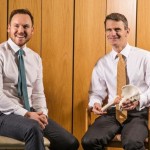 Lifelong health and wellbeing: improving orthopaedic practice and patient care







 Verbal autopsy paper published two days ago
 ESRC Studentships for 2027 Entry: Opportunity Now Open
 SONAMONI contributions to Safety Conference 2026 in South Africa
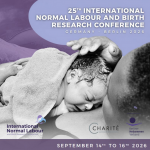 Three CMWH presentations at Berlin conference
 Horizon Europe Cluster 3 (Civil Security for Society) 2026 Calls Now Open
 MSCA Doctoral Networks 2026 Call Information Webinar
 ESRC Festival of Social Science 2026: Application Deadline Extended to Thursday 25 June 2026
 Reminder: Register for the ESRC Festival of Social Science 2026 Information Session
 ECR Funding Open Call: Research Culture & Community Grant – Apply now
 ERC Advanced Grant 2025 Webinar
 Update on UKRO services
 European research project exploring use of ‘virtual twins’ to better manage metabolic associated fatty liver disease