Category / research opportunities

Starting with Uncertainty: Teaching Technology Entrepreneurship Through Civic Immersion

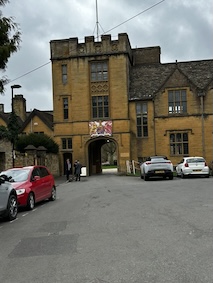
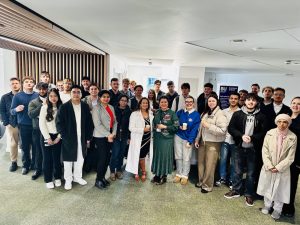
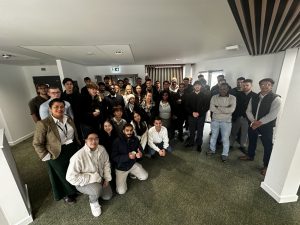
MBA students on Bournemouth University’s Level 7 unit Entrepreneurship: Technology-Driven Ventures & User-Centred Business Solutions began their learning journey not in a lecture theatre, but in Sherborne, Dorset at the stunning Sherborne Boys School.

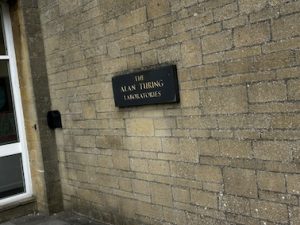
Hosted by the steering committee behind the emerging Turing Centre initiative,  our students were immersed in a live civic project inspired by the legacy of Alan Turing. The Turing Centre vision is explicitly future-facing: to inspire young people in digital technology, create an innovation hub and enterprise zone, support pathways into employment and skills, and function as a social, cultural, and economic asset for Sherborne and beyond . Rather than analysing this as a completed case , students encountered an evolving initiative shaped by institutional constraints, funding realities, stakeholder ambitions, and technological uncertainty. After exploring Sherborne’s historical and civic context, they worked in teams on four strategic challenges: translating vision into a viable business model, developing fundraising logic, shaping promotion and positioning, and evaluating financial, economic, and social sustainability. Their proposals were presented directly to members of the steering group.

This was not accidental. It reflects a deliberate pedagogical choice.

Entrepreneurship education has, for some time now, been trying to move beyond the “inspiration” model,  the idea that if students feel energised enough, something entrepreneurial will magically happen. Contemporary scholarship instead emphasises competence, judgement and disciplined practice (Neck & Corbett, 2018). Hägg and Gabrielsson’s (2020) systematic review traces this shift clearly: from knowledge transmission to experiential and practice-based designs. But they also sound a note of caution. Experience alone is not enough. Without theoretical integration, it risks becoming energetic but shallow.

Kolb’s (1984) experiential learning cycle — experience, reflection, conceptualisation, experimentation — is frequently invoked in business education. Yet critics have long warned that “learning by doing” can quietly become “doing without thinking” (Kayes, 2002). Morris (2020) similarly argues that Kolb’s framework is often applied in a simplified manner, neglecting the epistemic depth required for higher-order learning. In other words, activity is not the same as analysis.

The Sherborne engagement was therefore designed not as a field trip in the traditional sense, nor as consultancy theatre, but as structured immersion before interrogation. Students encountered ambiguity first; stakeholder tensions, funding constraints, institutional realities, technological ambition, and only afterwards will they begin systematically analysing what they have seen. Over the two weeks beginning 2 March, that initial immersion will be subjected to scrutiny. Entrepreneurship theory, user-centred design frameworks, and sustainability debates will not sit alongside the experience; they will probe it. Assumptions made in Sherborne will be tested. Enthusiasm will be examined. Gaps in evidence will be exposed.

Assessment design is crucial in holding this intellectual line. Research on authentic assessment demonstrates that tasks resembling professional practice enhance capability only when academic standards remain explicit and evaluative judgement is foregrounded (Villarroel et al., 2018). In this unit, students are required not merely to propose a technology-enabled, user-centred venture, but to justify its feasibility, scalability, ethical implications, and community impact through scholarly argument.

This matters particularly in technology entrepreneurship, where uncertainty, adoption dynamics and unintended consequences are structural features rather than unfortunate accidents. Pittaway and Cope (2007) argue that effective entrepreneurship education must expose learners to uncertainty while supporting reflective sensemaking. The Sherborne visit functions precisely as such a productive disorientation.

For this MBA cohort, Sherborne now becomes an anchor point. They are not beginning with abstract frameworks detached from context. They are beginning with lived complexity. The task ahead is not to apply tools mechanically, but to develop disciplined judgement by integrating technology, commercial logic and community value with intellectual rigour rather than optimism alone.

Experiential learning, when critically structured and theoretically grounded, does not dilute academic depth. It sharpens it.


References:

Hägg, G., & Gabrielsson, J. (2020). A systematic literature review of the evolution of pedagogy in entrepreneurial education research. International Journal of Entrepreneurial Behavior & Research, 26(5), 829–861. https://doi.org/10.1108/IJEBR-04-2018-0272

Hägg, G., & Kurczewska, A. (2016). Connecting the dots: A discussion on key concepts in contemporary entrepreneurship education. Education + Training, 58(7/8), 700–714. https://doi.org/10.1108/ET-12-2015-0115

Kayes, D. C. (2002). Experiential learning and its critics: Preserving the role of experience in management learning and education. Academy of Management Learning & Education, 1(2), 137–149. https://doi.org/10.5465/amle.2002.8509336

Kolb, D. A. (1984). Experiential learning: Experience as the source of learning and development. Prentice Hall.

Morris, T. H. (2020). Experiential learning – A systematic review and revision of Kolb’s model. Interactive Learning Environments, 28(8), 1064–1077. https://doi.org/10.1080/10494820.2019.1570279

Neck, H. M., & Corbett, A. C. (2018). The scholarship of teaching and learning entrepreneurship. Entrepreneurship Education and Pedagogy, 1(1), 8–41. https://doi.org/10.1177/2515127417737286

Pittaway, L., & Cope, J. (2007). Entrepreneurship education: A systematic review of the evidence. International Small Business Journal, 25(5), 479–510. https://doi.org/10.1177/0266242607080656

Villarroel, V., Bloxham, S., Bruna, D., Bruna, C., & Herrera-Seda, C. (2018). Authentic assessment: Creating a blueprint for course design. Assessment & Evaluation in Higher Education, 43(5), 840–854. https://doi.org/10.1080/02602938.2017.1412396
Missing Persons Indicator Project Recruitment

As it is the start of 2026 we are now recruiting students to join the Missing Persons Indicator Project.

MPIP offers students the opportunity to engage in applied research in collaboration with International Commission on Missing Persons. Student researchers contribute to the collation, inputting and analysis of data that supports a deeper understanding of how States engage with, and seek to resolve, missing persons cases. This work informs policy and advocacy relevant insights and has practical value for those, such as the ICMP, involved in missing persons investigations and diplomacy.

The past year marked a significant phase for the development of the project. During 2025 the team focused on refining how MPIP data should be presented to external stakeholders and the wider public. Student researchers played a role in this work, and the final format of the public-facing website is due for release in 2026. The project also benefited from engagement with Maastricht University’s Data Governance Master’s programme, where two seminar-style discussions provided valuable perspectives on data governance considerations for public data access.

As with many research initiatives, 2025 also prompted reflection on the potential role of AI tools in supporting the project. Exploring and implementing these ideas will form part of the the next phase of work allowing the incoming cohort of student volunteers to develop and understand ethical use of AI in research projects.

While MPIP is grounded in legal research, students from a variety of disciplines could benefit from participating, including: business, through a data management, governance and AI lens; and sociology/criminology, through missing persons impact on society.

We would be grateful if colleagues could share this opportunity with students who may be interested, or who may benefit from engagement with such research.

Practical details: 

📍 In person at BU (Talbot Campus, Weymouth House, third floor)

⏱️ Approximately 8 hours a month

Snacks available as a thank-you.

👉 Students can register their interest by requesting an expression of interest (EOI) form via indicators@bournemouth.ac.uk

Key Dates: 

📅 Deadline for EOI: Monday 9th February at midday

📅 Interviews: Monday 16th February

More information on the project is available here: https://www.bournemouth.ac.uk/research/projects/missing-persons-indicator-project

New paper published on Immersive metaverse technologies for education and training in tourism and hospitality

Aldawsari, R.Buhalis, D. and Roushan, G. (2025), “Immersive metaverse technologies for education and training in tourism and hospitality”, International Journal of Contemporary Hospitality Managementhttps://doi.org/10.1108/IJCHM-01-2025-0126

Purpose

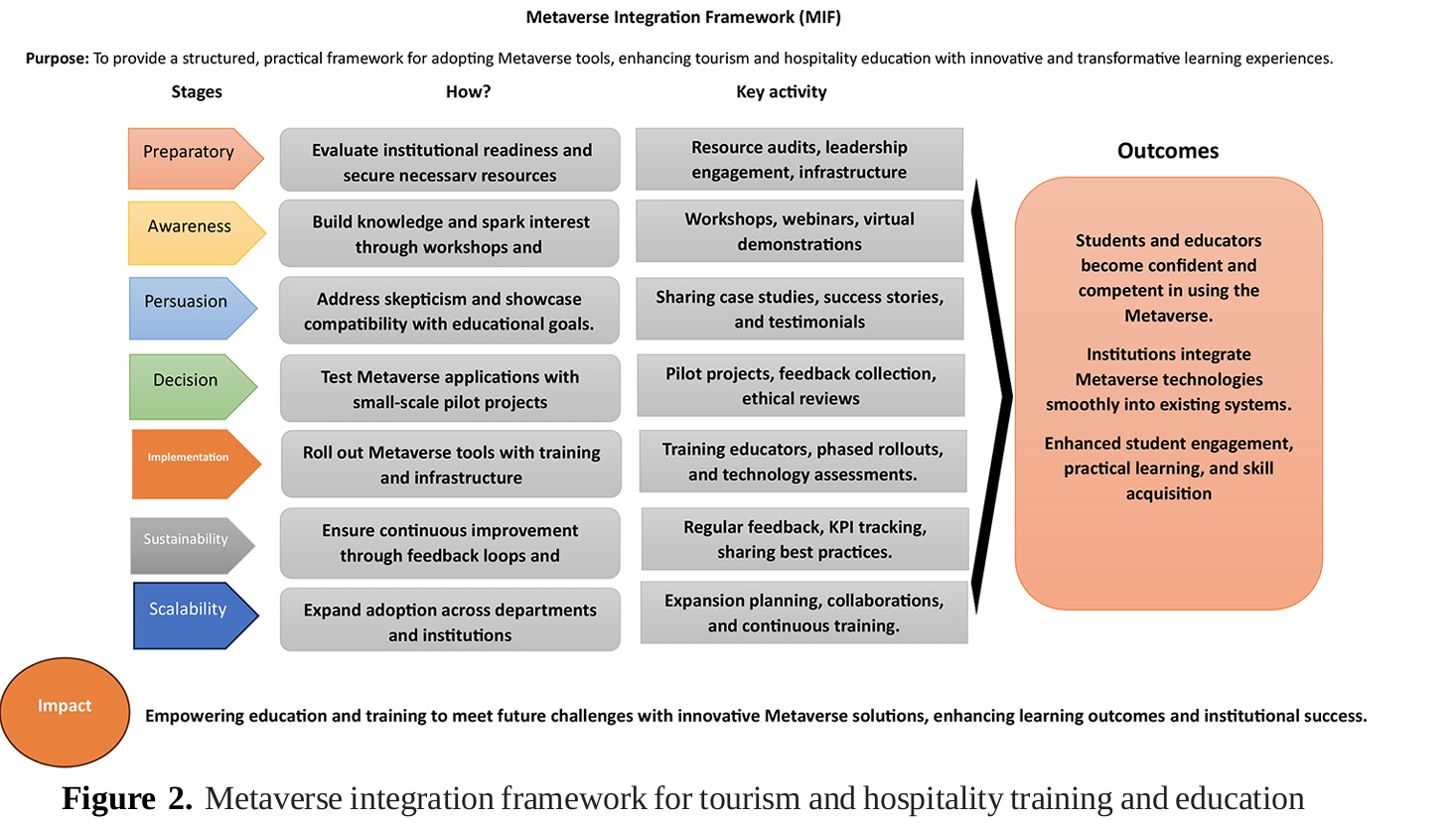
The purpose of this study is to explore the potential for tourism and hospitality education and training through immersive metaverse learning. This study examines familiarity levels, perceived benefits and challenges and proposes a framework for metaverse adoption in education and training.

Design/methodology/approach

Grounded in Diffusion of Innovation Theory, this qualitative study analyses 45 in-depth interviews with students and academics in Saudi Arabia. The thematic analysis identifies adoption stages and factors influencing metaverse readiness in tourism education.

Findings

While metaverse can enhance engagement in skill development, it may also include barriers such as accessibility, data privacy and technical readiness. Adoption varies by generation and digital proficiency. Younger students and early-career academics embrace its experiential benefits, while senior academics cite cost, infrastructure and complexity concerns. This study develops a DOI-based framework to evaluate metaverse adoption in tourism education.

Research limitations/implications

The findings of this study are context-specific and qualitative. Future research should validate the proposed model across different educational and cultural contexts using longitudinal and mixed-method approaches.

Practical implications

The metaverse Integration Framework provides actionable guidance for educators, policymakers and institutional leaders. This study supports phased integration, risk mitigation and alignment with governance structures, while addressing issues such as digital equity, funding and compliance.

Social implications

Metaverse technologies offer opportunities to democratise access to high-quality, immersive education, particularly in under-resourced or remote regions, thereby enhancing employability and workforce resilience.

Originality/value

This research contributes to the literature on metaverse adoption in tourism and hospitality training and education by introducing a DOI theory-informed framework. The findings of this study offer theoretical insights that bridge technology adoption models with educational practice, providing a foundation for future digital education and training research.

SERVED research project: Supporting Evidence-based Research for Veterans Experiencing Dementia

SERVED research project: Supporting Evidence-based Research for Veterans Experiencing Dementia

Dementia is a condition which is increasing amongst the general population, and furthermore, military veterans may experience increased exposure to risk factors for developing dementia, including military-related trauma, traumatic brain injury, and post-traumatic stress disorder. Despite growing dementia prevalence, significant barriers remain to accessing specialised care meeting veterans’ needs.

Findings from our initial research work last year highlighted struggles with navigating healthcare systems, specialised care and the importance of veteran-specific support. However, an even greater finding was the difficulty accessing veterans with dementia.
We are delighted to now continue this work, funded by Dementia Research UK, exploring potential barriers and enablers to seeking support for dementia or memory-related concerns in the veteran community.
The research will involve two different parts: an online survey and focus groups. Participation is open to all veterans who have previously served at least one day in the military. We would then like to co-create an short animation to demonstrate the feedback we have received and continue to raise awareness for the voices of veterans.
For more information or to find out how to take part in the research, please visit our project page: www.bournemouth.ac.uk/served
Sharing of this work with friends, colleagues or contacts who you think may be interested is warmly welcomed! Postcards and other imagery is available, please contact Becky Dew at rdew@bournemouth.ac.uk

An inspiring visit to Türkiye! Towards gender equality in research and academia

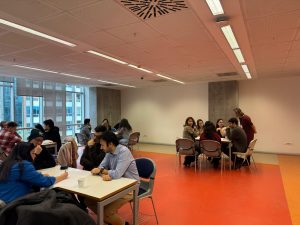
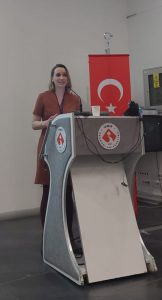
On January 20-21, 2025, the VOICES in Action: International Event on Gender Equality in Science and Research took place at Izmir University of Economics (IEU). Organised and funded by COST Action VOICES, this two-day conference brought together a group of experts and researchers from across Europe to exchange knowledge and experiences on issues related to gender equality in academia and research. The event featured a lineup of speakers, including Dr Ola Thomson from BU Business School.

Day one set the scene with topics such as implementing Gender Equality Plans (GEPs) in universities and research institutions, integrating gender perspectives in research, and exploring the global challenges faced by women in STEM careers.

Ola, who is a management committee member and co-lead of VOICES, delivered a talk focusing on the activities of her working group in promoting inclusive mentoring as a strategy to advance gender equality in academia and research. Ola shared insights from the Mentoring Mapping in Europe project, which involved identifying and analysing existing mentoring programmes to better understand their impact and gaps. Additionally, she presented the outcomes of the Inclusive Mentoring Summer Training held in Bilbao in 2024, which had utilised art-based and co-creation techniques to enable mentees, mentors and programme managers to share their experiences of mentoring and create ten guiding principles on inclusive mentoring.

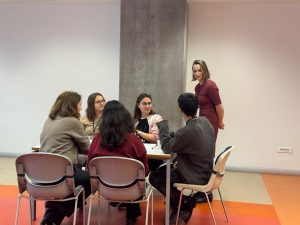
Day two was an interactive and hands-on experience for attendees, featuring co-creation workshops for early-career researchers. Ola and her two VOICES colleagues Dr Jennifer Dahmen-Adkins from Germany, and Şerife Durna from Türkiye co-led a World Café session, which explored the challenges impacting early researchers’ careers. Themes included the gendered nature of institutions and the impact of systemic inequalities, addressing the tension between professional demands and societal gender roles, examining gendered access to opportunities and critiquing notions of “meritocracy” and “excellence”, and lastly, sharing personal and institutional experiences to understand the prevalence and impact of bias.

This event was a rewarding opportunity to engage with a Turkish community of researchers and academics committed to shaping the future of gender equality in science and research. It underscored the importance of collaboration across Europe and Inclusiveness Target Countries such as Türkiye, where challenging socio-political systems operate and influence gender equality efforts and outcomes.

This work links to three UN SDGs: Gender equality,  Decent work and economic growth, and Reduced inequalities within and among countries.

Horizon Europe funding – Weds 12th Feb

Looking to secure European funding?

Horizon Europe event – in person, Wednesday 12th Feb, Talbot Campus 13:00-14:30.  Hosted by RDS Horizon expert, Ainars Blaudums and BU’s very own successful Horizon Europe academic, Prof Hamid Bouchachia.

This session will cover:

  • Introduction to Horizon Europe
  • Where and how to find EU funding opportunities
  • Panel discussion – What are the most effective ways of building international partnerships and getting involved with peers across Europe?
  • Q&A session

For further information on this event please contact RKEDF@bournemouth.ac.uk

Book your place HERE

Opportunities in health and social care research

We’re excited to share information about the NIHR INSIGHT (Inspiring Graduates and Early Career Professionals into Research) South West Central Collaboration, a programme aimed at fostering research engagement among early career health and social care practitioners in the South West of England.

This collaboration, funded by the National Institute of Health Research (NIHR), is led by University of the West of England (UWE) Bristol, and co-hosted by Bournemouth University (BU), with support from collaborators across the region.

UWE Website: Health and Care Research – MRes – UWE Bristol: Courses

BU Website: NIHR INSIGHT South West Central Programme | Bournemouth University

Find out about how one Current BU MRes student is using this programme to develop her clinical research career.

Key Opportunities:

  • Fully Funded MRes Studentships:These are available for early-career colleagues (within 5 years of registration/work) in fields such as nursing, midwifery, allied health professions, social work, public health, pharmacy, chiropractic, osteopathy, and healthcare sciences.
    • Applications Open:2nd January – 31st March 2025 for September 2025 entry.
  • Research Engagement Working Group:An opportunity for eligible colleagues to engage with research, whether they intend to apply for the studentship this year or not. Here is the link to join this group: https://forms.office.com/e/amdSpuBy6J?origin=lprLink

Further details on the programme websiteNIHR Insight Programme for South West Central (insight-southwestcentral.net)

Please also find a shortened link to the website: https://tinyurl.com/yaus96fs

If you have any questions or need further information, feel free to contact the programme team at insight.swcentral@uwe.ac.uk.


FoodBioSystems DTP are advertising 39 fully funded tax-free 4-year PhD studentships

FoodBioSystems DTP are advertising 39 fully funded tax-free 4-year PhD studentships
Could this be the right opportunity for you?

We have projects on offer at our 7 partner universities.

We are looking for applicants who can apply their science to projects in research areas that span the entire food value chain including:
agricultural sciences, applied chemistry, artificial intelligence, biochemistry, bioinformatics, biological science, data science, environmental chemistry, food science & production, genomics, livestock farming and welfare, machine learning, marine sciences, mathematics, microbiology, nutrition, plant science and soil science.

All projects are advertised on the FoodBioSystems DTP website.

You can apply for up to TWO projects at any of our partner universities. Apply via our online application form https://foodbiosystemsdtp.grantplatform.com/ (opens 20 December).

Deadline for applications: Monday 3 February 2025 (10.00 GMT).

We offer a guaranteed interview scheme and an applicant mentoring scheme to students from eligible ethnic groups who hold UK fees status and who meet our academic eligibility criteria. Deadline for applicant mentoring scheme is 17 January 2025 (10.00 GMT).

Visit the DTP website to download applicant information, to find more information about the DTP training programme and profiles of our current research students.

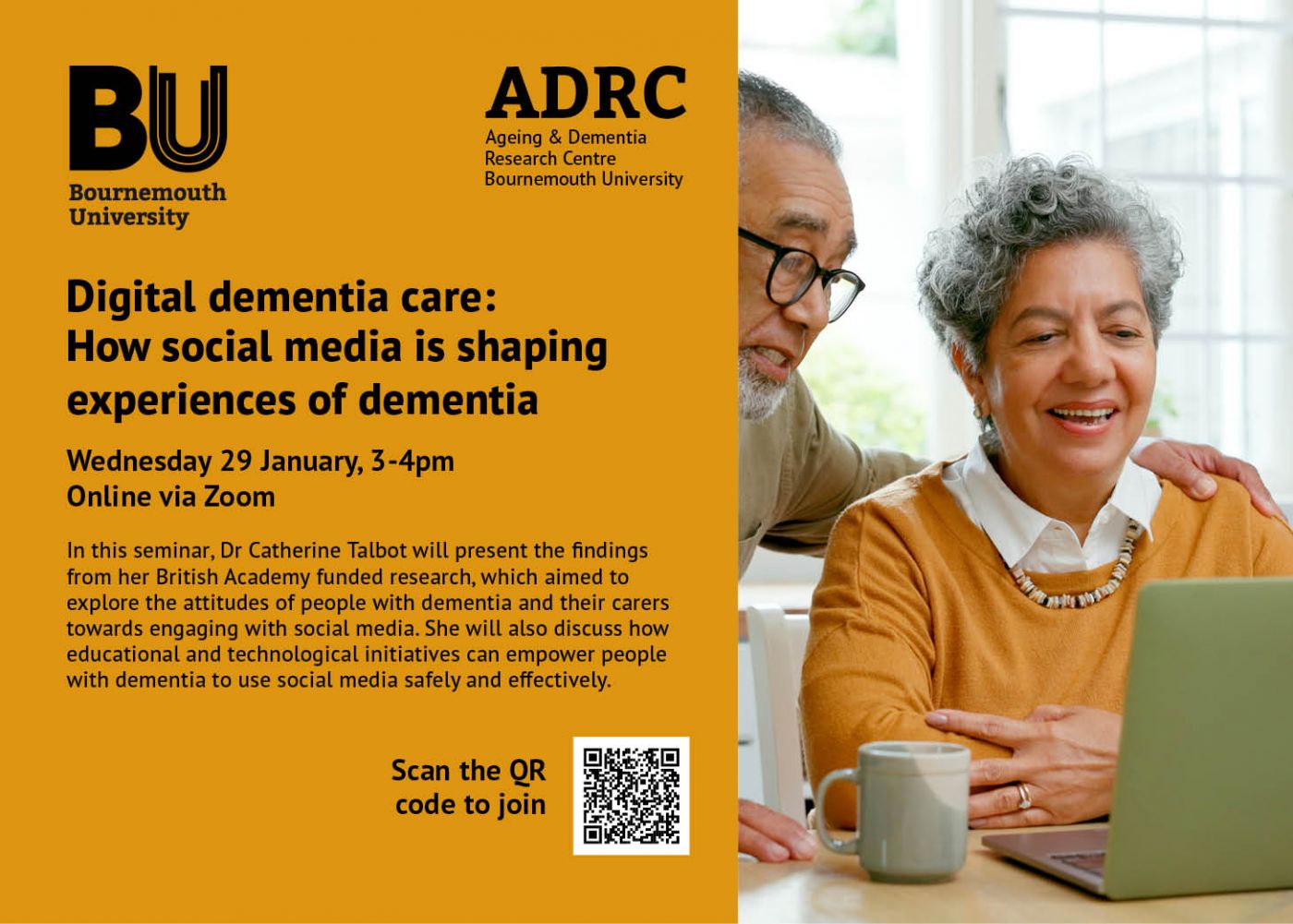
Digital dementia care: How social media is shaping experiences of dementia

We’re thrilled to invite you to the second online seminar in the new ADRC series. This session will feature Dr. Catherine Talbot from Bournemouth University, presenting: Digital dementia care: How social media is shaping experiences of dementia.

With a rapidly growing population of people affected by dementia and increasing global emphasis being placed on early and timely diagnosis, it is vital to explore creative ways of supporting those affected. Social media has potential to mitigate some of the challenges associated with dementia, by facilitating social connectivity and access to information. Despite these possibilities, research in this area is scarce, and social media platforms are not designed with the specific needs of people with dementia or their carers in mind. In this talk, Dr Catherine Talbot will present the findings from her British Academy funded research, which aimed to explore the attitudes of people with dementia and their carers towards engaging with social media. She will also discuss how educational and technological initiatives can empower people with dementia to use social media safely and effectively.

The seminar is open to all Bournemouth University staff, students, community organisations, and anyone interested in the topic.
Please keep an eye out for upcoming seminars throughout 2025!
See you there!
Join Zoom Meeting
https://bournemouth-ac-uk.zoom.us/j/88106186753?pwd=G65UYAra4oQjjNN76HauXxsBmI0oib.1
Meeting ID: 881 0618 6753
Passcode: $30@u6Af

Spotlight on the Menopause: A Recap of the Women’s Health Symposium

On the evening of Wednesday, November 20, 2024, Bournemouth University hosted at the Centre for Midwifery and Women’s Health at Bournemouth University shining a Spotlight on the Menopause. This event was an opportunity to better understand the menopause, including a discussion on the latest treatment options and menopause in the workplace. This event was intended for the general public, staff, students, researchers, charity partners and local organisations.

https://www.youtube.com/watch?v=tJtnwGylQjQ

The symposium featured an impressive lineup of speakers:

  • Tim Hillard: Consultant Gynaecologist and Menopause Specialist, University Hospitals Dorset, Poole
  • Dr Abbie Laing: GP and Menopause Specialist, University Hospitals Dorset, Poole
  • Kathy Abernethy: Menopause Specialist Nurse and BMS Menopause Specialist, Director “The Menopause Course”
  • Dr Sarah Hillier: Senior Academic in Nutrition, Centre for Midwifery and Women’s Health, Bournemouth University.

https://www.bournemouth.ac.uk/research/centres-institutes/centre-midwifery-womens-health


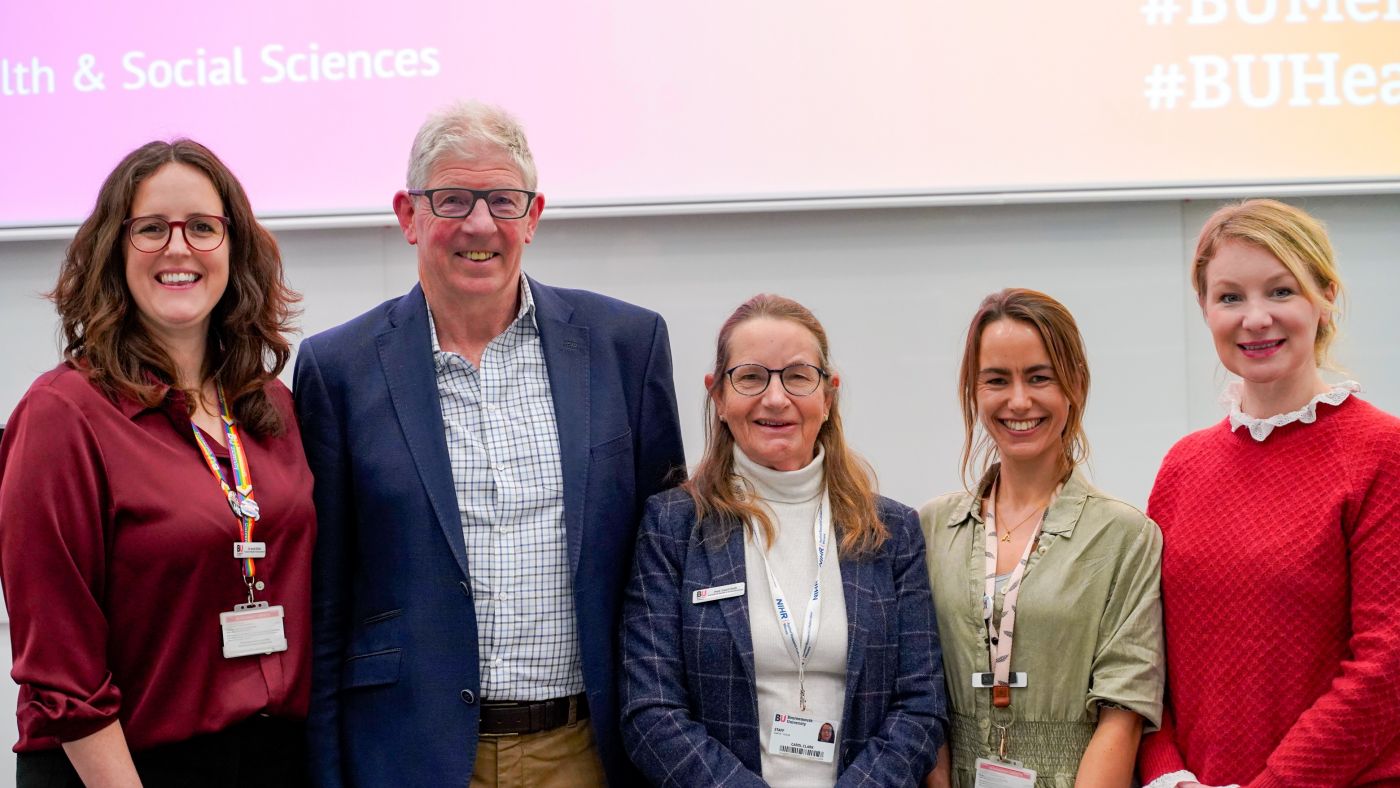
Left to Right – Sarah, Tim, Carol, Emma, Abbie. Photo by Jakob Rossner 20 11 2024, Wolfson Theatre

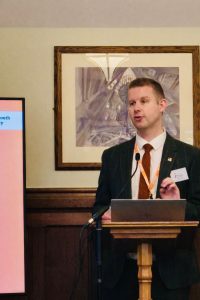
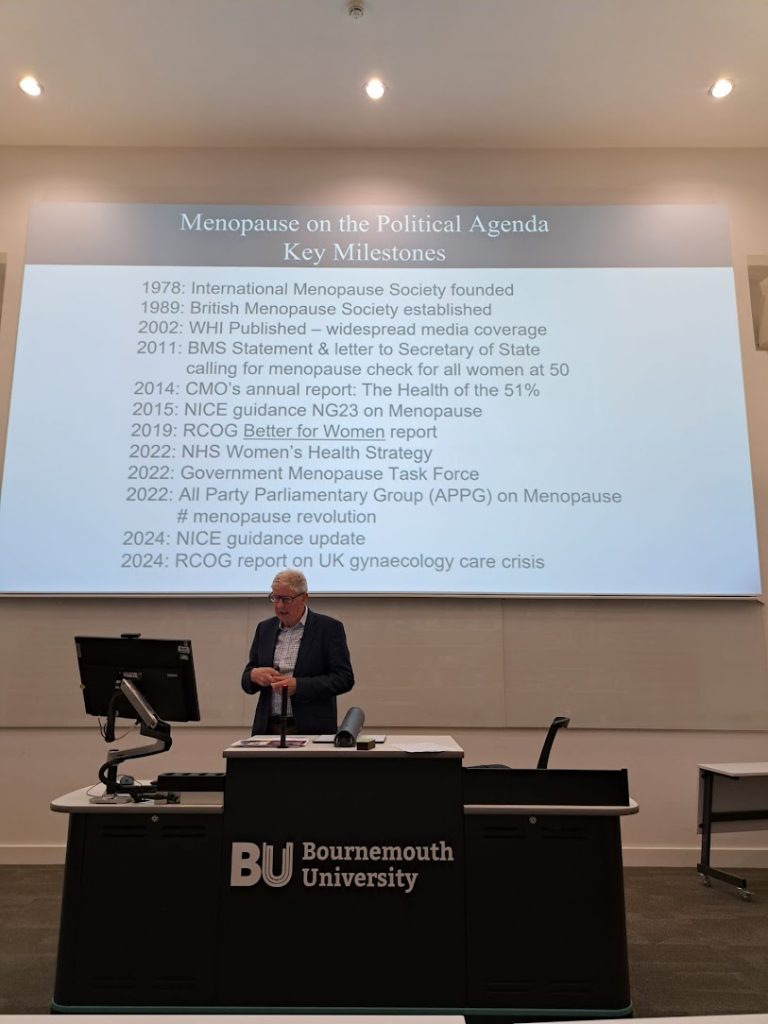
and photo of Tim presenting below. Photo by Jakob Rossner 20 11 2024, Wolfson Theatre.

As part of the event, the CMWH showcased the fantastic research we are doing in this area at BU in a series of elevator style presentations from colleagues Dr Hyun-Joo Lim Principal Academic in Sociology, Psychology PhD researcher Eunhee Kim, as well as an overview of Nutrition related projects from PhD researcher Rebecca Owen (ANutr) and staff Dr Reena Vijayakumaran, Senior Lecturer in Nutrition, Dr Fotini Tsofliou, Principal Lecturer in Nutrition, Dr Sumanto Haldar, Lecturer in Nutrition Sciences and Dr Chloe Casey, Lecturer in Nutrition.

Special thanks to the BSc Nutrition and MSc Nutrition and Behaviour students who volunteered to support the event and to Jakob Rossner, Learning Technologist who helped with the smooth technology running of the event. 

#BUMenopause #BUHealthSymposium