We are wishing our colleagues, students, researchers and collaborators from South Asia a Happy New Year today. The best wishes for the Bangla New Year 1433 and for the Nepali New Year 2083!
Professors Edwin van Teijlingen and Vanora Hundley
Latest research and knowledge exchange news at Bournemouth University
We are wishing our colleagues, students, researchers and collaborators from South Asia a Happy New Year today. The best wishes for the Bangla New Year 1433 and for the Nepali New Year 2083!
Professors Edwin van Teijlingen and Vanora Hundley
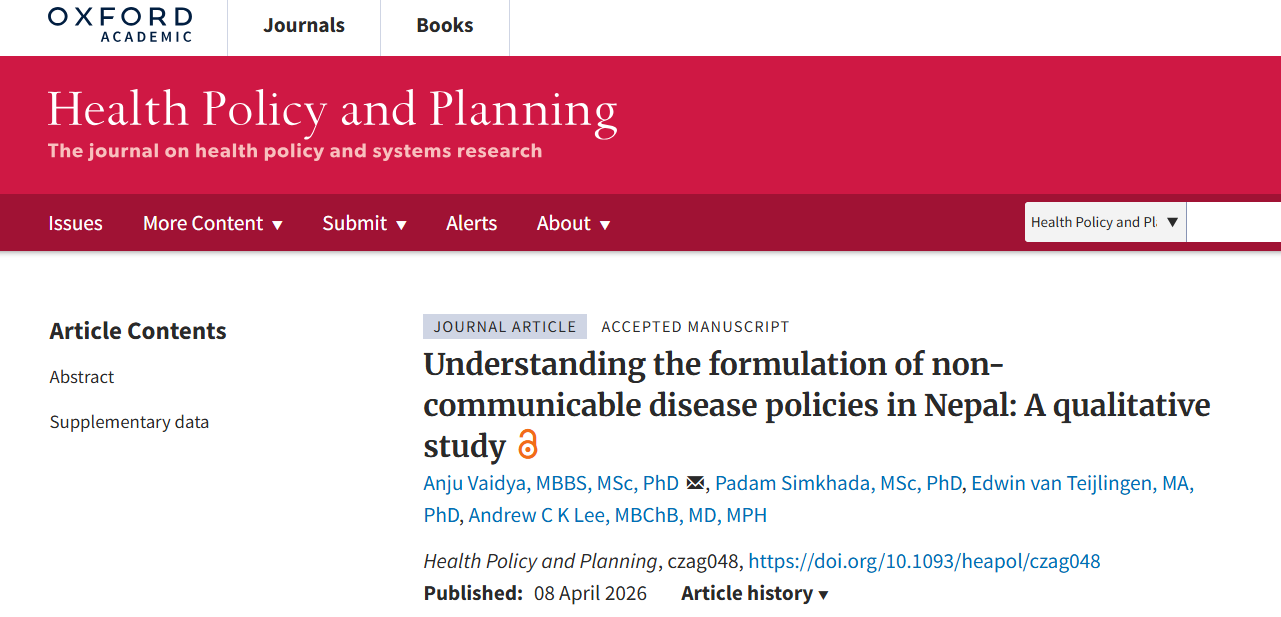
Yesterday the international journal Health Policy & Planning published our latest article with the title ‘Understanding the formulation of non-communicable disease policies in Nepal: A qualitative study‘ [1]. The paper is part of the PhD work (at the University of Hudderfield) by the first author, Dr. Anju Vaidya, who is originally from Nepal. Anju’s thesis was supervised by Prof. Padam Simkhada (University of Chester), Prof. Andre Lee (The University of Sheffield) and by Bournemouth University’s Prof. Edwin van Teijlingen.
The paper recognises that there is limited evidence about the process through which health policies were formulated in Nepal. This study used Kingdon’s multiple streams framework to explore how NCDs (non-communicable diseases) were recognised and prioritised, how policy alternatives were decided, how policy windows were opened, and which contextual factors influenced the policy formulation process. Anju’s PhD included a qualitative study to gain a comprehensive understanding of the formulation of major NCD-related policies in Nepal. Semi-structured interviews were conducted with 12 key stakeholders, and policy documents were analysed using framework analysis.
The NCDs were gradually prioritised through the convergence of global and local evidence, sustained advocacy, and international commitments. Policymakers encountered several challenges, such as competing health priorities, the chronic nature of NCDs, donor preferences for communicable diseases, financial constraints, and multisectoral complexities of NCDs. The Package of Essential Non-communicable diseases (PEN) interventions were adopted as a policy alternative, informed by global evidence, World Health Organization (WHO) recommendations, and lessons from other countries. While coordinated efforts by stakeholders brought the problem, policy and politics streams together, the role of policy entrepreneurs was found to be less relevant in Nepal’s context.
Health Policy & Planning is an Open Access journal, hence the paper is available worldwide to anybody with internet access.
Prof. Edwin van Teijlingen
Centre for Midwifery & Women’s Health
References:
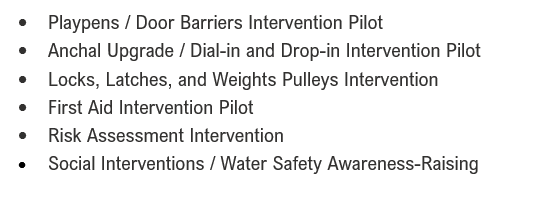
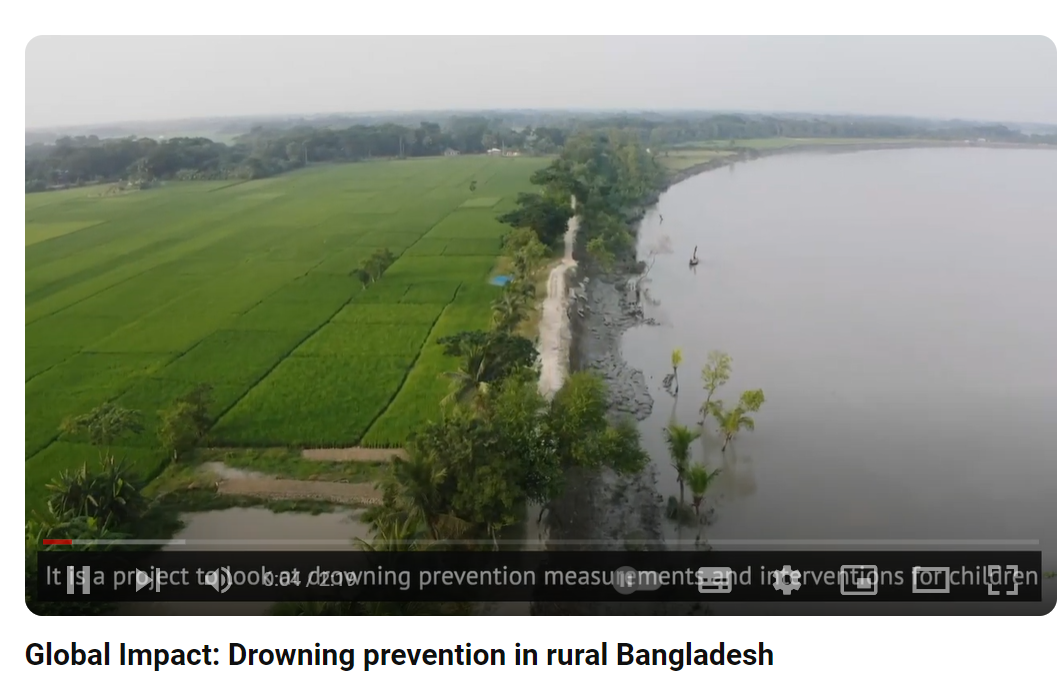
After several little hiccups in our Sonamoni research project we can now show some of the work. Sonamoni is a four-year research study led by the University of Bournemouth and the Centre for Injury Prevention Research Bangladesh (CIPRB) with the University of Southampton, the University of the West of England (UWE), the Royal National Lifeboat Institution (RNLI) and Design Without Borders (DWB) to develop a number of interventions to prevent drowning in children under the age of 2 years in rural Bangladesh. After several stages of well-planned research we worked with local communities and stakeholders to propose six interventions with the prospect of been taken further to a full community-based feasibility study.
These six interventions are being piloted in Bangladesh as I am writing this. This pilot phase is made more difficult at the moment as the country is in the ban of the forthcoming national elections. These elections are particularly challenging for the people in Bangladesh and CIPRB as the local research partner. The previous national election resulted in violent changes, and the lead up to this election has been, and still is, a difficult period.
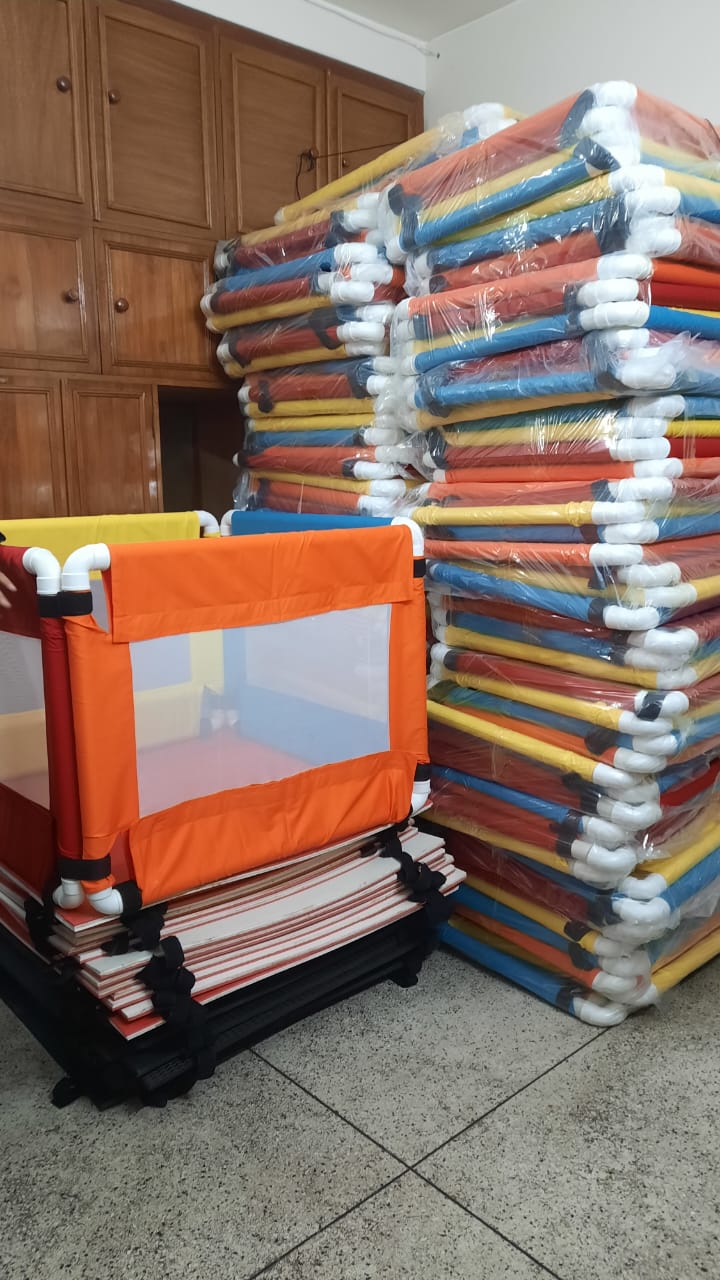
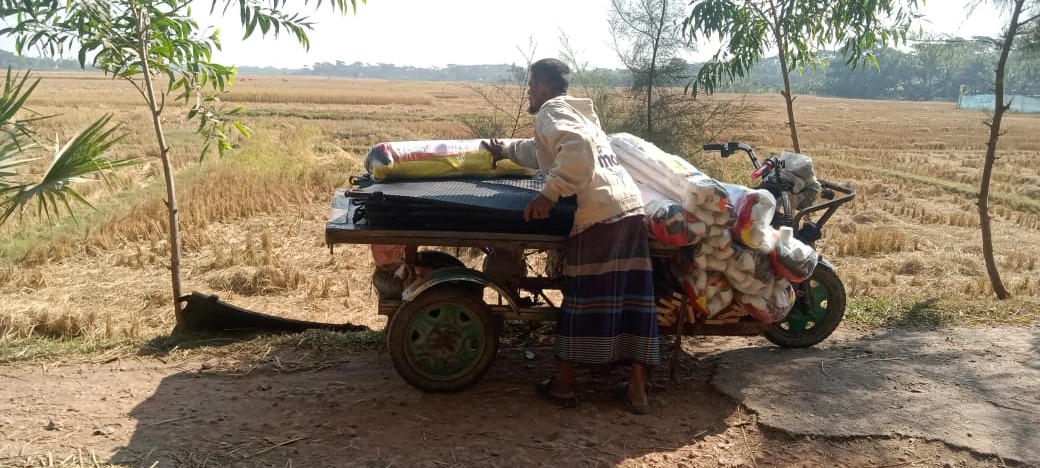
We would like to highlight one of the six interventions in a little more detail, as the Human-Centred Design approach, resulted in a neat, simple and low-cost playpen. The colourful pictures shows the first batch of flatpack playpens in the CIPRB office and some being delivered to rural villages. However, getting the first sixty developed in Bangladesh turned out more difficult than expected.
Our collagues in Bangladesh approached several small to medium-sized companies in the country with the production capabilities to produce a large number of playpens. In the end only one way interested to try and this company took much longer than agreed to produce enough for our pilot stage. The good news is that the first stage of the pilot is underway, although now we have the difficulty of forthcoming national election slowing down our research.
This interdisciplinary study is funded through the NIHR Research on Interventions for Global Health Transformation programme (Ref: NIHR203216). The Bournemouth University team comprises staff from across the university covering all three faculties: Dr. Mavis Bengtsson, Dr. Kyungjoo Cha, Dr. Mehdi Chowdhury, Dr. Yong Hun Lim, Mr. John Powell, and Prof. Edwin van Teijlingen, and Ph.D. student Mr. Md. Shafkat Hossain. For more information about our ongoing research in Bangladesh, please visit the NIHR website.
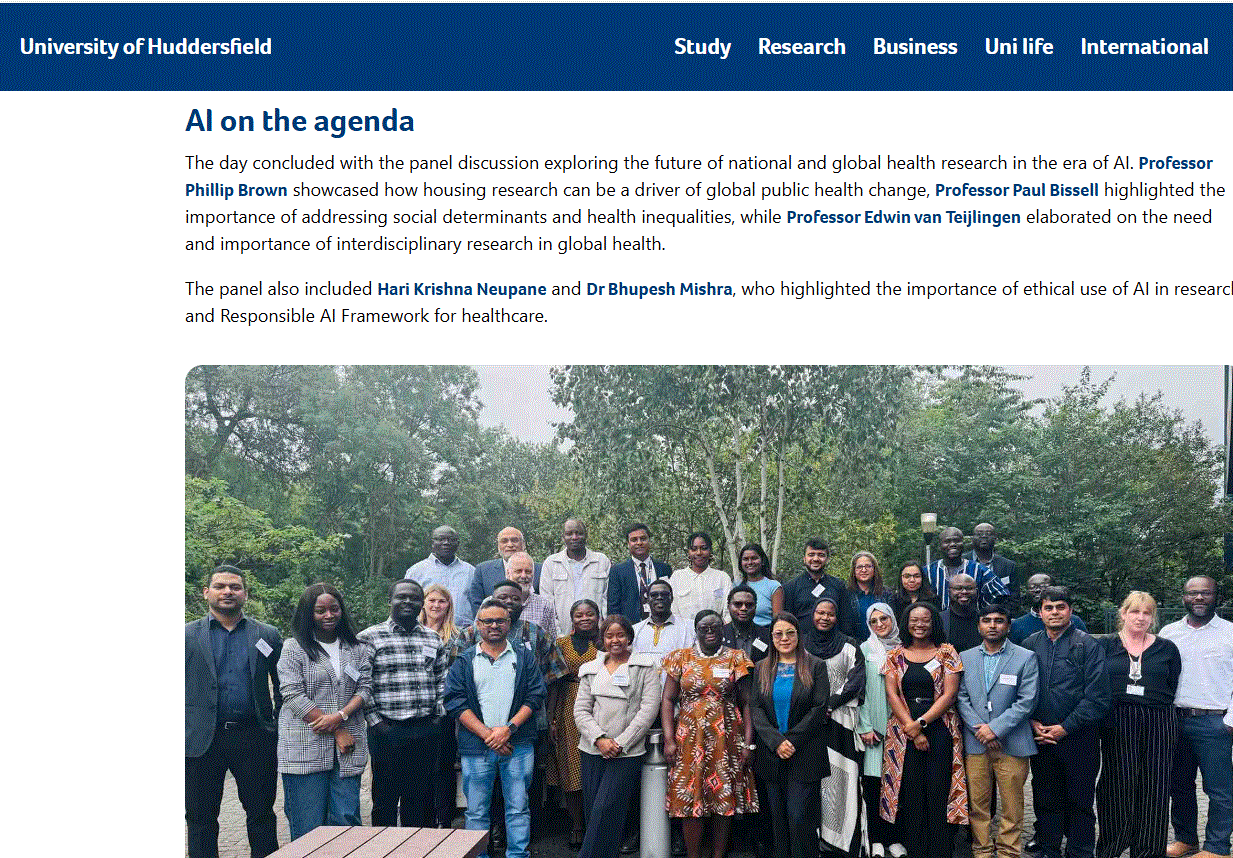
Today the University of Huddersfield reported online on the international array of over 70 delegates who attended the Annual Meeting of the Global Consortium for Public Health Research (GCPHR) hosted by the University of Huddersfield in June. Academics, policymakers, clinicians and researchers from around the world (including from Bournemouth University) spent two days on campus for the third GCPHR yearly meeting. Further details on the online report can be read here!
Prof. Edwin van Teijlingen
Centre for Midwifery & Women’s Health
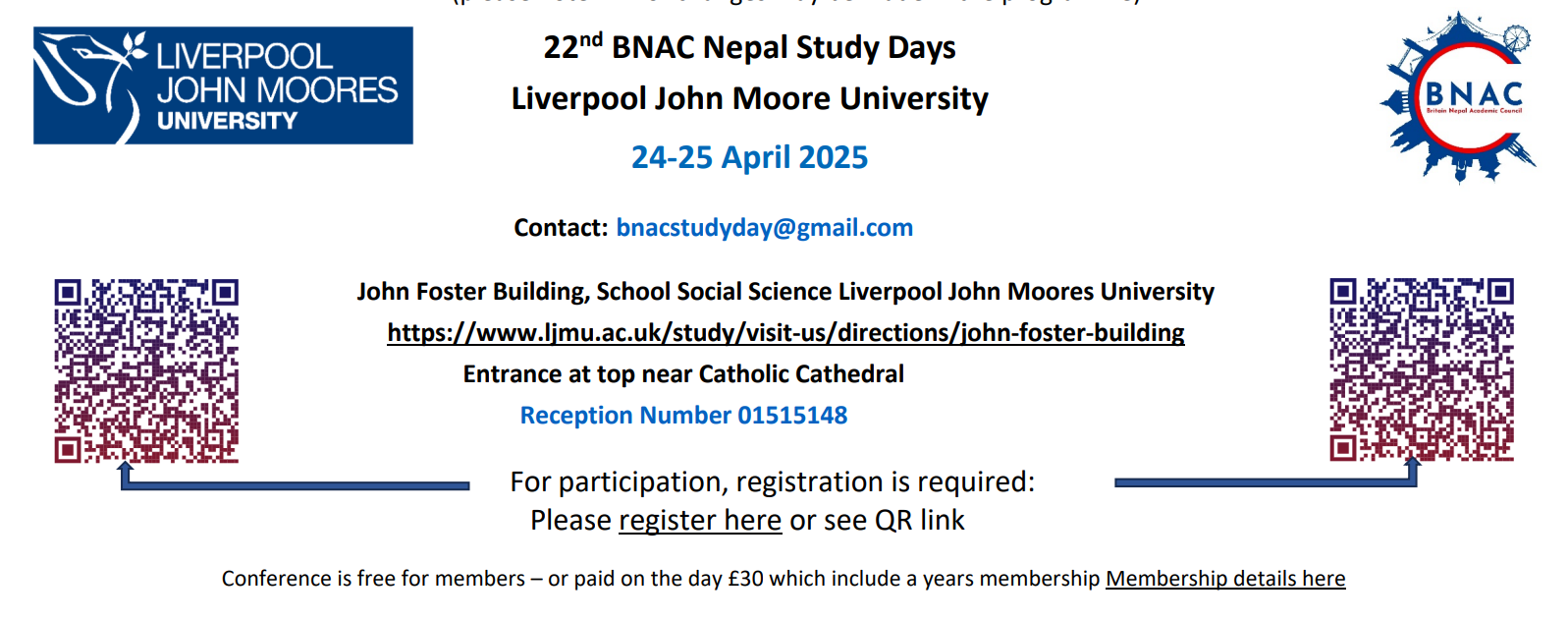
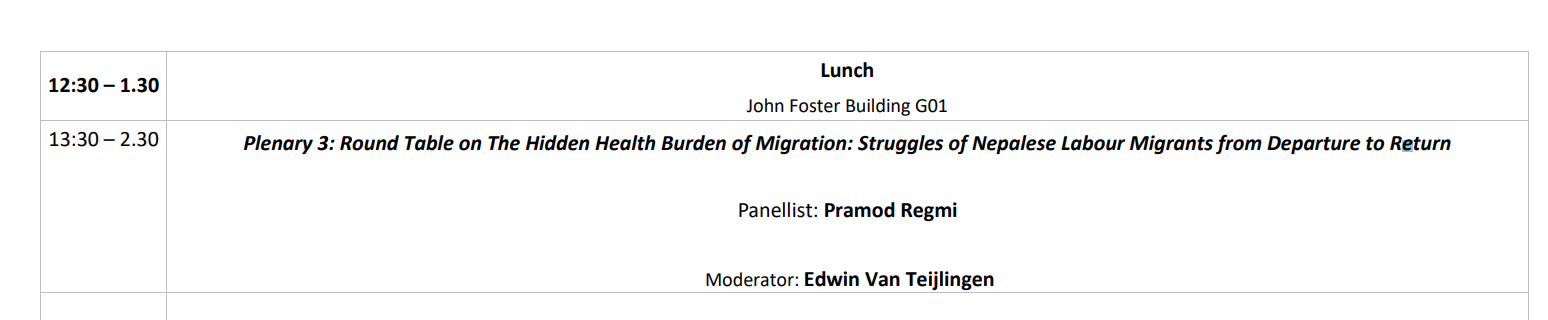
This year’s annual conference of BNAC (Britain-Nepal Academic Council) will be held on April 24-25 at Liverpool John Moores University. Dr. Pramod Regmi, Principal Academic in International Health in the Department of Nursing Sciences, will be a panellist on a Round Table discussion on the topic of ‘The Hidden Burden of Migration: Struggles of Nepalese Labour Migrants from Departure to Return’.
This contribution is inspired by history of BU research into the health and well-being of migrant workers from Nepal by Dr.Regmi, Dr. Nirmal Aryal, Dr. Orlanda Harvey, Prof. Edwin van Teijlingen as well as Bournemouth University PhD students Yagya Adhikari and Anjana Regmi Paudyal. Dr. Regmi’s more recent publications on the topic include papers on: modern slavery [1], kidney disease [2-4], pre-departure training of aspiring migrant workers in Nepal [5], moral panics and societal fear around migrant workers and COVID-19 [6-7], Nepalese migrant workers in Malaysia [8-9], left-behind families of migrant workers [10], migrant workers and the 2022 FIFA male football world cup [11-12], Nepalese migrants in the UK [13] as well as literature review [14].
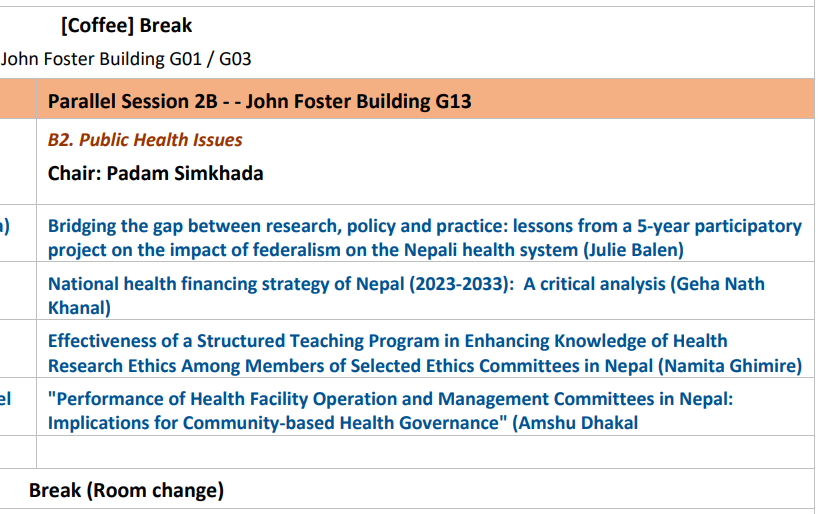
Bournemouth University is further involved in two presentation originating from the project studying the impact of the introduction of federalisation in Nepal on its health system. Details about our project are on the website Nepal Federal Health System Project. This study was funded by the UK Health Systems Research Initiative [Grant ref. MR/T023554/1] to study the consequences for the health system of Nepal’s move from a centralised political system to a more federal government structure in 2015.
Our interdisciplinary joint project was led by the University of Sheffield in collaboration with Bournemouth University, the University of Huddersfield, Canterbury Christ Church University and two institutions in Nepal, namely Manmohan Memorial Institute of Health Sciences (in Nepal) and PHASE Nepal. In late 2022 further funding was awarded by
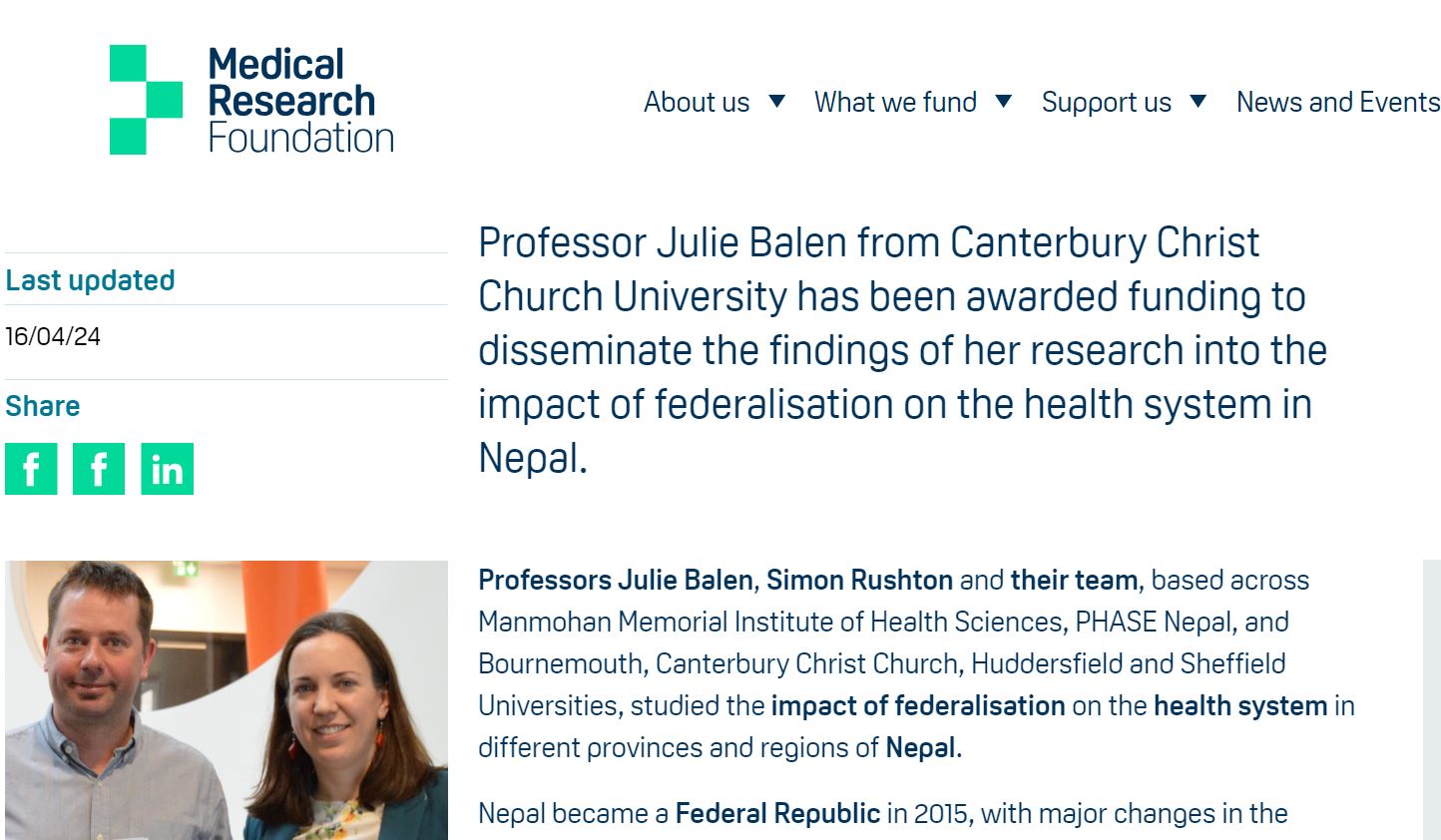
the Medical Research Foundation to Prof. Julie Balen, from Canterbury Christ Church University, to disseminate the findings of our UK Health Systems Research Initiative-funded research in Nepal. These two papers will be presented by our collaborators, namely Prof. Julie Balen of Canterbury Christ Church University and Ms. Amshu Dhakal from Manmohan Memorial Institute of Health Sciences in Kathmandu, Nepal.
References:
Today ResearchGate informed us that our 2010 paper ‘Women’s autonomy in household decision-making: A demographic study in Nepal‘ [1] has been read 5,000 times. This academic paper published in the international journal Reproductive Health is Open Access, hence available to anybody globally with internet access. The study explored the links between women’s household position in Nepal and their autonomy in decision making. Using existing data (n = 8,257) from the Nepal Demographic Health Survey (NDHS) 2006 we (Dr. Pramod Regmi and Prof. Edwin van Teijlingen with colleagues from other UK universities) focused on four types of household decision making: (1) women’s own health care; (2) making major household purchases; (3) making purchase for daily household needs; and (4) visits to her family or relatives.
We found that women’s autonomy in decision making is positively associated with their age, employment and number of living children. Women from rural area and Terai region (the southern part of Nepal bordering India) have less autonomy in decision making in all four types of outcome measure. There is a mixed variation in women’s autonomy in the development region across all outcome measures. Western women are more likely to make decision in own health care (1.2-1.6), while they are less likely to purchase daily household needs (0.6-0.9). Women’s increased education is positively associated with autonomy in own health care decision making (p < 0.01), however their more schooling (school-leaving certificate and above) shows non-significance with other outcome measures. Interestingly, rich women are less likely to have autonomy to make decision in own healthcare.
Reference:
The Department of Design and Engineering at Bournemouth University has a reputation for its Human-Centred Design (HCD) work. In our interdisciplinary Sonamoni project we have HCD at its centre. The Sonamoni project is coordinated by Bournemouth University in collaboration with the University of the West of England (Bristol), the University of Southampton, and the Royal National Lifeboat Institution (RNLI), Design Without Border (DWB) in Uganda and Centre for Injury Prevention and Research, Bangladesh (CIPRB). The interdisciplinary team at Bournemouth University covers three faculties and six academics: Dr. Mavis Bengtsson, Dr. Kyungjoo Cha, Dr. Mehdi Chowdhury, Dr. Yong Hun Lim, Mr. John Powell, and Prof. Edwin van Teijlingen.
Last month two staff from CIPRB, Notan Chandra Dutta and Mirza Shibat Rowshan visited DBW in Uganda, as part of so-called South-South learning. Their objective was to share (1) knowledge and experience of using HCD techniques and (2) best practices of drowning prevention in both countries. Utilizing HCD techniques, Sonamoni is working to identify and prioritize potential solutions, develop prototypes, and assess the acceptability of the interventions to reduce drowning deaths among old children under two in Bangladesh.
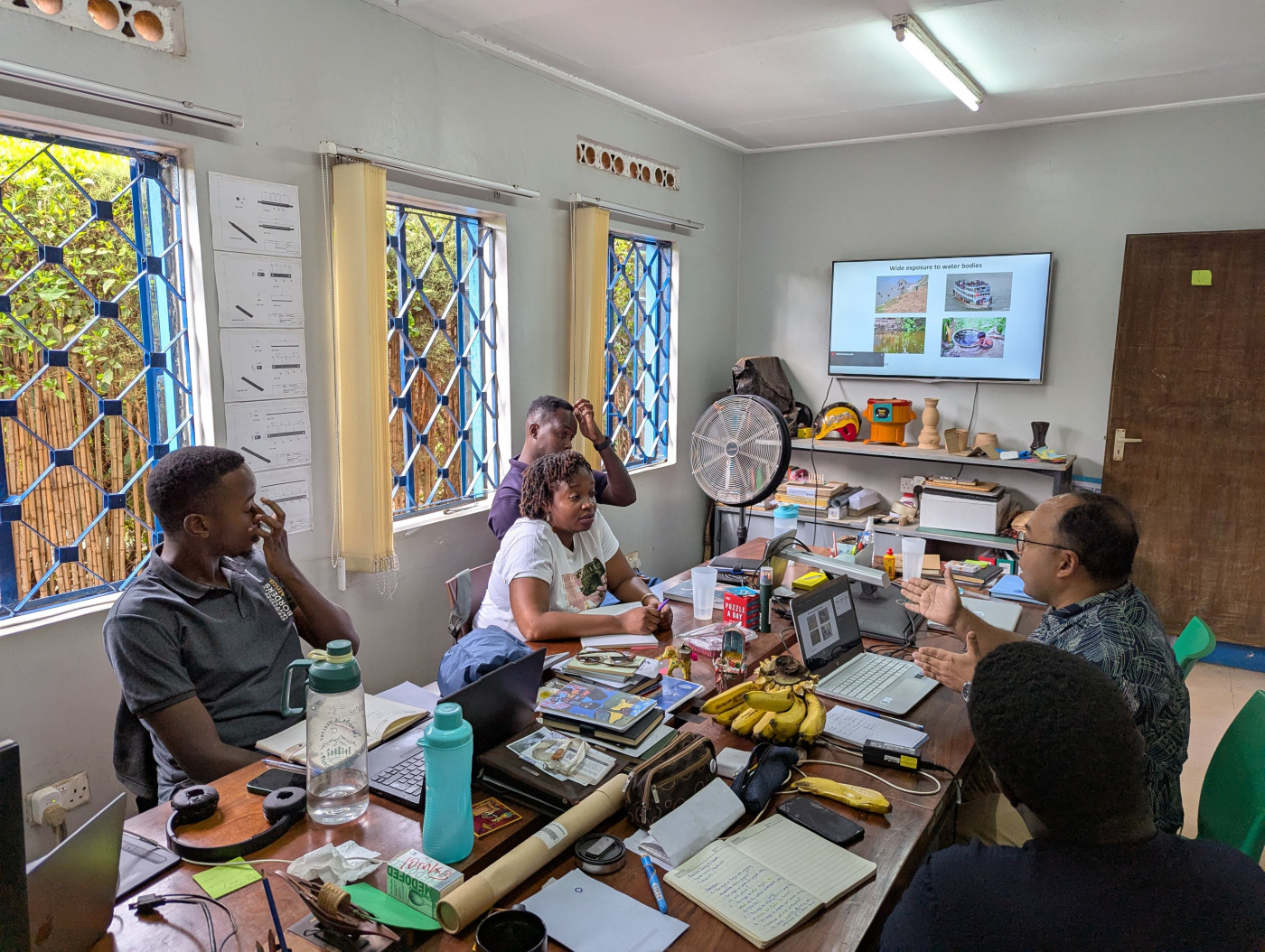
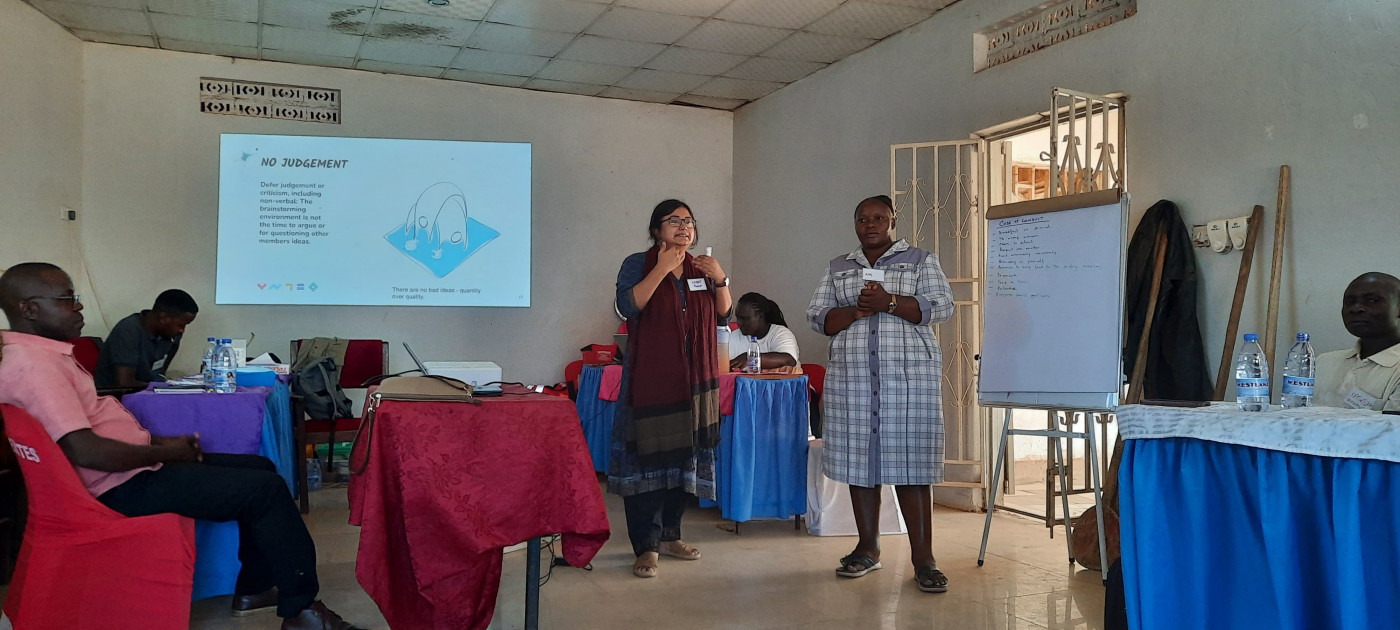
During the visit, Notan and Shibat participated a four-day ideation workshop with the fisher community near Lake Victoria, organized by DWB. In the workshop, different HCD tools were used along with other group activities to generate and refine ideas for the solutions. The generated ideas were recorded by visualization tools. Notan and Shibat also attended a session on the principles of creative facilitation of HCD, including the need to understand the problem, role of the facilitator and other stakeholders. Various visualization tools were discussed, e.g. ‘journey maps’, ‘stakeholder map’, ‘context map’ and different types of sketches. Notan shared CIPRB’s experiences of managing the best drowning prevention practices and its challenges from Bangladesh context.
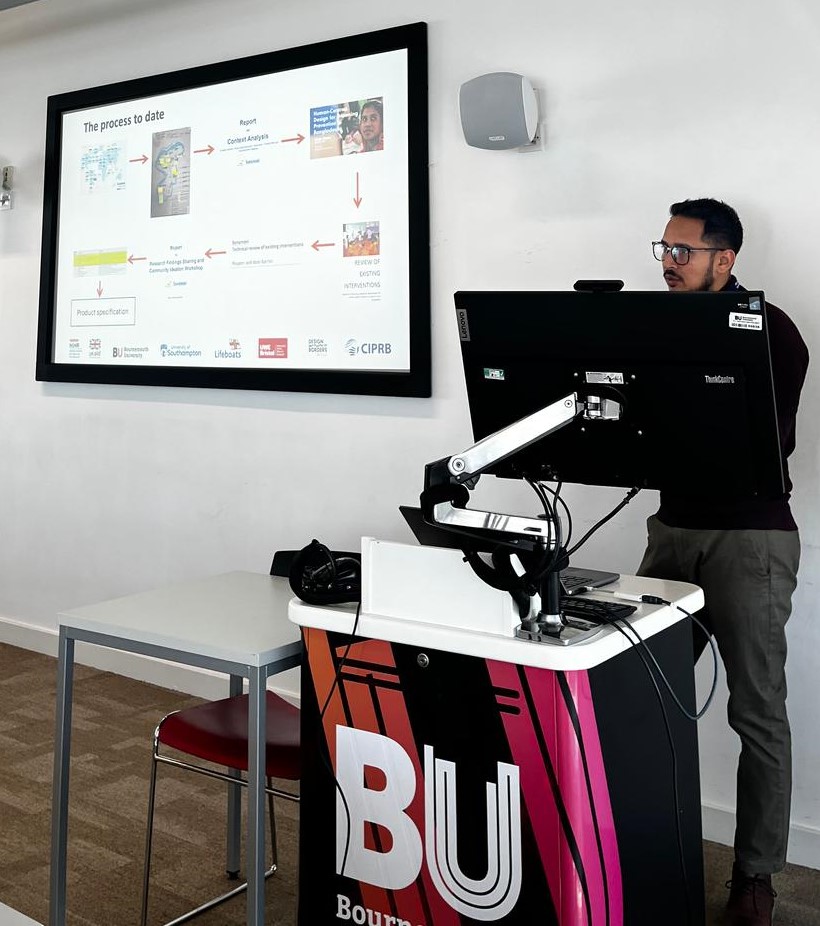
This international project funded by the National Institute for Health and Care Research (NIHR) through their Research and Innovation for Global Health Transformation programme, also includes a BU-based PhD student, Mr. Md. Shafkat Hossein. Last week Shafkat presented our Sonamoni project in lecture to BU Engineering students at Talbot campus.
Prof. Edwin van Teijlingen
The Sonamoni Project is working with communities in rural Bangladesh utilizing human-centered design (HCD) techniques. These design principles have been applied for many years in designing consumer products and, more recently, in the fields of health and social systems. The research project is identifying solutions to reduce the number of drowning deaths in newly mobile children (6-24 months), developing prototype, and assessing the acceptability and usability of potential interventions. This interdisciplinary project is coordinated by Bournemouth University in collaboration with the Centre for Injury Prevention and Research, Bangladesh (CIPRB), the University of the West of England, the Royal National Lifeboat Institution (RNLI), the University of Southampton, and Design without Borders Africa (DwB) from Uganda. Our Sonamoni project has been made possible thanks to a grant from the National Institute for Health and Care Research (NIHR) through their Research and Innovation for Global Health Transformation programme.
As part of the Sonamoni project we arranged some serious South-South learning by facilitating a visit to DwB in Uganda in early march by two of our Bangladesh-based team, namely Notan Chandra Dutta, Research Manager and Mirza Shibat Rowshan, HCD Specialist. DwB applies HCD approaches to complex challenges faced by communities in low and middle-income countries. To gain greater insights into HCD activities the researchers from Bangladesh visited one site near Lake Victoria to observe data collection with fishermen, transporters, and local leaders. Notan and Shibat co-facilitated a four-day long Design Community Advisory Board (DCAB) workshop on the “Enhancing Fisherfolk Safety” project where fishermen, boat owners, transporters, traditional weather forecasters, health workers were the participants. To prevent drowning, HCD was applied in the workshop to generate ideas and share solutions of the lake site community from Lake Victoria of Mayuge district. Lessons learnt from the visit by two staff of CIPRB can further enrich the Sonamoni Project implementation in Bangladesh. The NIHR really values research capacity building and South-South learning in its funded projects, as well as North-South leaning, of course.
Prof. Edwin van Teijlingen
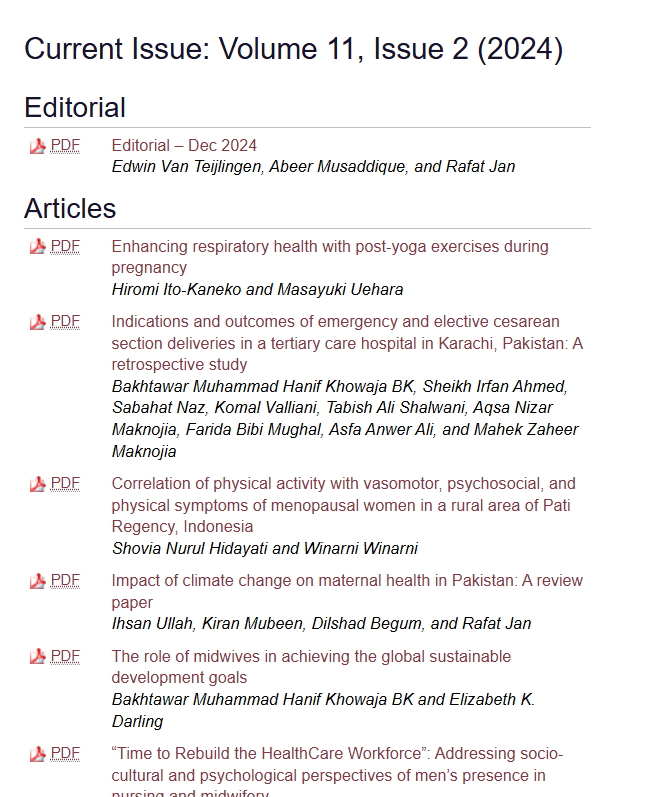
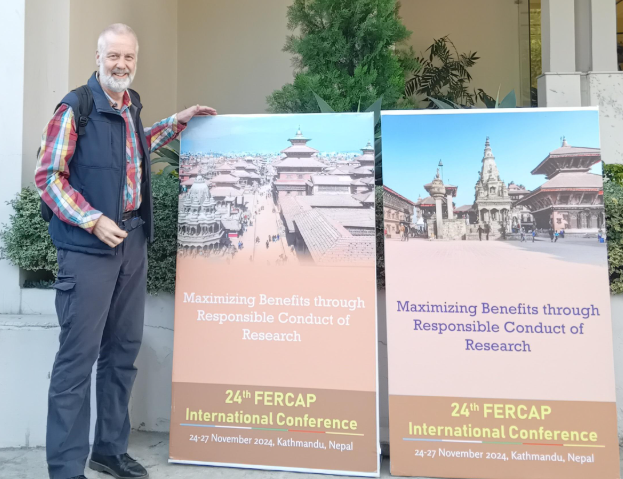
This weekend a new issue of the Journal of Asian Midwives appeared online [1]. Its latest editorial focuses in part on research ethics. The editors highlight the new World Health Organization (WHO) guidance for best practices in clinical trials [2]. The new WHO guidance was picked up at the 24th FERCAP International Conference “Maximizing Benefits through Responsible Conduct of Research” held in November 2024 in Nepal. FERCAP is the Forum for Ethical Review Committees in the Asian and Western Pacific Region.
FERCAP reminded us that research as a social activity should improve health and quality of life for both targeted and general populations. One notable message from this recent conference was the need for shorter and more comprehensible consent forms to make them user-friendly without sacrificing clarity. The other interesting development is that of so-called “decentralized clinical trials”. Decentralized or point-of-care trials can increase the diversity of clinical trial enrollment by increasing its accessibility, for example where elements of the trial are delivered at home and/or data are collected electronically by trial participants instead of researchers. These are exciting new developments in thinking about research ethics.
The Journal of Asian Midwives is Gold Open Access and hence freely available online.
Prof. Edwin van Teijlingen
Centre for Midwifery & Women’s Health
References:
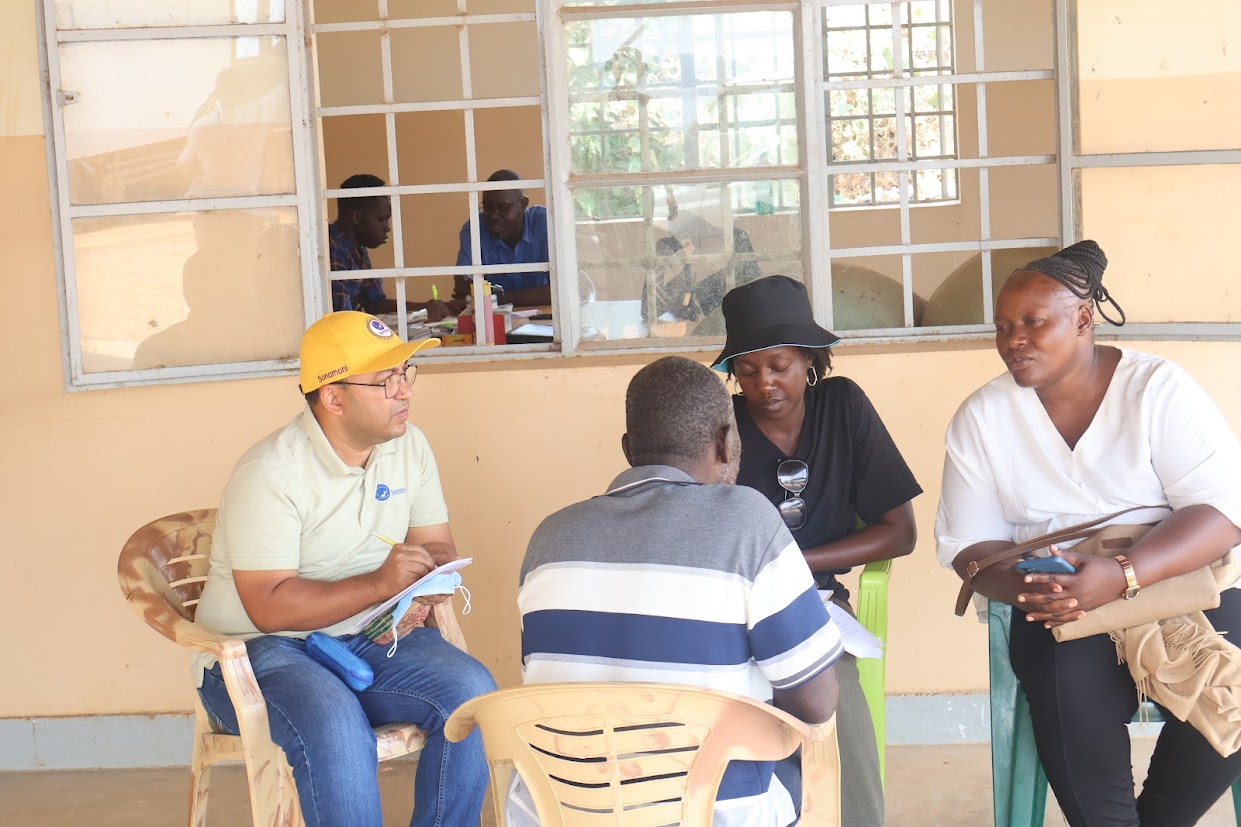
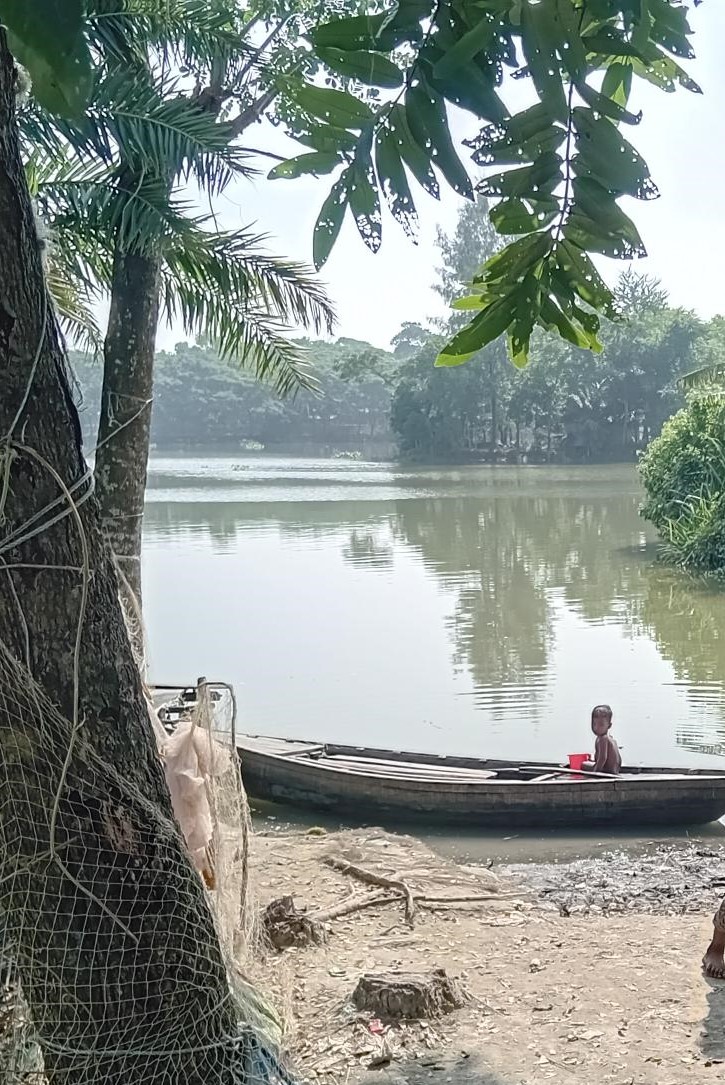
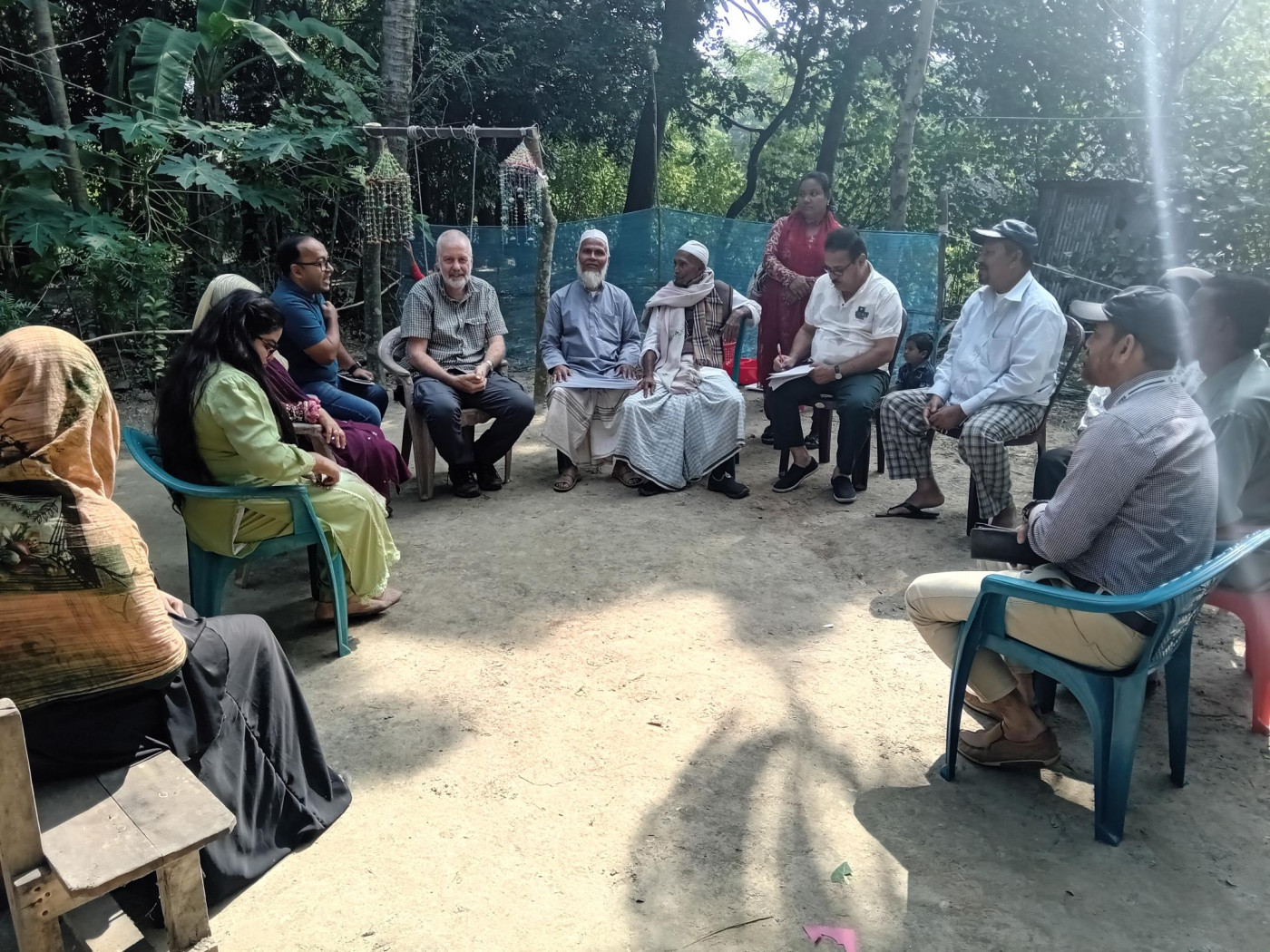
This week I had the pleasure of visiting one of the two major research sites of our Sonamoni project. Sonamoni is jointly coordinated by Bournemouth University in collaboration with the Centre for Injury Prevention and Research, Bangladesh (CIPRB), the University of the West of England, Bristol, the University of Southampton, Design Without Borders (DWB) in Uganda, and the Royal National Lifeboat Institution (RNLI). We are working to reduce drownings among newly-mobile children, generally those under two years old. This £1.6m project has been made possible thanks to a grant from the National Institute for Health and Care Research (NIHR) through their Research and Innovation for Global Health Transformation programme. Yesterday CIPRB staff Prof. Dr. Aminur Rahman and Mr. Notan Chandra Dutta took me to the field site in Kalapari in rural Bangladesh.
This was my first ever visit to Bangladesh despite earlier attempts to go out there two and three decades ago. This visit included an outdoor meeting with a Village Injury Prevention Committee (VIPC) with whom CIPRB has been working for years in harmony.
The Bournemouth University team comprises staff from three faculties: Dr. Mavis Bengtsson, Dr. Kyungjoo Cha, Dr. Mehdi Chowdhury, Dr. Yong Hun Lim, Mr. John Powell, and Prof. Edwin van Teijlingen, and Ph.D. student Mr. Md. Shafkat Hossain. For more information about our ongoing research in Bangladesh, please visit the NIHR website.
Prof. Edwin van Teijlingen
Centre for Midwifery & Women’s Health (CMWH)
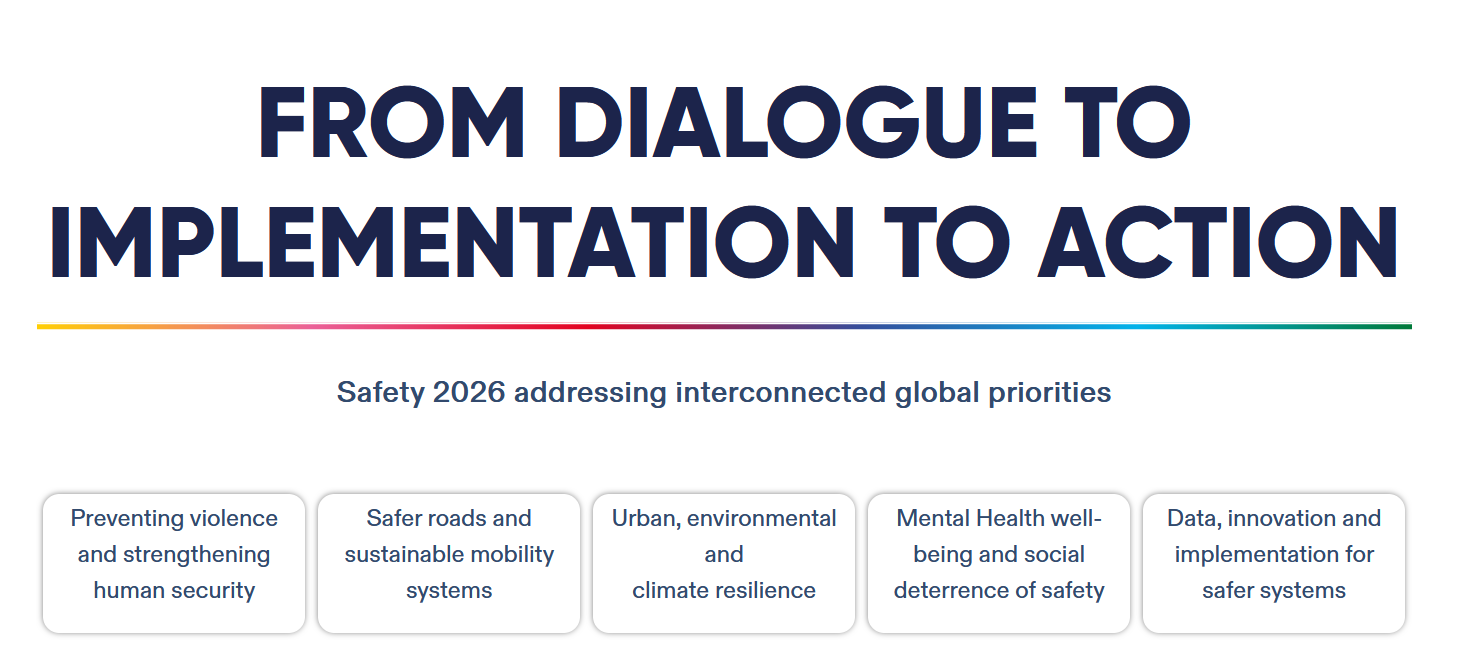
Last week colleagues from our Sonamoni project co-hosted a workshop with TGI Australia (The George Institute for Global Health) at the 15th World Conference on Injury Prevention and Safety Promotion (Safety 2024) which was held in New Delhi (India). Focusing on the strengths of the Human-Centred Design (HCD) approach, this workshop first introduced the design principles to participants and demonstrated how they can be employed to reduce risks and prevent accidents. These design principles have been applied for many years in designing consumer products and, more recently, in the fields of health and social systems. 
In this well-attended workshop researchers presented case studies from Bangladesh (including the Sonamoni project) and Tanzania to illustrate how the process is employed with communities to co-develop interventions aimed at reducing the risk of drowning among fishing folk and vulnerable children.
The team proposed a framework which integrates HCD methodology and traditional research methodologies, creating a more user-centred and multidimensional approach to intervention design. Outputs of the process included user risk journeys, stakeholder mapping and systems diagrams that can be used with communities and wider stakeholders to visualise the problem and bring to life the environment in which interventions are to be designed. These outputs can also be support advocacy and donor engagement.
The proposed framework provides a mechanism for closer collaboration between researchers, practitioners, and communities to work together to co-design context-specific solutions that are culturally and environmentally appropriate. Workshop participants were asked for their expert opinion on the proposed framework, to help us refine the framework and inform future practice.
Our Sonamoni project recently had its own video recording on YouTube.
Sonamoni is a public health project is funded by the National Institute for Health and Care Research (NIHR) through its Research and Innovation for Global Health Transformation programme. For more information, visit the NIHR website.
Sonamoni is coordinated by Bournemouth University in collaboration with Centre for Injury Prevention and Research, Bangladesh (CIPRB), the University of the West of England, Bristol, the University of Southampton, the Royal National Lifeboat Institution (RNLI), and design Without Borders (DWB) Africa.
Prof. Edwin van Teijlingen
Centre for Midwifery & Women’s Health
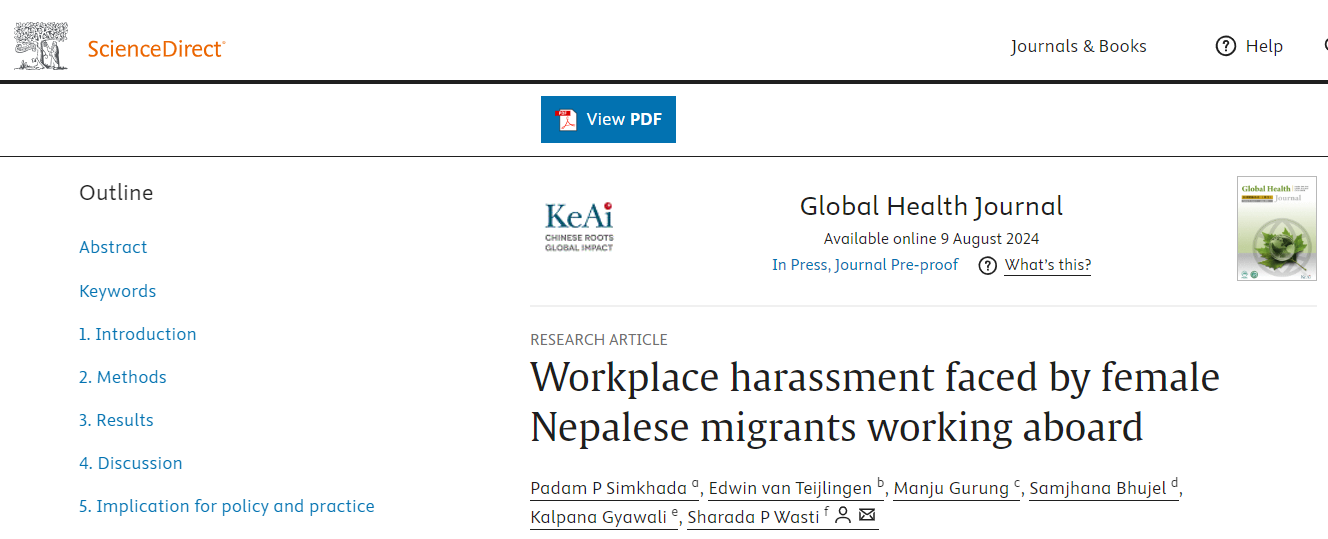
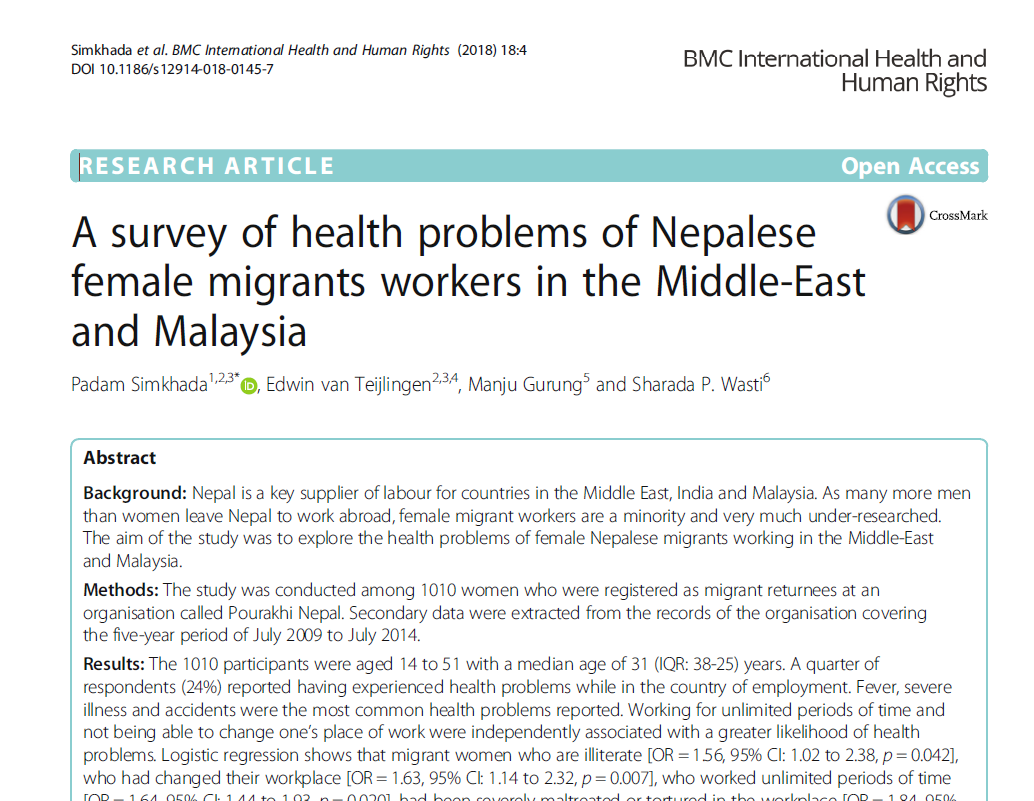
This week the Global Health Journal accepted the latest article on female migrant workers from Nepal [1]. The paper is co-authored by Prof. Edwin van Teijlingen in the Centre for Midwifery & Women’s Health as well as by Faculty of Health & Social Sciences Visiting Faculty Prof. Padam, and other Nepalese co-authors are based in the UK and Nepal. Ms. Manju Gurung is co-founder & strategic advisor of POURAKHI Nepal, an Nepal-based organisation supporting ,migrant workers. Dr. Sharada P.Wasti, is based at the University of Greenwich, and he has collaborated with Bournemouth University academics on several previous academic papers on health, work-related migration and human trafficking [2-4].
The paper highlights the plight of women working abroad and the problems they encounter destination countries. This study reported in this paper was conducted among 1,889 women who were registered as migrant returnees at an organisation called POURAKHI Nepal. The study extracted and analysed data from this non-governmental organisation that
supports returning female migrant workers in Nepal.
Around half (43.1 %) of the women in the study were 35 or older, 30.9 % were illiterate, and 63.6 % were in their first overseas job. Over one-third (38.5 %) had experienced self-reported workplace harassment. Gender-based violence was a serious problem as physical violence was highly prevalent (68 %), followed by verbal abuse (37.5 %), mental stress (29.7 %), and sexual abuse (14.1 %).
Women who worked abroad with the following characteristics were at the greatest risk: those who were illiterate (adjusted odds ratio [AOR]1.25, 95 % confidence interval [CI]: 1.01 to 1.55), unmarried (AOR 1.27, 95 % CI: 1.05 to 1.56), worked abroad twice or more years (AOR 1.35, 95 % CI: 1.10 to 1.66), changed their place of work (AOR 2.38, 95 % CI: 1.42 to 4.01), lived without documents (AOR 1.24, 95 % CI: 1.03 to 1.50), worked as domestics (AOR 3.56, 95 % CI: 2.03 to 6.23), worked in other than Gulf Cooperation Council (GCC) countries (AOR 1.45, 95 % CI: 1.06 to 1.99), women who did not have a fixed salary (AOR 1.64, 95 % CI: 1.28 to 2.10) and did not receive salary (AOR 3.71, 95 % CI: 2.88 to 4.77) were more likely to be harassed at work.
The authors recommend that the host governments should introduce and enforce policies protecting women in the workplace. Moreover, migrant women should be provided with better information about health risks and hazards as well as how to improve preventive measures in destination countries to reduce workplace harassment.
Centre for Midwifery & Women’s Health
References:
The journal PLOS Global Public Health informed us that our paper ‘Exploring the motivations of female community health volunteers in primary healthcare provision in rural Nepal: a qualitative study’ [1] has been formally accepted in the Open Access journal.
Dr. Sarita Panday is based at the Univeristy of Essex and Dr. Amy Barnes is based at the University of York. This paper is part of the first author’s Ph.D. project at the University of Sheffield, and it is the third second paper from her Ph.D. thesis as previous academic articles have appeared in BMC Health Services Research [2] and PLoS ONE [3].
Prof. Edwin van Teijlingen
Centre for Midwifery & Women’s Health
References:
Last week we found out that the paper ‘Moral panic, fear, stigma, and discrimination against returnee migrants and Muslim populations in Nepal: analyses of COVID-19 media content’ was published by the Journal of Media Studies [1]. This latest paper is co-authored by Dr. Nirmal Aryal and Dr. Pramod Regmi in the Department of Nursing Sciences, Prof. Edwin van Teijlingen in the Centre for Midwifery & Women’s Health (CMWH), as well as former BU employee Dr. Shovita Dhakal Adhokari. The published paper addresses the effects of COVID-19 stereotyping and so-called ‘othering’ on migrant workers returning home to Nepal is the latest article in a long line of publications by Faculty of Health and Social Sciences (FHSS) academics.
This BU team (including former and current PhD students) has published over thirty papers on a wide range of aspects related to migrant and their work, health and well-being [2-31].
References:
Bournemouth University of part of a research consortium that has recently been awarded a Dissemination Award from the Medical Research Foundation (MRF).
Last week the MRF announced that it has granted £30,294 for a project to ‘Strengthening Nepal’s health systems’. This Dissemination Award has been offered to expand the reach and impact of our recently completed study which was funded by the UK Health Systems Research Initiative [Grant ref. MR/T023554/1]. In this larger Nepal Federal Health System Project we studied the effects on the health system of Nepal’s move from a centralised political system to a more federal government structure in 2015. This interdisciplinary project was led by the University of Sheffield in collaboration with Bournemouth University, the University of Huddersfield, Canterbury Christ Church University and two institutions in Nepal: MMIHS (Manmohan Memorial Institute of Health Sciences) and PHASE Nepal.
Prof. Edwin van Teijlingen
CMWH
This week the Asia Pacific Journal of Public Health (APJPH) accepted our latest paper from our research on the impact of the federalisation of the health care system in Nepal. This paper ‘COVID-19 as a challenge to Nepal’s newly federalised health system: capacities, responsibilities, and mindsets’ has Bikesh Koirala as first author [1].
This recently completed study was funded by the UK Health Systems Research Initiative [Grant ref. MR/T023554/1]. In this larger Nepal Federal Health System Project we studied the effects on the health system of Nepal’s move from a centralised political system to a more federal government structure in 2015. This joint project was led by the University of Sheffield in collaboration with Bournemouth University, the University of Huddersfield, Canterbury Christ Church University and two higher education institutions in Nepal: MMIHS (Manmohan Memorial Institute of Health Sciences) and PHASE Nepal.
This is the seventh paper from our collaboration. Previous papers focused on a wide range of aspects of this interdisciplinary study, including on its methods, participatory policy analysis, the WHO (World Health Organization) health systems building blocks, and public health [2-7].
Prof. Edwin van Teijlingen
CMWH (Centre for Midwifery & Women’s Health)
References:
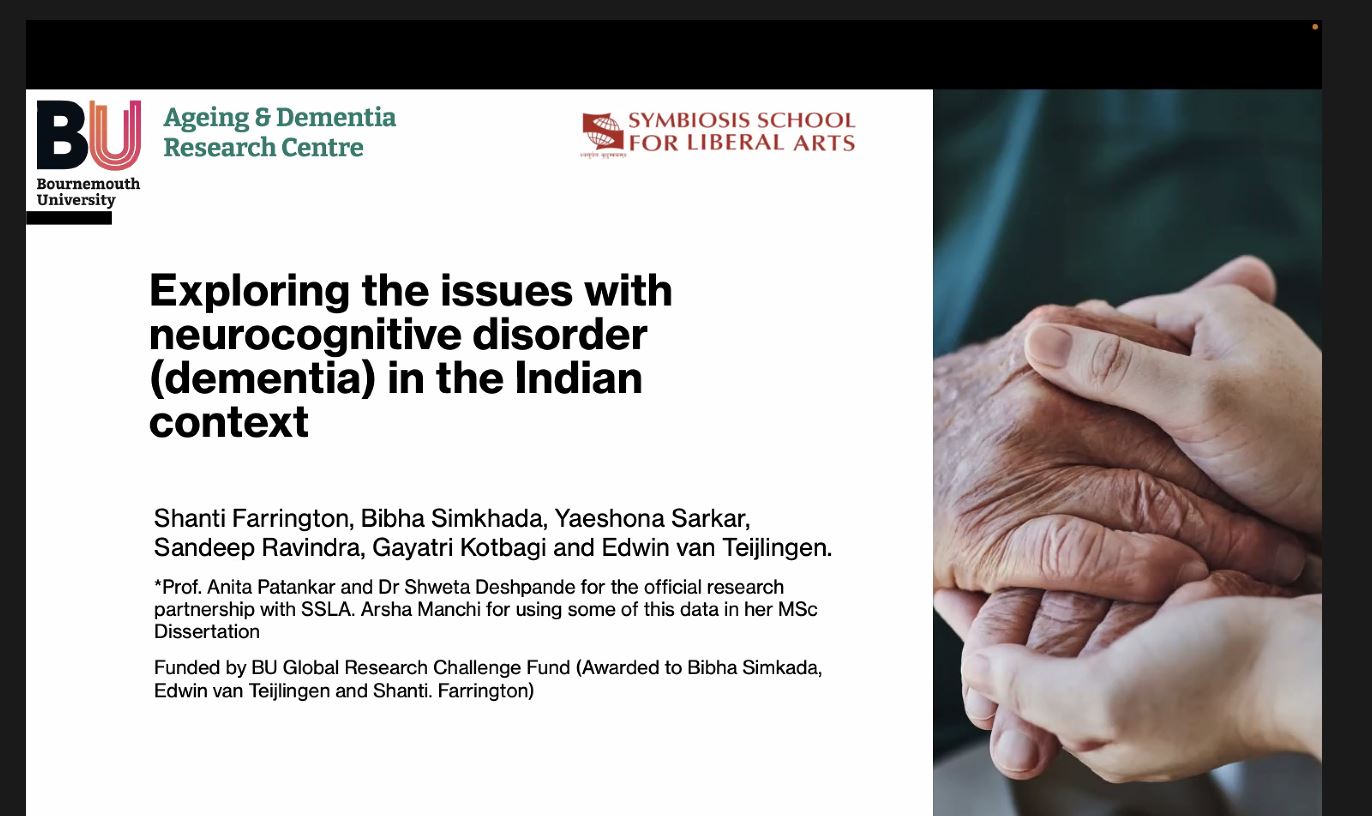
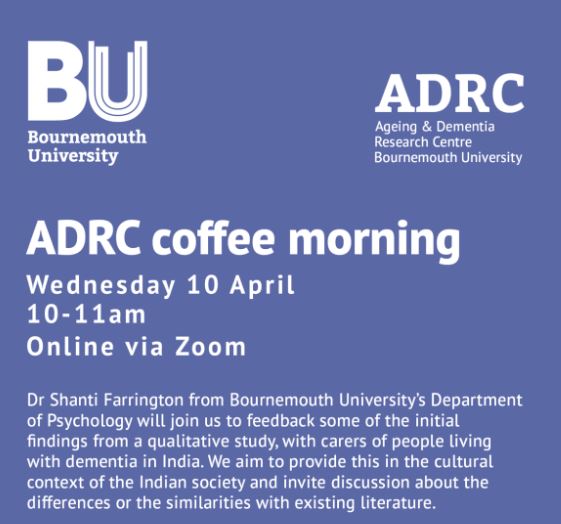
Today Dr. Shanti Farrington, Principal Academic in Psychology, presented our research work on dementia in India today. She was invited to speak to the ‘Research Participation Group of the Ageing & Dementia Research Centre (ADRC) at Bournemouth University. She addressed a range of interesting issues, for example she spoke about lack of training of health care workers in dealing with people living with dementia, but also in lack of experience in diagnosing different forms of dementia. She also spoke about the lack of experts neurologists in India, and the ageing population in this vast country.
The discussion with the online audience also covered the role of diet in prevention of dementia and the limitations of using online health promotion material and general information on dementia in English, where some many languages are spoken. The underpinning research was largely funded by GCRF (Global Challenges Research Fund).
Prof. Edwin van Teijlingen
CMWH (Centre for Midwifery & Women’s Health)
Today ResearchGate notified us that our paper ‘Caste Exclusion and Health Discrimination in South Asia: A Systematic Review’ has been cited 40 times [1]. This paper is based Dr. Raksha Thapa’s work for her Ph.D. in FHSS. This postgraduate project focused on caste-based inequity in health care utilization in Nepal, particularly focusing on people at the bottom of the caste hierarchy, commonly known as Dalit communities. Her Ph.D. study was supervised by Dr. Pramod Regmi, Principal Academic in the Department of Nursing Sciences, Prof. Vanessa Heaslip Professor of Nursing and Healthcare Equity at the University of Salford and Prof. Edwin van Teijlingen in the Centre for Midwifery & Women’s Health (CMWH). Raksha published two further papers from her thesis [2-3].
References: