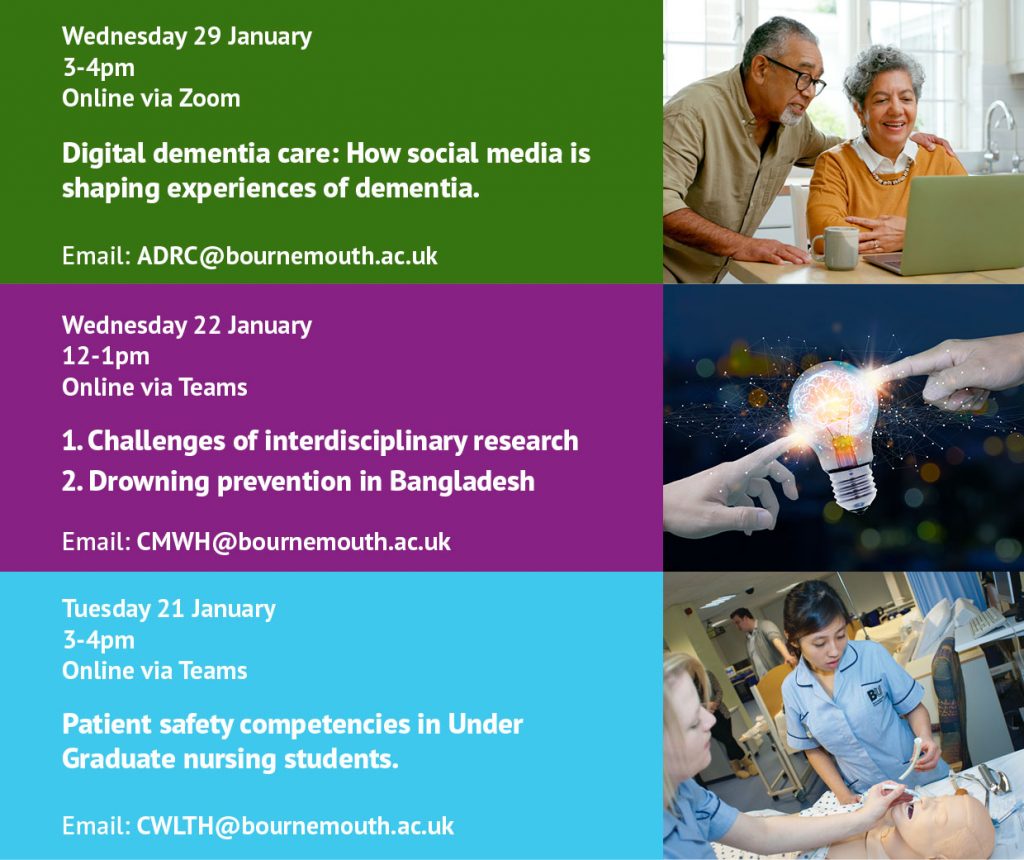
Join our faculty seminars happening this month, email the specific centre for more information.
Latest research and knowledge exchange news at Bournemouth University
The BU PIER Partnership have joined forces with Community Action Network Dorset (CAN), The HealthBus Trust and the Lantern Trust to deliver a series of webinars and workshops to build capacity in the voluntary and community sector (VCS) to actively collaborate in shaping, designing and undertaking health, social care and community research. The series is funded by NHS England as part of the Dorset Research Engagement Network funding where PIER have been co-designing with community partners methods and approaches for collaborating with marginalised groups who are currently under-served by research, by drawing on the expertise of VCS partners who are embedded in these communities.
If you would like to attend or to share with your community partners, please see here
Webinars:
https://can100.org/event/introduction-to-research-and-the-role-of-the-voluntary-sector/
In person workshops:
Weymouth:
https://can100.org/event/building-research-capacity-workshop/
Bournemouth:
https://can100.org/event/building-research-capacity-workshop-2/
If you would like to hear more about earlier phases of this project where PIER have been co-designing how people who are homeless and vulnerably housed and VCS partners want to have a voice in research, see here.
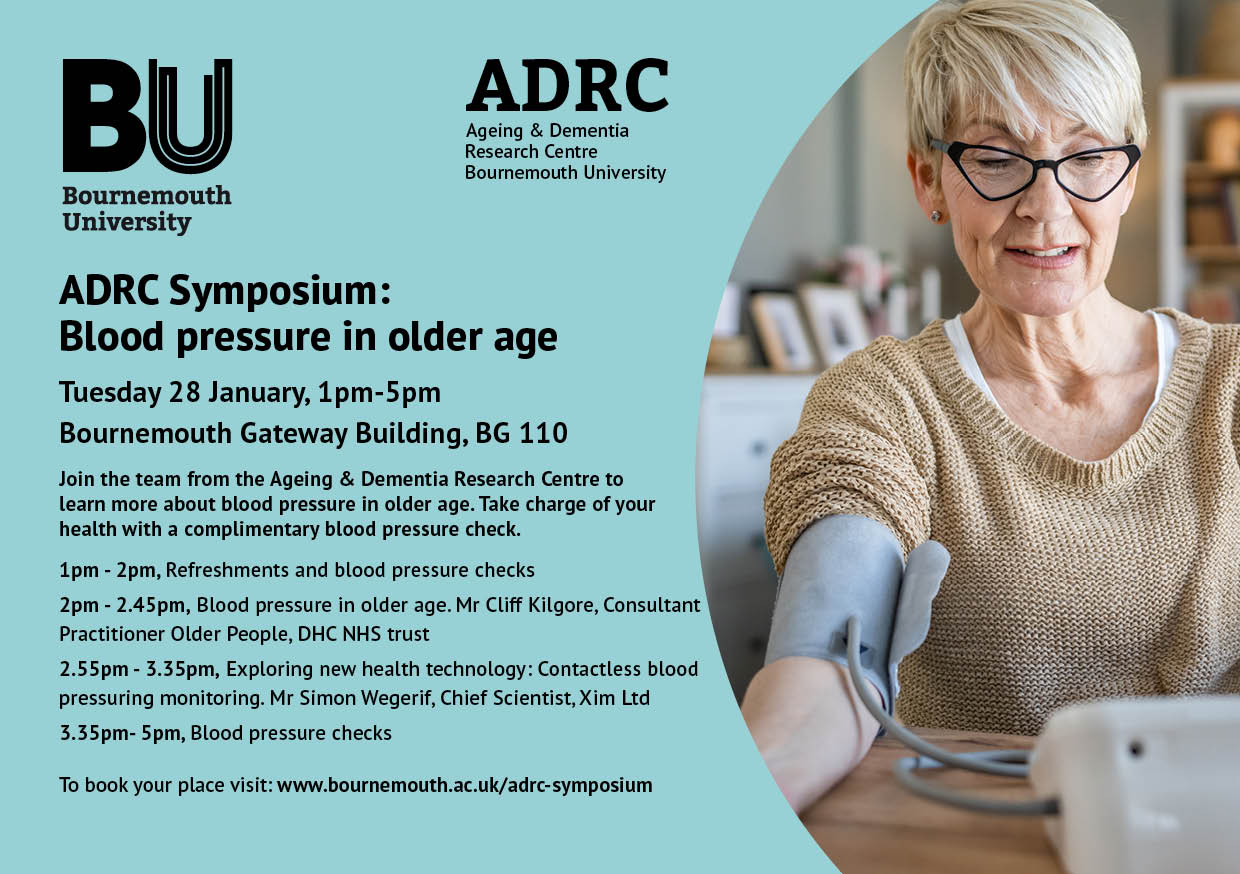
http://www.bournemouth.ac.uk/adrc-symposium
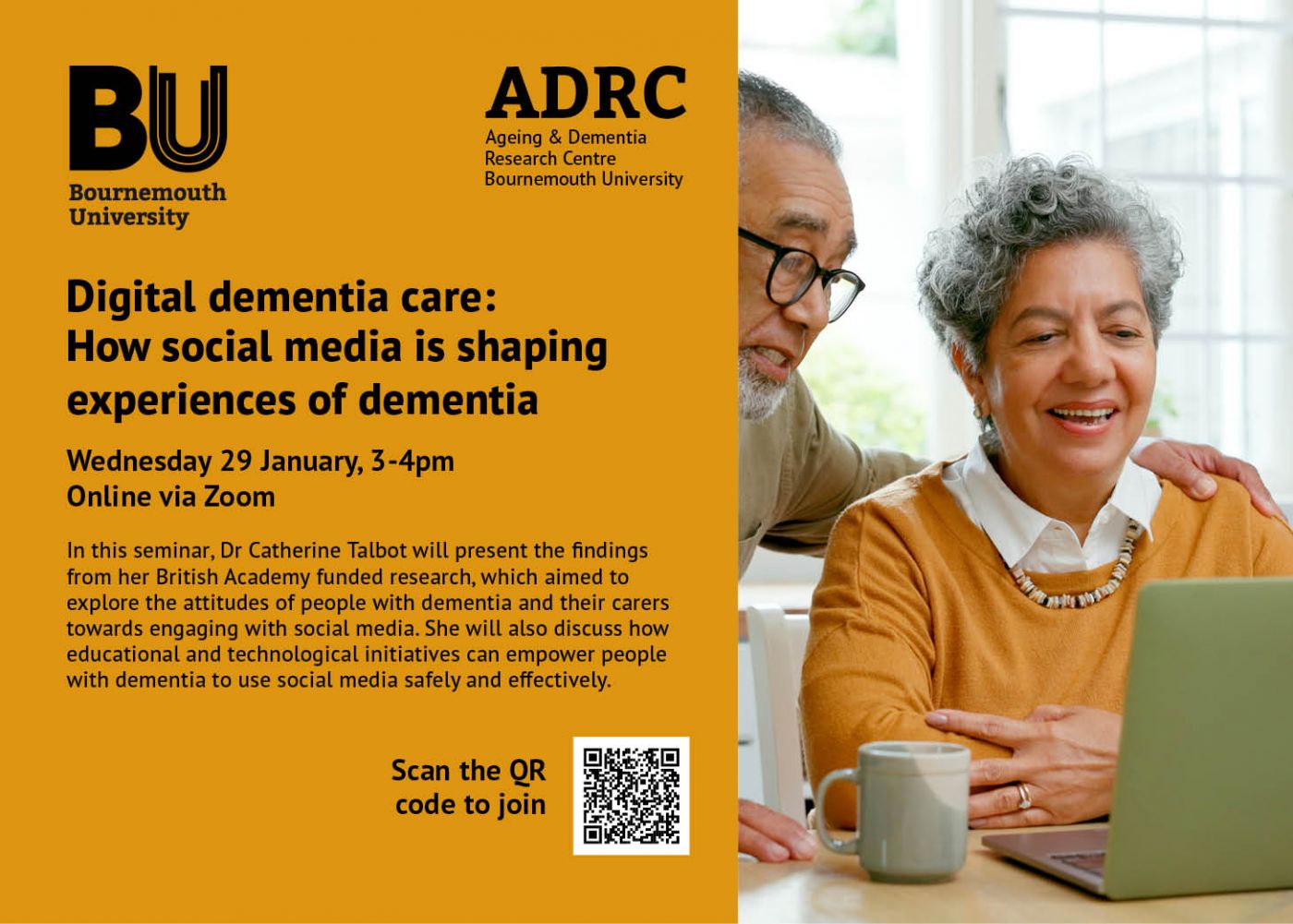
With a rapidly growing population of people affected by dementia and increasing global emphasis being placed on early and timely diagnosis, it is vital to explore creative ways of supporting those affected. Social media has potential to mitigate some of the challenges associated with dementia, by facilitating social connectivity and access to information. Despite these possibilities, research in this area is scarce, and social media platforms are not designed with the specific needs of people with dementia or their carers in mind. In this talk, Dr Catherine Talbot will present the findings from her British Academy funded research, which aimed to explore the attitudes of people with dementia and their carers towards engaging with social media. She will also discuss how educational and technological initiatives can empower people with dementia to use social media safely and effectively.
The British Science Festival will take place across the city of Liverpool from the 10 – 14 September 2025, and will be hosted in partnership by the University of Liverpool and Liverpool John Moores University.

Anyone can propose an event. Artists, researchers, community activists, critical thinkers, industry partners, charities and beyond- from across disciplinary backgrounds are invited to submit proposals events, activities or installations.
 The British Science Festival celebrates science in its broadest sense. The programme showcases cutting-edge science, technology and ideas that challenge, inspire and excite audiences. Each year, thousands of people come together to celebrate the latest developments in research and to engage in open discussion about issues affecting our culture and society.
While the primary focus is on events programming, the organisers are keen on programming public installations and welcome proposals that could be hosted throughout the festival in site-specific locations like shopping centres, public buildings and town squares.
The Festival is free and open to all, but content should be tailored to an adult (16+) audience.
The target audience for the programme is:
The organisers particularly welcome creative content that challenges perceptions of what science is and can be. They anticipate that the majority of events in the 2025 programme will use a range of participatory formats and take place outside traditional lecture-theatre settings. A limited number of talks and panel discussions will be programmed.
To submit a proposal for an event please complete the proposal form.
The deadline for open call applications is 23.59 on Monday 20 January 2025.
Before developing and submitting your proposal, you are encouraged to read the FAQs
If you have any questions, or if you would like to discuss your proposal, please email festival@britishscienceassociation.org.
Alternatively, should you wish to discuss your application with BU’s Public Engagement with Research team, please contact publicengagement@bournemouth.ac.uk.
On Friday 29th November we welcomed BU PGR Antonino Chiaramonte to present a concert of audiovisual compositions from his recently completed PhD studies in the Faculty of Media and Communication here at BU.
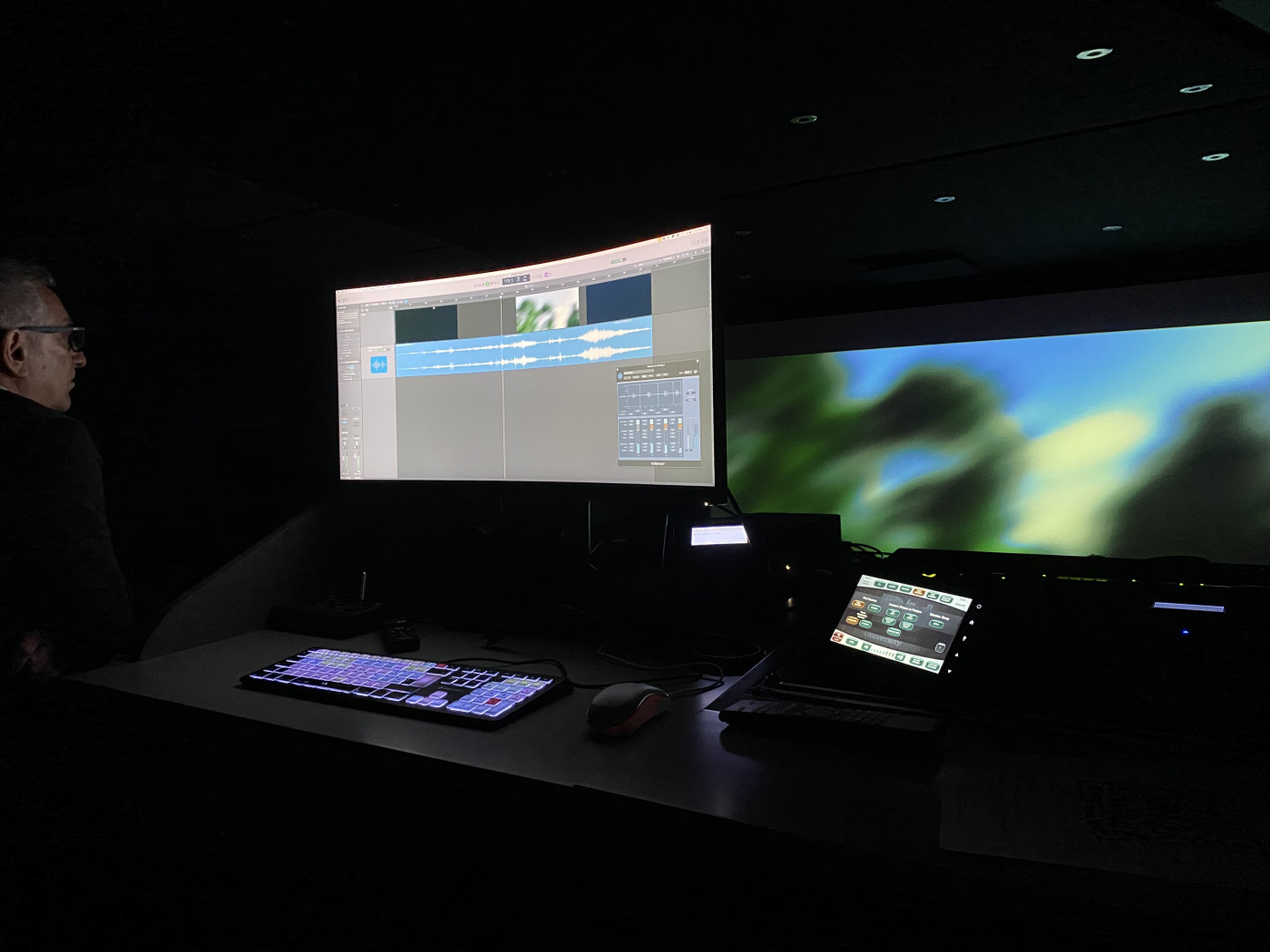
Performance of the work in the PGB Screening Room
Antonino’s practice-based research explores intermedial interference in electroacoustic audiovisual composition, investigating the combination, integration, and fusion of sound and the moving image. Some of the resulting works were presented in concert in the PGB Screening Room, featuring immersive surround sound.
Thanks to the students, staff and members of the public who attended and who helped make this a fitting way to mark the completion of Antonino’s PhD journey.
Antonino’s audiovisual music can be found here.
Organised by members of EMERGE Research Centre.
In this month’s Research Connect seminar, organized by the Department of Marketing, Strategy, and Innovation in the Business School, we had the pleasure of hearing two captivating research presentations. Dr. Dayle Child explored the topic “Too Much of a Good Thing? The Double-Edged Sword of Meaningful Work,” highlighting the benefits and challenges of meaningful work among sales employees. Meanwhile, Shuyu Wan, preparing for her major review, shared her PhD progress on how brand attributes and consumer ethnocentrism/xenocentrism shape Chinese skincare purchase decisions.
The seminar was well-attended by colleagues and PGR’s and inspired engaging discussions on both topics. This was our final session for 2024. I’m truly grateful for the support and enthusiasm shown by colleagues in presenting, attending, and contributing to this seminar series. Their active participation has been instrumental in enriching our research culture across departments within the Business School.
Our Research Connect seminars will resume in 2025, with the first session scheduled for January 22nd, 4–5 PM in F306 with an opportunity to continue our research discussion in Dylan’s afterwards. If you have any questions or would like to participate in the 2025 seminar series, feel free to reach out to me at sashraf@bournemouth.ac.uk.
Wishing you a wonderful festive break and a happy New Year! See you in 2025.
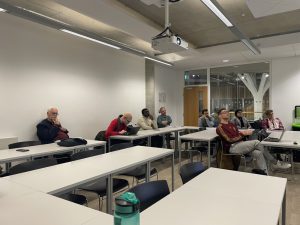
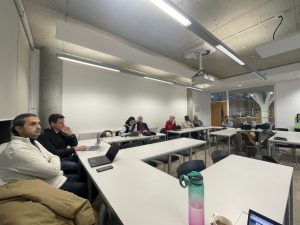
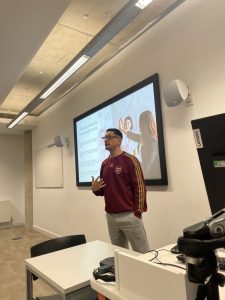
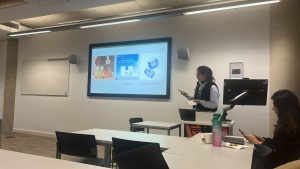
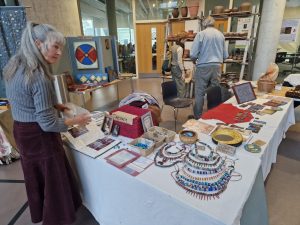 Last week we saw over 220 archaeologists from all over the world gather on Talbot Campus for the 45th annual meeting of the Theoretical Archaeology Group (TAG), organised by Department of Archaeology and Anthropology staff and students. Over two and a half days, 25 separate sessions with over 230 research papers were presented, mostly in the Fusion Building.
Two keynote lectures were delivered by Prof Ian Hodder on “Archaeological Theory since 1984 and the Politics of Human Displacement” and Gill Hay on “Mrs Thatcher and the privatisation of knowledge: the evolution of archaeological practice in Britain since 1990”.
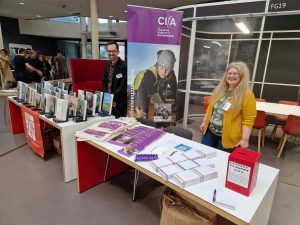
In addition, key stakeholders such as the Council for British Archaeology and the Chartered Institute for Archaeology, Butser Ancient Farm, BU’s The Sanctuary heritage, craft and wellbeing group, as well as academic publishers and other heritage-related vendors held stalls.
 BU continued the recent TAG tradition of awarding prizes. This year’s TAG Prize for outstanding theoretical contribution was awarded to Dr Rachel Crellin of Leicester University. The Don Henson prize for best student debut paper went to Heather Ford of the University of Glasgow, with three commendable mentions also awarded – one of which went to BU’s postgraduate researcher Ingrid O’Donnell.
Written by Dr Fabio Silva
Hello, fellow PhD researchers! 🌟
Picture this: You, a PhD student, presenting your research at your first academic conference. It’s an exhilarating experience! I just returned from the three-day Complex Networks 2024 conference in Istanbul, Turkey, where I had a chance to present poster on our published paper on spread of congestion on urban road networks. Here, I’d like to share why attending academic conferences is a valuable experience.
Conferences are vibrant hubs buzzing with experts in your field. They provide the perfect opportunity to network, exchange ideas, and establish relationships that could shape your career. I had the privilege of meeting researchers from leading institutes, departments, and labs focusing on Complex Networks, including the Complexity Science Hub (CSH), Vienna, and the Centre for Complexity and Complex Networks, City University of Hong Kong.
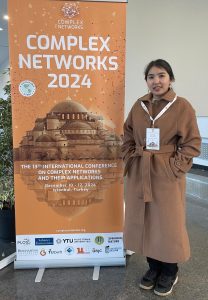
Attending conferences gives you access to the latest research trends and cutting-edge findings, sparking fresh ideas for your own work. I participated in fascinating sessions on road network dynamics and emerging trends in Urban Systems, Mobility & Networks, and Machine Learning & Networks. These sessions offered valuable insights and broadened my research perspective.
One of the most inspiring aspects of conferences is the chance to meet the scholars who have shaped your research journey. I was thrilled to meet my academic hero, Professor Piet Van Mieghem from Delft University of Technology. His work greatly inspired my supervisor and me to do our research on congestion spread in road networks. Meeting him in person and discussing his work was truly exciting and motivating.
Conferences are about more than just academics—they’re also a chance to grow personally. Traveling to Istanbul allowed me to experience Turkish culture, delicious Turkish cuisine, and enjoy the renowned hospitality.
Preparation is essential! Perfect your presentation, research the speakers, and connect with participants ahead of time to maximize your conference experience.

My journey to this conference was made possible by the Scholarship for Events on Complex Systems (SECS) from the Young Researchers of the Complex Systems Society. 🌐✨ Special thanks to my supervisor Dr Wei Koong Chai.
With respect,
Assemgul Kozhabek
 30 early career academics from ten London universities came together on the 26-27 November at Greenwich University for a two-day interdisciplinary sandpit funded by The British Academy Early Career Researcher Network and facilitated by Dr. Catalin Brylla (Centre for the Study of Conflict, Emotion, and Social Justice) and Dr. Lyle Skains (Centre for Science, Health, and Data Communication Research).
 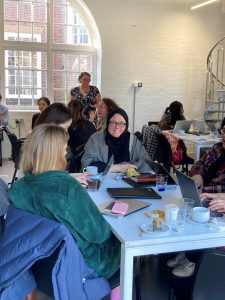 The participants specialised in a variety of disciplines such as psychology, anthropology, policy studies, performance, media, tourism, environmental sciences, architecture and law. They brought their interests in a sustainable world and society (as represented by the UN Sustainable Development Goals) to the sandpit for networking, team-building, funding and project development workshops, many of which were based on the successful and innovative NESTA-developed ‘Crucible’ programme (no longer online, but see the Welsh Crucible).
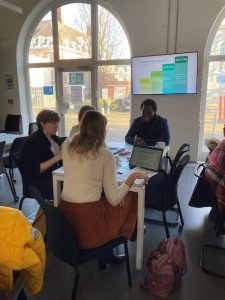 experts provided mentorship and feedback on the projects as they developed toward funding proposals. Two sandpit follow-up sessions will also aid the participants in developing their funding proposals.

Last Wednesday we had the pleasure of hosting the Director of Leverhulme at Bournemouth.
Professor Anna Vignoles talked to us about the small but mighty team she leads (one of the most responsive funder teams), the Trust’s approach to funding and all the various funds they offer, gave us valuable insights and tips on making our cases heard at the applications and left us all inspired to think big.
Really important to hear from Funding leaders such as Anna during these difficult times for the sector and the high number of attendance made that very clear as well.
Please get in touch with the Research office if you have any ideas you wish to discuss, no matter how much out there your idea might be, you will get a sympathetic ear from us and support to find the most fitting funder.
Thanks to Anna and those who attended our session,
Eva
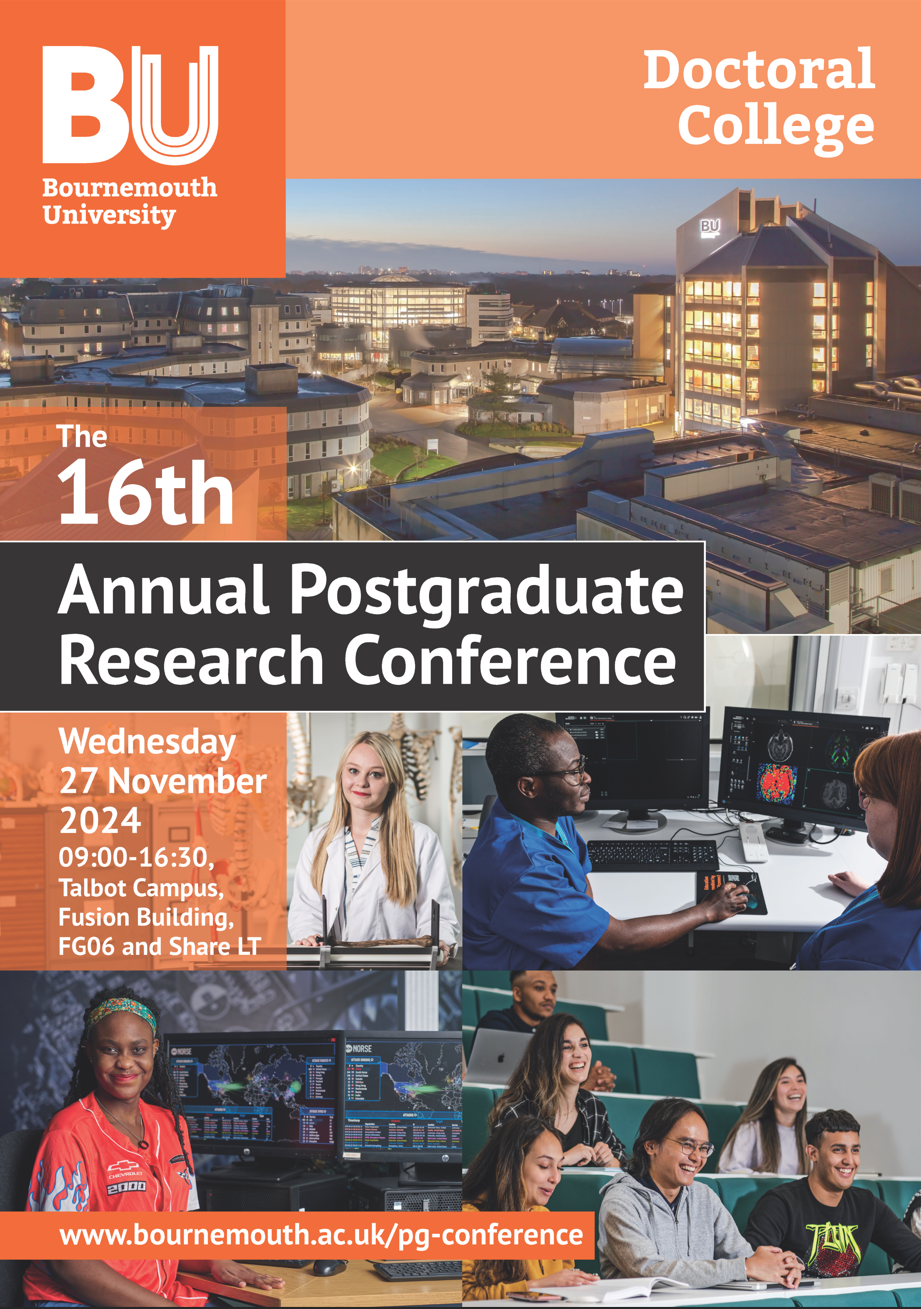
Thank you to all of our presenters, poster exhibitors, session chairs and of course delegates who supported the 16th Annual Postgraduate Research Conference. It is always a highlight on the Doctoral College events calendar and we hope you all enjoyed the day.
We were thrilled with the energy and enthusiasm on the day, and we were delighted to see a strong turnout of PGRs and colleagues showing their support and helping to promote a positive research culture and community across BU.
Here is some of the feedback received:
“Always an uplifting and inspiring event. I highly recommend attending in any capacity – as a guest or contributor.”
“Loved the atmosphere”
“I enjoyed it all. I gained confidence in exhibiting my poster and enjoyed networking with others.”
If you attended, either as a presenter or delegate, we would love to hear your feedback via this anonymous feedback form.
Your feedback will help us improve future conferences so please let us know your thoughts, or just let us know what you liked most!
Feedback collection will close soon – 11 December 2024.
You can see some highlights of the day on LinkedIn #BUPGRConf24 and a video here.
Virtual Exhibition and Postgraduate Research Showcase
Did you miss the conference? Do not worry, you can visit our Virtual Exhibition on the BU website and in February you will be able to visit the Atrium Gallery to view a selection of the conference posters.
We will be holding a celebration event on Wednesday 5 February 2025, with more information to follow so watch this space!
The Conference Team

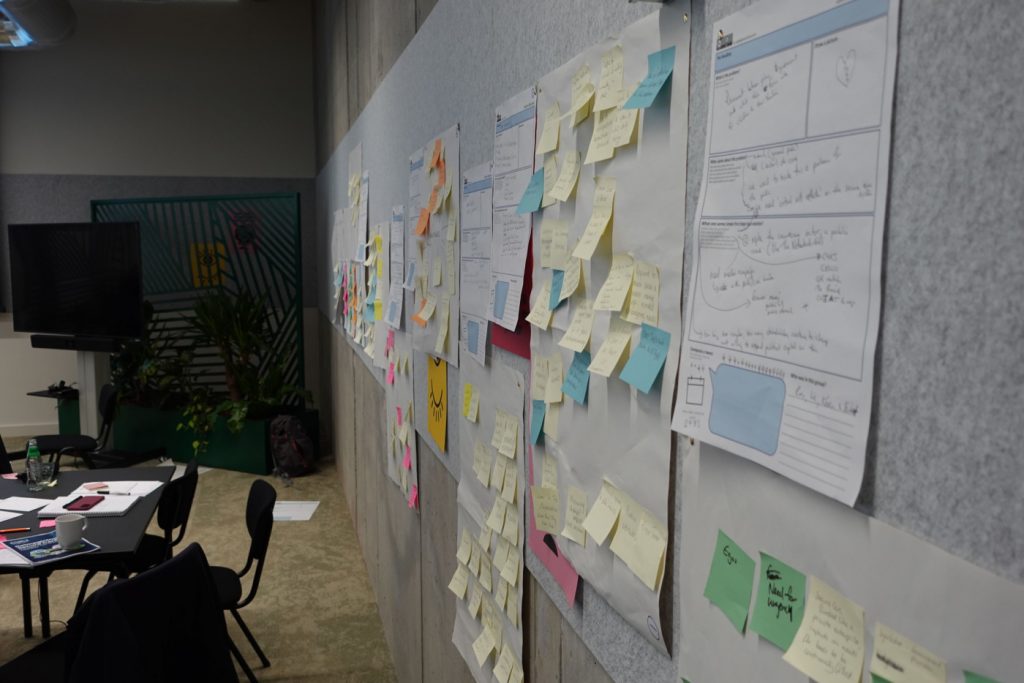
The event was designed to explore critical questions in developing secure care for children, offering national and global perspectives. Secure care, in its traditional form, is locked institutional care for children aged 10 to 17. Children can enter secure care either on criminal justice grounds, when aspects of their behaviour are considered to pose a risk of harm to others, or on welfare grounds, when the risk of harm is to themselves, though there is often an overlap. Our workshop aimed to explore how the continuum of services, including secure care could evolve to better meet the needs of the children, and young people who may require such responses and often come from challenging backgrounds, with experiences of childhood trauma and poly-victimisation. The event’s target audience included practitioners, managers, and stakeholders who are involved with secure care for children.
To start with the most important bit, the food at the venue – which itself was very cool – was incredible. The day started with freshly baked pastries, followed by cakes mid-morning, a delicious grazing platter for lunch (with some accidental haggis consumption by one member of our party!), and an unexpected, yet very much enjoyed, basket of pittas, olives and homemade houmous in the afternoon. If nothing else, our attendees went home full, but we have a feeling they took away much more than satisfied taste buds.
Kicking off the day, three experts provided insightful presentations to secure care in their respective jurisdictions. First, Donna McEwan and Dan Johnson presented the recently released CYCJ ‘Re-Imagining Secure Care’ report. Donna detailed key questions that need to be asked when we think about what the future of secure care could look like, including:
The second presentation, by Eva Mulder (Professor by Special Appointment at the University of Amsterdam), was particularly impressive as Eva and her colleagues had spent the night standing on the street following a fire alarm at their hotel, and Eva had not had any sleep. Hats off to Eva! Eva described her research exploring how secure institutions can be made to look and feel like home, using young people’s photographs of home. It was interesting to hear how ‘home’ was conceptualised in terms of feelings – for example, home is somewhere where there are people you know, you feel like you belong, you can be alone when you want to be, there is food that you like, and you feel free. Eva encouraged us to contrast these ideas with how institutional buildings make children feel. Eva described new small-scale residences for children in the Netherlands, without locked doors, where there is continuity with a small team of staff and integration with the community. Research in these places revealed that staff feel that they can develop better relationships with the young people, and the young people want to make more of an effort with the staff and their treatment, and parents feel more included. Eva ended by describing how there is a campaign in the Netherlands to end secure care completely, and how this requires a solution within the community that can keep children safe.
Last, but by no means least, Dr Kate Crowe took to the stage. Kate was awarded a Churchill Fellowship in 2022 to investigate alternatives to secure care in Hawaii, Canada, Scotland and the Netherlands. In 2023 she was awarded a Creswick Fellowship and she travelled to Iceland, Finland and Scotland to investigate the position and design of secure care in light of Australian jurisdictions raising the minimum age of criminal responsibility (MACR). Kate prompted the audience to consider how models of secure care might need to change as the MACR increases. She also posed the perennial question in this area – should children on welfare placements be placed alongside children deprived of their liberty on criminal justice grounds? Along with other details from her travels, the audience were very intrigued to find out from Kate that all secure facilities in Finland have saunas!
With these thought-provoking presentations in mind, participants were divided into six focus groups. Discussions between the group members were audio recorded so that they could be captured as research data. Participants explored critical questions, such as:
At the end, participants explored three core questions that aim to lead to calls for action in the participant’s respective spheres of influence:
Several preliminary findings emerged from the discussions:
This event was about exchanging information, but it also aimed at suggesting meaningful options for further development. The participants shared creative ideas, and the discussions showed a willingness to push for progress to improve care for arguably the most vulnerable children in out-of-home care.
One of the most interesting ideas was to embed secure care services more closely in local communities. This would promote closer cooperation among providers, mental health services, and educational support systems.
At the end of the event, it became clear that this seminar was a stepping stone towards future progressive developments in secure care. Participants identified critical areas for immediate action, both within secure care settings and in the broader community and at the intersection between these two worlds. This is crucial for building a system that protects children and communities and supports their long-term rehabilitation and reintegration.
This workshop was a success because it allowed participants to share knowledge, discuss challenges, and develop actionable solutions for the future of secure care. It is an essential reminder of how far we have come—and how much further we want and need to go—to ensure that secure care can continue to meet the needs of children and young people who meet the criteria for secure care. This event provided an excellent opportunity to reflect on the challenges in secure care and consider future development options.
This event also acts as a reminder of how much can be achieved when a group of like-minded people with a common goal come together. We feel privileged to be working with our national and international partners, and we look forward to our next event, wherever in the world that might be. Our thanks go out to our Faculty at Bournemouth University who funded this event.
Wednesday 4 December 2024 at 13.00-14.00
This is an open session for all BU ECRs and PGRs, to discuss any issues around career development, or the ECR experience with the peer network, and receive advice and guidance from the network’s academic leads.
For further information on this event please contact RKEDF@bournemouth.ac.uk
The ESRC Festival of Social Science 2024 has come to an end, successfully bringing together diverse audiences to explore, learn, and engage with BU’s research.
The 2024 festival, which included 324 nationwide events, had ‘our digital lives’ as a central theme. Many of the events examined the relationship between humans and digital technology, exploring current threats and opportunities, as well as imagining what life might be like in the future.
For the 13th year, BU took part in the festival, drawing over 250 attendees to five engaging events, two of which were also featured in the University of Southampton’s Arts and Humanities Day on Saturday 9 November. In partnership with the University of Southampton for the second consecutive year, the festival showcased a programme of events, ranging from discussions on well-being and cybersecurity to an exhibition highlighting the voices of young LGBTQ+ individuals.

Avonwood Primary School
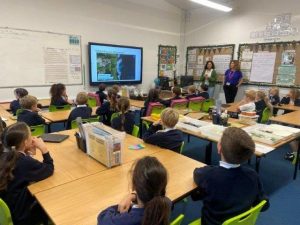
Our festival programme began with ‘Underwater Farms – The Magic of Seaweed’ an exciting opening event for 61 year 3 students at Avonwood Primary School.

Activities with pupils at Avonwood Primary School
BU researchers Anastasia Vayona and Kirthana Pillay visited two classes, where they introduced children between the ages of 7-8 to the wonders of seaweed as a food source and highlighted how underwater farming could play a crucial role in creating a more sustainable future for agriculture. The children were particularly keen to try the seaweed scones!
“…a really informative and fun event that was perfectly pitched for the age of participants…it gave them a chance to explore food and nutrition in a fun, interactive context” feedback from a teacher at Avonwood Primary School
The next event in our programme, ‘Take a Meno(pause)’ exploring well-being through yoga for mid-life -was an interactive session at Pavilion Dance, focusing on the benefits of yoga during the menopause years.
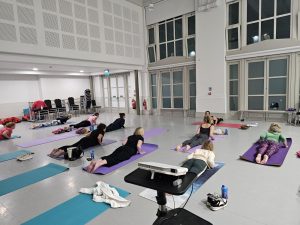
Yoga practice led by Dr Hecquet
Dr Juliette Hecquet’s research looks at yoga’s effectiveness in managing the physical and emotional symptoms of perimenopause, menopause, and beyond. By integrating body and mind, yoga promotes health, strength, and overall well-being during this life stage.
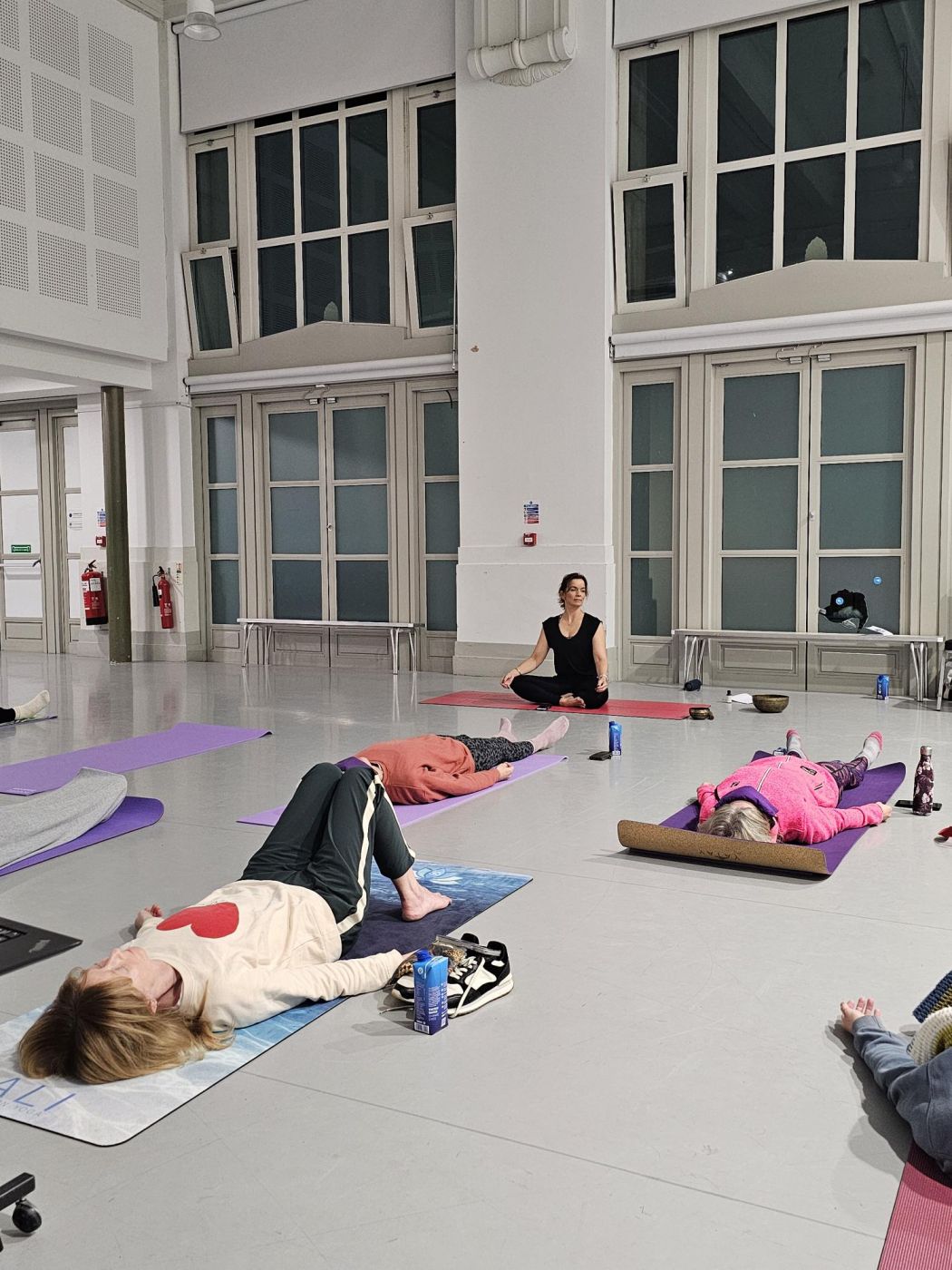
Yoga breathing exercises
Participants learned how yoga can enhance physical and mental health and how mindfulness can support the transition through mid-life. The session also included a guided yoga practice led by Dr Hecquet, with poses and breathing exercises designed to deepen relaxation and improve well-being throughout the menopause journey.
“…very professional and I thoroughly enjoyed it.” feedback from an attendee
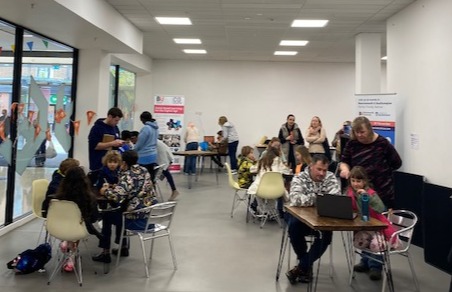
Board game activities at Cybersecurity Family Fun day in Poole Dolphin Centre
BU’s CyGamBIT Team hosted a ‘Cybersecurity Family Fun Day’ at Gather, the hub for community events at the Dolphin Centre in Poole. During half term, this interactive cybersecurity day gave participants of all ages the opportunity to discover practical tools to enhance digital safety, with hands-on activities that made learning about cybersecurity both fun and accessible
 Guided by BU computer science researcher Dr Jane Henriksen-Bulmer and CyGamBIT co-founder and BU PhD student Emily Rosenorn-Lanng, families left with practical takeaways to help keep their information secure and a better understanding of how digital safety affects everyone.
“…granddaughter loved how it taught her about safety online” feedback from an attendee
The ‘Communities of wellbeing: the digital lives of LGBTQ+ young people’ exhibition was displayed at the Lighthouse in Poole from 26 October – 16 November. The artwork highlighted the powerful stories of young LGBTQ+ individuals, who shared their experiences of creating inclusive online spaces where they feel safe, joyful, and have a sense of belonging.
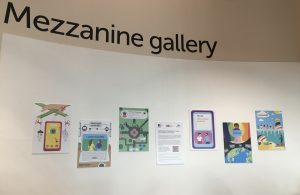
Exhibition displayed at the Lighthouse in Poole
Dr Jayne Caudwell and Dr Francesca Gaunt hosted a series of workshops with LGBTQ+ youth. Through these group discussions, six key themes emerged, including topics like the experience of coming out as LGBTQ+ in online spaces. These conversations inspired the creation of artwork reflecting the themes explored.
The exhibition images and content from the workshops will also be used to create a digital version of the exhibition, coming soon!
“…inspiring – we all have far more in common than our differences – we all need respect and acceptance” feedback from an attendee
Our online workshop, ‘Teaching for Wellbeing: Connecting Practice with Socio-Emotional Support’, led by Dr Esther Anwuzia, covered effective teaching practices to support students’ well-being in today’s challenging environment.
Former teachers Elaine Baker-Smith and Jerry Whitton with a combined 55 years of experience also participated in the session, offering their perspectives on effective teaching practices, and promoting student well-being.
Dr Anwuzia’s research explores how heavy workloads restrict teachers’ ability to reflect beyond teaching and grading. Since the pandemic, an increasing number of students with social and emotional difficulties are absent from school. Focused teaching can help build students’ confidence and support responsible decision-making.

Teacher Zoom Event
The workshop provided an opportunity for teachers to connect, exchange insights, reflect on their experiences, and explore strategies for making a positive impact on students’ lives.
“… I remember having a teacher who explained information in lots of different ways to help with our understanding”
“…really brilliant presentation!” feedback from attendees
A Special Feature – Southampton Arts and Humanities Day
For the first time, BU researchers were invited to participate in the University of Southampton’s Arts and Humanities Day, which took place on Saturday 9 November in the city’s Cultural Quarter. The day offered a range of free interactive activities, workshops, talks, performances, and exhibits.
Attendees had the opportunity to engage with the Young LGBTQ+ stories exhibition, which attracted more than 90 viewers, while Dr Esther Anwuzia hosted a drop-in session on Connecting teaching with student wellbeing, making her own connections with more than 30 educators and members of the public.
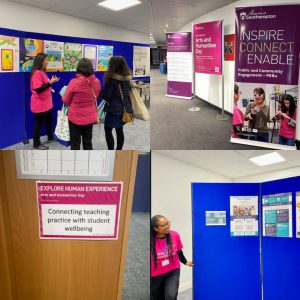
Southampton Arts and Humanities Day
Thank you
A big thank you to everyone who joined us and contributed to this year’s ESRC Festival of Social Science. Your involvement helped make our events a meaningful celebration of the positive impact social science has on our communities.
Applying for the ESRC Festival – what you need to know
Event leads were chosen through a competitive internal application process, with selections determined by a panel of researchers and professional services staff. BU’s Public Engagement Team provided support to help bring their creative and engaging event ideas to life.
If you would like to start discussing your ideas, please get in touch with the public engagement with research team at publicengagement@bournemouth.ac.uk.

The Ageing and Dementia Research Centre (ADRC) at Bournemouth University, with funding from Dementia Research UK, launched a 2023/4 project focused on ex-military veterans—a typically underserved group in dementia research. The project explores veterans’ experiences through collaborative creative workshops, culminating in a documentary-style short film that amplifies their voices and personal stories. During this seminar we will share our film, highlight implications for practice and discuss the next stages of our project.
The seminar is open to all Bournemouth University staff, students, community organisations, and anyone interested in the topic.
Please keep an eye out for upcoming seminars throughout the new year!
Key Details:
• Date: Wednesday 4 December 2024
• Time: 3pm -4pm
• Topic: Veterans and Dementia: A Collaborative Research Project
• Speaker: Dr. Michele Board, Associate Professor Nursing Older People and Co-Lead Ageing and Dementia Research Centre ADRC
See you there!
Microsoft Teams
Scan the QR code below or click on this link:
Meeting ID: 364 666 916 013
Passcode: wJyC7U

BU staff can login below:







 ESRC Festival of Social Science 2026: An Opportunity to Engage New Audiences
 New HIV paper by BU PhD student
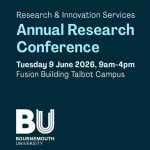 BU Annual Research Conference: Poster Exhibition Call for Applications
 Vitae Three Minute Thesis (3MT®) Competition: Applications Now Open
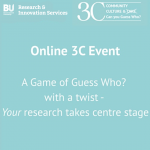 3C Online Social: Thursday 26 March 1–2pm – Research Culture, Community & Can you Guess Who?
 ECR Funding Open Call: Research Culture & Community Grant – Apply now
 ECR Funding Open Call: Research Culture & Community Grant – Application Deadline Friday 12 December ECR Funding Open Call: Research Culture & Community Grant – Apply Now
 MSCA Postdoctoral Fellowships 2025 Call
 ERC Advanced Grant 2025 Webinar MSCA Postdoctoral Fellowships 2025 Call ERC Advanced Grant 2025 Webinar MSCA Postdoctoral Fellowships 2025
 Update on UKRO services
 European research project exploring use of ‘virtual twins’ to better manage metabolic associated fatty liver disease
 Research Information Network