kind regards
Mel, Angela, Pete and Kate.
Latest research and knowledge exchange news at Bournemouth University
kind regards
Mel, Angela, Pete and Kate.
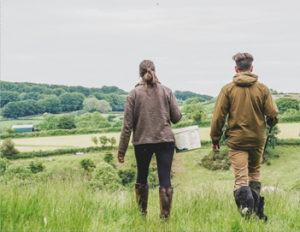
December’s community voices webinar welcomes Nick Viney – Dorset farmers ‘Lookout’ coordinator.
The farming community in Dorset had developed a new initiative to encourage people to be ‘Lookouts’ in their local area, watching for signs that other farmers may be experiencing mental health difficulties and encouraging them to talk.
The ‘Dorset Lookouts’ group is made up of people who live and work in the agricultural industry and understand the multiple challenges that farming faces. The Farming Community Network (FCN) is working with the group and providing training and support.
Lookouts are part of the Dorset farming co
mmunity. They receive basic training in recognising the signs of mental ill-health and are supported by FCN.
Do join us to hear from Nick, about the difference this farmer-led initiative is making, and the many challenges that remain.
Community voices is a collaboration between BU PIER partnership and Centre for Seldom Heard Voices to provide a platform and a voice to local community activists.
Microsoft Teams meeting
Join on your computer, mobile app or room device
Click here to join the meeting
Meeting ID: 397 765 953 34
Passcode: ohbzTW
Download Teams | Join on the web
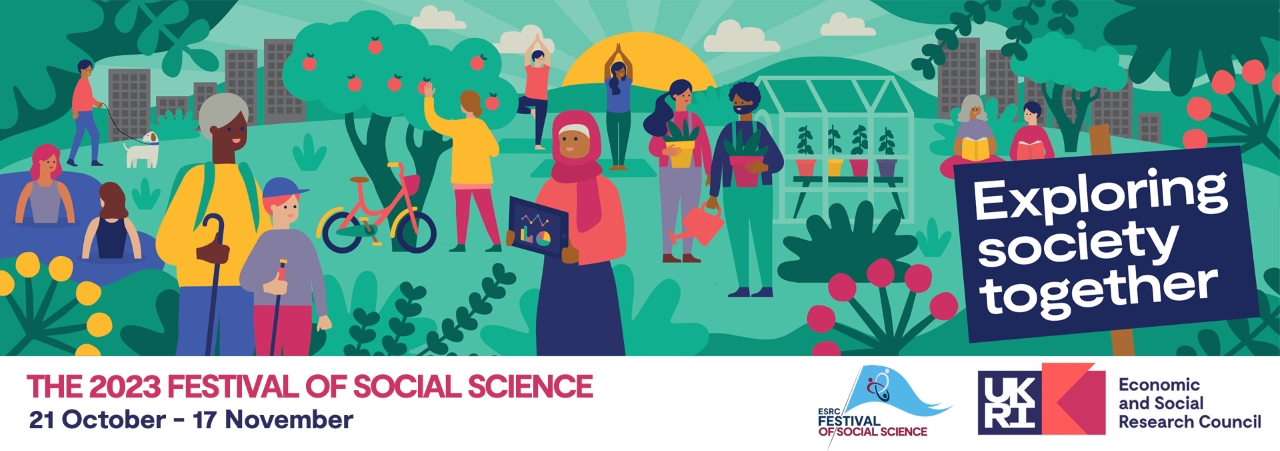
This autumn BU put on a diverse range of events as part of the annual ESRC Festival of Social Science, which saw 387 events held nationwide. The Festival, which celebrates the research of social scientists, focused on a theme of ‘lifelong wellbeing’ in 2023.
BU contributed to the Festival for the 12th year in a row, attracting more than 340 attendees to eight very different events, ranging from an evening celebration of ska music in Dorset, complete with band, to an online webinar aimed at debunking the misconceptions that exist about Long-COVID. For the first time, BU partnered with the University of Southampton, running two joint events.
The Festival is designed to promote and increase awareness of social science and ESRC-funded research, enable social scientists to engage with non-academics and increase awareness of the contributions the social sciences make to the wellbeing and economy of UK society.
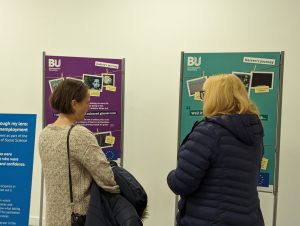
Our festival programme kicked off with ‘Life through my lens: Tackling weight and unemployment’, a drop-in, interactive exhibition in Poole’s Dolphin Centre.
Dr Sophia Amenyah and Professor Lee-Ann Fenge led the day-long event, which showcased photos and stories from participants in the ASPIRE project.
This project explores how to reduce unemployment and obesity at the same time by supporting people to make healthier lifestyle choices.
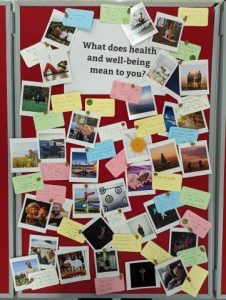
Curious shoppers were able to pop in and view the exhibition and could choose their own images to illustrate what health and wellbeing meant to them and add comments to a collage.
Many passers-by spent time chatting to the researchers and volunteers from Healthwatch, the independent champion for people who use health and social care services 
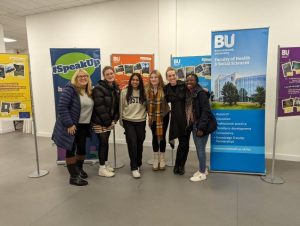
“It was really interesting to reflect upon modern and traditional approaches to healthcare” Feedback from attendee
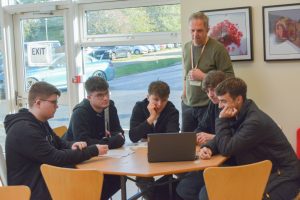
BU researchers and cyber security undergraduates teamed up with cyber technology organisation CyNam to deliver ‘CyGamBIT – using play to stay safe online’ for pupils from Years 12 and 13.
BU Professor of Forensic Security Vasilis Katos welcomed students from four different schools, who got to play CyGamBIT, a game designed to engage young people with current and emerging online threats to enable them to stay safe online. 
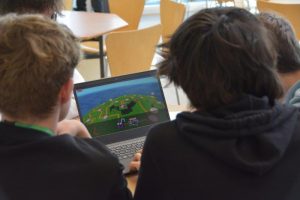
Members of BU’s CyGamBit team, including Dr Jane Henriksen-Bulmer, Emily Rosenorn-Lanng and Stevie Corbin-Clarke were on hand to answer questions about the game and students also heard from BU undergraduates about the cyber security courses on offer at the university.
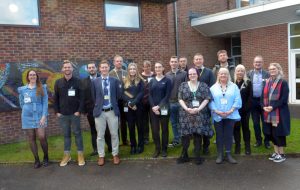
“I knew the pupils would get far more out of this than me just talking to them about it” Feedback from Mark Mortell, Head of Computer Science, Parkstone Grammar School
“Great event, top work!” Feedback from school attendee
The next event in our series, ‘UK drowning: Turning the Tide’, took place at the RNLI College on Poole quayside, which looked at how to stay safe when swimming in open water.
Dr Sam Hills, whose research looks at the risk factors associated with drowning, led an interactive session with colleagues from BU and Dr Martin Barford from Leeds Trinity University for a packed room of wild-swimming enthusiasts and others interested in drowning prevention. Dr Jill Nash from BU discussed her ongoing research project exploring the influence of emotions on RNLI communications and their link to behaviour change.
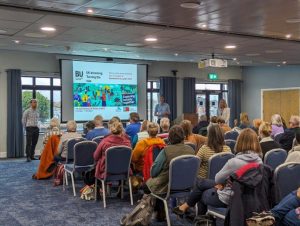
Attendees had a go at line-throwing, with the help of RNLI volunteers, tested their physiological response to cold water (one arm only immersed!) and tried out an immersive virtual reality experience.
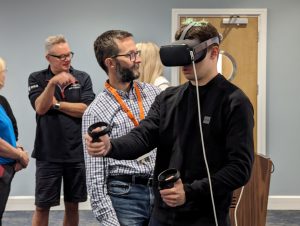
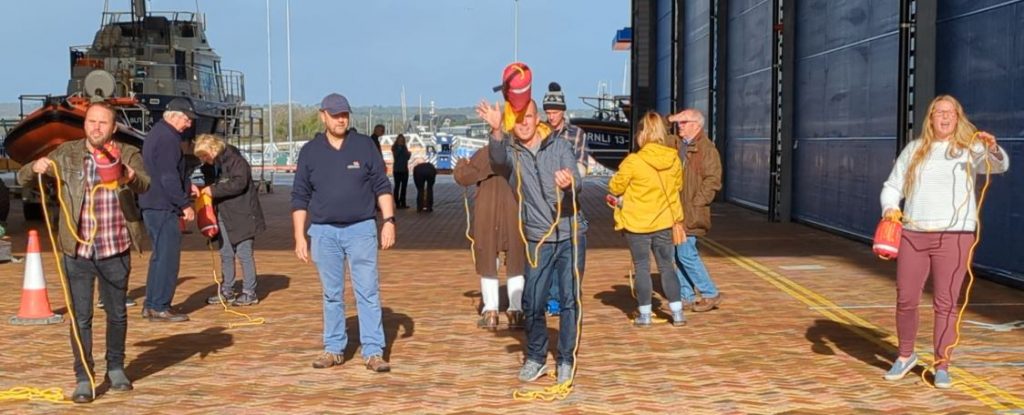
“Love how interactive it was. Very informative and I’m interested in following this research in future” Feedback from attendee
Our following event was a real departure from previous years – ‘Two-tone towns: A social History of Ska in Dorset’ combined talks from Dr Ian Gwinn and Dr Tabitha Baker with video interviews and a roof-raising set from local ska band The Guns of Navarone! 
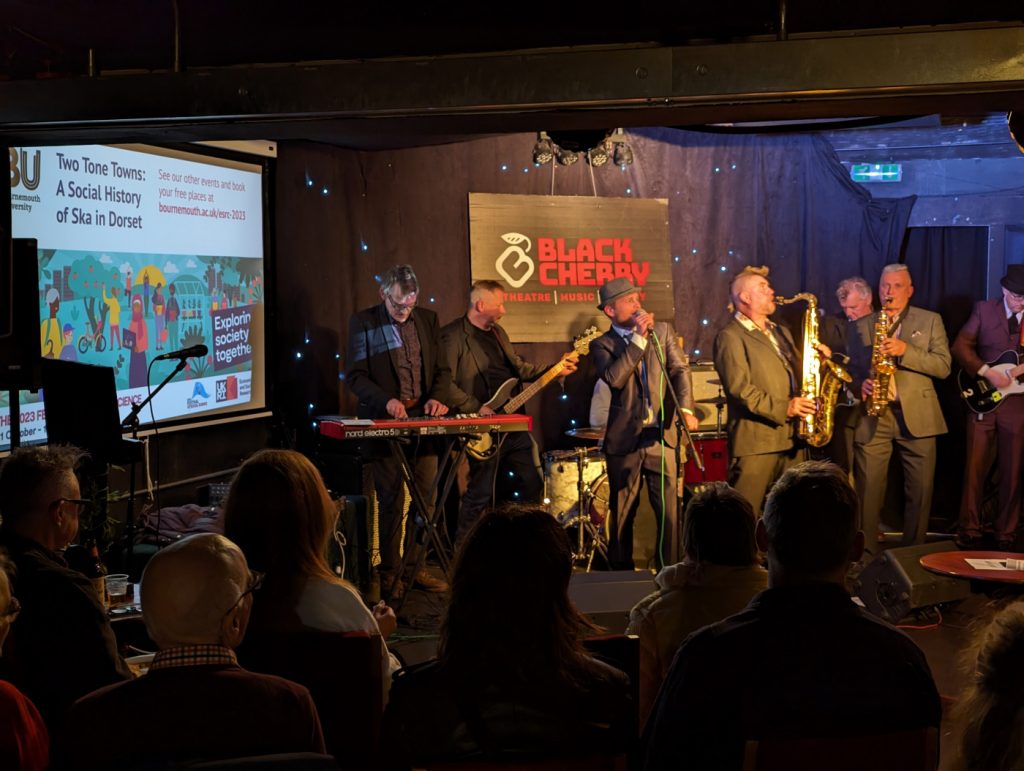
Taking place at our Café Scientifique venue, the Black Cherry Café in Boscombe, attendees learned about the social significance of ska music in rural areas such as Dorset and got to dance to some classic tunes from The Specials and Madness. 
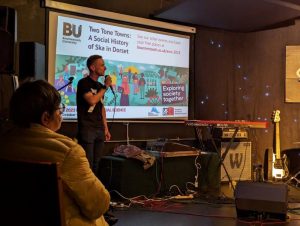
Louise Boston-Mammah from research partner DEED, a local organisation which aims to support teachers and students’ understanding of global issues and cultural diversity, commented: “What moved me the most about this event was the passion of those who were part of the local Ska scene and how they found a voice through this event”.
“This was a really interesting and enjoyable event. A great combination of learning about local history and musical performance by a great band” Feedback from attendee
Two of our events this year were jointly run with researchers from the University of Southampton: ‘Sharing the Coast’ and ‘Sharing the Forest’. Both explored the idea of the ‘right to roam’, whether Bournemouth’s coastline or the New Forest’s woods and heathland.
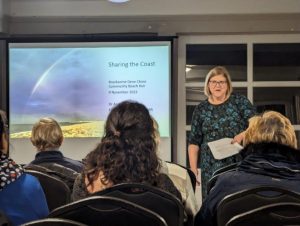
At the clifftop Branksome Dene Room, BU’s Dr Andrea Jarman introduced the coast event with a look at the complex legal situation regarding access to beaches, using Swanage as an example.
Local campaigner Steve Elsworth spoke passionately about successfully fighting to restore access to Castle Cove Beach in Weymouth and Professor Rick Stafford provided a perspective on the non-human species that share the coastline. 
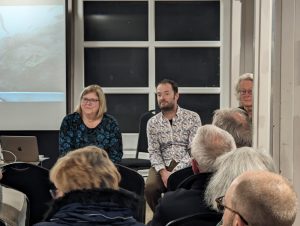
“Fantastic event. Very welcoming and informative” Feedback from attendee
“Three really great and diverse discussions and presentations” Feedback from attendee
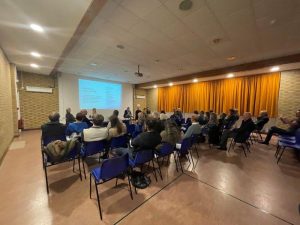
The second event took place at Lyndhurst Community Centre, in the heart of the New Forest. University of Southampton’s Dr Sarah Nield gave an overview of the laws, rights and obligations governing the Forest.
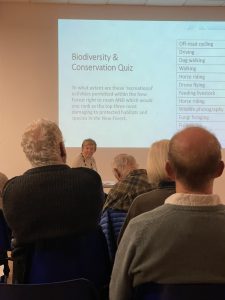
She was joined by representatives from Forestry England, the New Forest National Park Authority and the Campaign for National Parks among others, who all contributed to a lively and engaging discussion.
Attendees also took part in three interactive quizzes that tested their knowledge on the area’s biodiversity, recreational use and the laws surrounding communing.
“It was really helpful to hear diverse views” Feedback from attendee
“Learnt lots about the forest as someone who uses it often” Feedback from attendee
A team of researchers led by Professor Debbie Holley delivered ‘The magic of play: enhancing wellbeing during medical interventions’ at Bournemouth Gateway Building, an event aimed at healthcare professionals.
The workshop explored how magic and play therapy can support wellbeing during hospitalisation and medical appointments. 
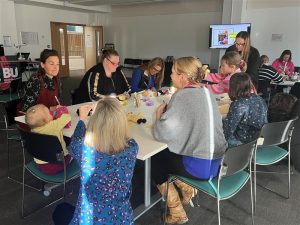
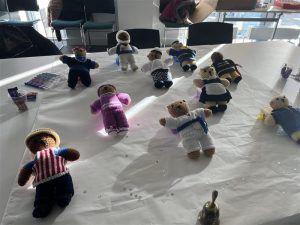
Participants took part in interactive activities, using knitted toy characters, LEGO® SERIOUS PLAY® and virtual reality, to discover how they can help promote distraction from pain and anxiety.
“It was interesting to learn about how to use play to build a rapport with children” Feedback from attendee
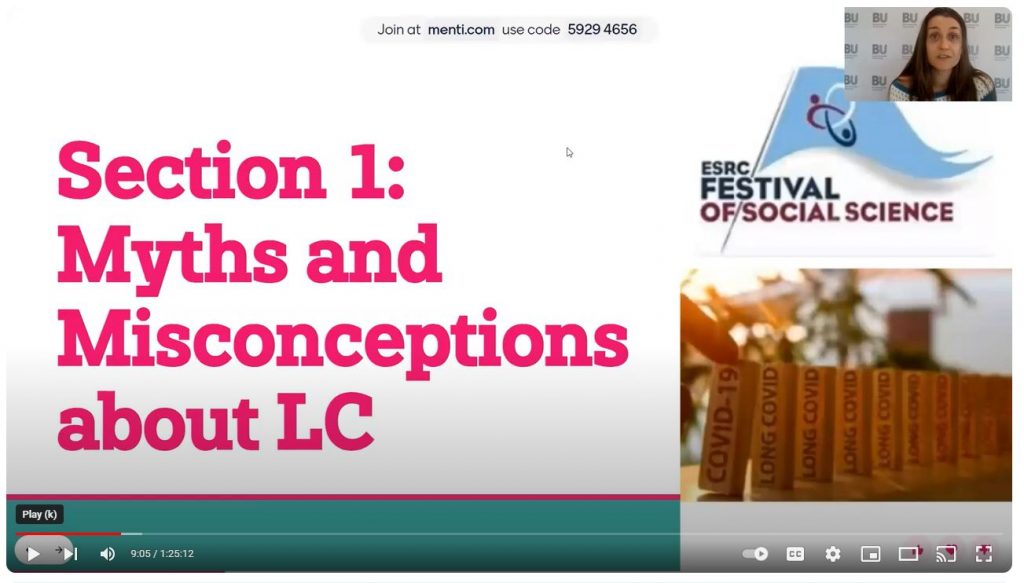
The final event in our Festival series, ‘Long-COVID: Myths, misconceptions and lives experiences’, took place online, to ensure those most likely to be interested could safely and easily attend.
More than 120 people joined the live session, led by BU researchers Dr Emma Portch and Dr Rachel Moseley, with University of Brighton colleague Dr Liam Wignall. They were joined in discussion by Dr Charles Shepherd of The ME Association and Claire Higham of Long Covid Advocacy.
Long-COVID is estimated to affect 1.9 million people in the UK, but research has found low public awareness of the condition, with many feeling that medical professionals do not take it seriously.
As well as exploring the truth behind some of the myths around Long-COVID, Emma and Rachel shared the latest research findings and participants heard about the experiences of those living with the condition.
“Absolutely excellent presentation on a really important topic” Feedback from attendee
“Thank you for acknowledging and doing research on Long Covid. In Canada, we struggle to be heard” Feedback from attendee
The ESRC changed the rules in 2023 around which institutions could take part in the Festival, which meant BU could no longer be a standalone contributor. It is thanks to our collaboration with the University of Southampton that we were able to take part this year and deliver such a broad range of events.
Event organisers applied via a competitive internal process in July, and were selected by a panel comprising researchers and Professional Services staff. They were supported in bringing their engaging, creative projects to life by Adam Morris (formerly Engagement Officer, now Impact Advisor) and Beverley Allen (Events and Communications Coordinator).
If you would like to take part in a future ESRC Festival of Social Science, it is a great time to start thinking about what you could propose. Start by taking a look at the call for the 2023 festival to get an idea of what we’re looking for in applications for 2024.
The open call for next year’s festival will go out May/June 2024.
If you would like to start discussing your ideas, please get in touch with the public engagement with research team at publicengagement@bournemouth.ac.uk.
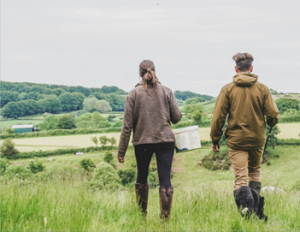
December’s community voices webinar welcomes Nick Viney – Dorset farmers ‘Lookout’ coordinator.
The farming community in Dorset had developed a new initiative to encourage people to be ‘Lookouts’ in their local area, watching for signs that other farmers may be experiencing mental health difficulties and encouraging them to talk.
The ‘Dorset Lookouts’ group is made up of people who live and work in the agricultural industry and understand the multiple challenges that farming faces. The Farming Community Network (FCN) is working with the group and providing training and support.
Lookouts are part of the Dorset farming community. They receive basic training in recognising the signs of mental ill-health and are supported by FCN.
Do join us to hear from Nick, about the difference this farmer-led initiative is making, and the many challenges that remain.
Community voices is a collaboration between BU PIER partnership and Centre for Seldom Heard Voices to provide a platform and a voice to local community activists.
Microsoft Teams meeting
Join on your computer, mobile app or room device
Click here to join the meeting
Meeting ID: 397 765 953 34
Passcode: ohbzTW
Download Teams | Join on the web
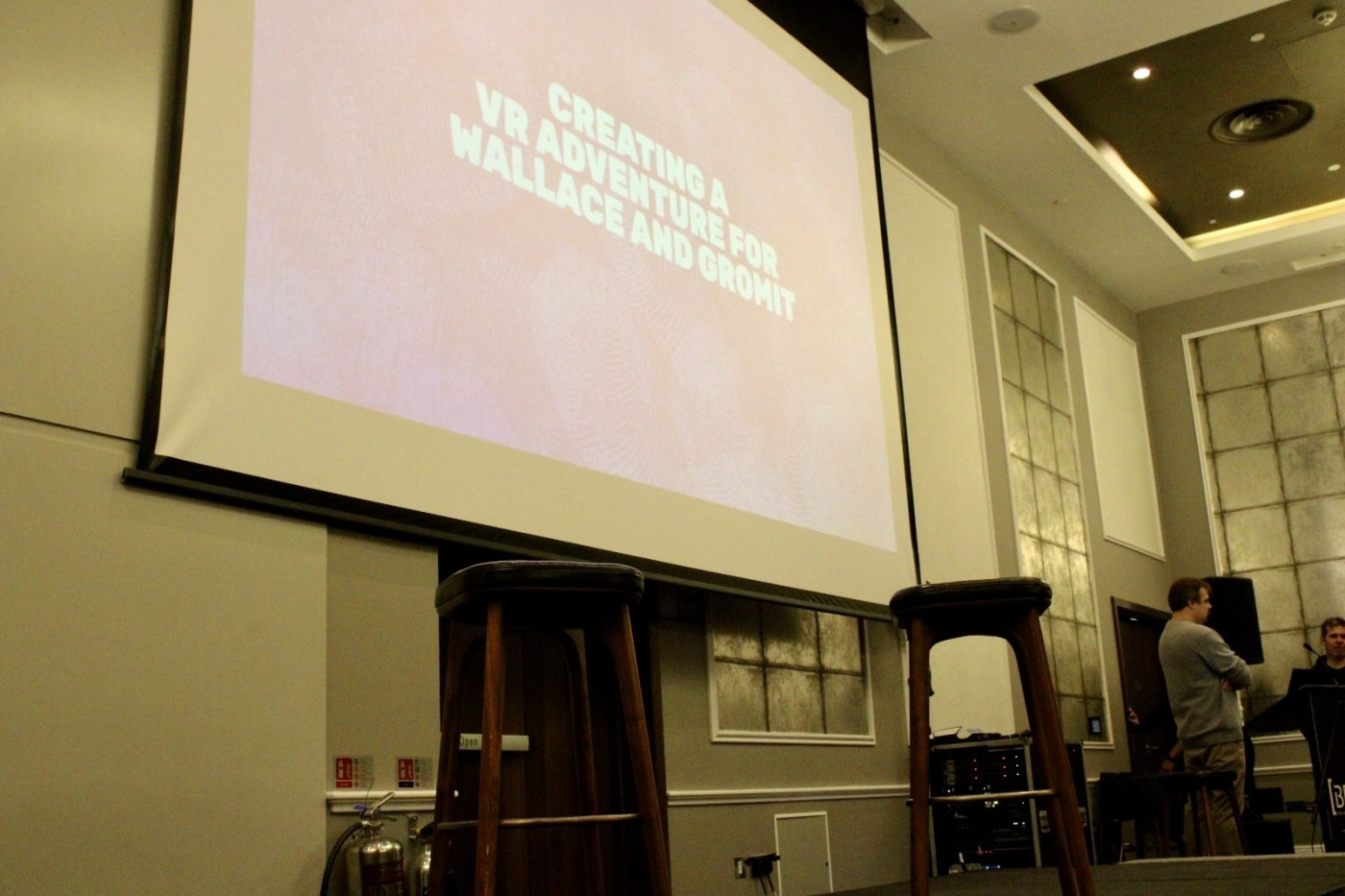
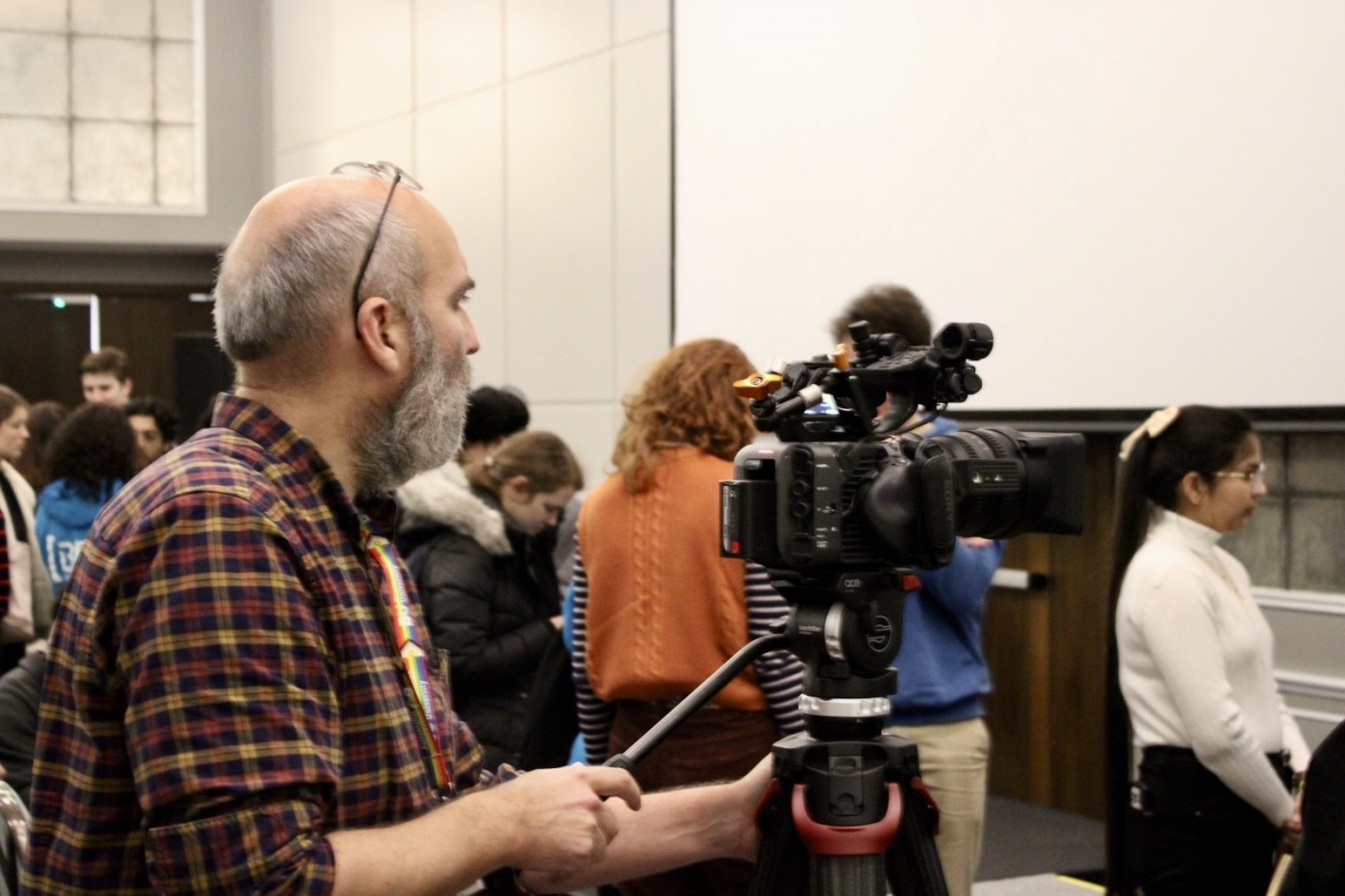
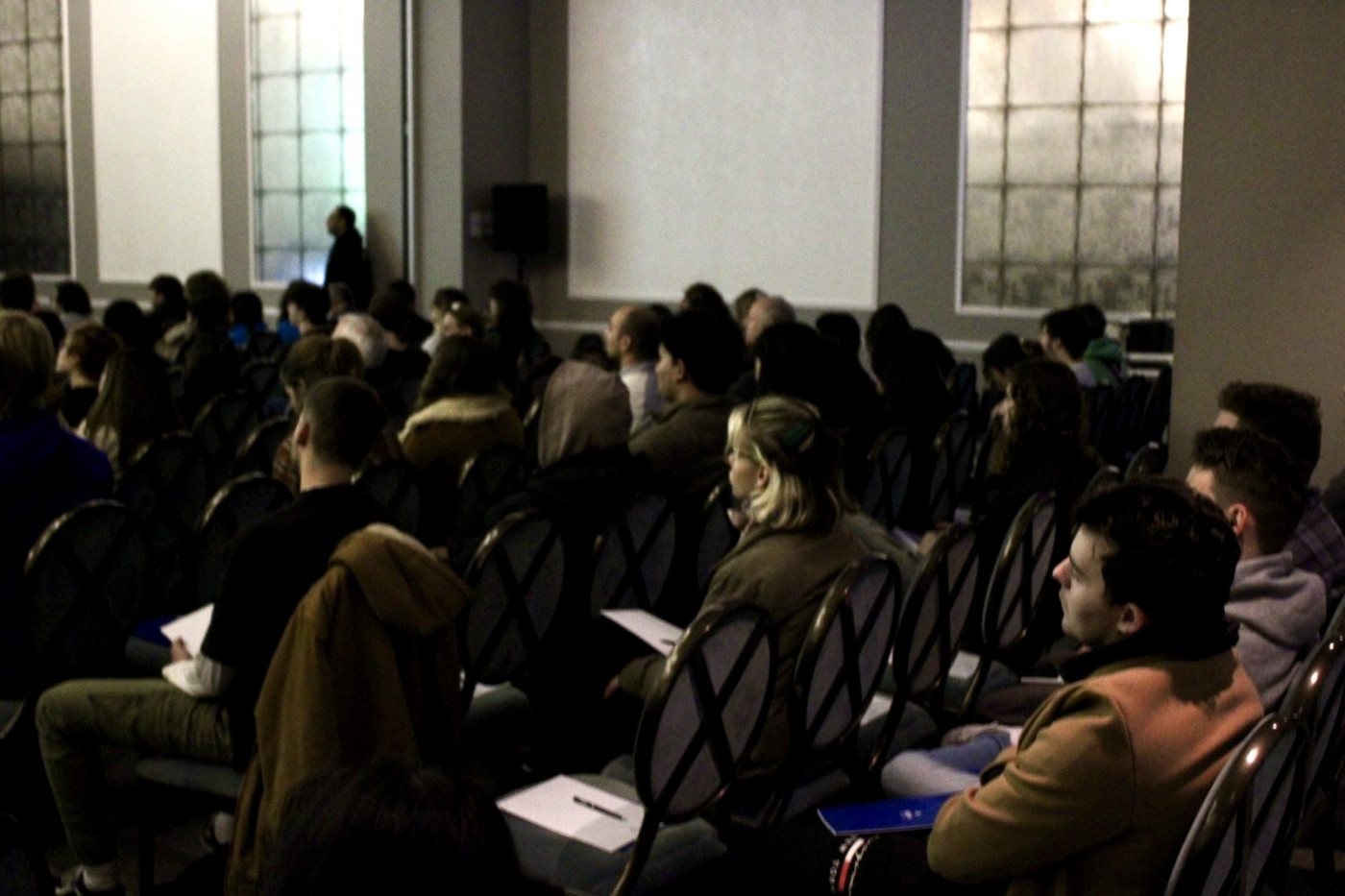
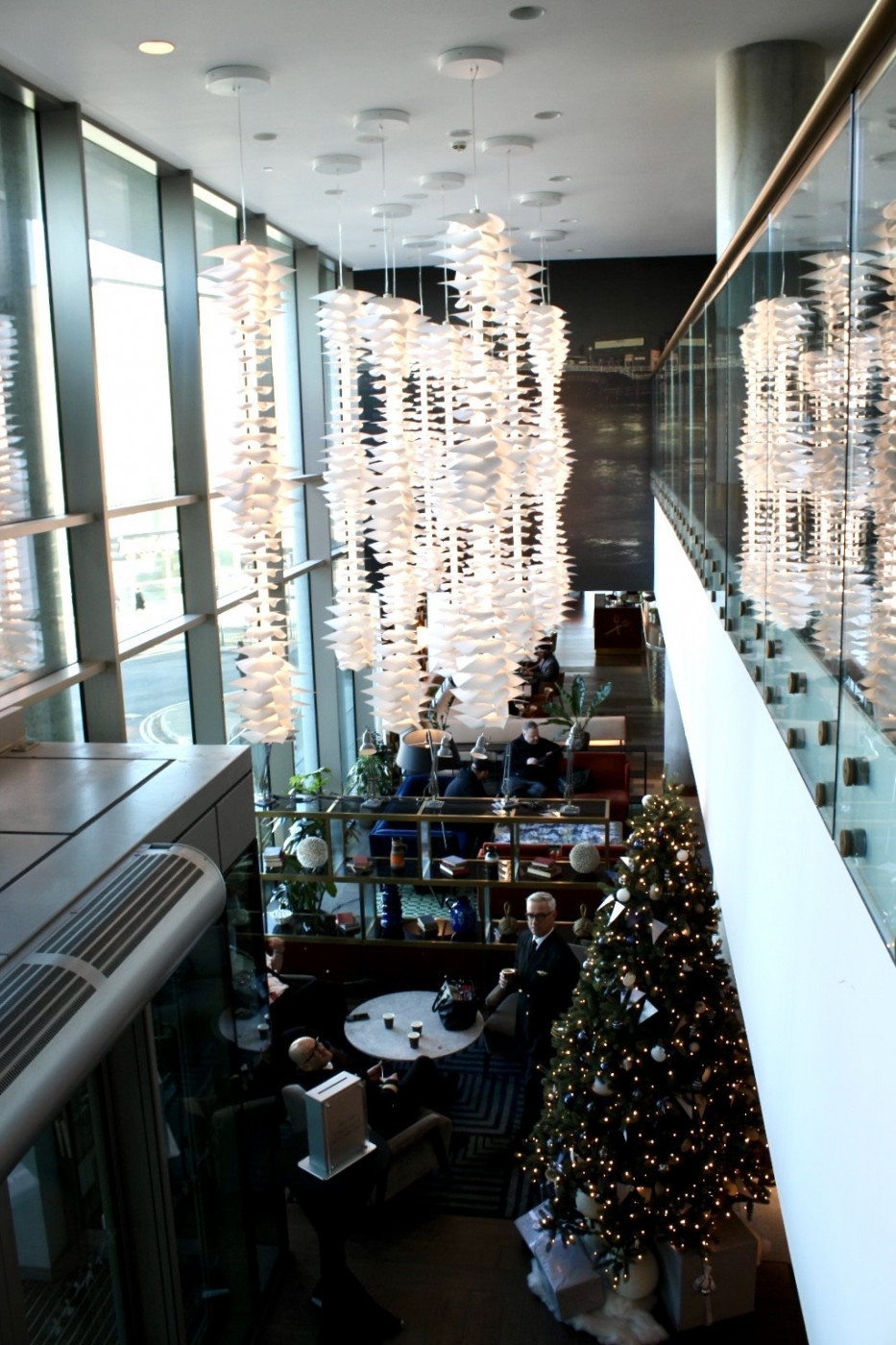
The BFX Festival 2023, one of the UK’s largest visual effects, animation and games festivals, took place between 20 and 25 November 2023. The eleventh annual event was hosted this year at the Hilton Bournemouth and across the Talbot Campus. Organised by Bournemouth University, the Festival featured a dynamic programme, including speaker series, panels, screenings, masterclasses and workshops as well as valuable networking opportunities and recruitment events. It served as a knowledge-sharing and inspiration hub, bringing together professionals, academics, students, enthusiasts as well as non-specialists.
Reflecting industry trends, speakers highlighted noteworthy topics including but not limited to virtual production, digital humans, cinematics in games, storytelling, virtual reality, creature design, production rendering and the future of VFX. A dominant subject addressed by almost all presenters throughout the Festival was generative AI and its impact on industries. We certainly will continue to hear more of this ongoing discussion in the future.
Among industry professionals, university researchers also contributed to the Festival. As part of a synchronous academic symposium, renowned academics as well as postgraduate researchers of the National Centre for Computer Animation (NCCA) were given the opportunity to present their findings to the audience. Researchers from the Centre for Applied Creative Technologies (CfACTs), which is part of NCCA, participated as well, adding a scholarly dimension to industry talks.
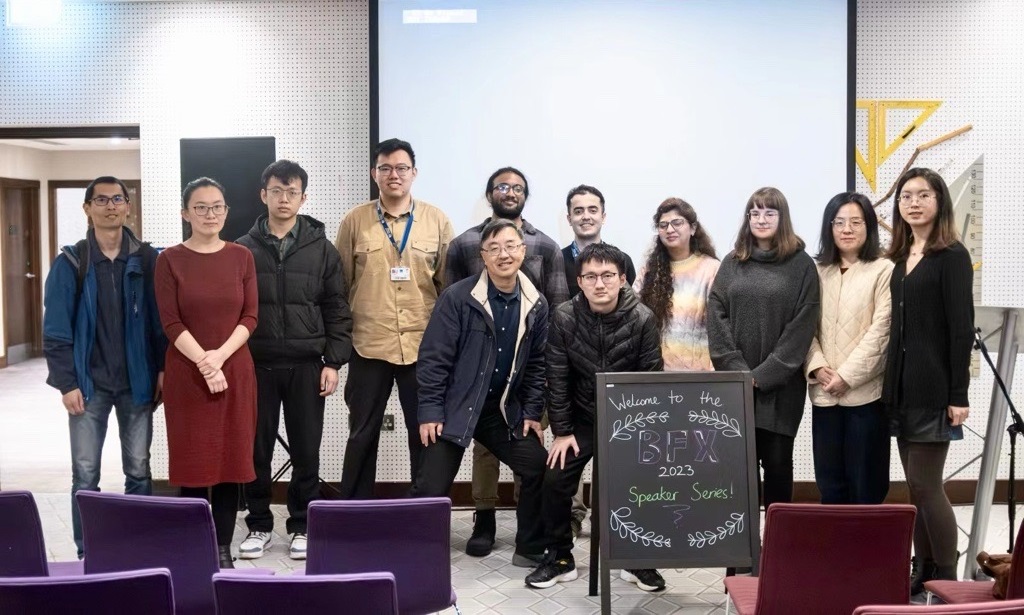
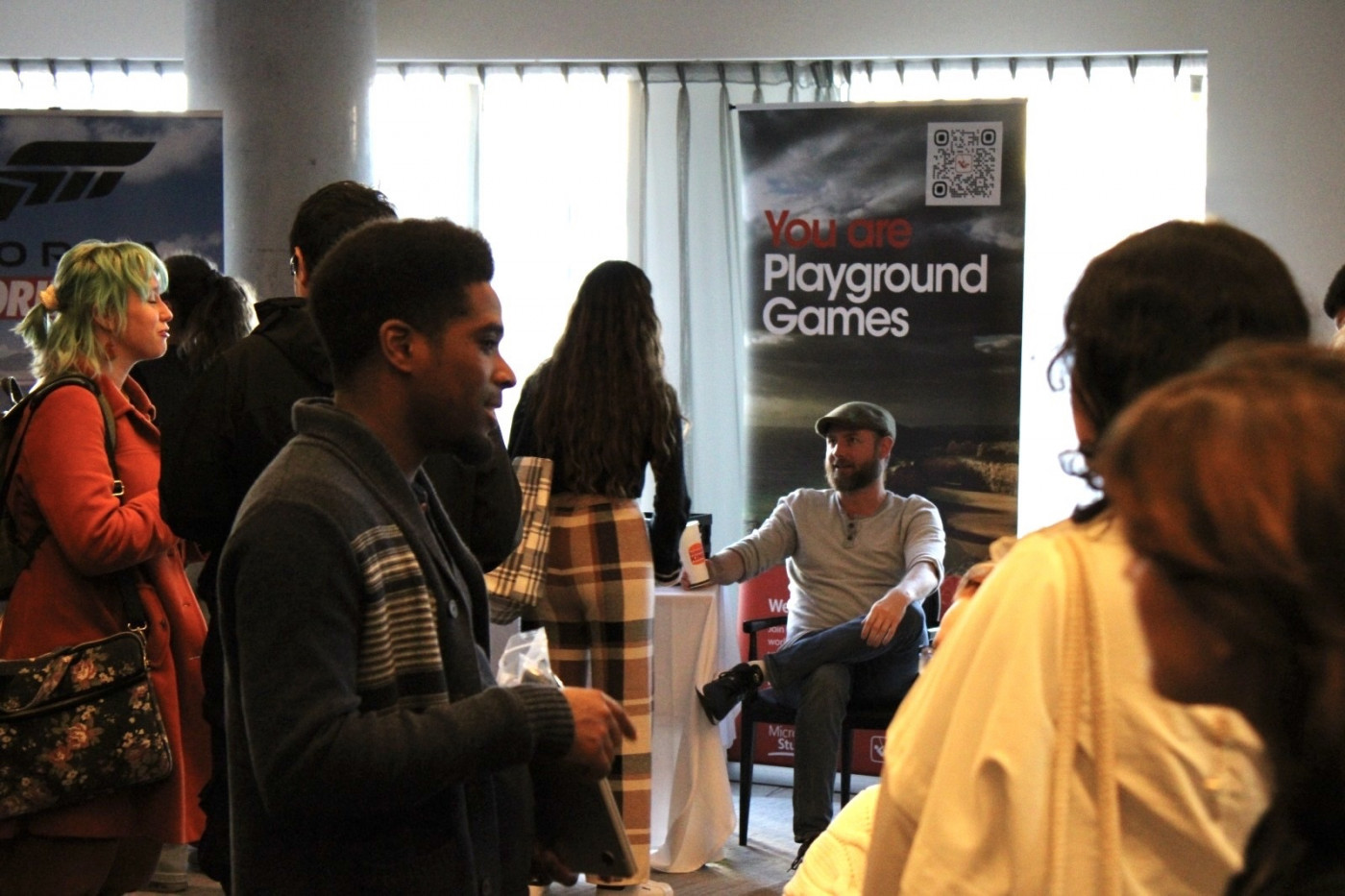
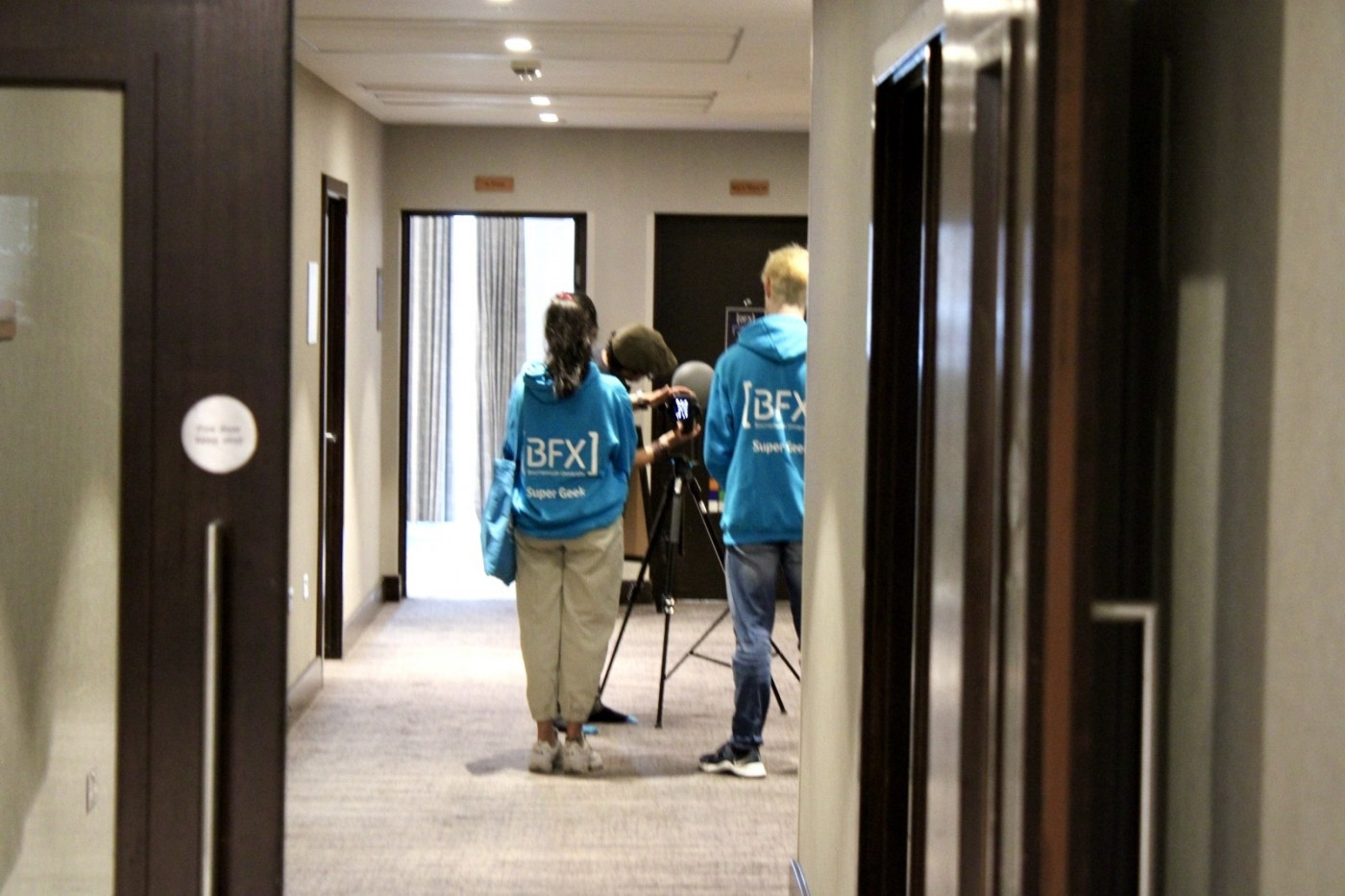
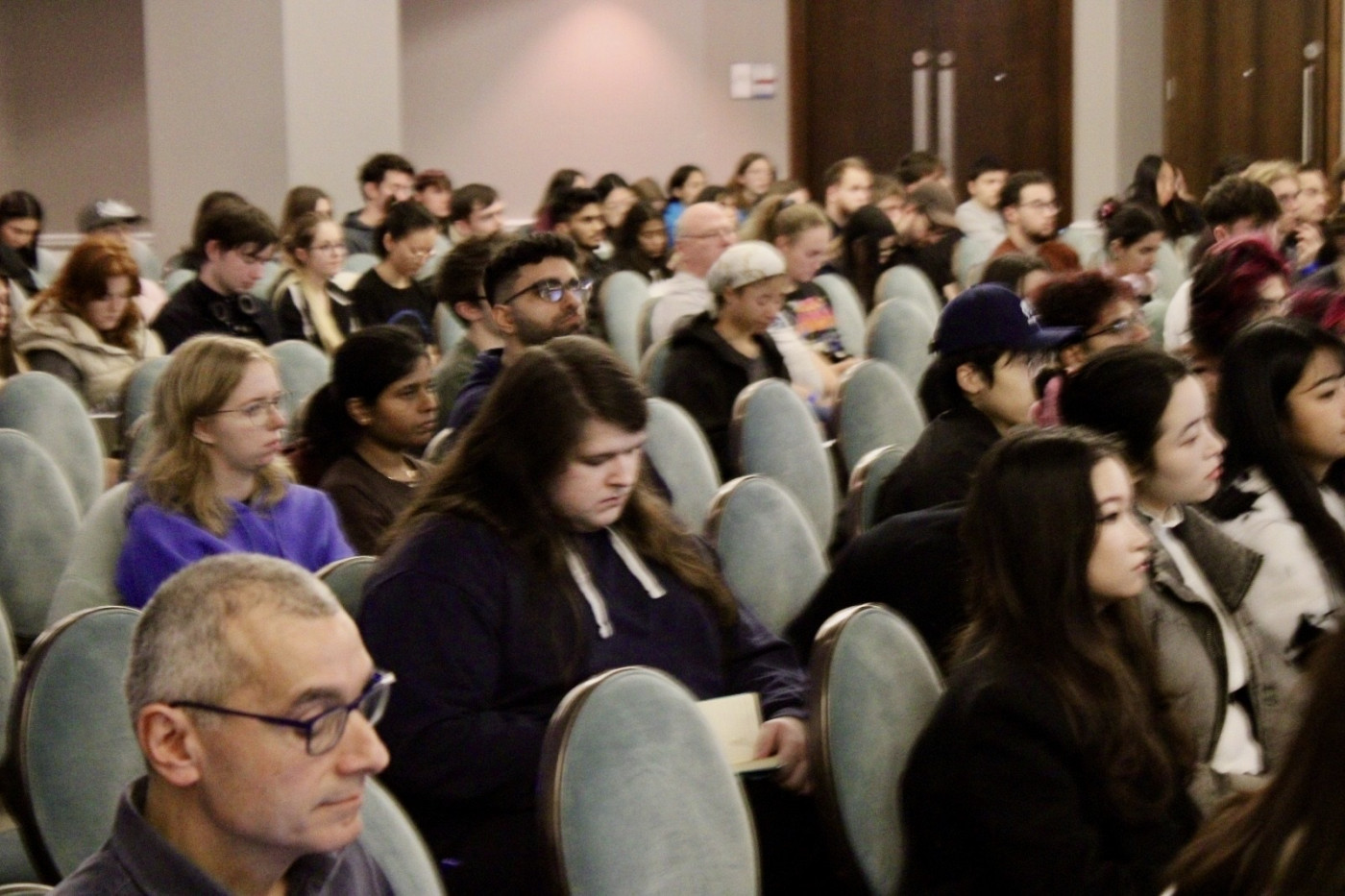
Because of the strict no photo and recording policy, understandably due to copyrighted and in-progress materials, the audience could not capture the remarkable atmosphere of the presentations. However, please find below sneak peeks from the event photographer and BU student, Sam Coombes.
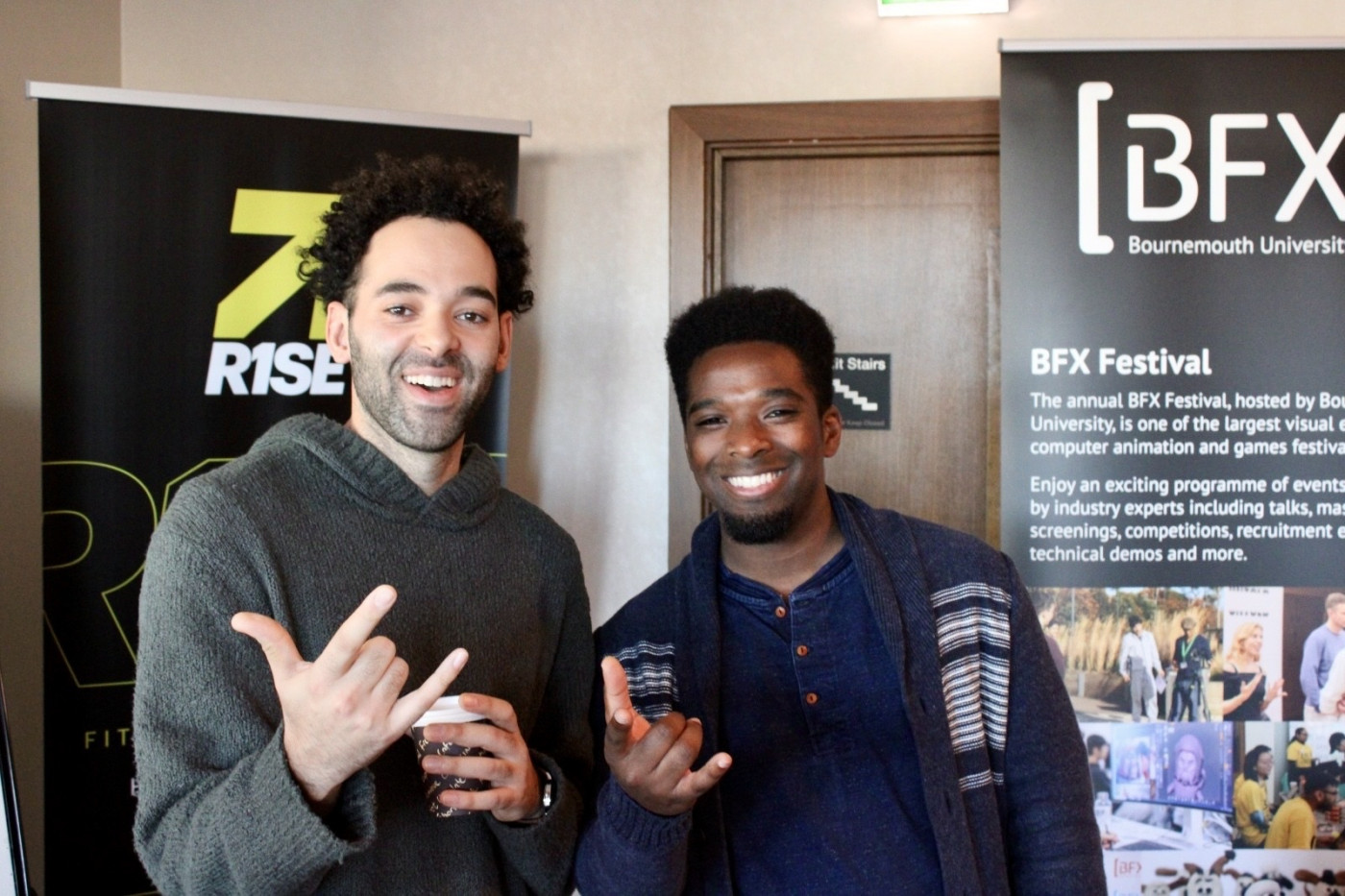
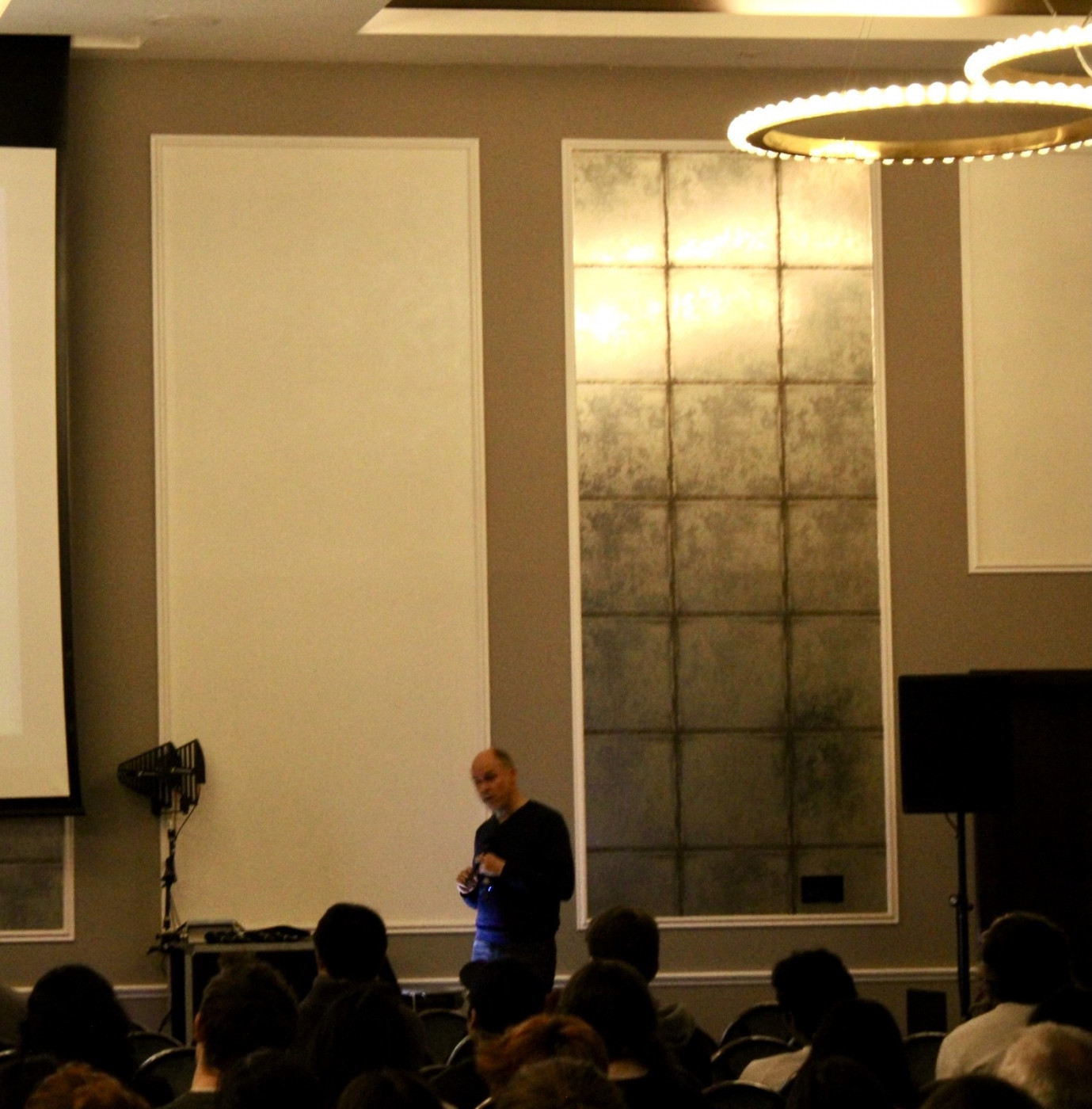
For more details about BFX, please visit https://www.bfxfestival.com. If you have any queries regarding this piece, please contact Dr Anil Bas.
At Café Scientifique, you can explore the latest ideas in science and technology in a relaxed setting. Enjoy listening to a short talk before engaging in debate and discussion with our guest speaker and audience
We’ll be joined by Dr Matteo Toscani on Tuesday 5 December from 6:30 – 8:00pm.
Digital devices use technology based on scientific understanding of how we perceive colour to ensure images look as natural as possible. But the Dutch ‘Old Masters’ were doing something similar to enhance the realism of their paintings in the 17th-century.
Join psychologist Dr Matteo Toscani, from Bournemouth University, who will use examples of these masterpieces to demonstrate how artists used their knowledge of colour perception to create vividly realistic works of art.
This event will be held at The Black Cherry in Boscombe, Bournemouth. Although the talks start at 6:30pm, the café will be open early so we encourage you to arrive early for a drink and a bite to eat before the talk starts.
If you have any questions about this event, or if you’re interested in getting involved with a future Café Sci event, please email the Public Engagement with Research Team: publicengagement@bournemouth.ac.uk
Would you like to share your research with a public audience? Get involved with our Café Scientifique series
Café Scientifique is a public event that takes place at The Black Cherry in Boscombe on the first Tuesday evening of the month (excluding January & August), and is organised centrally by the BU Public Engagement with Research Team, part of Research Development and Support.
The format involves delivering a short talk, followed by the opportunity for discussion and questions from a varied public audience. It is a fantastic opportunity for you to gain experience in engaging with the public in a friendly relaxed atmosphere.
We welcome academics at all career stages, although this opportunity is particularly valuable for those getting started in engaging with the public. We encourage collaboration between less experienced and more experienced public speakers to help provide support and gain a rewarding learning experience.
The team will support you every step of the way. From developing your ideas to engage with a public audience, to setting up and promoting your event. We will also be on hand on the day to help your event run smoothly.
Please note: Completing this form does not guarantee you a space. We will be in touch with you to discuss your interest.
If you have any questions about getting involved with Café Sci, please get in touch with the Public Engagement with Research Team: publicengagement@bournemouth.ac.uk.
Applications are open for Award Lecture applications for the 2024 British Science Festival, hosted by the University of East London.
Call for Award Lecture applications
Are you, or do you know, an exceptional early career researcher?
Every year the British Science Association opens applications for the seven Award Lectureships available to early career academics who are skilled at engaging people with their research. These Award Lectures aim to promote open and informed discussion of science and related disciplines.
Awards are available in seven different areas:
As well as presenting your lecture at the British Science Festival, Award winners will also receive public speaking coaching and a £250 honorarium. There may also be other opportunities to present the Award Lecture at other science festivals in the UK.
More information, including the application process can be found here
The deadline for applications is 23.59 on Sunday 10 December 2023.
If you have any questions please contact Louise at louise.cooke@britishscienceassociation.org
This year marks the first time that Bournemouth University has collaborated with the University of Southampton on sharing best practice, co-ordinating themes and organising events as part of the ESRC Festival of Social Science.
Upcoming events organised by Bournemouth University are available on our website.
You might also want to explore upcoming events from the University of Southampton. Attending these events could be a useful networking opportunity with UoS researchers and an opportunity to investigate future partnerships.
Explore all their upcoming events at https://festivalofsocialscience.com/events/partner/university-of-southampton/
Their upcoming events include;

Crafting for Wellbeing
23 October – 14 November 2023

Code Goshawk: An outdoor escape room experience
8 November – 16 November 2023

Sharing the coast: should we extend the right to roam?
9 November 2023 | 19.00-20.30
In collaboration with Bournemouth University

Murder in the Citizens’ Jury
11 November 2023 | 15.00-16.00

Sharing the forest: should we extend the right to roam?
15 November 2023 | 19.00-20.30
In collaboration with Bournemouth University
We are excited to report that the All-Party Parliamentary Group on Cancer (APPGC) has invited the Whatever it Takes team to speak at their upcoming meeting entitled: ‘Making cancer care inclusive for all’.
The meeting, chaired by Elliot Colburn MP, will discuss some of the current inequalities that exist across the cancer pathway among those with protected characteristics, specifically those in the LGBTIQ+ community and Disabled and Neurodiverse people. Recent studies suggests that both groups report worse experience once on the cancer pathway with difficulties with respect to provision of information, communication and decisions regarding care. Importantly, the meeting will also discuss what further action could be taken by the NHS and Governments across the UK to ensure everybody, no matter what their background, has equal access to the healthcare and support they need.
The Whatever it Takes Project is a collaboration between BU PIER Partnership, Wessex Cancer Alliance and Help and Care. PIER were funded by CRN Wessex to provide mentoring and support to Rosie and Katie, two Disabled and neuro-divergent community researchers, using the PIER community research model, to engage with a wide range of Disabled people across Wessex, to better understand the barriers and enablers for accessing Cancer Care. Dr Kate Jupp (PIER officer) and Stevie Corbin-Clarke (research assistant) with the support of Prof. Mel Hughes (Academic lead for PIER) worked alongside Katie and Rosie (community researchers with lived experience) and Amanda (specialist cancer nurse) throughout the project.
You can view the project film and report here
Katie and Rosie, along with colleagues from Macmillan and Help and Care, will be presenting the film and report at the APPGC at the Houses of Parliament next week. The team have been invited to present the film and report after which the Chair will open the meeting to questions and comments from those in attendance including parliamentarians, charity and other health stakeholders.
The APPG on Cancer is an informal group bringing together MPs and Peers from across the political spectrum to debate key issues, and campaign together to improve cancer services. As well as parliamentarians, their meetings are usually attended by stakeholders working in the cancer and health space, including charities and local and national health organisations.
We hope to report back after the event
November’s Community Voices webinar welcomes Laney White from Portland Global Friendship Group
Do join us to hear from Laney first hand about the inspirational work the group have been doing….
When the concept of the Bibby Stockholm barge for asylum seekers was announced in Portland without any public consultation, our local community experienced a groundswell of racist, violent opinion and speech.
A group of local people who were dismayed by this racist intolerance came together through Stand Up To Racism and formed The Portland Global Friendship Group. We were (and are) opposed to the asylum seekers being housed on The Barge but are in full support of the men.
Amongst a sea of hostility we wanted the asylum seekers to know they were welcome within our community. We have been supporting the asylum seekers through a variety of different ways. We oppose racism on any level but hope we can build bridges within our community by showing kindness and tolerance.
Community voices is a collaboration between BU PIER partnership and Centre for Seldom Heard Voices to provide a platform and a voice to local community activists.
Microsoft Teams meeting
Join on your computer, mobile app or room device
Click here to join the meeting
Meeting ID: 397 765 953 34
Passcode: ohbzTW
At BU we promote and celebrate the work done to engage public audiences with our research. The Public Engagement with Research team in Research Development and Support can help promote your event to relevant audiences through our monthly newsletters and via our social media channels.
To be considered for inclusion, your event or activity must be;
Event descriptions may be edited for consistency in style with other content.
Share your upcoming public event or activity
If you have any questions, please contact the team publicengagement@bournemouth.ac.uk
Prof. John Oliver (FMC) recently delivery a keynote speech to over 1000 delegates at the 6th Digital Agenda Summit in Cyprus. The talk examined the subscription video on demand (SVOD) market which has seen explosive growth in recent years with global revenues reaching US$154bn in 2022. He argued that a new phase of low-growth competitive rivalry is emerging with global and local European players fighting for market share and that future growth will be achieved by merger and acquisition in an industry that will inevitably consolidate.
Other keynote speakers taking to the main stage included the President of Cyprus, the Head of Global Communications & Marketing at Google DeepMind & Space X and the Global Lead of Design Communication at BMW.
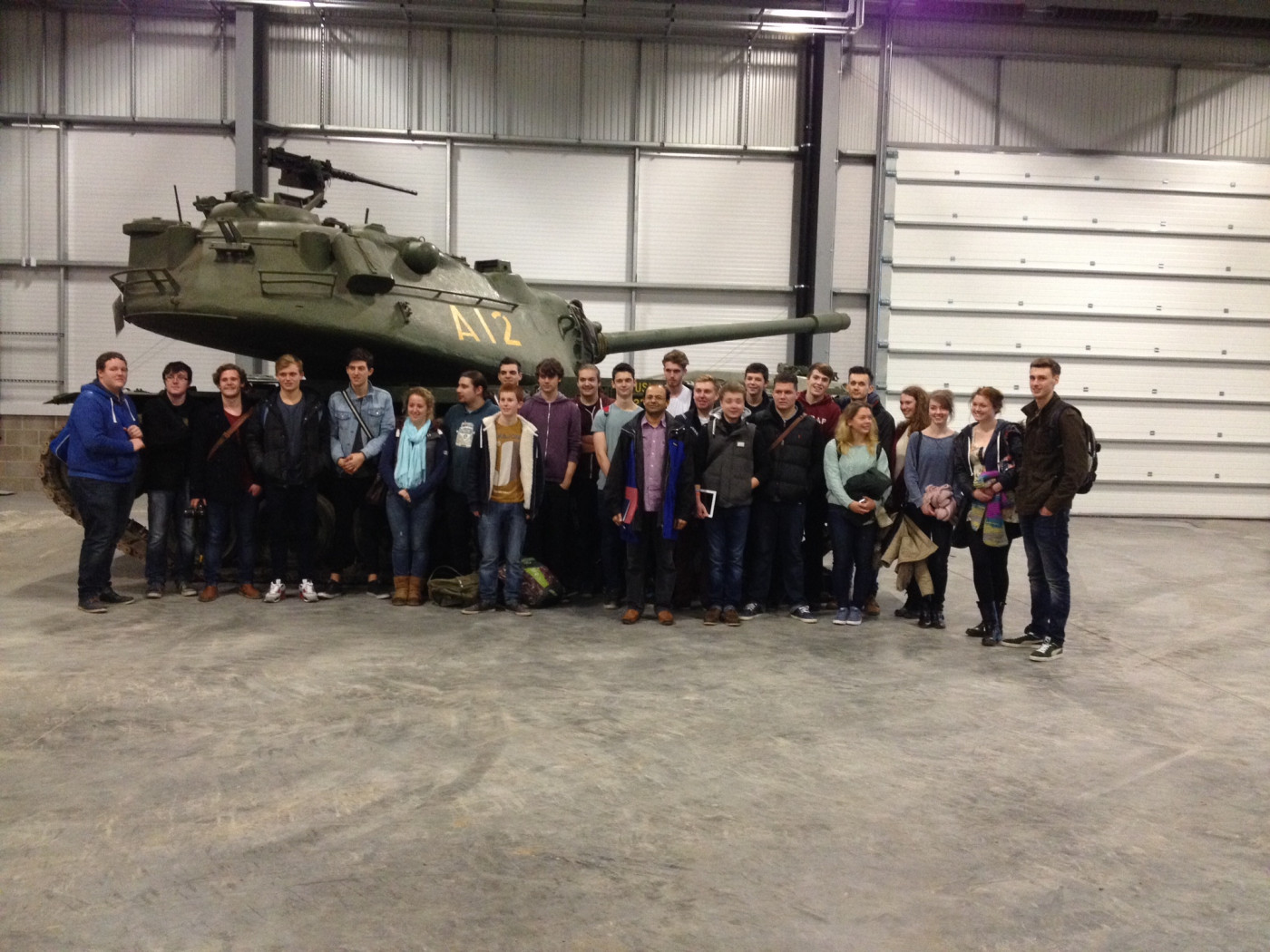
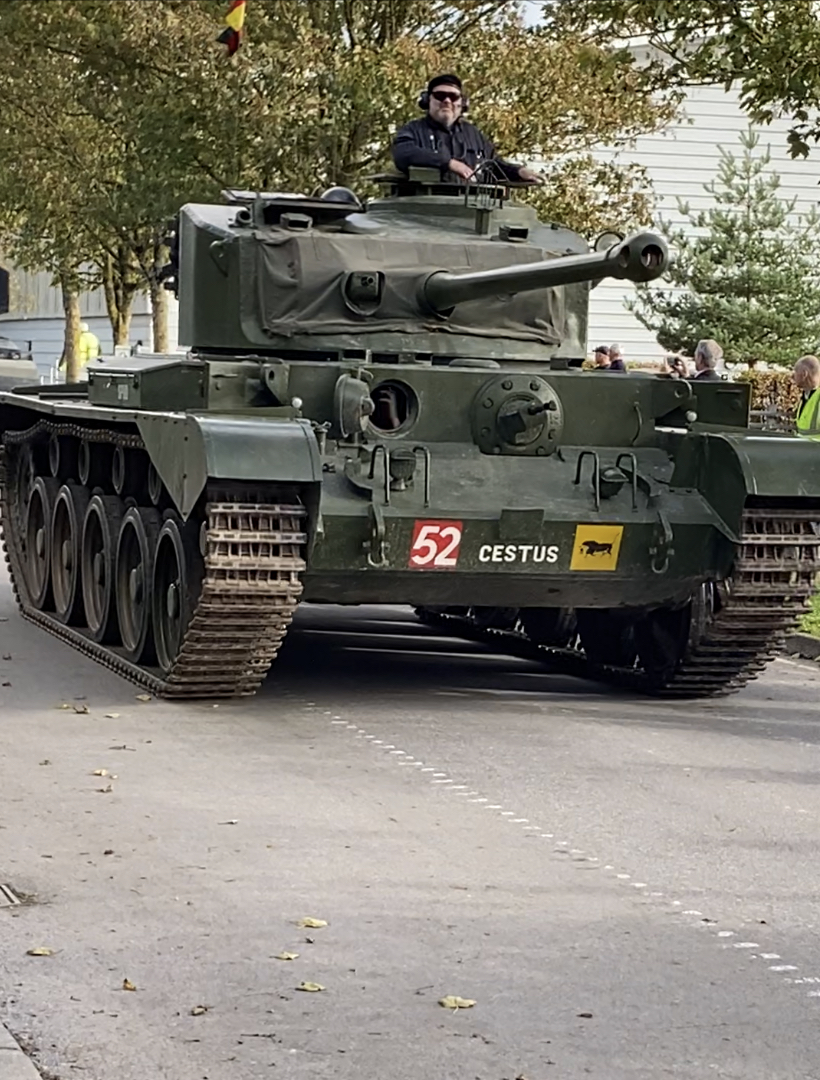
Over the past fifteen years, we have cultivated and nurtured a robust and enduring research partnership with The Tank Museum. This extensive collaboration has borne fruit through a series of successful projects, undertaken in conjunction with both The Tank Museum and the Ministry of Defence UK. One of the standout outcomes of our cooperative efforts with The Tank Museum was the pivotal role it played in the creation of the REF2021 BU UoA12 Impact Case Study. Throughout this period, our collaborative research has not only thrived but has also made substantial contributions to fostering a mutually beneficial relationship between BU and industry, primarily in the realm of Design Engineering education.
The end of a significant chapter in our long-standing collaboration was marked by a farewell luncheon in honour of The Tank Museum’s Director, Richard Smith OBE. Richard Smith will be embarking on a new venture within another esteemed organisation. While this may signify the conclusion of an era, it is unequivocal that our commitment to fostering and fortifying our alliance with both The Tank Museum and Richard’s new organisation will remain unwavering.
With deep respect and gratitude, Professor Khan and his distinguished team, comprising Dr. Adil Saeed, Dr. Hammad Nazir, Professor Keith Stokes, and Dr. Jawad Latif, extend their heartfelt best wishes to Richard Smith OBE. Simultaneously, they extend a warm and anticipatory welcome to the incoming Director of The Tank Museum, as we collectively embark on new horizons of research and education in the days to come.
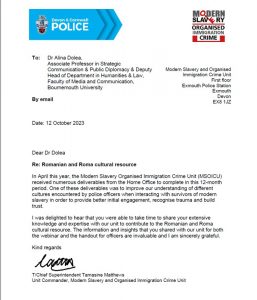
Dr. Alina Dolea, Associate Professor in Strategic Communication and Public Diplomacy and Deputy Head of Department in Humanities and Law, received a letter of thanks from the UK Modern Slavery and Organised Immigration Crime Unit (MSOICU).
Dr. Dolea contributed with expertise and insights from her research on Romanian diaspora community in the UK to the Romanian and Roma Cultural Resource, a deliverable that MSOICU developed for the Home Office. In addition, on September 13, 2023 she delivered the webinar for the launch of the resource together with a Romanian NGO representative and a Romanian police officer in the UK, a format that was considered very successful.
There were over 80 police officers in the pilot webinar – the handout and the recording of the webinar have been since shared with all police force modern slavery leads and related stakeholders.
For the handout and the webinar, Dr. Dolea provided a historical background on the formation of the Romanian nation and the Romanian Roma community (including their discrimination and Holocaust during WW2), key aspects of Romanian and Roma cultures (language, religion, family life).
She explained the main reasons for emigration and the emotional costs of migration, the issue of lack of trust in authorities, but also trust in each other (fractured during Communism).
She also provided recommendations for communicating and engaging with Romanian and Roma victims or potential victims of modern slavery and organized immigration crime, as well as a list of further readings that were incorporated in the final documents.
October’s Community Voices webinar welcomes Lorraine Stanley Founder and CEO of SWAD – where disability and sex come together.
As a newly disabled woman in 2007 Lorraine, unable to find accessible support and guidance about sex and disability decided to be pro-active and held disability discussion groups. Feedback from the groups, and further research highlighted that health and social care professional had a lack of understanding of the obstacles faced by people with disabilities to having a fulfilling intimate and sexual life. SWAD grew out of the need to meet the gap between the requirements of the disabled community and what was being offered by service providers. SWAD believes that sex is something that can be openly discussed and should not be swept under the carpet.
Community voices is a collaboration between BU PIER partnership and Centre for Seldom Heard Voices to provide a platform and a voice to local community activists.
Microsoft Teams meeting
Join on your computer, mobile app or room device
Click here to join the meeting
Meeting ID: 397 765 953 34
Passcode: ohbzTW
We’re hosting a range of free events as part of the nationwide ESRC Festival of Social Science – covering everything from how your body reacts to cold water, to the right to roam, and a social history of ska and Two-Tone music in Dorset.
The events take place between 25 October and 15 November as part of the ESRC Festival of Social Science, which offers an insight into some of the country’s leading social science research and how it influences our lives.
BU has partnered with the University of Southampton for this year’s festival and will jointly host two events exploring the challenges and benefits around extending the right to roam, focusing on the New Forest and Bournemouth’s coastline.
Other events include an exhibition at the Dolphin Centre in Poole, showcasing the stories and photography of people involved in a research project to tackle obesity and unemployment, and an online event discussing the myths, misconceptions and lived experiences of long-COVID.
There will also be the chance to find out more about cold water immersion and how to stay safe, and an evening of curated performances and music at the Black Cherry Theatre Café exploring the cultural impact of ska and the Two-Tone movement.
Events aimed at a youth audience will discuss the impact of consumerism on people and our planet, and how to stay safe online.
For more information, and to book onto the events, visit: www.bournemouth.ac.uk/esrc-2023
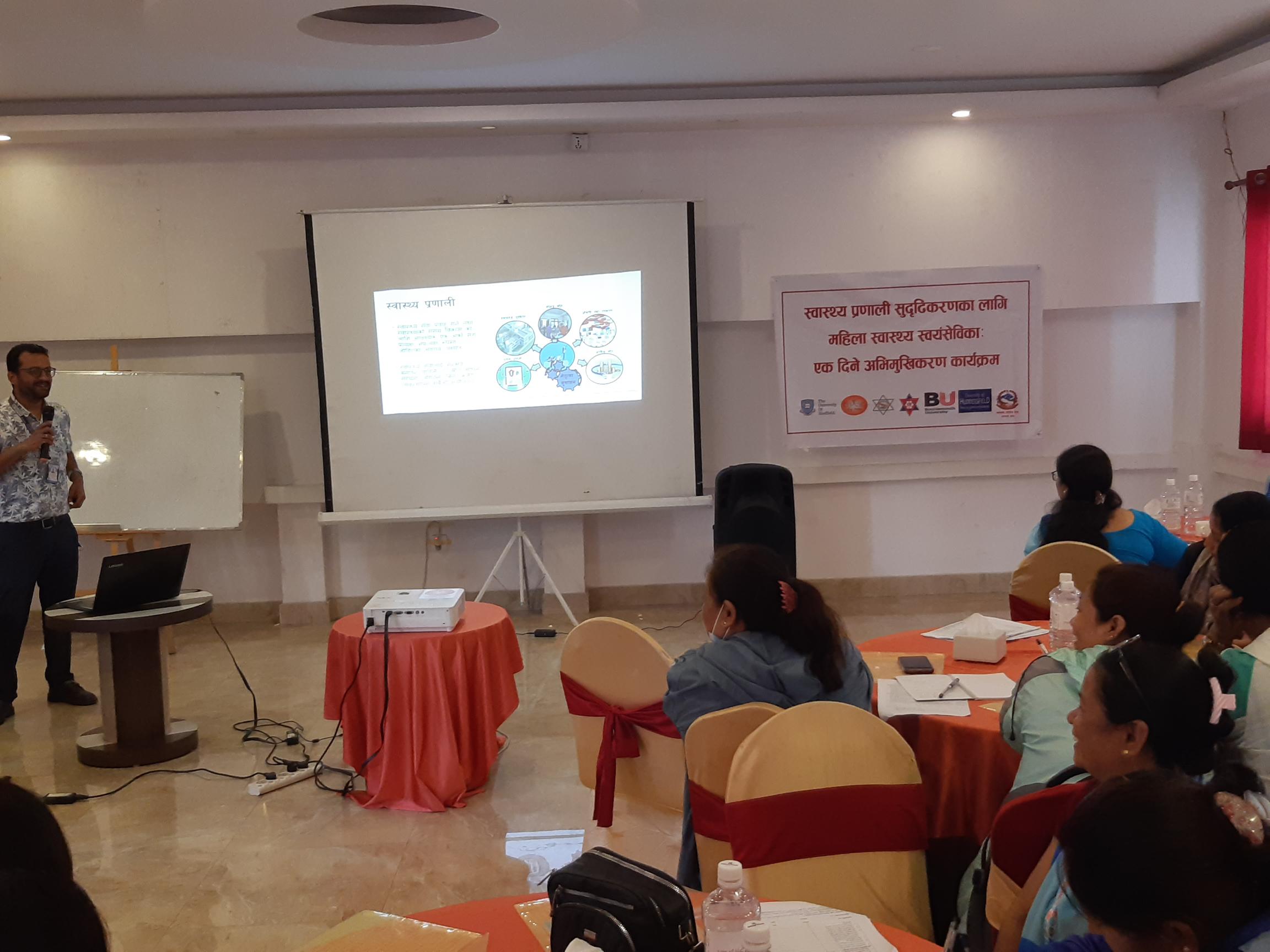
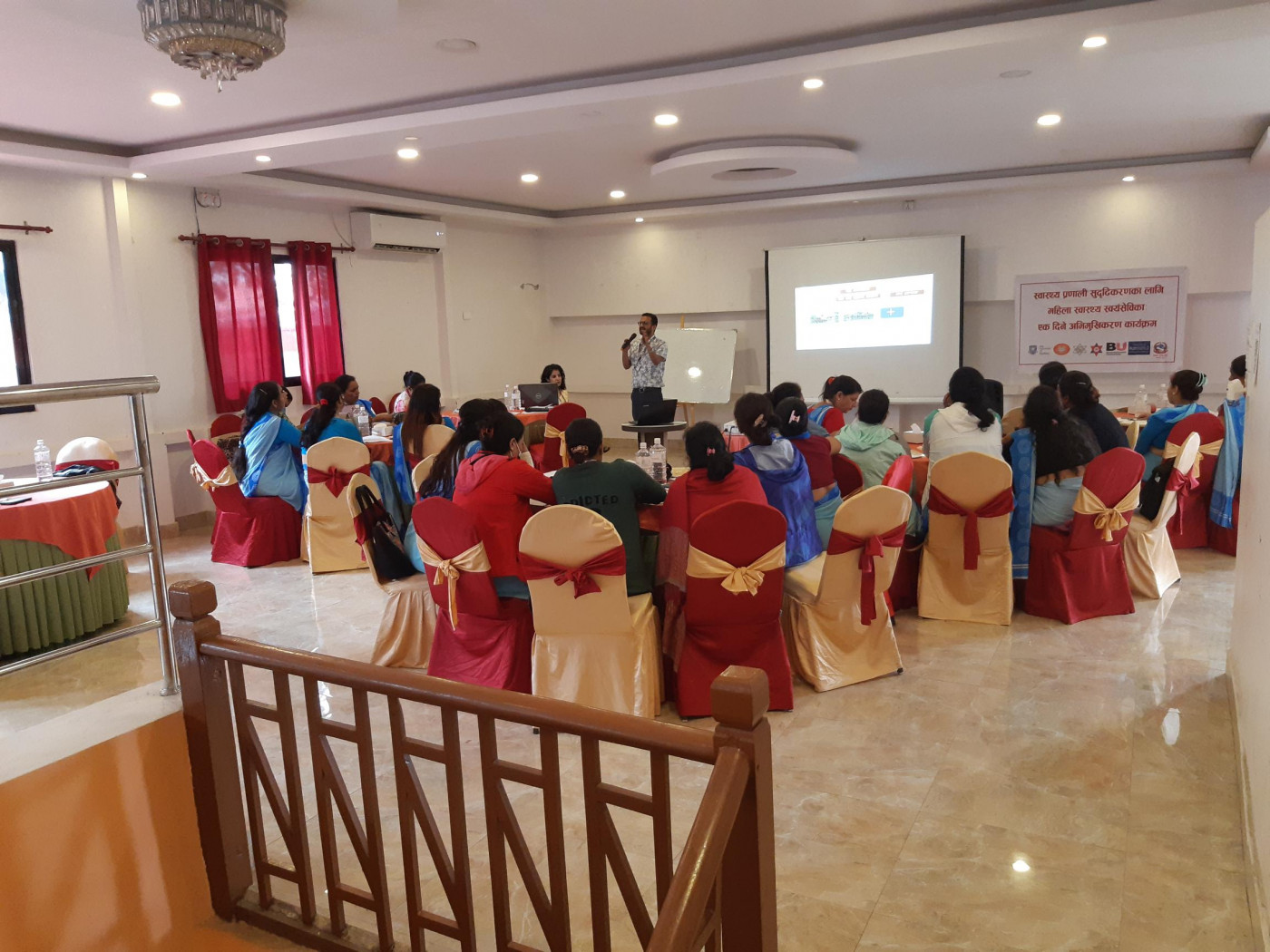
Today our collaborators Drs Sujata Sapkota and Sujan Gautam from Manmohan Memorial Institute of Health Sciences (MMIHS) organised and ran another training and orientation session for Female Community Health Volunteers (FCHVs) in a hotel in Kathmandu. The discussions in Nepali in today’s session are very lively with great participation from guest trainers as well as from the FCHVs. Many FCHVs are worried about their changing roles, and even the potential disappearance of the role.
The sessions with FCHVs are crucial capacity building as part of our interdisciplinary study ‘The impact of federalisation on Nepal’s health system: a longitudinal analysis’. I had the pleasure of saying a few words about our international project which started in 2020 and will run to 2024. It is funded by the Health System Research Initiative, a UK collaboration between three funders: the MRC (Medical research Council), the Foreign, Commonwealth & Development Office, and the Welcome Trust. The research team includes researchers from MMIHS (Kathmandu), and PHASE Nepal (Bhaktapur), the University of Sheffield, Bournemouth University, and the University of Huddersfield (the three original UK co-applicants), and researchers now based at the University of Greenwich, the University of Essex and Canterbury Christ Church University.
Prof. Edwin van Teijlingen
Centre for Midwifery & Women’s Health (CMWH)