 The Research Funders Guide (find it in the Research Toolkit along the blog menu bar) has been updated. As well as updating the call deadlines in the ‘standard calls for major funders’ pages, each of the pages within the guide have been updated to include a link to the relevant pathway available in the RKE Development Framework. This links up the opportunities available to support you in applying for the external funding explained in the guide pages.
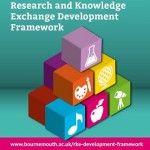 For those of you who haven’t yet heard about the Research and Knowledge Exchange (RKE) Development Framework, it offers a range of opportunities for academics at all career stages to develop their skills, knowledge and capabilities in relation to research and knowledge exchange. It has been implemented in response to the changing external environment, and developed in consultation with academic colleagues to ensure a strategic fit between the training and development opportunities on offer, and the needs and wishes of academic colleagues.
If you’re interested in applying for external research funding then please contact the RKEO’s Funding Development Team.
 Introduction to the Research and Knowledge Exchange Development Framework







 ESRC Studentships for 2027 Entry: Opportunity Now Open
 SONAMONI contributions to Safety Conference 2026 in South Africa
 Three CMWH presentations at Berlin conference
 New interdisciplinary paper on Nepal
 Horizon Europe Cluster 3 (Civil Security for Society) 2026 Calls Now Open
 MSCA Doctoral Networks 2026 Call Information Webinar
 ESRC Festival of Social Science 2026: Application Deadline Extended to Thursday 25 June 2026
 Reminder: Register for the ESRC Festival of Social Science 2026 Information Session
 ECR Funding Open Call: Research Culture & Community Grant – Apply now
 ERC Advanced Grant 2025 Webinar
 Update on UKRO services
 European research project exploring use of ‘virtual twins’ to better manage metabolic associated fatty liver disease