BU had a strong presence at the ATLAS (Association for Tourism a nd Leisure Education and Research) annual conference which took place in the historic town of Canterbury, between 13-16 September, on “Tourism, Lifestyles and Locations”.
BU has been a member of the ATLAS network for many years and Dr Lenia Marques was one of the founders of the Special Interest Group on Events back in 2010. The group is very active and has several ongoing projects and collaborations amongst its members.
Several BU academics presented and discussed their research in Canterbury. Dr Hanaa Osman and Dr Lorraine Brown presented a piece of research which touches upon the status of women in tourism and which provoked debate on intercultural issues. Dr Anya Chapman presented her work on piers, which are so important for UK coastal destinations, such as Bournemouth. Dr Jaeyeon Choe presented her research on tourism and quality of life in Macao and we should congratulate her on her first attendance as the ATLAS Asia representative on the board.
Dr Lenia Marques presented her research on events and communities and practice among expats in a panel organised together with the Department of Events and Leisure and the Department of Tourism and Hospitality dedicated to “Lifestyle and communities: sharing in the digital era”. The panel, put together by Dr. Lenia Marques, Juliette Hecquet and Prof. Dimitrios Buhalis, aimed at discussing new trends in the fields of leisure and tourism connected to lifestyle and the sharing economy.
Overall, the discussions at the conference were animated and friendly, raising some of the big issues of our time. Collaborations, projects and further developments will surely continue in the run-up to the next ATLAS annual conference to be held in Viana do Castelo, Portugal (12-16 September 2017) under the theme “Destinations past, present and future”.
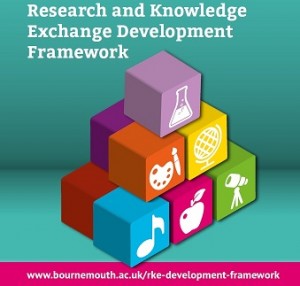 The RKE Development Framework launches today –
  Uber, Amazon, AirBnB, Netflix… The Internet has had many impacts to the economy. Not only to the consumer market, but widely across the service sector. There is a large amount of integration and automation to enable things like instant order confirmations. Work in these aspects of business processes is quite well established in the service sector.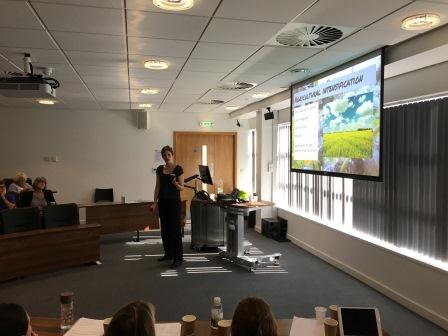
 aths and many hundreds cases of injuries among Nepalese workers in these countries excluding India. For example, the Foreign Employment Promotion Board of Nepal recently reported that 1002 Nepalese migrant workers died in the 6 GCC countries and Malaysia in the last Nepalese calendar year, of which 357 (36%) were documented as cardiac related. However, in a quarter of deaths, the cause was unknown. Postmortem examination of migrant workers in many destination countries is not carried out and official records of the destination countries tend to record these deaths as being ‘from natural causes’. Information on underlying causes, such as heat stress on construction sites, is often not available.












 Opportunities to support our REF preparations
 SPROUT Returns: Designing Sustainability in Research Practice – Wednesday 20 May 12-2pm
 Innovative Approaches to Doctoral Supervision: Selected Case Studies
 3C Event: Research Culture, Community & Canapés-Tuesday 19 May 1-2pm
 New chapters published in maternity book on risk
 Apply now to take part in the 2026 ESRC Festival of Social Science
 Reminder: Register for the ESRC Festival of Social Science 2026 Information Session
 ECR Funding Open Call: Research Culture & Community Grant – Apply now
 ECR Funding Open Call: Research Culture & Community Grant – Application Deadline Friday 12 December
 MSCA Postdoctoral Fellowships 2025 Call
 ERC Advanced Grant 2025 Webinar
 Update on UKRO services
 European research project exploring use of ‘virtual twins’ to better manage metabolic associated fatty liver disease