Securing funds from British Council to organise a Newton Funds Researcher Links workshop required good effort and persistence. Careful consideration of the feedback from an unsuccessful submission helped identifying where improvements were needed – we were successful in our second attempt. I believe the most important factors contributing to the success of the application were: the theme is topical and relevant for both countries (UK and South Africa), including active world-recognised researchers as mentors, having trach record of work and good connections in the host country (South Africa in this case). I have already being to South Africa delivering workshops to public sector practitioners on a similar subject funded by the South African National Research Foundation.
The workshop focused on ‘Research capacity for sustainable ecosystem-based management of estuaries and coasts’ and it was held on 19-21 June 2018 at the uShaka Marine World in Durban. There were 42 participants, 23 from South Africa and 19 from the UK, including early-career researchers from natural and social sciences backgrounds, established researchers and government practitioners involved in policy-making or implementing policy related to management of coasts and estuaries. I coordinated the workshop in collaboration with Professor Trevor Hill from University of KwaZulu-Natal and had a great support from Bronwyn Goble from SAAMBR/ Oceanographic Research Institute and Katie Smyth (University of Hull). The contribution from Mike Elliott (Hull), Andrew Cooper (Ulster), Ursula Scharler (UKZN) and Alan Whitfield (SAIAB) as mentors was greatly appreciated for the support and inspiration given to the early career participants.
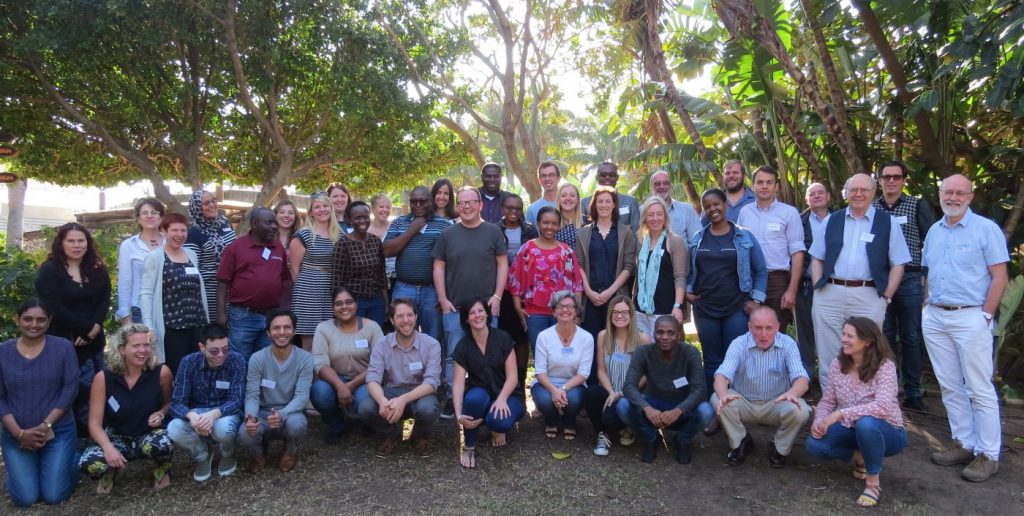
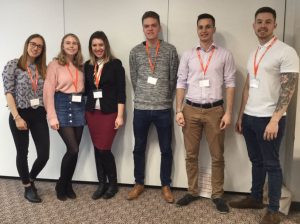
Participants of the Researcher Links workshop entitled ‘Research capacity for sustainable ecosystem-based management of estuaries and coasts’ (19-21 July 2018, Durban, South Africa) coordinated by Dr Luciana Esteves (Dep Life & Environmental Sciences, SciTech).
I can only say that the experience of engaging with such talented and vibrant group of early career researchers and stimulating open discussions about career directions and prospects, focusing particularly on the importance of international collaboration and closing the research-practice gaps was truly rewarding. It was uplifting to see the connections building between UK and South African researchers and how links with government and NGO practitioners were providing a new direction to the career of some participants. From day 1 participants were talking to each other as old colleagues and engrossed in the activities proposed. No wonder some came out with clear plans on how they will work together, from designing teaching material to collaborating in research proposals and papers, consolidated the links created during the workshop. These links are evident in the action plans participants were asked to produce at the end of the workshop.
Very important was the participation of government practitioners, acting at the national level designing policy and at the province level implementing policy. It was clear the interest for improving research-policy links and some examples of good practices in the UK and South Africa and new ideas were shared and discussed. For example, secondments of staff, co-funding of research posts/projects, ways of stimulating policy-driven research calls. In general terms, the workshop discussions highlighted two evident differences:
- in South Africa, the integration between social and natural sciences in research projects seems to be less common than currently in the UK – perhaps in South Africa, trans/interdisciplinarity have not had the push from funders as it has been observed in the UK and the EU in recent years.
- perhaps for the same reason, participants based in South Africa were not highlighting the relevance to practice and policy of their research projects, as it is now generally expected in the UK
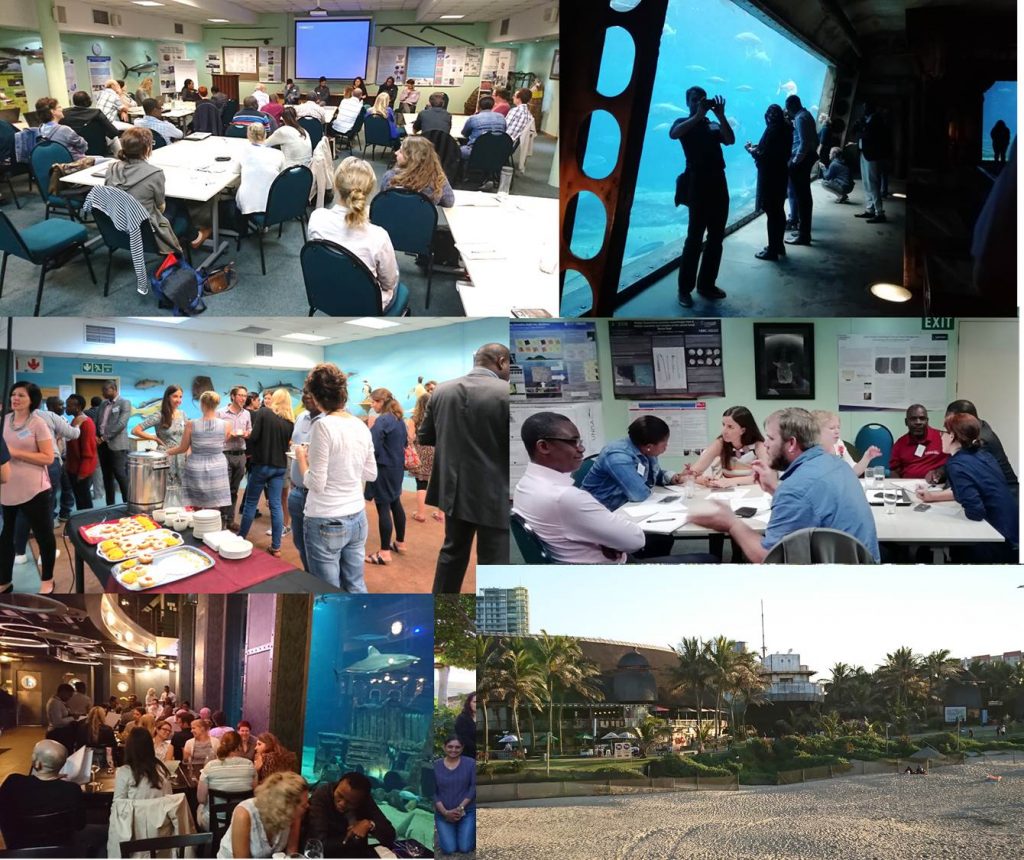
Besides lots of discussions, the activities included a visit to the marine aquarium, networking during coffee breaks and a fantastic dinner at the Cargo Hold restaurant (the boat you see on the bottom right).
 Hai Luu (PhD student working with Prof Genoveva Esteban and Dr Iain Green in the Department of Life and Environmental Sciences, SciTech) travelled to her home country of Vietnam where she organised a seminar on microscopic life for 20 undergraduate students of the Aqua-Agriculture Faculty at Travinh University. Students collected samples from freshwater ponds, and observed the single-celled and other microscopic organisms that thrive in such habitats; they also studied their diversity in soil samples. Hai Luu gave a presentation about the diversity of organisms that constitute the unicellular protists, including micro-algae, protozoa, and slime molds. This event was a great opportunity for the students to recognise the biodiversity of micro-organisms in soils and fresh waters, and to understand the important role they play in food webs. The seminar was the first of its kind at Travinh University, and a unique opportunity to disseminate the research we do in this field at BU to a wider audience. Excellent feedback was received from the enthusiastic group of students.
 Alina is a founding member of the Interest Group established officially in 2016, following a collective effort of raising signatures that she co-ordinated as a volunteer. The Group has grown fast to over 100 members worldwide and brings together scholars investigating topics related to public diplomacy, nation branding, country image and reputation, public relations for and of nations, as well as political, global and cultural communication influencing international relations.











 Dr. Orlanda Harvey interviewed as expert
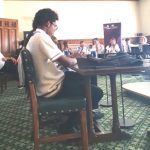 Dr. Paul Whittington attends Technology and the SEND Reforms Roundtable in the House of Commons
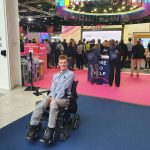 Dr. Paul Whittington joins Bett 2026 DfE Assistive Technology Roundtable
 BU Prof Jonathan Parker promoting social work in Malaysia
 New interdisciplinary paper accepted for publication
 Three NIHR Internships awarded at BU
 Horizon Europe Cluster 3 (Civil Security for Society) 2026 Calls Now Open
 MSCA Doctoral Networks 2026 Call Information Webinar
 ESRC Festival of Social Science 2026: Application Deadline Extended to Thursday 25 June 2026
 Reminder: Register for the ESRC Festival of Social Science 2026 Information Session
 ECR Funding Open Call: Research Culture & Community Grant – Apply now
 ERC Advanced Grant 2025 Webinar
 Update on UKRO services
 European research project exploring use of ‘virtual twins’ to better manage metabolic associated fatty liver disease