 The deadline for proposals for the Festival of Learning is Tuesday 31st July. We want to be able to showcase the best of what we do here at BU, which means we are looking for proposals from as many colleagues as possible. If you have not submitted a proposal as yet, there is still time – just! The Festival of Learning Proposal Form is relatively brief, but it is crucial that we are aware of your ideas now so we can incorporate your activity into the planning of the Festival.
If you are looking for some sources of inspiration, a good place to start can be the National Coordinating Centre for Public Engagement website, which has a useful how to do it section featuring many case studies. You may also find it useful to consider the outputs from some of the Beacons for Public Engagement, including UCL, the Beacon for Wales and Beacon North East.
It could also be useful to reflect on your short courses that you have run in the past or training that could be adapted to be part of the Festival.
If have any further queries or would like to talk through your proposal, please do not hesitate to contact Becca on 61206 / 01202 961206.
 y ask what has stand-up comedy got to do with research? Well, the founders of


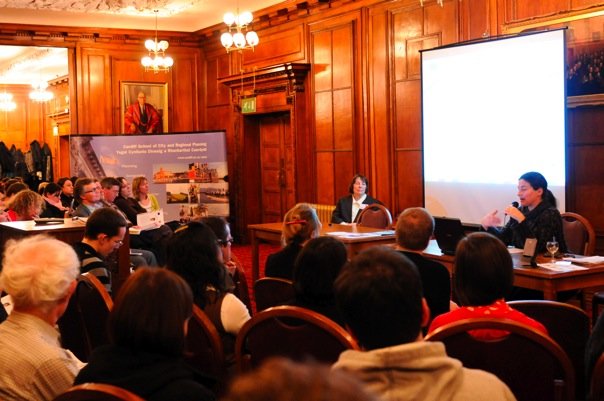
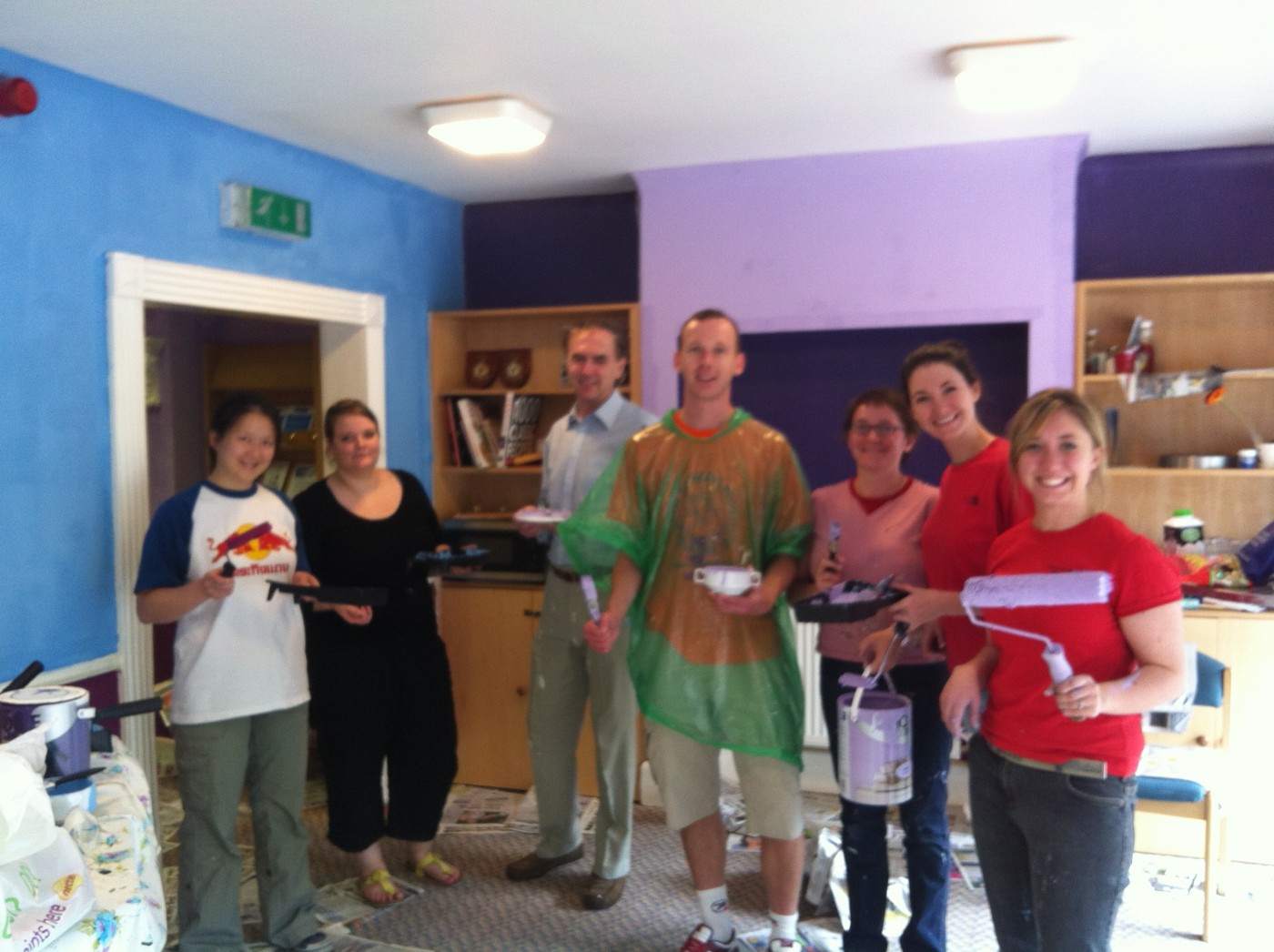
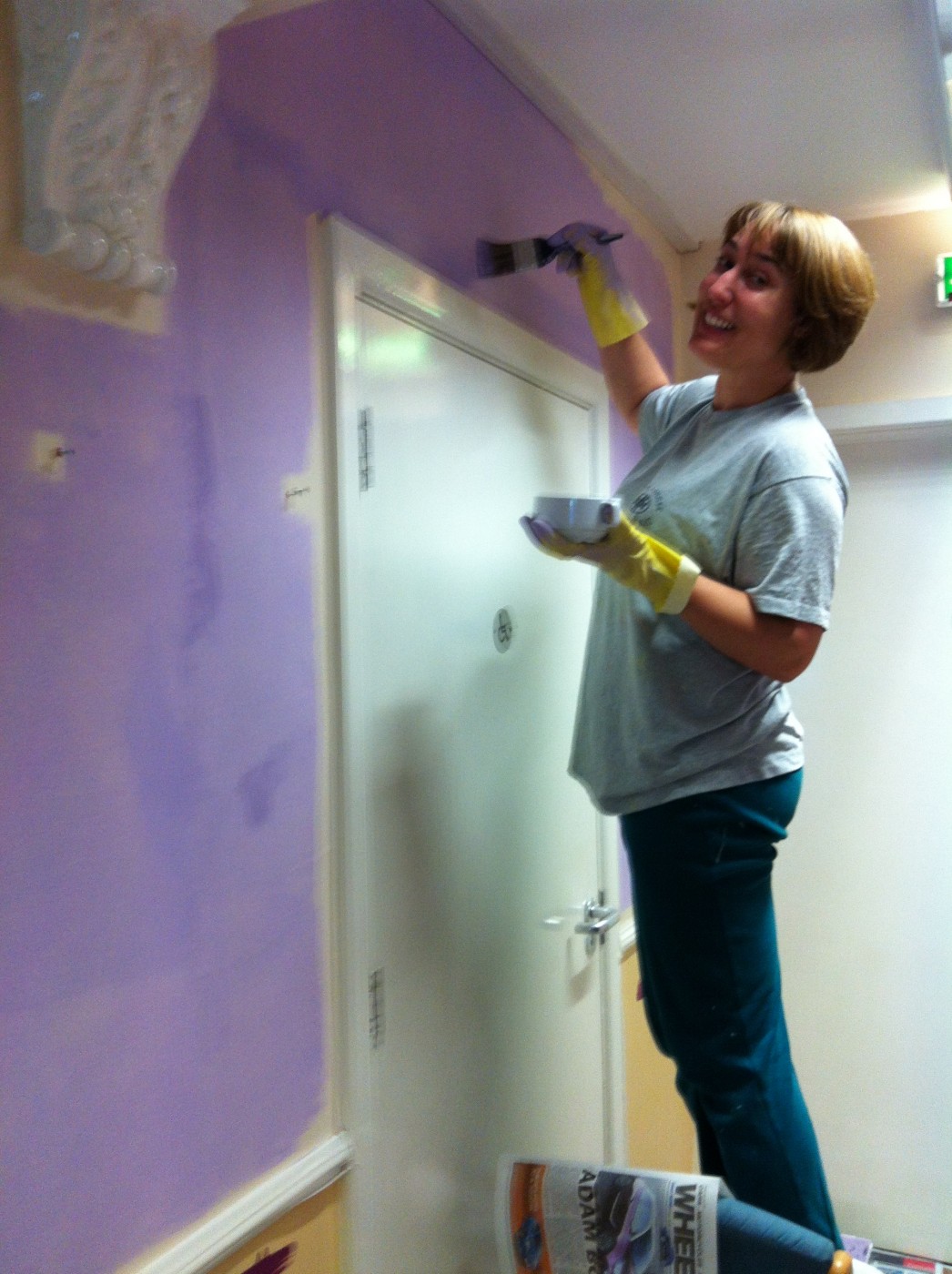
 Activities include peer supprt, healthy living, horticultural groups, Bailey’s Frames, Bailey’s Cafe, groups and groupwork. East Dorset Community Services is part of one of the largest specialist mental health service provider in England. The Service enables people to undertake training and education and to access other support within their areas thus reducing social isolation.
  ular readers of this blog may have already been alerted to the ESRC Seven Days of Social Science, but in case you have missed it, I would recommend having a look at the
  Do you remember when museums were full of dusty exhibits that you were not allowed to touch, or am I just showing my age? Fortunately those days are long gone and now as a nation we are blessed with many interactive museums that facilitate all generations to get involved to learn more about the fascinating world in which we live. Examples include
  up in my series of public engagement activities that you could include in the Festival of Learning is the humble cafe – otherwise known as a Science Cafe, Cafe Scientifique or a Philosophy Cafe.


 The Royal Academy of Engineering is calling for applications to the







 Verbal autopsy paper published two days ago
 ESRC Studentships for 2027 Entry: Opportunity Now Open
 SONAMONI contributions to Safety Conference 2026 in South Africa
 Three CMWH presentations at Berlin conference
 Horizon Europe Cluster 3 (Civil Security for Society) 2026 Calls Now Open
 MSCA Doctoral Networks 2026 Call Information Webinar
 ESRC Festival of Social Science 2026: Application Deadline Extended to Thursday 25 June 2026
 Reminder: Register for the ESRC Festival of Social Science 2026 Information Session
 ECR Funding Open Call: Research Culture & Community Grant – Apply now
 ERC Advanced Grant 2025 Webinar
 Update on UKRO services
 European research project exploring use of ‘virtual twins’ to better manage metabolic associated fatty liver disease