December’s Community Voices Webinar welcomes Jae Harris SYCC Manager.
SYCC is a small independent non-government funded charitable organisation at the heart of the Somerford community that aims to meet the needs of young people, their families, and the wider community. SYCC runs youth clubs, activities and other services for young people such as mentoring and mental health support. SYCC runs a community food project called The People’s Pantry – a low-cost service for families who are experiencing food poverty and there is a gym open to the community to use – and so much more.
Community voices is a collaboration between BU PIER partnership and Centre for Seldom Heard Voices to provide a platform and a voice to local community activists.
The ESRC Festival of Social Science 2024 has come to an end, successfully bringing together diverse audiences to explore, learn, and engage with BU’s research.
The 2024 festival, which included 324 nationwide events, had ‘our digital lives’ as a central theme. Many of the events examined the relationship between humans and digital technology, exploring current threats and opportunities, as well as imagining what life might be like in the future.
For the 13th year, BU took part in the festival, drawing over 250 attendees to five engaging events, two of which were also featured in the University of Southampton’s Arts and Humanities Day on Saturday 9 November. In partnership with the University of Southampton for the second consecutive year, the festival showcased a programme of events, ranging from discussions on well-being and cybersecurity to an exhibition highlighting the voices of young LGBTQ+ individuals.
Avonwood Primary School
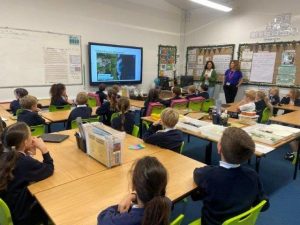
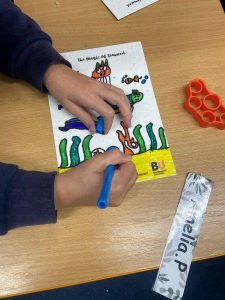
Our festival programme began with ‘Underwater Farms – The Magic of Seaweed’ an exciting opening event for 61 year 3 students at Avonwood Primary School.
Activities with pupils at Avonwood Primary School
BU researchersAnastasia Vayona and Kirthana Pillay visited two classes, where they introduced children between the ages of 7-8 to the wonders of seaweed as a food source and highlighted how underwater farming could play a crucial role in creating a more sustainable future for agriculture. The children were particularly keen to try the seaweed scones!
“…a really informative and fun event that was perfectly pitched for the age of participants…it gave them a chance to explore food and nutrition in a fun, interactive context” feedback from a teacher at Avonwood Primary School
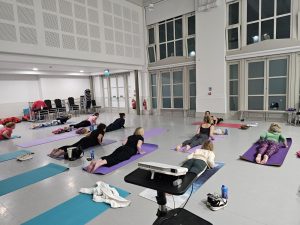
The next event in our programme, ‘Take a Meno(pause)’ exploring well-being through yoga for mid-life -was an interactive session at Pavilion Dance, focusing on the benefits of yoga during the menopause years.
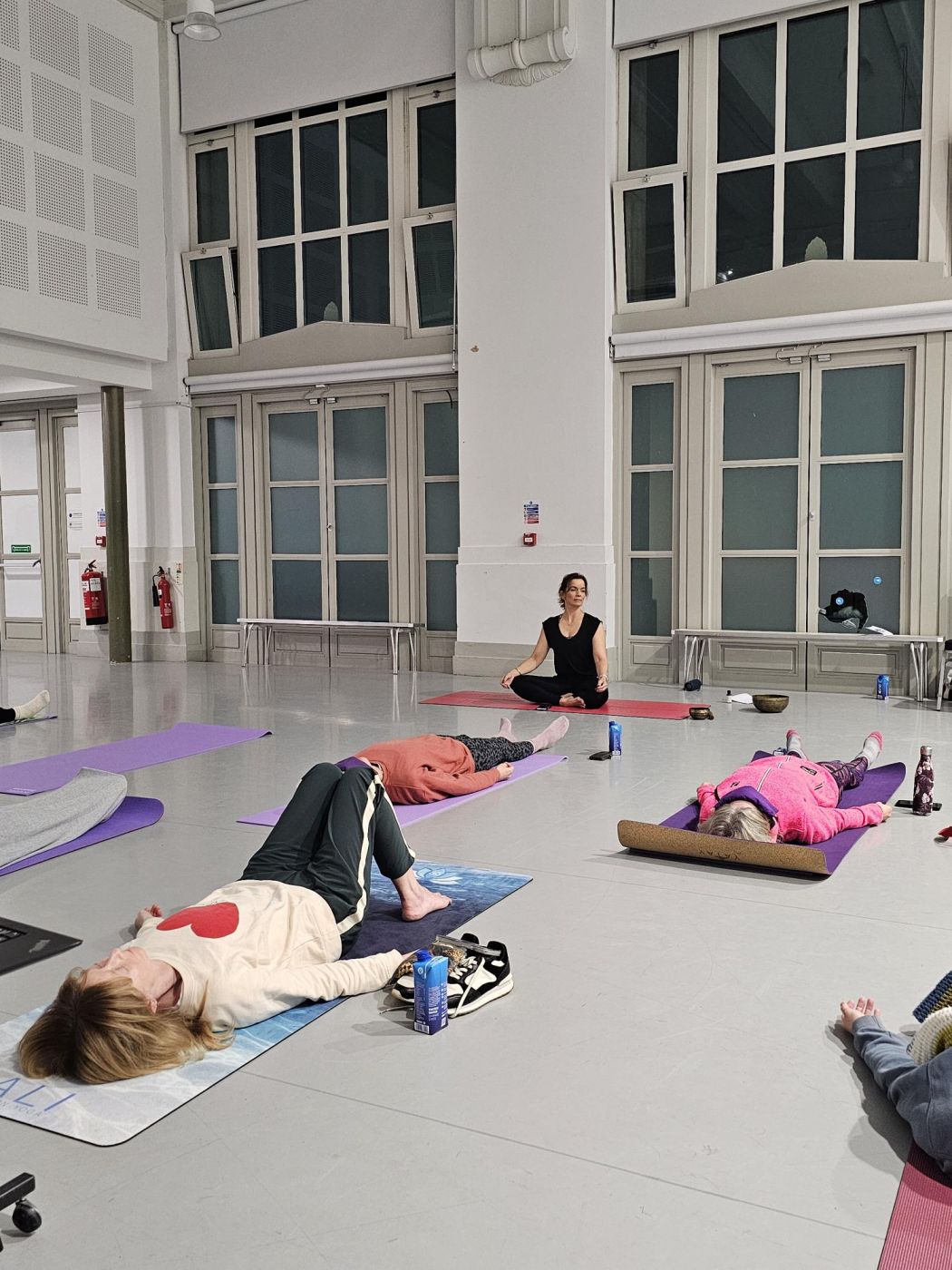
Yoga practice led by Dr Hecquet
Dr Juliette Hecquet’s research looks at yoga’s effectiveness in managing the physical and emotional symptoms of perimenopause, menopause, and beyond. By integrating body and mind, yoga promotes health, strength, and overall well-being during this life stage.
Yoga breathing exercises
Participants learned how yoga can enhance physical and mental health and how mindfulness can support the transition through mid-life. The session also included a guided yoga practice led by Dr Hecquet, with poses and breathing exercises designed to deepen relaxation and improve well-being throughout the menopause journey.
“…very professional and I thoroughly enjoyed it.” feedback from an attendee
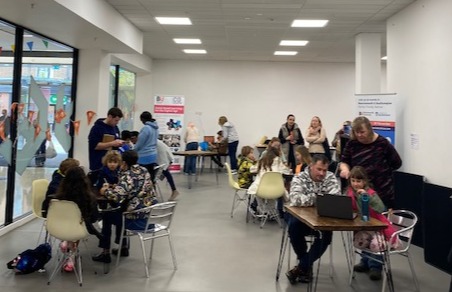
Board game activities at Cybersecurity Family Fun day in Poole Dolphin Centre
BU’sCyGamBIT Team hosted a ‘Cybersecurity Family Fun Day’ at Gather, the hub for community events at the Dolphin Centre in Poole. During half term, this interactive cybersecurity day gave participants of all ages the opportunity to discover practical tools to enhance digital safety, with hands-on activities that made learning about cybersecurity both fun and accessible
Guided by BU computer science researcher Dr Jane Henriksen-Bulmer and CyGamBIT co-founder and BU PhD student Emily Rosenorn-Lanng, families left with practical takeaways to help keep their information secure and a better understanding of how digital safety affects everyone.
“…granddaughter loved how it taught her about safety online” feedback from an attendee
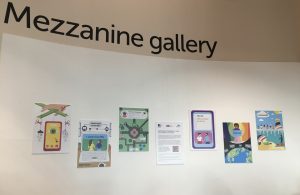
The ‘Communities of wellbeing: the digital lives of LGBTQ+ young people’ exhibition was displayed at the Lighthouse in Poole from 26 October – 16 November. The artwork highlighted the powerful stories of young LGBTQ+ individuals, who shared their experiences of creating inclusive online spaces where they feel safe, joyful, and have a sense of belonging.
Exhibition displayed at the Lighthouse in Poole
Dr Jayne Caudwell and Dr Francesca Gaunt hosted a series of workshops with LGBTQ+ youth. Through these group discussions, six key themes emerged, including topics like the experience of coming out as LGBTQ+ in online spaces. These conversations inspired the creation of artwork reflecting the themes explored.
The exhibition images and content from the workshops will also be used to create a digital version of the exhibition, coming soon!
“…inspiring – we all have far more in common than our differences – we all need respect and acceptance” feedback from an attendee
Our online workshop, ‘Teaching for Wellbeing: Connecting Practice with Socio-Emotional Support’, led by Dr Esther Anwuzia, covered effective teaching practices to support students’ well-being in today’s challenging environment.
Former teachers Elaine Baker-Smith and Jerry Whitton with a combined 55 years of experience also participated in the session, offering their perspectives on effective teaching practices, and promoting student well-being.
Dr Anwuzia’s research explores how heavy workloads restrict teachers’ ability to reflect beyond teaching and grading. Since the pandemic, an increasing number of students with social and emotional difficulties are absent from school. Focused teaching can help build students’ confidence and support responsible decision-making.
Teacher Zoom Event
The workshop provided an opportunity for teachers to connect, exchange insights, reflect on their experiences, and explore strategies for making a positive impact on students’ lives.
“… I remember having a teacher who explained information in lots of different ways to help with our understanding”
“…really brilliant presentation!” feedback from attendees
Watch this event
A Special Feature – Southampton Arts and Humanities Day
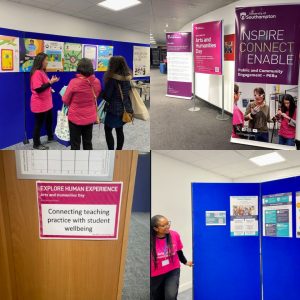
For the first time, BU researchers were invited to participate in the University of Southampton’s Arts and Humanities Day, which took place on Saturday 9 November in the city’s Cultural Quarter. The day offered a range of free interactive activities, workshops, talks, performances, and exhibits.
Attendees had the opportunity to engage with the Young LGBTQ+ stories exhibition, which attracted more than 90 viewers, while Dr Esther Anwuzia hosted a drop-in session on Connecting teaching with student wellbeing, making her own connections with more than 30 educators and members of the public.
Southampton Arts and Humanities Day
Thank you
A big thank you to everyone who joined us and contributed to this year’s ESRC Festival of Social Science. Your involvement helped make our events a meaningful celebration of the positive impact social science has on our communities.
Applying for the ESRC Festival – what you need to know
Event leads were chosen through a competitive internal application process, with selections determined by a panel of researchers and professional services staff. BU’s Public Engagement Team provided support to help bring their creative and engaging event ideas to life.
If you’re considering participating in a future ESRC Festival of Social Science, now is an ideal time to start preparing your proposal. Begin by exploring the 2024 festival open call to gain insight into what we look for in applications for 2025.
If you would like to start discussing your ideas, please get in touch with the public engagement with research team at publicengagement@bournemouth.ac.uk.
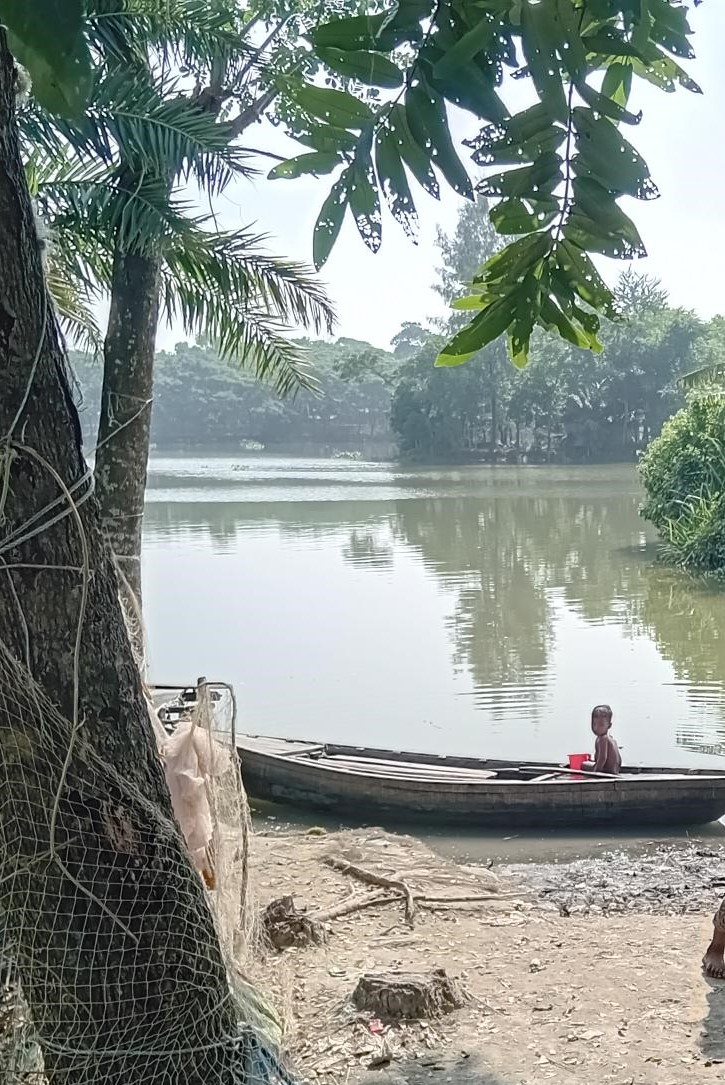
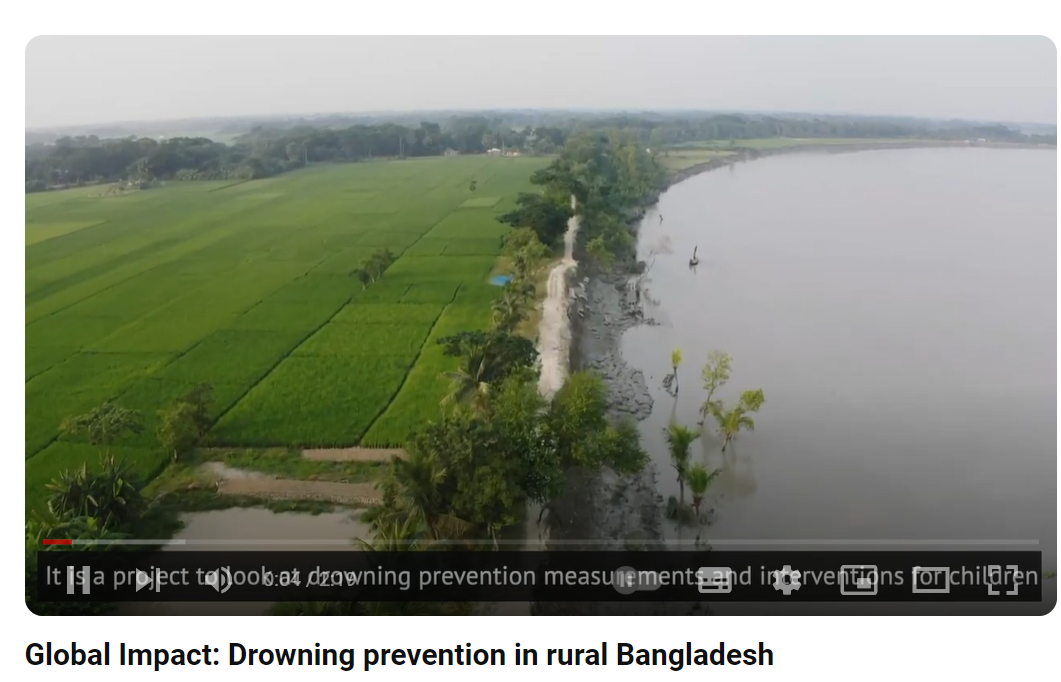
This week I had the pleasure of visiting one of the two major research sites of our Sonamoni project. Sonamoni is jointly coordinated by Bournemouth University in collaboration with the Centre for Injury Prevention and Research, Bangladesh (CIPRB), the University of the West of England, Bristol, the University of Southampton, Design Without Borders (DWB) in Uganda, and the Royal National Lifeboat Institution (RNLI). We are working to reduce drownings among newly-mobile children, generally those under two years old. This £1.6m project has been made possible thanks to a grant from the National Institute for Health and Care Research (NIHR) through their Research and Innovation for Global Health Transformation programme. Yesterday CIPRB staff Prof. Dr. Aminur Rahman and Mr. Notan Chandra Dutta took me to the field site in Kalapari in rural Bangladesh.
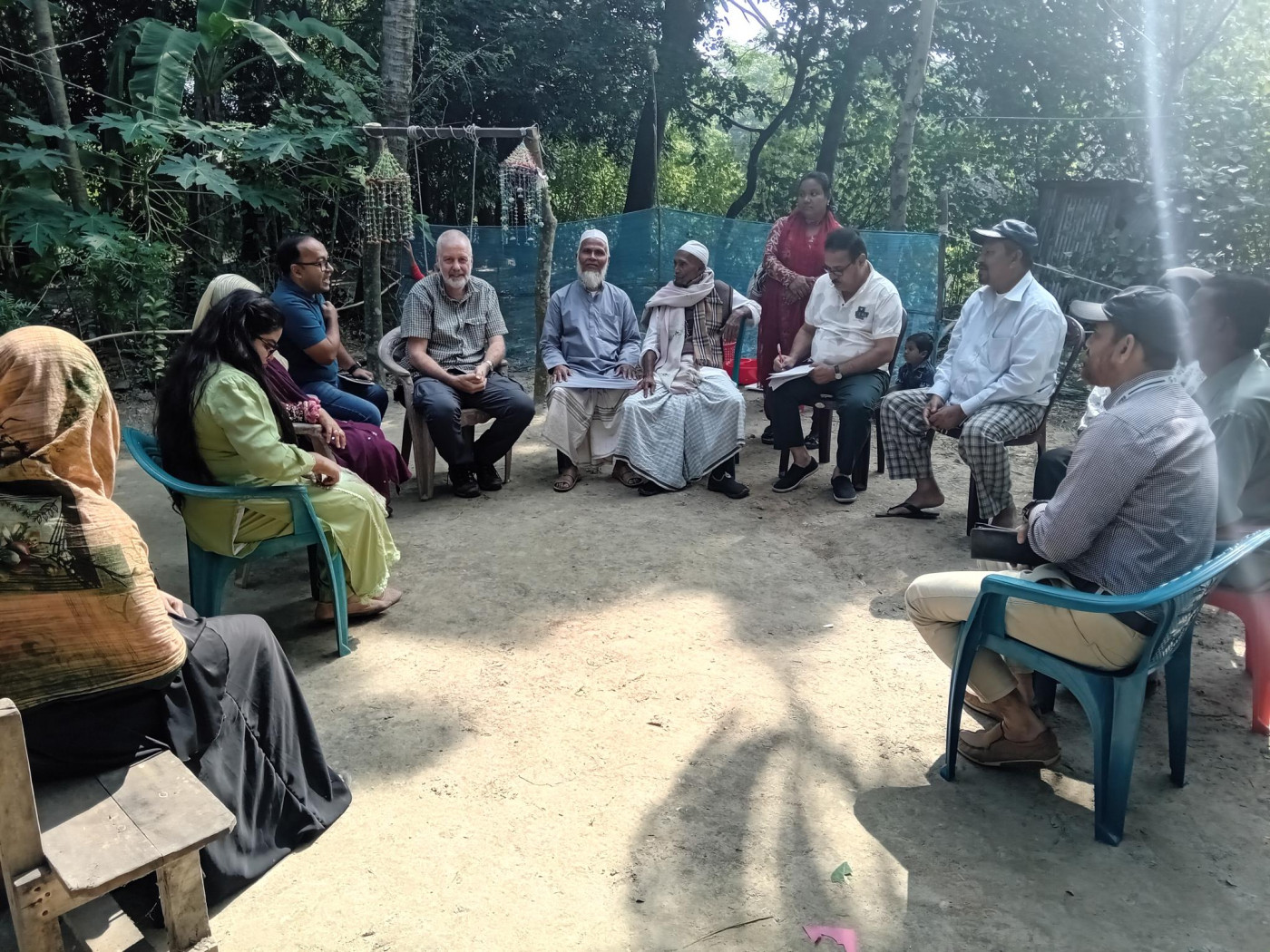
This was my first ever visit to Bangladesh despite earlier attempts to go out there two and three decades ago. This visit included an outdoor meeting with a Village Injury Prevention Committee (VIPC) with whom CIPRB has been working for years in harmony.
The Bournemouth University team comprises staff from three faculties: Dr. Mavis Bengtsson, Dr. Kyungjoo Cha, Dr. Mehdi Chowdhury, Dr. Yong Hun Lim, Mr. John Powell, and Prof. Edwin van Teijlingen, and Ph.D. student Mr. Md. Shafkat Hossain. For more information about our ongoing research in Bangladesh, please visit the NIHR website.
Are you organising a public engagement activity or event that you would like help to promote?
Whether it’s a community event, public lecture, workshop, or any other public engagement activity, the Public Engagement with Research team can assist in promoting your event. Our monthly newsletters and social media channels offer a range of promotional opportunities to help you reach a wider audience and ensure your event is a success.
To be considered for inclusion, your event or activity must be;
Intended for and open to non-academic audiences
Focused on BU research, either solely or as part of a wider programme. Events or activities that do not involve BU research, such as marketing or recruitment events, will not be accepted.
Submitted, at the latest, in the first two weeks of the month preceding the event. For example, an event taking place in June should be submitted via the form any time before 14 May.
Event descriptions may be edited for consistency in style with other content.
This month we welcome Mike Graham (Chief Executive Officer) and Tanya Bailey Education, Training & Employment Coordinator from The Lantern Trust.
The Lantern Trust is an independent registered charity that was founded in 1983 to help vulnerable and marginalised people in the Weymouth and Portland area.
The Lantern Trust aims to bring a lasting change in people’s lives through our dedicated service; meeting people’s practical, emotional, and personal aftercare needs. Their ethos is one of social inclusion, and aiming to break cycles of disadvantage and dependency.
Community voices is a collaboration between BU PIER partnership and Centre for Seldom Heard Voices to provide a platform and a voice to local community activists.
We are pleased to confirm that the deadline for submitting data for the 2023-24 HE-BCI submission has now passed.
We would like to extend our thanks to everyone who provided information on their social, community and cultural events.
This year, thanks to your valuable contributions, we appear to have successfully captured an increased number of events in comparison to previous years.
Thank you once again for your support. We look forward to sharing further insights with you soon.
Thank you to everyone who has already submitted their social, community and cultural events for 2023-24. Your contributions are greatly appreciated. If you haven’t submitted yours yet, there is still time.
Deadline: Monday 4 November
Last year, we documented over 200 events and reached a total of 18.5 million attendees (including media appearances) for the 2022-23 return. We aim to match or even exceed that success this year!
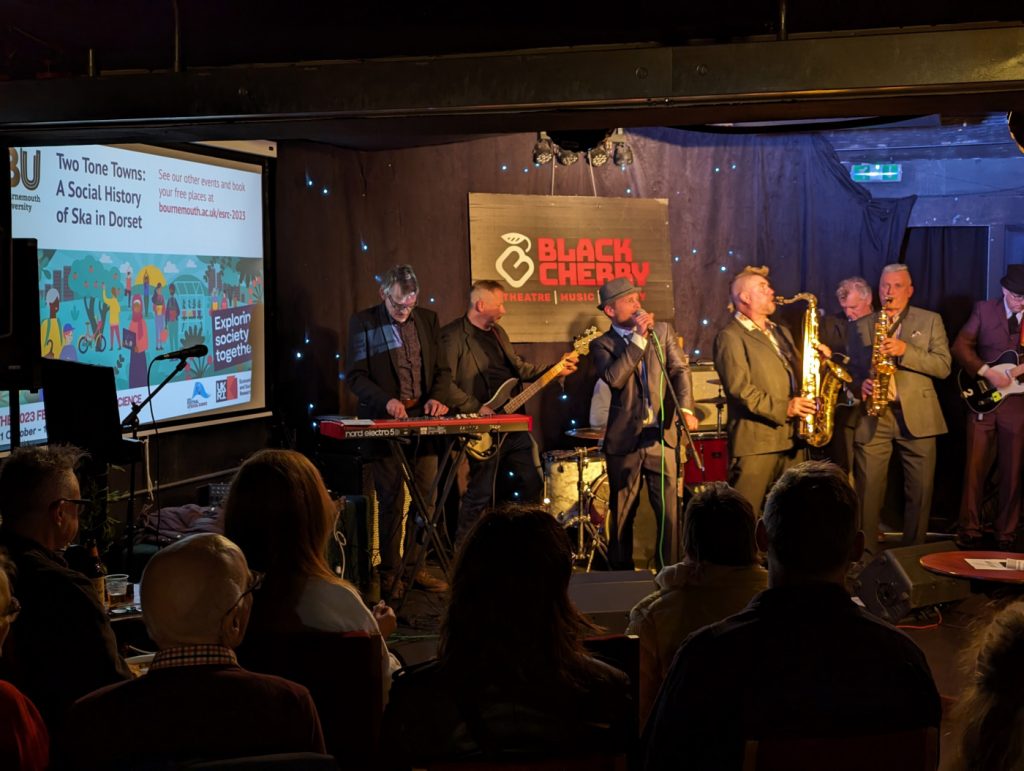
ESRC Festival of Social Science 2023 – Two Tone Towns: A Social History of Ska in Dorset
What is HE-BCI?
The HE-BCI survey is a mandatory annual return that BU makes to the Higher Education Statistics Agency (HESA). An important part of this is to capture activity in terms of social, community and cultural events intended for the external community. This data is part of the information used to determine the allocation of Higher Education and Innovation Funding (HEIF) for BU.
What activities can be included?
Please include details of any relevant events that you have been involved in which took place/will take place between 1 August 2023 – 31 July 2024
Events must have been open to the public or intended for an external (non-academic) group and have included an exchange of knowledge. Events may take place in the UK or overseas
TheSharePoint site provides details about what data is collected, including calculating attendee numbers, staff time, reporting online activities and multiple related events
The Innovation Funding Panel is pleased to announce the 2024-2025 Open Call for Applications.
Higher Education Innovation Funding (HEIF) is now available for innovation knowledge exchange projects, please find details below of the call, eligibility and how to make an application.
Research England provide universities with HEIF funding. This is for knowledge exchange to enable them to develop a broad range of knowledge-based interactions: working with business, public and third sector organisations, community bodies and/or the wider public, to exchange knowledge and increase the economic and societal benefit/impact from their research. The Panel invites applications from:
significant projects that are underway and require a further funding to expand on current work to increase current impact;
existing knowledge exchange projects that are completed but can develop in a way which was not part of their initial project outcomes/impact with follow-on funding to develop to the next level or to explore areas/opportunities which arose from the original project outcomes;
projects with ambition that require seed funding, capacity building, proof-of-concept or launchpad
Further Information and Guidance
Please make sure that you read and follow the information and guidance in the document (link below)
To apply, please read the guidance and complete the application form. The completed form must be submitted through the online application form below by 5pm on Friday 22nd November 2024. Please note, late applications will not be accepted and the online form portal will close at 5.00 pm GMT.
Thank you to everyone who has already submitted their social, community and cultural events for 2023-24. Your contributions are greatly appreciated. If you haven’t submitted yours yet, there is still time.
Deadline: Monday 4 November
Last year, we documented over 200 events and reached a total of 18.5 million attendees (including media appearances) for the 2022-23 return. We aim to match or even exceed that success this year!
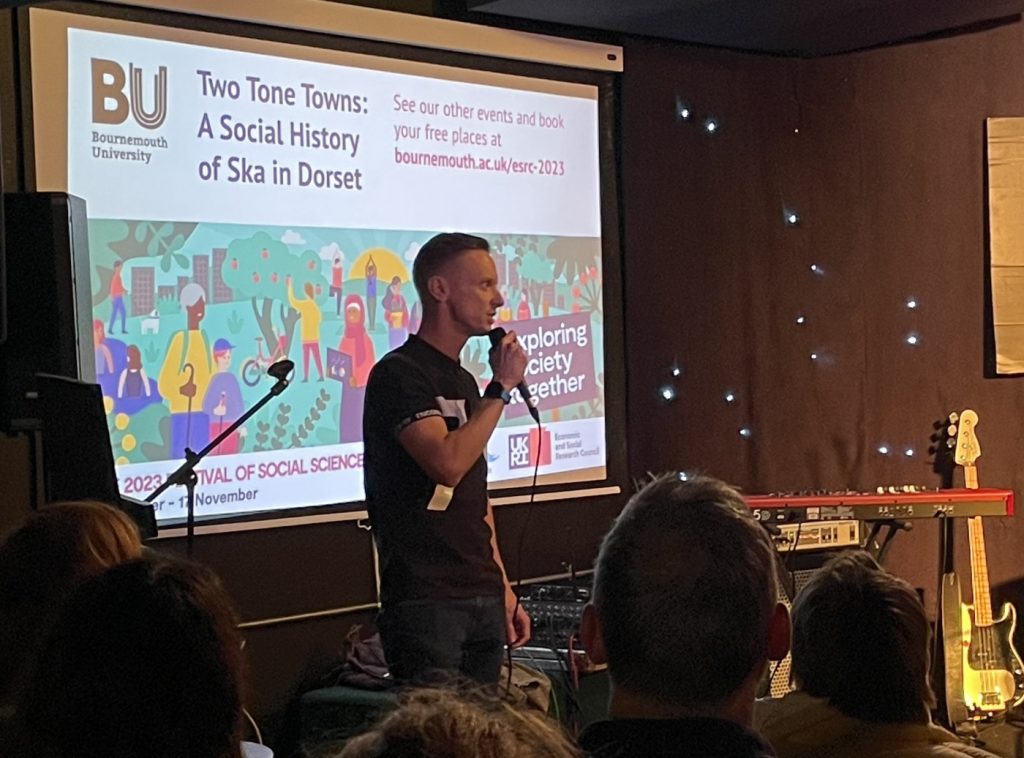
ESRC Festival of Social Science Event 2023 at RNLI
What is HE-BCI?
The HE-BCI survey is a mandatory annual return that BU makes to the Higher Education Statistics Agency (HESA). An important part of this is to capture activity in terms of social, community and cultural events intended for the external community. This data is part of the information used to determine the allocation of Higher Education and Innovation Funding (HEIF) for BU.
What activities can be included?
Please include details of any relevant events that you have been involved in which took place/will take place between 1 August 2023 – 31 July 2024
Events must have been open to the public or intended for an external (non-academic) group and have included an exchange of knowledge. Events may take place in the UK or overseas
TheSharePoint site provides details about what data is collected, including calculating attendee numbers, staff time, reporting online activities and multiple related events
The Russell Cotes Museum Late evenings are a chance to explore the museum after dark with short talks and pop-up exhibitions – a perfect opportunity to talk about Gothic at a sold-out event.
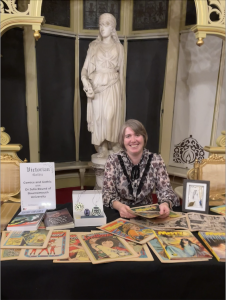
I’d been invited to set up a stall exploring Gothic Comics, showcasing my research into British girls’ comics of the 1970s. This let me share lots of comics alongside the free gifts that were given away with the first few issues of each new title. I also brought along a few very rare items such as the dummy folder of the launch issue of Misty #1, which shows how story titles were added in (letraset transfers) and colour pages were allocated.
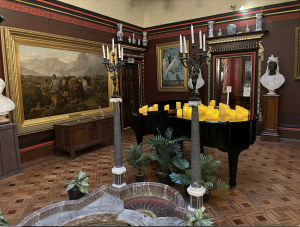
It was a brilliant evening where I found myself set up alongside tarot readings, Gothic poetry writing, a handling table of memento mori objects from the museum, and lots of short talks and readings of classic Gothic literature, all set to candle-lit piano music.
I had a great time chatting with some fabulously dressed folk about the largely forgotten wave of Gothic girls’ comics that emerged in Britain in the 1970s and how they used many common motifs of the Gothic tradition (embedded stories, nature imagery) and Victorian Gothic themes and settings (Jack the Ripper, Dracula, dire workhouses, wicked governesses, seances, and more). I always love getting people to reminisce about the comics they remember (or have mostly forgotten) and this was no exception! We talked about the way these comics were produced (small teams, weekly outputs, a frantic pace), the reasons they’ve been lost to memories and history (greedy publishers, competition with other media, poor treatment of creators and readers), the gothic tropes and themes they contain (adaptations of everything from Edgar Allan Poe to Stephen King, modern cautionary tales, myths and legends, historical ghost stories), and the balancing line they tread between conservative morals and transgressive excitement.
To find out more about this lost gothic, please visit my website www.juliaround.com.
Julia Round is an Associate Professor and English and Comics Studies in the Department of Humanities and Law, and Head of the Narrative, Culture and Community Research Centre. She has over 50 publications on Gothic, horror and comics, including the award-winning book Gothic for Girls (2019).
The LGBTQ+ Digital Lives project at Bournemouth University is exploring the online safety experiences of young people in the LGBTQ+ community.
Could you spare a few minutes to share your thoughts on this important issue?
The content and ideas shared from this survey will contribute to the ‘Our Digital Lives’ art exhibition, which will be on display during the ESRC Festival of Social Science (October – November 2024) with plans to also display during LGBTQ+ History Month (February 2025) and Pride Month (June 2025).
Your participation in this survey is greatly appreciated. Please be assured that all responses will remain completely anonymous with no personal identifiers collected. Your answers will be used solely to support the ‘Our Digital Lives’ art exhibition.
CyGamBIT, an innovative game-based learning platform developed by Bournemouth University and Cyber Innovations Ltd., was showcased at the International Cyber Expo 2024 (ICE24), held on the 24th and 25th of September at Olympia, London.
CyGamBIT is designed to address the cybersecurity skills gap, particularly in SMEs, charities, and educational institutions, and forms part of the pre-spin-out phase of Cyber Innovations Ltd., which is closely linked with BU’s Department of Computing and Informatics.
On day one, Professor Vasilis Katos and Emily Rosenorn-Lanng represented CyGamBIT at the Department for Science, Innovation and Technology (DSIT) Pavilion, engaging attendees with the platform’s potential to transform cybersecurity education. Vasilis also took the stage at the Tech Hub, where he presented Cyber Innovations Ltd.’s mission to redefine the future of cybersecurity education.
His talk highlighted how CyGamBIT’s interactive, game-based learning tools are making cyber resilience training more accessible, especially for non-technical staff in organisations. This approach resonated with many, opening up discussions around new possibilities for collaboration.
On day two, the baton was passed to Lesley Hutchins and Dr. Jane Henriksen-Bulmer, who represented CyGamBIT and Bournemouth University. with equal enthusiasm, continuing conversations about how CyGamBIT can empower school kids and adult age groups to manage cyber threats more effectively.
The team engaged with a variety of industry professionals, academics, and students, gathering connections and valuable insights into future partnerships and potential improvements to the platform.
Throughout the event, Innovate UK and the CyberASAP programme were central to the conversation. CyberASAP has played a pivotal role in accelerating CyGamBIT’s development, providing vital support in bringing the project closer to market. Innovate UK’s commitment to fostering innovative solutions has been instrumental in helping Cyber Innovations Ltd. progress from concept to implementation, ensuring the platform’s future in the cybersecurity education landscape.
As part of Cyber Innovations Ltd.’s broader mission, CyGamBIT is not only shaping the cybersecurity space but also contributing to wider community engagement.
We are excited to continue these efforts at the upcoming ESRC Festival of Social Science in November, where we will be hosting a Cybersecurity Family Fun Day. This event will further demonstrate how interactive learning can empower families to engage with cybersecurity in an accessible and meaningful way.
We are grateful to DSIT, CyberASAP, and Innovate UK for the opportunity to showcase our innovations at ICE24 and look forward to continuing these valuable conversations in the future.
For more information on CyGamBIT and Cyber Innovations Ltd., visit www.cygambit.com.
This month we welcome Abigail Parkes (she/they), the Marketing, Outreach and Fundraising Coordinator from Beyond Reflections. Beyond reflections is a charity working to create a safe community for trans+ people and their allies, providing support designed with and for the community. They provide a mixture of one to one and group support for gender diverse adults (including those who are questioning) as well as cis people who are struggling with a loved one’s transition. Abigail’s role is to work with the wider community to spread awareness of BR’s services, build relationships and partnerships that help to improve those services, and ensure they are sustainable for many years to come.
https://beyond-reflections.org.uk/
Community voices is a collaboration between BU PIER Partnership and Centre for Seldom Heard Voices to provide a platform and a voice to local community activists.
We need your help to ensure we submit all our social, community and cultural events for 2023-24. Deadline: Friday 15 November
ESRC Festival of Social Science event 2023
What is HE-BCI?
The HE-BCI survey is a mandatory annual return that BU makes to the Higher Education Statistics Agency (HESA). An important part of this is to capture activity in terms of social, community and cultural events intended for the external community. This data is part of the information used to determine the allocation of Higher Education and Innovation Funding (HEIF) for BU.
Last year we recorded 200+ events and a total of 18.5m attendees (which includes media appearances) for the 2022-23 return. We want to ensure we can do as well, if not better for this year!
What activities can be included?
Please include details of any relevant events that you have been involved in which took place/will take place between 1 August 2023 – 31 July 2024
Events must have been open to the public or intended for an external (non-academic) group and have included an exchange of knowledge. Events may take place in the UK or overseas
TheSharePoint site provides details about what data is collected, including calculating attendee numbers, staff time, reporting online activities and multiple related events
We are putting together the 2023-24 HE-BCI return and could use your help to make sure we include all of BU’s social, community, and cultural events
ESRC Festival of Social Science event in 2023
What is HE-BCI?
The HE-BCI survey is a mandatory annual return that BU makes to the Higher Education Statistics Agency (HESA). An important part of this is to capture activity in terms of social, community and cultural events intended for the external community. This data is part of the information used to determine the allocation of Higher Education and Innovation Funding (HEIF) for BU.
What activities can be included?
Please include details of any relevant events that you have been involved in which took place/will take place between 1 August 2023 – 31 July 2024
Events must have been open to the public or intended for an external (non-academic) group and have included an exchange of knowledge. Events may take place in the UK or overseas
The deadline for submitting your events is Friday 15 November.
TheSharePoint site provides details about what data is collected, including calculating attendee numbers, staff time, reporting online activities and multiple related events
Below is the latest edition of the BU policy influence digest newsletter. It is drawn from several sources including directly from UK central and devolved administrations, newsletters from Parliament Knowledge Exchange Unit, UPEN and others.
If you’d like to receive this digest by email, sign up in two clicks (BU login required).
Explore new opportunities to respond to consultations and inquiries from the UK and globally. All dates provided are closing dates for submission. Opportunities listed below have been either launched or updated since the last digest. RDS can support.
POSTnotes are short, peer-reviewed evidence briefings on emerging areas of research produced by the Parliamentary Office of Science and Technology (POST). POST welcomes contact.
Join the Parliament Knowledge Exchange Unit (KEU) in October for one of two new Parliament for Researchers training sessions, in collaboration with Members of the House of Lords.
This blog, written off the back of a workshop held as part of the UPEN Arts & Humanities subcommittee’s 2024 fringe event, hopes to give arts & humanities researchers some food for thought for when they are approaching a new research funding bid.
In this blog and paper, Laura Bea and Dr. Alejandra Recio Saucedo (University of Southampton) explore ways in which marginalised academics and university-based knowledge brokers conceptualise EDI within their academic-policy engagement activities.
Hansard (the Official Report) is the edited verbatim report of proceedings of both the House of Commons and the House of Lords. It is published daily when Parliament is sitting and records what is said in the main Chambers of both Houses.
Join us for the end of project celebration event for the NIHR funded Trans Aware Cancer Care (TACC) project. Wednesday September 25th 10.45-1.30pm Mast Studios Southampton
This will be an opportunity to see the BU PIER community researcher model in action. Hear how the community researchers captured such deep and rich insights -what worked well, the many lessons learnt, and how the project will inform service developments to reduce health inequalities for the trans+ community.
For more details about the event and to book a place is here is the link:
Last week colleagues from our Sonamoni project co-hosted a workshop with TGI Australia (The George Institute for Global Health) at the 15th World Conference on Injury Prevention and Safety Promotion (Safety 2024) which was held in New Delhi (India). Focusing on the strengths of the Human-Centred Design (HCD) approach, this workshop first introduced the design principles to participants and demonstrated how they can be employed to reduce risks and prevent accidents. These design principles have been applied for many years in designing consumer products and, more recently, in the fields of health and social systems.
In this well-attended workshop researchers presented case studies from Bangladesh (including the Sonamoni project) and Tanzania to illustrate how the process is employed with communities to co-develop interventions aimed at reducing the risk of drowning among fishing folk and vulnerable children. The team proposed a framework which integrates HCD methodology and traditional research methodologies, creating a more user-centred and multidimensional approach to intervention design. Outputs of the process included user risk journeys, stakeholder mapping and systems diagrams that can be used with communities and wider stakeholders to visualise the problem and bring to life the environment in which interventions are to be designed. These outputs can also be support advocacy and donor engagement.
The proposed framework provides a mechanism for closer collaboration between researchers, practitioners, and communities to work together to co-design context-specific solutions that are culturally and environmentally appropriate. Workshop participants were asked for their expert opinion on the proposed framework, to help us refine the framework and inform future practice.
Our Sonamoni project recently had its own video recording on YouTube.Sonamoni is a public health project is funded by the National Institute for Health and Care Research (NIHR) through its Research and Innovation for Global Health Transformation programme. For more information, visit the NIHR website. Sonamoni is coordinated by Bournemouth University in collaboration with Centre for Injury Prevention and Research, Bangladesh (CIPRB), the University of the West of England, Bristol, the University of Southampton, the Royal National Lifeboat Institution (RNLI), and design Without Borders (DWB) Africa.
Prof. Edwin van Teijlingen
Centre for Midwifery & Women’s Health
BU staff can login below:
Other services
Don’t miss a post!
Subscribe for the BU Research Digest, delivered freshly every day.

 Guided by BU computer science researcher




 This year, thanks to your valuable contributions, we appear to have successfully captured an increased number of events in comparison to previous years.


 CyGamBIT is designed to address the cybersecurity skills gap, particularly in SMEs, charities, and educational institutions, and forms part of the pre-spin-out phase of Cyber Innovations Ltd., which is closely linked with BU’s Department of Computing and Informatics.
 Throughout the event, Innovate UK and the CyberASAP programme were central to the conversation. CyberASAP has played a pivotal role in accelerating CyGamBIT’s development, providing vital support in bringing the project closer to market. Innovate UK’s commitment to fostering innovative solutions has been instrumental in helping Cyber Innovations Ltd. progress from concept to implementation, ensuring the platform’s future in the cybersecurity education landscape.










 Food Price Research Shortlisted for Civil Service Prize
 It’s International Open Access week
 3C Event: Research Culture, Community & Connections – Wednesday 11 November 3-4pm
 ECR Opportunities: New Development Programme, Researcher Grants & Upcoming Events
 Help us capture BU’s knowledge exchange activity HE-BCI survey 2025–26
 Verbal autopsy paper published two days ago
 Horizon Europe Cluster 3 (Civil Security for Society) 2026 Calls Now Open
 MSCA Doctoral Networks 2026 Call Information Webinar
 ESRC Festival of Social Science 2026: Application Deadline Extended to Thursday 25 June 2026
 Reminder: Register for the ESRC Festival of Social Science 2026 Information Session
 ECR Funding Open Call: Research Culture & Community Grant – Apply now
 ERC Advanced Grant 2025 Webinar
 Update on UKRO services
 European research project exploring use of ‘virtual twins’ to better manage metabolic associated fatty liver disease
