 Sara Ashencaen Crabtree, Stewart Davidson, Alexandra Jarrett, Georgia Larkins, Ana Paixao Pancada, Charles Scovell-Burfutt, Seval Fleming
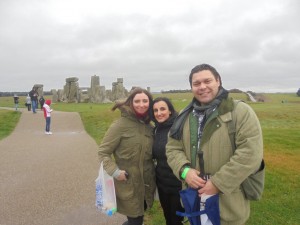
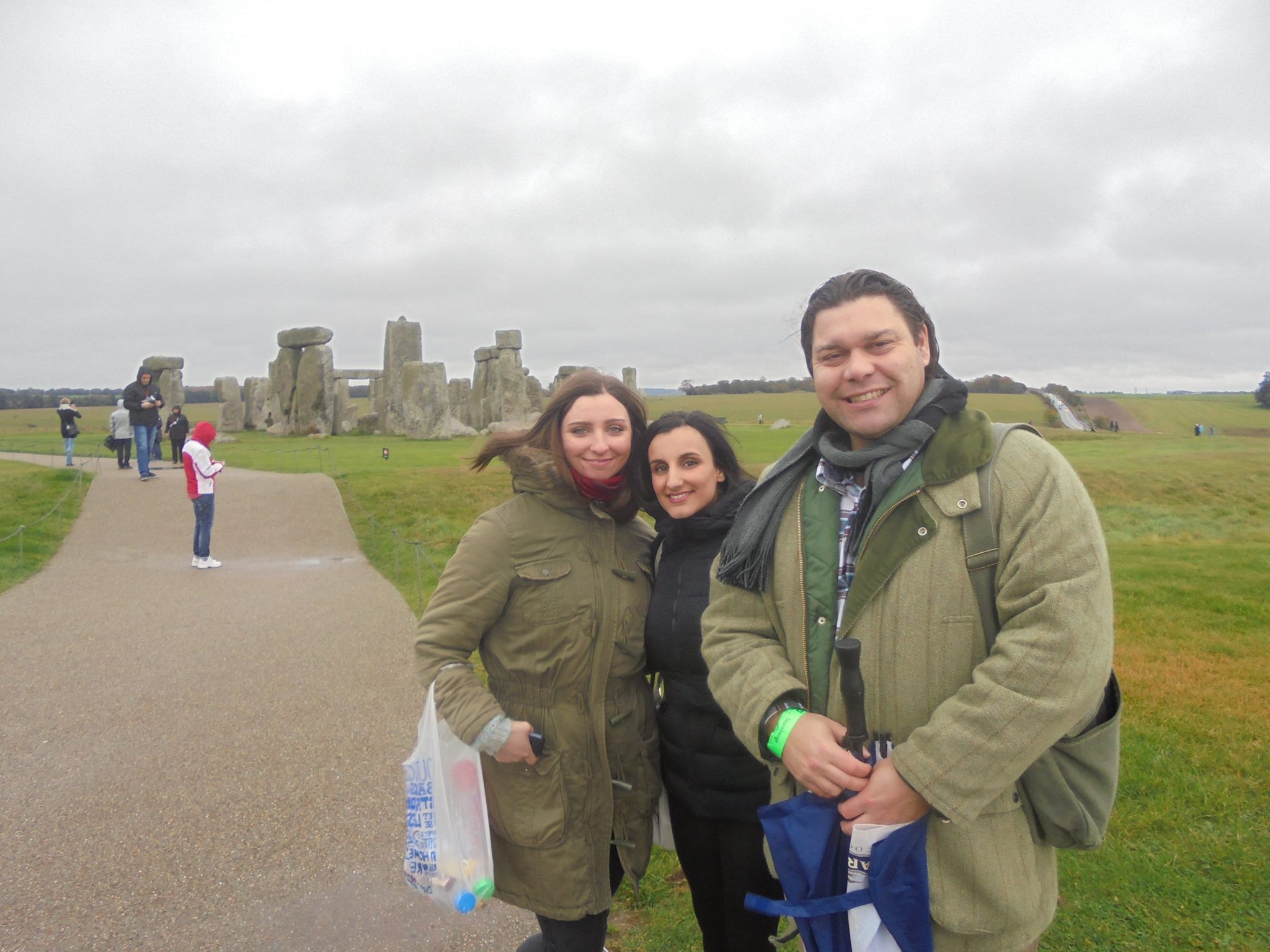
Recently FHSS Sociology+ and SciTech students undertaking the final year sociology unit ‘Seekers, Believers & Iconoclasts: Sociology of Thought’, joined up with BSc Archaeology students for a joint Faculty trip to Stonehenge, led by Professor Tim Darvill and Professor Sara Ashencaen Crabtree, Dr Eileen Wilkes and Professor Jonathan Parker. The field trip provided a very important exploration of the overlapping domains of belief, from the prehistoric to the contemporary world, exemplified by Stonehenge, one of the most visited ancient sites in the world.
The day started inauspiciously being dark with rain. After visiting the considerably improved new information site with its excellent exhibits, including an appealingly nostalgic one of historical tourism to Stonehenge, we visited the monument itself. Always impressive and endlessly enigmatic, windswept Stonehenge offers endless variation of vista, where the scale and positioning of the stones appear to change immensely from different viewpoints. From there we followed the processional route in reverse away from Stonehenge negotiating mud and sheep dung on our cheerful march. Tim, charisma totally undampened by the rain, led us on a mobile lecture tour around much of the great prehistoric landscape of Neolithic and Bronze Age monuments studded with a bewildering range of burial barrows, dented with ditched enclosures and crossed by great processional avenues.
It was a privilege to visit Stonehenge with our two BU archaeologists on hand to properly explain the relevance of the landscape that would otherwise have been trodden with little appreciation of the incredible importance of what lay underfoot and what it meant, where Stonehenge sits at the centre of a vast metropolis of monuments.
Later the sociology students reflected on what they had learned. Alex, taking BA Sociology & Anthropology, spoke of the epiphanic moment of drawing essential connections between the generic theoretical and specific social phenomena that lay around her. Georgia on BA Sociology & Social Policy (BASSP) thought about material culture, and how the ancient and modern participant engages in the drama of performance. As sociologists we learned from our archaeological colleagues that Neolithic Britons with great subtlety and vast ingenuity orchestrated this physical pilgrimage over the landscape, drawing ancient pilgrims from huge distances, through the construction of an approach where Stonehenge is dramatically obscured and revealed successively en route – thus channeling both physical approach, perception and therefore experience.
Stewart on BASSP wrote a lengthy analysis: ‘My time throughout BU has given me a much broader perspective on this academic discipline, all too often other social sciences are intertwined. However, when Tim conceptualised this idea of Scienti, the merging of ideas that contributes to a new way of understanding, I challenged my own perception and it’s given me an alternative way to examine things.
I did not hesitate to sign-up for this field trip… I mean it’s not every day one gets an opportunity to have a reconnaissance guide (Tim Darvill) take you around the landscape to expand our understanding of our pre-historic ancestors’ rich history and an opportunity to see it through Stone-age eyes! I have gained transferable skills and drawn comparison to even another unit! My understanding is clearer now on what Bourdieu is suggesting in terms of habitus: we become a structured structure. This even has links with labelling theory and the fluidity/structures flows in everyday practice. This is from observing these momentous structures encountered on the day and the assimilation of these ancient societies.’
To conclude, the success of this trip, where sociology meets archaeology in a synergistic appreciation of the multiplicities of meanings in belief systems, has inspired us as an academic group to explore more opportunities for cross-Faculty engagement, in terms of both research as well as teaching – and where the Stonehenge landscape is now clearly on our sociological map.




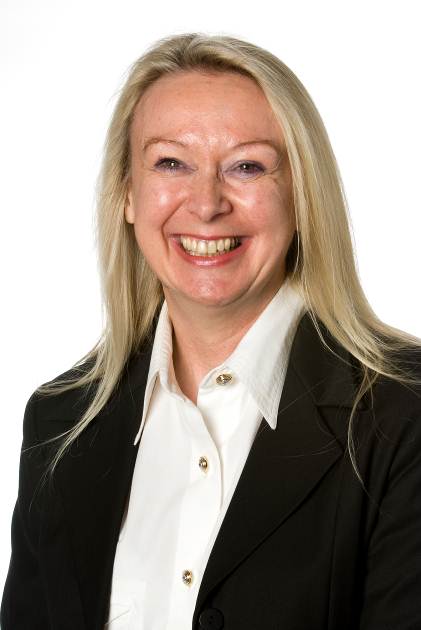

 To cope with the ‘wicked’ nature of problems within adult social care it is important that leaders are able to think beyond usual leadership and management approaches. ‘Wicked problems’ require ‘wicked solutions’, a break with the constraints of the past and an approach which embraces creativity. It requires individuals who can facilitate a collaborative approach to harness creativity across different stakeholders both internal and external to their organisation. It requires a style of leadership which is focused on participation rather than top down direction – that is inclusive, and supports engagement with collective ideas. Such leaders need to work with the resources within their own workforce by adopting ‘the moral resourcefulness’ to engage in challenging conversations (Hutchinson et al. 2015:3022). Only collective engagement within and across organisations can hope to address the ‘wicked problems’.



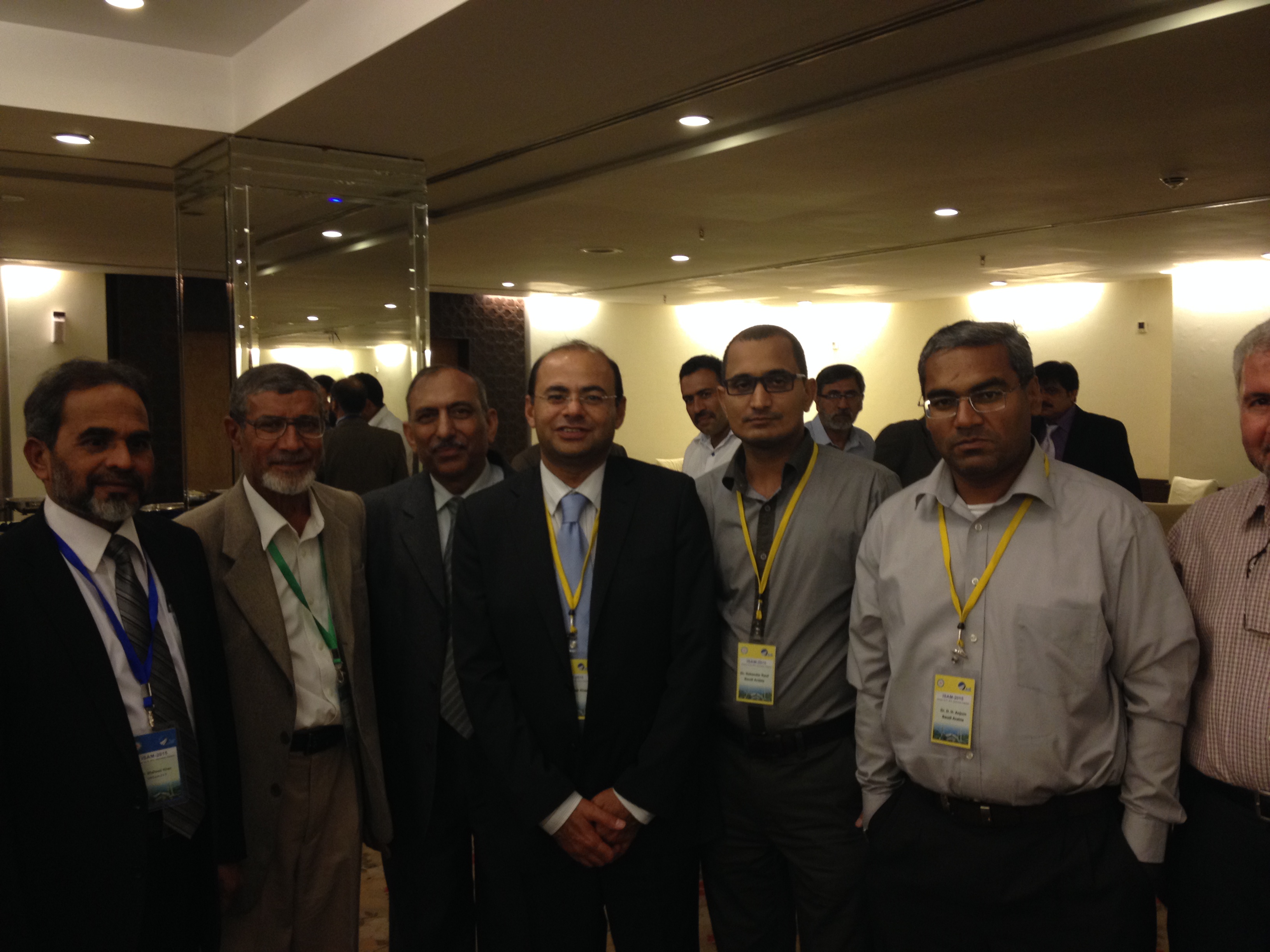
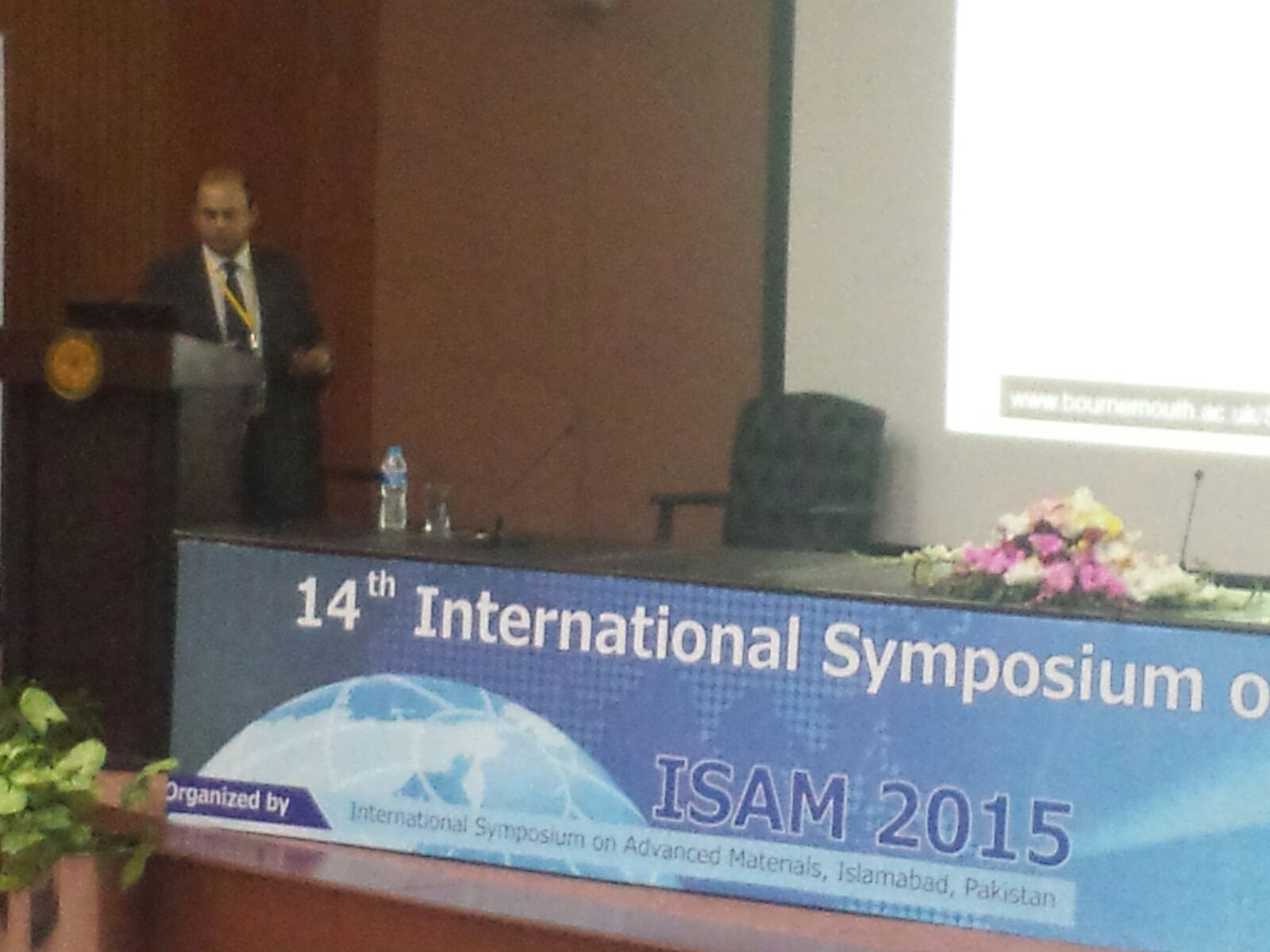
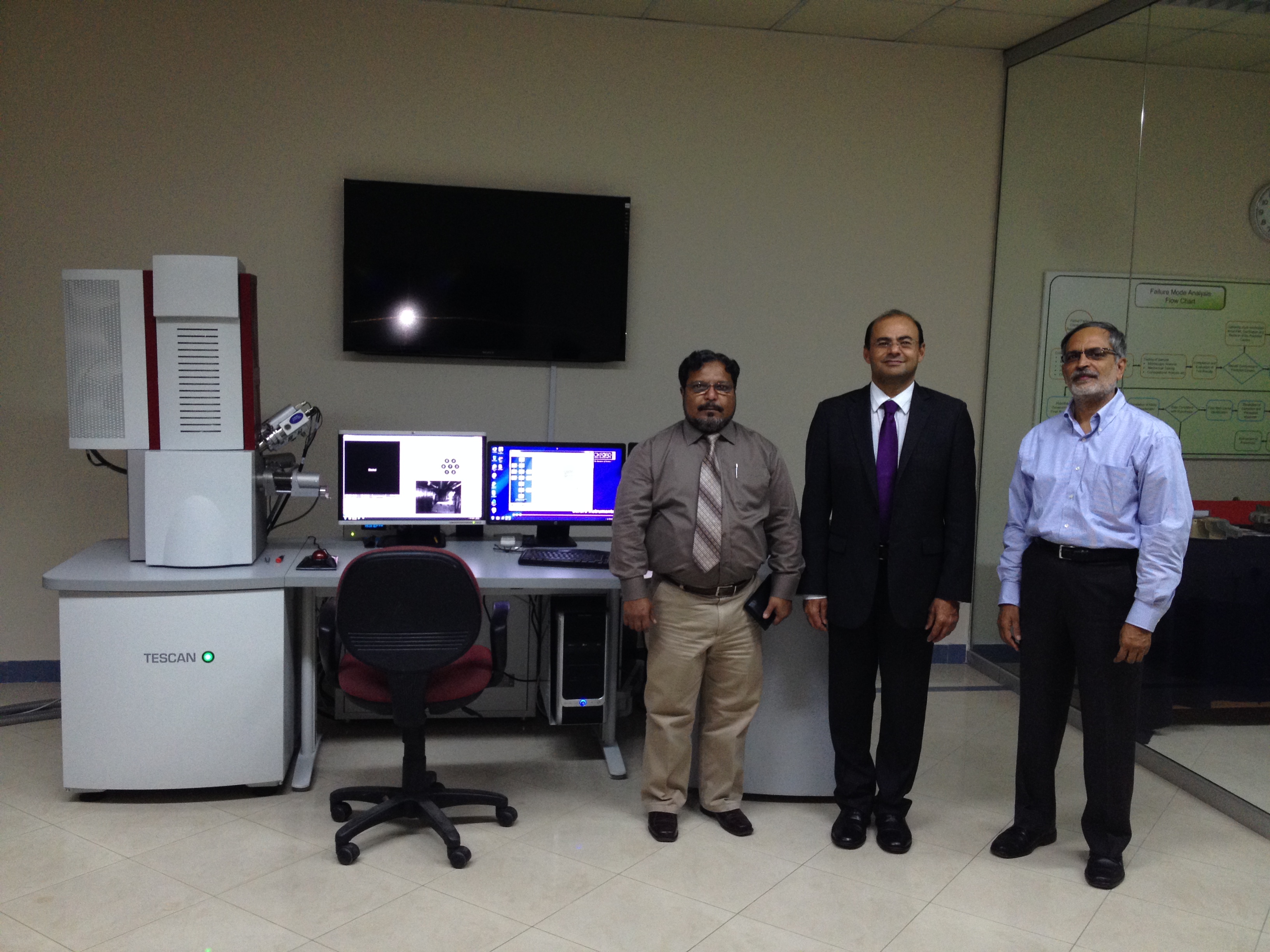
 speaker and guest speaking at key universities and research institutes.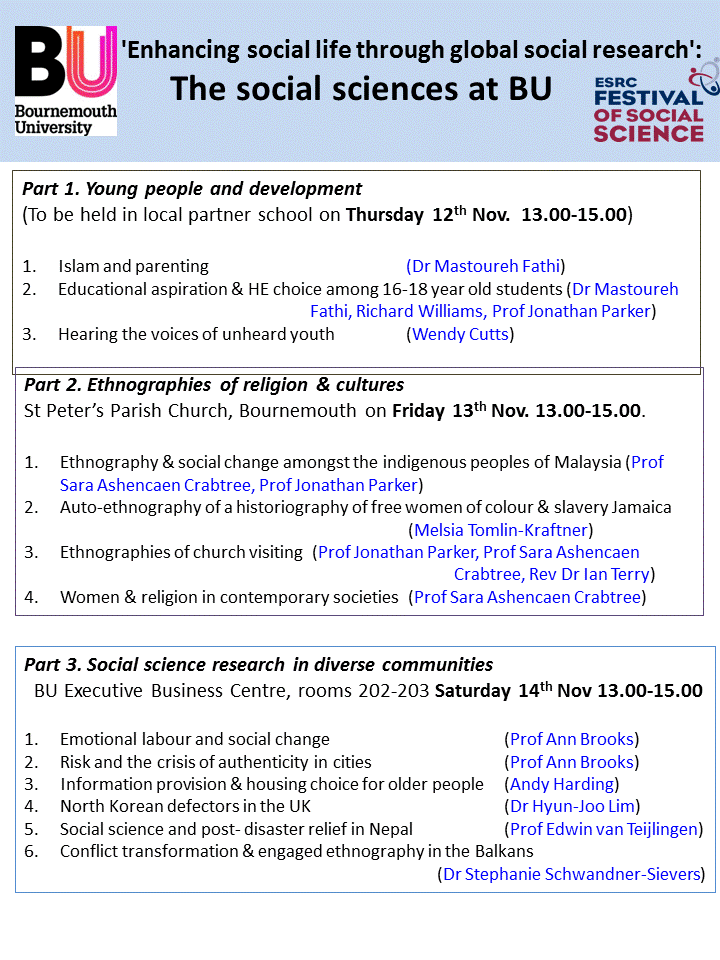







 ECR Opportunities: New Development Programme, Researcher Grants & Upcoming Events
 Help us capture BU’s knowledge exchange activity HE-BCI survey 2025–26
 Verbal autopsy paper published two days ago
 ESRC Studentships for 2027 Entry: Opportunity Now Open
 SONAMONI contributions to Safety Conference 2026 in South Africa
 Horizon Europe Cluster 3 (Civil Security for Society) 2026 Calls Now Open
 MSCA Doctoral Networks 2026 Call Information Webinar
 ESRC Festival of Social Science 2026: Application Deadline Extended to Thursday 25 June 2026
 Reminder: Register for the ESRC Festival of Social Science 2026 Information Session
 ECR Funding Open Call: Research Culture & Community Grant – Apply now
 ERC Advanced Grant 2025 Webinar
 Update on UKRO services
 European research project exploring use of ‘virtual twins’ to better manage metabolic associated fatty liver disease