Philip Alford (School of Tourism) and Mark Dover (Applied Sciences) put a consortium together and submitted an application to the EU FP7 program. The project title was Cloud Information Retrieval and Re-Use System and the bid was for nearly €4 million. The following summarises the project:
Tourism indirectly generates more than 10% of the European Union’s GDP and Tourism sector comprises SMEs employing less than 50 people Their respective diversity and fragmentation means that individual SMEs, and their often localised associations, lack the resources to generate and define sophisticated, sustainable marketing tools enabling the competitive campaigns required to maintain position and growth. The recent expansions in social networking and advances in Cloud Computing technologies and infrastructure now present an opportunity to develop sophisticated, dynamic, promotion and marketing tools for use by any SME, in any context – without any requirement for end-user knowledge of the configuration of the service delivery. CIRRUS is thus designed to develop such a universally functional framework, employing a suite of tools, supporting a simplistic dashboard interface, to enable sophisticated, dynamic, marketing input and provision of services at the individual, non expert, level across the many different sectors of the European tourism industry. CIRRUS will
1. Develop a novel, simplistic, non-expert dashboard interface to cloud content and usage enabling incorporation into web and marketing media.
2. Build a support framework behind the dashboard for tourism SMEs which embraces the new marketing paradigm of online customer-to-customer marketing and which is based on international best practice.
3. Conduct 4 Validation Case Studies from 3 European Countries, and different tourism perspectives (accommodation, attractions and events), illustrating enhanced business performance through CIRRUS use.
4. Build and adapt, through these case studies, the application and facilitate its deployment in the targeted countries.
5. Position the application for deployment, with input from both SMEs and SME-AGs, in member states beyond those immediately involved in the partnership.
We were unsuccessful with the application but got some useful feedback from the EU. In summary we needed to:
- More fully describe the limitations of the current state of the art technology in tourism
- Make the interdependencies of the work packages clearer
- More adequately demonstrate the partners’ expertise in key areas
- Improve the dissemination activities which are described but are not particularly targeted
- Provide more detail on the exploitation plans of the SME partners



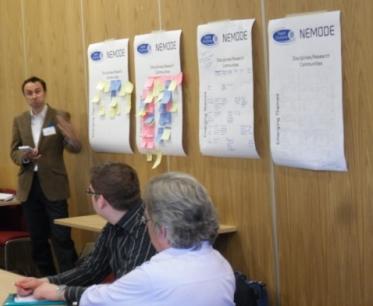 Academics from multi-disciplinary backgrounds recently attended a two day Digital Economy Network+ event at the University of Cambridge. The aim of the event was to continue the process of building a network of people interested researching New Economic Models for the Digital Economy.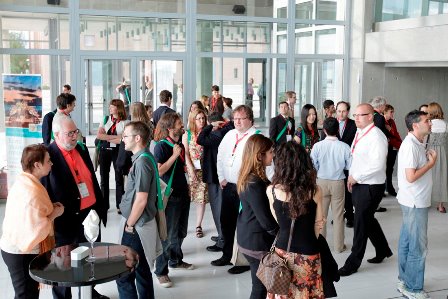

 Action on Hearing Loss,

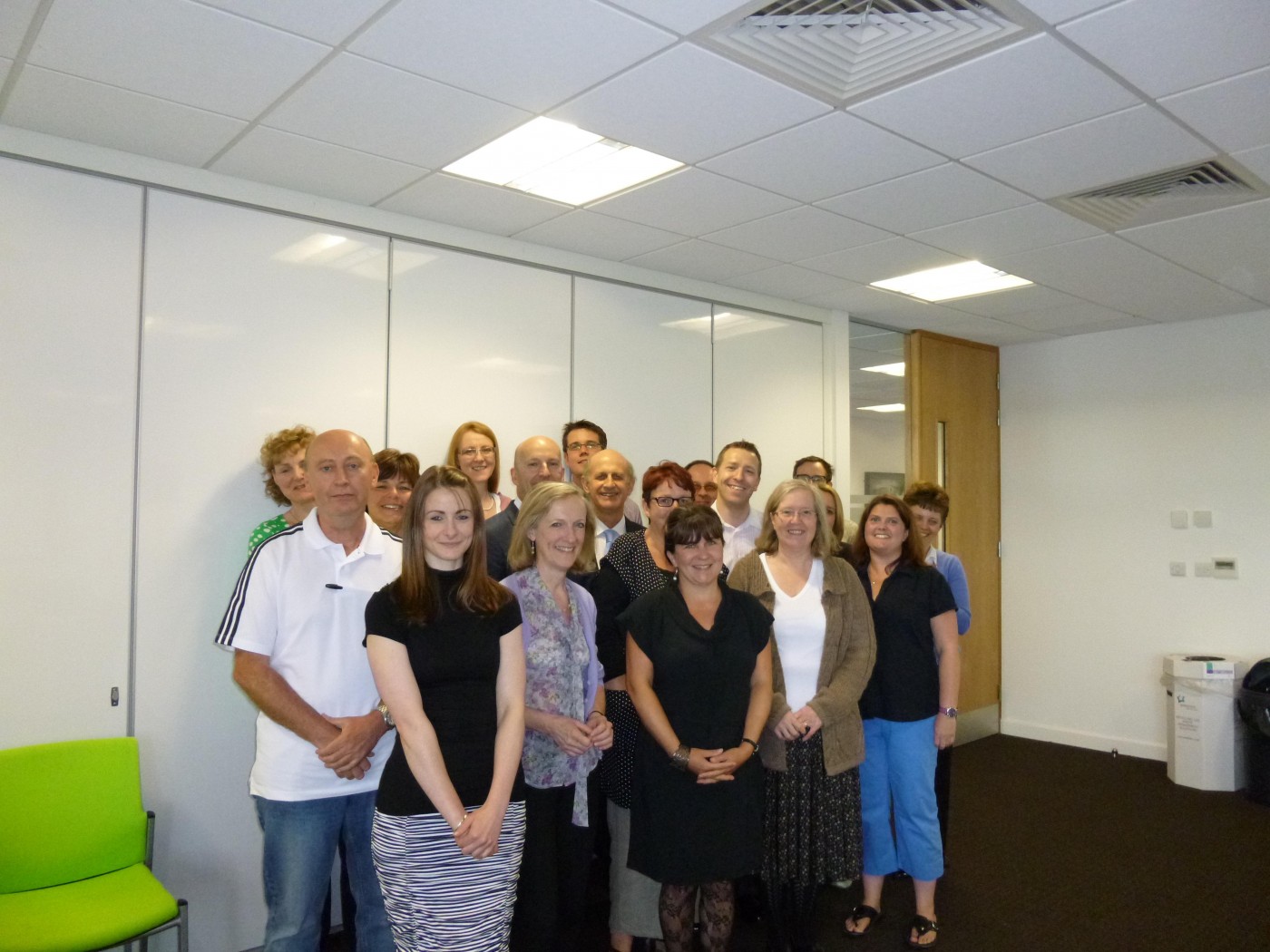 14 June saw the first BUDI University wide dementia meeting. Over 30 people attended from different BU Schools (Tourism, DEC and HSC). Apologies were received from 10 other BU staff members who were unable to attend the meeting but are keen to be involved in BUDI activities relating to dementia research, education and practice development.









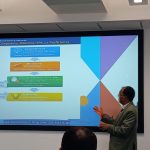 Prof Marahatta promoting BU-Nepal collaboration
 3C Online Social: Research Culture, Community & Can you Guess Who? Thursday 26 March 1-2pm
 Final Call: UKCGE Recognised Research Supervision Programme – Deadline Monday 16 March
 Interdisciplinary research: Not straightforward?
 ECR Funding Open Call: Research Culture & Community Grant – Apply now
 ECR Funding Open Call: Research Culture & Community Grant – Application Deadline Friday 12 December
 MSCA Postdoctoral Fellowships 2025 Call
 ERC Advanced Grant 2025 Webinar
 Update on UKRO services
 European research project exploring use of ‘virtual twins’ to better manage metabolic associated fatty liver disease