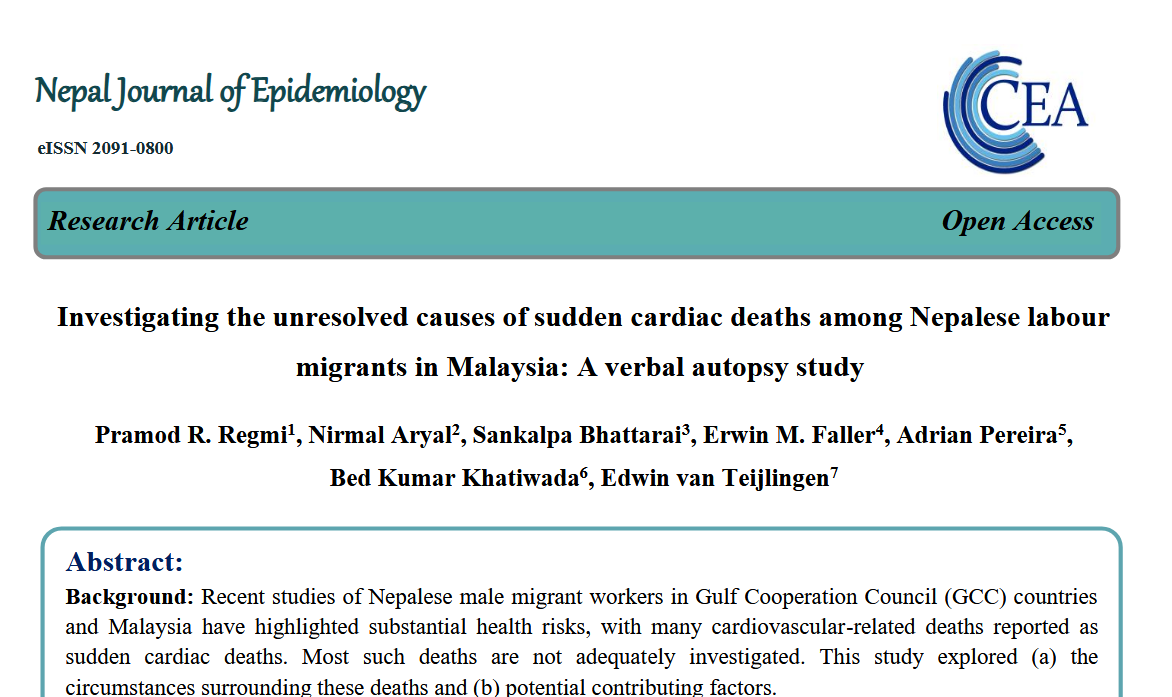
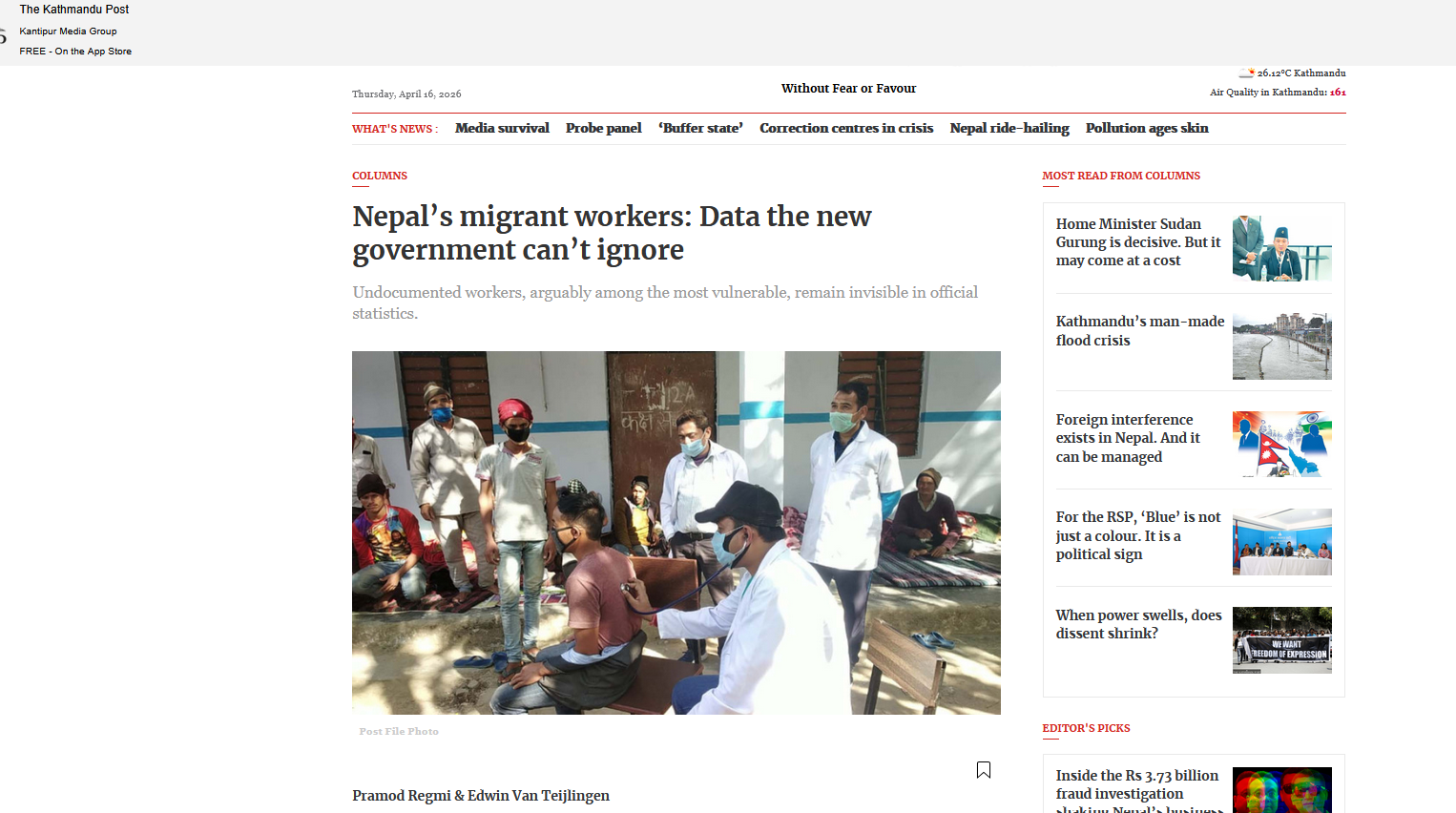
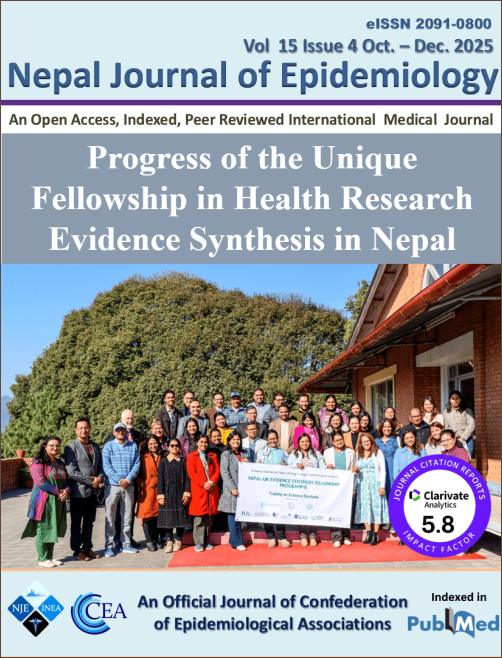
 Over the weekend the Nepal Journal of Epidemiology published our latest article on the health and well-being of migrant workers in Nepal, under the title Investigating the unresolved causes of sudden cardiac deaths among Nepalese labour migrants in Malaysia: A verbal autopsy study. The lead author, Dr. Pramod Regmi, is Principal Academic-International Health in BU’s Faculty of Health, Environment & Medical Science. His international co-authors are former BU academic Dr. Nirmal Aryal, Green Tara Nepal’s researcher Mr. Sankalpa Bhattarai, Prof. Erwin Faller who is Academic Director of Holy Child Central Colleges in the Philippines, Mr. Adrian Pereira and Mr. Bed Kuma Khatiwada from the North South Initiative (NSI) based in Malaysia, as well as BU’s Prof. Edwin van Teijlingen. HEMS academics have been collaborating for a long time with Green Tara Nepal and NSI, both are non-governmental organisations working for marginalised groups.
The paper explored (a) the circumstances surrounding unexplained deaths of Nepalese migrant workers in Malaysia and (b) potential contributing factors. Following public and patient involvement and engagement (PPIE) activities with key stakeholders and Nepalese migrant communities in Malaysia, we conducted a verbal autopsy study of 57 friends, roommates, and relatives of 40 Nepalese nationals who had died unexpectedly in Malaysia.
 Since the overwehelming majority of Nepalese labour migrants is male, it was not surprising that most of the deceased were men (92.5%, n=37), with a mean age of 34.5 years (SD 8.3) and a mean duration of employment in Malaysia of 5.9 years (SD 4.4). Only 40.0% (n=16) reportedly received a regular weekly rest day, while 80.0% (n=32) worked more than 8 hours per day. Among those who consumed alcohol (n=33), one-third (33.3%, n=11) drank daily. More than half of the deceased (55.0%, n=22) had at least one pre-existing health condition, most commonly hypertension (32.5%, n=13), followed by diabetes (7.5%, n=3). The authors conclude that circumstances surrounding sudden deaths among Nepalese migrant workers in Malaysia suggest a potential contribution from cardiovascular risk factors, lifestyle behaviours, and adverse working conditions. Reducing this burden will require targeted health-promotion interventions, improved prevention and management of cardiovascular risk factors, stronger occupational health protections, and measures to prevent the production and consumption of counterfeit alcohol.
The Nepal Journal of Epidemiology is an Open Access journal hence the paper will be freely available to anybody interested in the health and well-being of migrnat workers.
Reference
- Regmi, P.R., Aryal, N., Bhattarai, S., Faller, E.M., Pereira, A., Khatiwada, B.K., van Teijlingen, E. (2026). Investigating the unresolved causes of sudden cardiac deaths among Nepalese labour migrants in Malaysia: A verbal autopsy study. Nepal Journal of Epidemiology, 16(3), 1534-1547. https://doi.org/10.3126/nje.v16i3.99396 16(3), 1534-1547. https://doi.org/10.3126/nje.v16i3.99396






















 Verbal autopsy paper published two days ago
 ESRC Studentships for 2027 Entry: Opportunity Now Open
 SONAMONI contributions to Safety Conference 2026 in South Africa
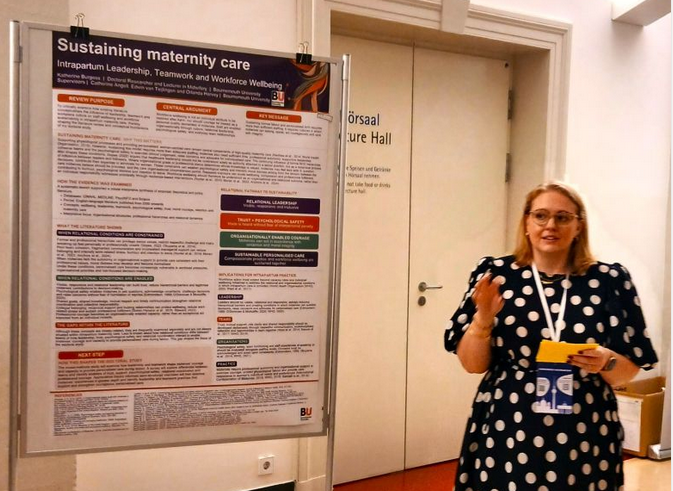
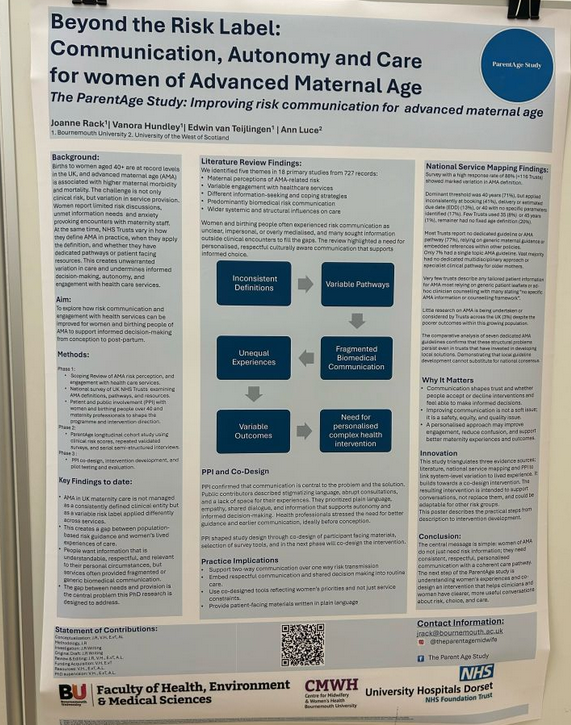
 Three CMWH presentations at Berlin conference
 Horizon Europe Cluster 3 (Civil Security for Society) 2026 Calls Now Open
 MSCA Doctoral Networks 2026 Call Information Webinar
 ESRC Festival of Social Science 2026: Application Deadline Extended to Thursday 25 June 2026
 Reminder: Register for the ESRC Festival of Social Science 2026 Information Session
 ECR Funding Open Call: Research Culture & Community Grant – Apply now
 ERC Advanced Grant 2025 Webinar
 Update on UKRO services
 European research project exploring use of ‘virtual twins’ to better manage metabolic associated fatty liver disease