 Yesterday BMJ Open published our latest article on the weight management in obese men, under the title A qualitative evidence synthesis on the management of male obesity.[1] To the best of our knowledge, this is the first synthesis of qualitative studies investigating men’s perceptions and experiences of weight management services. The interdisciplinary study was conducted between the three research centres at the University of Aberdeen, namely the Health Services Research Unit (HSRU), the Health Economics Research Unit (HERU) and the Rowett Institute of Health & Nutrition, the University of Stirling’s NMAHP Research Unit, the University of Edinburgh’s Scottish Collaboration for Public Health Research & Policy (SCPHRP) and Bournemouth University.
Studies published between 1990 and 2012 reporting qualitative research with obese men, or obese men in contrast to obese women and lifestyle or drug weight management were included. The studies included men aged 16 years or over, with no upper age limit, with a mean or median body mass index of 30 kg/m2 in all settings. In total 22 studies were identified.
Health concerns and the perception that certain programmes had ‘worked’ for other men were the key factors that motivated men to engage with weight management programmes. Barriers to engagement and adherence with programmes included: men not problematizing their weight until labelled ‘obese’; a lack of support for new food choices by friends and family, and reluctance to undertake extreme dieting. Retaining some autonomy over what is eaten; flexibility about treats and alcohol, and a focus on physical activity were attractive features of programmes. Group interventions, humour and social support facilitated attendance and adherence. Men were motivated to attend programmes in settings that were convenient, non-threatening and congruent with their masculine identities, but men were seldom involved in programme design.
The paper concluded that men’s perspectives and preferences within the wider context of family, work and pleasure should be sought when designing weight management services. Qualitative research is needed with men to inform all aspects of intervention design, including the setting, optimal recruitment processes and strategies to minimise attrition. This paper grew out of the larger ROMEO study which was published in our full HTA (Health Technology Assessment) report, which is also freely available on line, click here! [2]
Prof. Edwin van Teijlingen
CMMPH
Reference:
- Archibald, D., Douglas, F., Hoddinott, P., van Teijlingen, E., Stewart, F., Robertson, C., Boyers, D., Avenell, A. (2015) A qualitative evidence synthesis on the management of male obesity. BMJ Open 5: e008372. doi:10.1136/bmjopen-2015-008372 http://bmjopen.bmj.com/content/5/10/e008372.full.pdf+html
- Robertson, C., Archibald, D., Avenell, A., Douglas, F., Hoddinott, P., van Teijlingen, E., Boyers, D., Stewart, F., Boachie, C., Fioratou, E., Wilkins, D., Street, T., Carroll, P., Fowler, C. (2014) Systematic reviews of & integrated report on the quantitative, qualitative & economic evidence base for the management of obesity in men. Health Technology Assessment 18(35): 1-424. http://www.journalslibrary.nihr.ac.uk/__data/assets/pdf_file/0019/118180/FullReport-hta18350.pdf





 Thanks to Fusion Investment Funding, the developing Forensic Psychology group in SciTech will be working on an international project aimed at improving the UK’s management of child suspects of crime.
 Young offenders have been shown to have increasingly delayed neuro and socio-cognitive development in comparison to their non-offending peers, leading to deficits in inhibition, attention, time-perception, perspective-taking and interpersonal abilities (Al-Attar, 2010). These additional developmental delays mean that the established age-related difficulties experienced by children in interview are likely to be greatly exaggerated in suspects. Without additional precautions to account for these extended (but often well-hidden) difficulties, evidence from child suspect interviews can be inaccurate or misleading, resulting in the potential for serious miscarriages of justice. With a suspect’s testimony often being key to their own prosecution, its reliability as evidence is central to a fair trial – a basic human right.



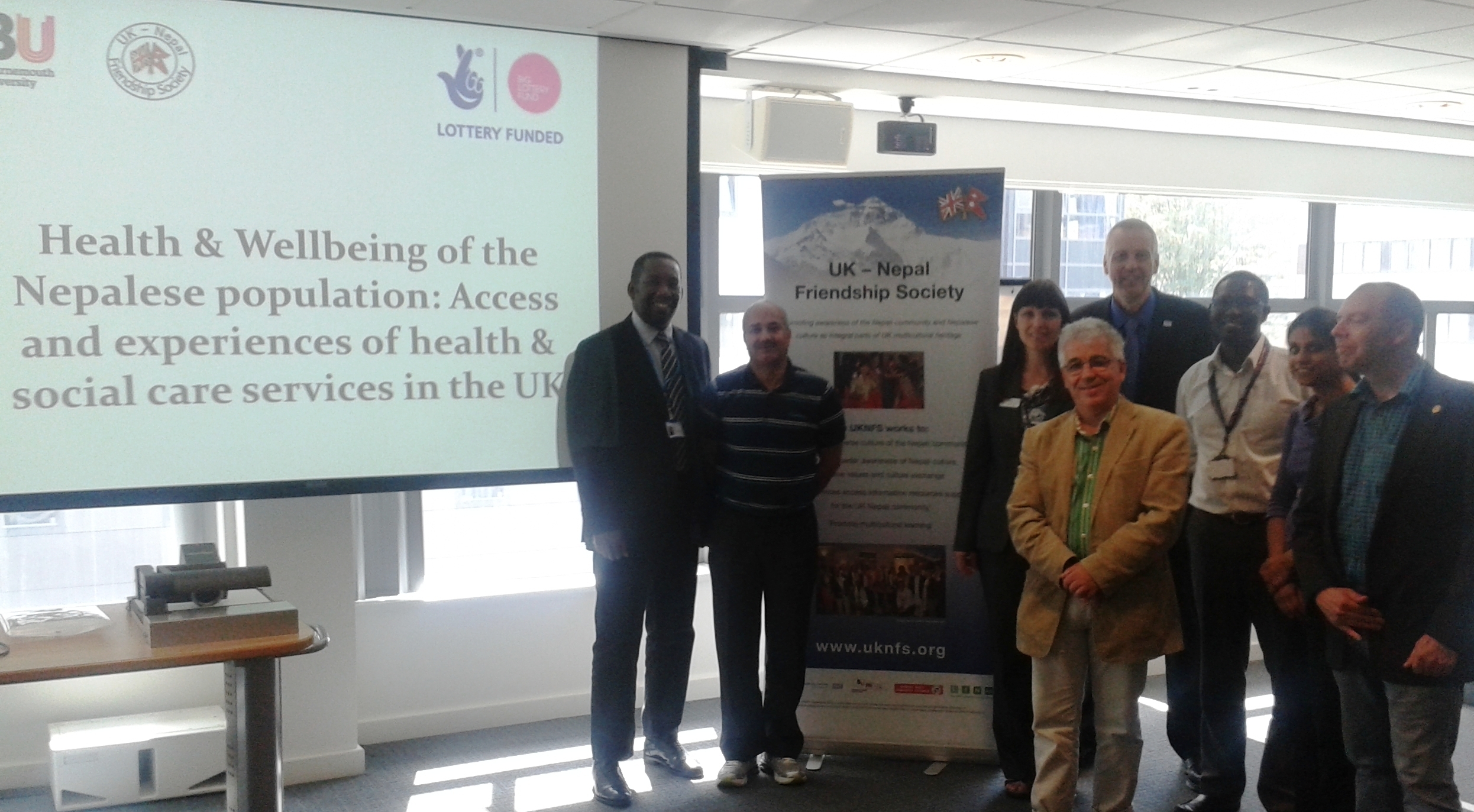
 uth Asian and broader Black & Minority Ethnic (BME) communities in the UK.








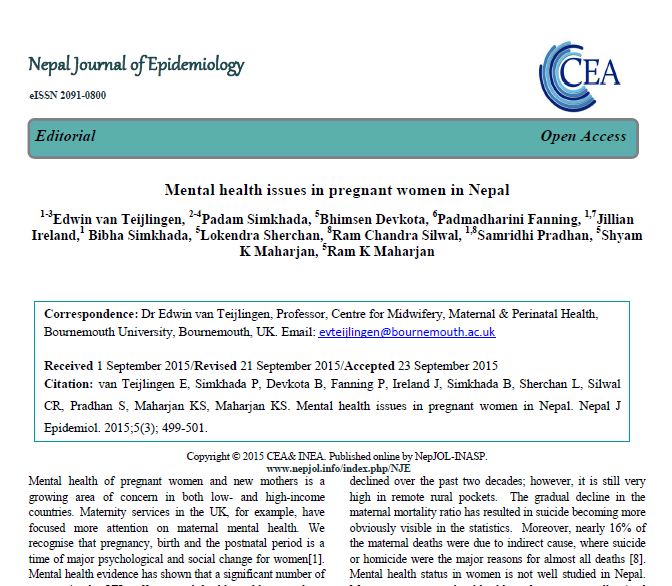
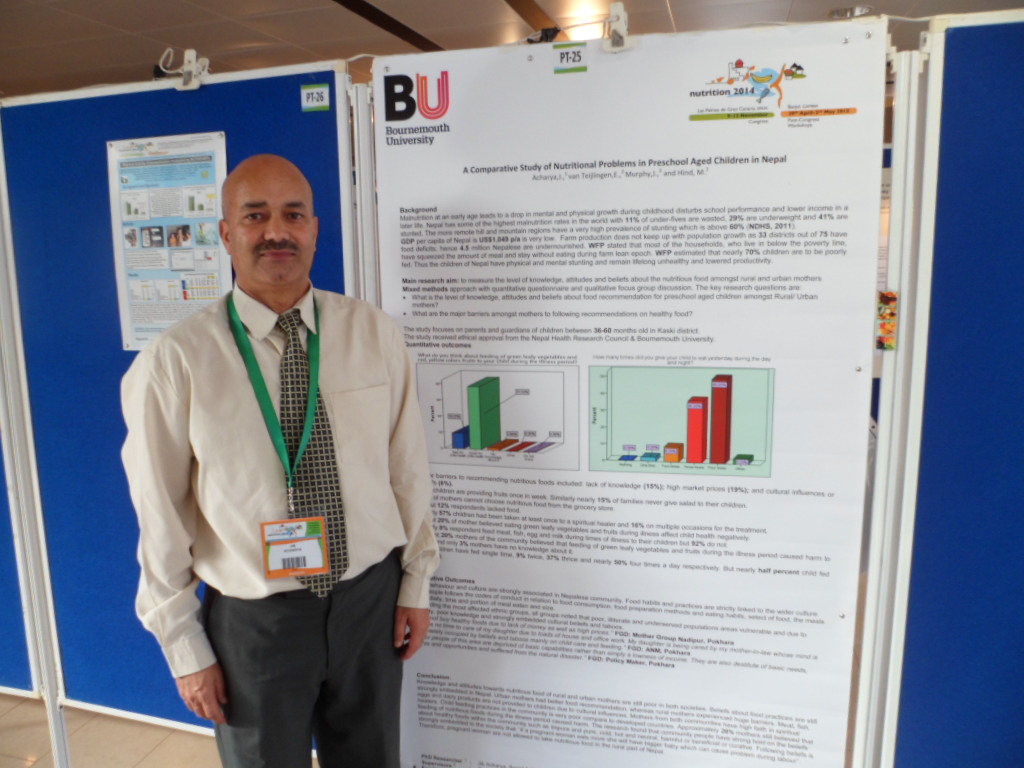
 New Nepal-based paper published last week
 Congratulation to HEMS colleagues on their new book!
 Book edited by BU academics published
 BU Prof. Hundley in The Conversation
 Horizon Europe Cluster 3 (Civil Security for Society) 2026 Calls Now Open
 MSCA Doctoral Networks 2026 Call Information Webinar
 ESRC Festival of Social Science 2026: Application Deadline Extended to Thursday 25 June 2026
 Reminder: Register for the ESRC Festival of Social Science 2026 Information Session
 ECR Funding Open Call: Research Culture & Community Grant – Apply now
 ERC Advanced Grant 2025 Webinar
 Update on UKRO services
 European research project exploring use of ‘virtual twins’ to better manage metabolic associated fatty liver disease