Category / Entrepreneurship & Economic Growth

Building Ventures from Bricks: Why LEGO® Serious Play® Belongs at the Heart of Entrepreneurship Education

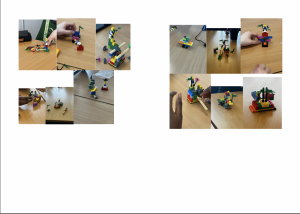
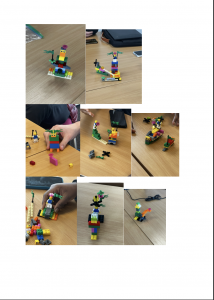
There is something quietly radical about placing a box of LEGO bricks in front of an entrepreneurship student and asking them to build what it feels like to start a business as a woman. It looks playful. It feels unfamiliar. And that is precisely the point.

Gendered barriers to enterprise, unequal access to networks and capital, and the legitimacy penalties faced by women founders are not peripheral concerns — they are central to how entrepreneurship actually works. Yet they are among the hardest things to surface in a conventional classroom. Lectures can name them; discussions can debate them. But neither easily reaches the experiential, affective layer where structural disadvantage is felt and processed. LEGO® Serious Play® (LSP) –  a structured, facilitated methodology in which participants construct physical models as a vehicle for thinking and sense-making – offers a compelling answer.

The theoretical roots of LSP lie in constructionism (Papert & Harel, 1991 cited in Imholz and Petrosino, 2012), extending Piaget’s Constructivism, the premise that humans learn most powerfully when actively making something shareable. In entrepreneurship, this matters enormously. The field is inherently uncertain, relational and situated (Neck & Greene, 2011), demanding that practitioners navigate ambiguity and construct meaning from incomplete information — precisely what traditional pedagogies rarely train students to do.

LSP addresses this through embodied cognition — the well-established view that cognitive processes are rooted in the body’s interactions with the world (Barsalou, 2008; Wilson, 2002). When students physically manipulate bricks, they activate neural pathways associated with memory, association and imagination, surfacing tacit knowledge that verbal reasoning cannot access. The cognitive and reflective processes generated map directly onto the experiential learning cycle entrepreneurship education has long sought to replicate (Kolb, 1984).

Nowhere is LSP’s capacity to make the invisible visible more valuable than when the subject is gender and structural disadvantage. When a student is asked to build what barriers look like — giving them height, weight and spatial relationship — something categorically different becomes possible. The model externalises and legitimises the experience: it makes the barrier an object in the room for collective examination, rather than a contested assertion subject to instant pushback.

The LSP rule that the meaning of a model belongs only to its creator — and that no one may impose their own interpretation (Gkogkidis & Dacre, 2021) — creates protective distance between the student and their experience, allowing difficult realities to be surfaced through metaphor before being verbalised. Reduced perceived risk is precisely what enables more diverse voices to emerge (Gauntlett, 2011). Benesova’s (2023) study at the University of Leeds evidences this: students from high power-distance cultures reported that building gave them expression, bypassing the social hierarchies of the seminar, with one noting it was “much easier to build it than say it.”

The Entrepreneurial Learning Case

Fox et al. (2018) identify active, reflective, situated, and crisis-based learning as the key dimensions that effective entrepreneurship pedagogy must address, finding that digital simulations perform poorly on the affective and reflective dimensions and almost entirely fail to simulate failure and uncertainty. LSP does not share these limitations. Ball et al.’s (2021) case study from Northumbria University saw students complete a LEGO task with pieces deliberately missing — simulating resource constraints and ambiguity — and subsequently identify 68 distinct entrepreneurial skills and competencies including risk-taking, creativity and leadership. Creativity here means recombining knowledge, recognising patterns and imagining alternatives (Fillis & Rentschler, 2010) — and material, exploratory engagement of the kind LSP provides is precisely what develops creative confidence and problem-solving capability (Rauth et al., 2010). Zenk et al. (2018) went further still, designing an entire innovation course around LSP — guiding students through ideation, prototyping, pivot questioning and pre-mortem analysis in ways conventional course design cannot match.

Where LSP makes its most distinctive contribution is in the quality of reflection it generates. Gkogkidis and Dacre (2023) frame the four-step core process — pose question, construct, share meaning, reflect — as a pedagogical architecture that operationalises constructivist learning values. For universities seeking to embed entrepreneurial thinking across their culture, active, reflexive pedagogies of this kind are central to the entrepreneurial university mission (Guerrero & Urbano, 2012). When students have physically constructed the systems that disadvantage them, the subsequent reflection is grounded in something concrete and shared, allowing a group to move from “do these barriers exist?” to “here they are — now what do we do?” That shift, from debate to design thinking, is precisely the mode entrepreneurship demands.

In conclusion, gender, network access and legitimacy inequality do not sit comfortably in a traditional seminar. They are too personal, too politically charged, too easily deflected. LSP creates conditions in which these conversations happen differently: externalising structural barriers, equalising participation and protecting less powerful voices. For entrepreneurship educators serious about structural inequality, the bricks are doing serious work.

References

Ball, S., Quan, R., & Clegg, S. (2025). A case study of experiential entrepreneurial learning through LEGO® play. 20(1), Proceedings of the 20th European Conference on Innovation and Entrepreneurship, Northumbria University.         https://doi.org/10.34190/ecie.20.1.3942        

Barsalou, L. W. (2008). Grounded cognition. Annual Review of Psychology59(1), 617–645. https://doi.org/10.1146/annurev.psych.59.103006.093639

Benesova, N. (2023). LEGO® Serious Play® in management education. Cogent Education10(2), 2262284. https://doi.org/10.1080/2331186X.2023.2262284

Fillis, I., & Rentschler, R. (2010). The role of creativity in entrepreneurship. Journal of Enterprising Culture18(1), 49–81. https://doi.org/10.1142/S0218495810000501

Fox, J., Pittaway, L., & Uzuegbunam, I. (2018). Simulations in entrepreneurship education: Serious games and learning through play. Entrepreneurship Education and Pedagogy1(1), 61–89. https://doi.org/10.1177/2515127417737285

Gkogkidis V., and Dacre N. (2023). The educator’s LSP journey: creating exploratory learning environments for responsible management education using Lego Serious Play. Emerald Open Research, 1(12) No Pagination Specified, doi: https://doi.org/10.1108/EOR-12-2023-0004

Guerrero, M., & Urbano, D. (2012). The development of an entrepreneurial university. The Journal of Technology Transfer37(1), 43–74. https://doi.org/10.1007/s10961-010-9171-x

Imholz, S. and Petrosino, A. (2012) Teacher Observations on the Implementation of the Tools of the Mind Curriculum in the Classroom: Analysis of Interviews Conducted over a One-Year Period. Creative Education, 3, 185-192. doi: 10.4236/ce.2012.32029.

Kolb, D. A. (1984). Experiential learning: Experience as the source of learning and development. Prentice-Hall.

Neck, H. M., & Greene, P. G. (2011). Entrepreneurship education: Known worlds and new frontiers. Journal of Small Business Management49(1), 55–70. https://doi.org/10.1111/j.1540-627X.2010.00314.x

Rauth, I., Köppen, E., Jobst, B., & Meinel, C. (2010). Design thinking: An educational model towards creative confidence. In T. Taura & Y. Nagai (Eds.), DS 66-2: Proceedings of the 1st International Conference on Design Creativity (ICDC 2010). The Design Society.

Wilson, M. (2002). Six views of embodied cognition. Psychonomic Bulletin & Review9(4), 625–636. https://doi.org/10.3758/BF03196322

Zenk, L., Hynek, N., Schreder, G., Zenk, A., Pausits, A., & Steiner, G. (2018). Designing innovation courses in higher education using LEGO® SERIOUS PLAY®. International Journal of Management and Applied Research5(4), 244–263. https://doi.org/10.18646/2056.54.18-019
 

Building Your Own Ecosystem: Why Entrepreneurial Self-Efficacy Might Matter More Than the Perfect Network

Entrepreneurship often begins with a deceptively simple act: reaching out to someone you do not know.

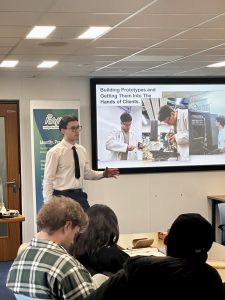
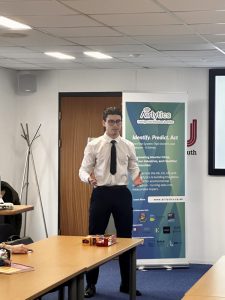
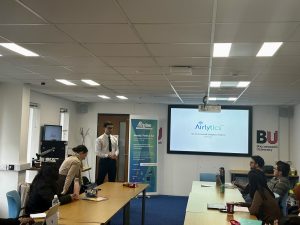
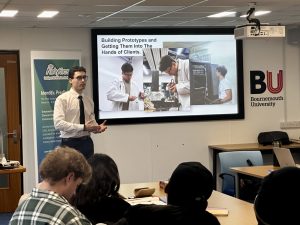
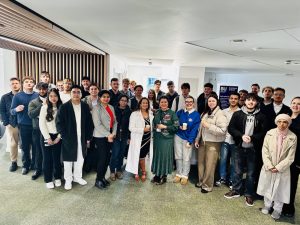
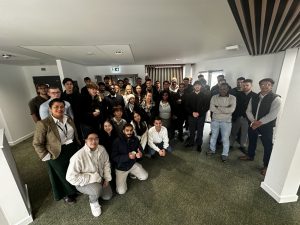
During the first week of our MBA Technology Entrepreneurship unit at Bournemouth University, a final year engineering student entrepreneur, Atanas Burmov, spoke to the class about building his venture from scratch. He arrived in Bournemouth at 18 to study software engineering. Within months he had established a mathematics and programming society to create peer support for students navigating the demands of their degree. Soon afterwards, he began contacting academics, technologists and organisations—sometimes completely cold—seeking advice and collaboration for a technology idea he was developing.

At that stage he had no venture capital, no established network, and no formal ecosystem behind him. What he had instead was something more fundamental: the belief that he could learn, build, and navigate uncertainty. He simply started reaching out to people. Those early emails and conversations eventually became the foundations of the collaborations that now support the growth of his venture. But at the beginning, it was not about partnerships or strategic alliances. It was about initiative.

His story is simply an illustration which shows a much larger phenomenon in entrepreneurship research: the role of entrepreneurial self-efficacy in enabling individuals to act under conditions of uncertainty and constraint ( McGee et al., 2009; Zhao et al., 2005).

The concept of self-efficacy originates in Albert Bandura’s social cognitive theory. Bandura defines self-efficacy as an individual’s belief in their capability to organise and execute the actions required to manage prospective situations (Bandura, 1977; Bandura, 1997). In other words, it is not simply about possessing knowledge or skills. It is about believing that those capabilities can be applied effectively in uncertain circumstances. Entrepreneurship is inherently uncertain. New ventures rarely begin with stable structures, predictable markets or guaranteed resources. In such environments, internal judgements of capability become critically important. A substantial body of research shows that entrepreneurial self-efficacy is strongly associated with entrepreneurial intention, persistence and opportunity pursuit (Chen et al., 1998; Zhao et al., 2005; McGee et al., 2009).

Individuals who believe they can navigate uncertainty are more likely to act despite incomplete information. They are more willing to experiment, to approach new contacts, to persist after rejection and to mobilise resources creatively when conventional pathways are unavailable. This becomes particularly relevant when entrepreneurs begin under conditions of constraint. Many founders start without financial capital, established networks or institutional legitimacy. Research on entrepreneurial bricolage shows how entrepreneurs often respond by recombining the resources already available to them in creative ways (Baker & Nelson, 2005). Similarly, the theory of effectuation highlights how entrepreneurs begin with the means they already possess—who they are, what they know and whom they know—and gradually build ventures through partnerships and experimentation (Sarasvathy, 2001).

Technical expertise can reinforce this process. Founders with deep domain knowledge, particularly in technology-based ventures, often possess greater confidence in their ability to solve problems. This confidence can strengthen entrepreneurial self-efficacy and increase the likelihood that individuals will attempt to translate ideas into ventures (Marvel et al., 2016). Yet confidence does not emerge in isolation. Bandura himself emphasised that self-efficacy develops through interaction with social environments. Mastery experiences, encouragement from others, observing peers succeed and working within supportive communities all contribute to the strengthening of self-efficacy beliefs (Bandura, 1997).

This is one reason why institutional environments such as universities can play such an important role in the entrepreneurial journey. Universities increasingly operate as entrepreneurial institutions, supporting venture creation alongside their traditional roles in research and teaching (Etzkowitz, 2003; Guerrero et al., 2016). For students, universities offer more than academic instruction. They provide access to laboratories, intellectual property expertise, mentoring networks, entrepreneurship societies, careers services and communities of peers who are also experimenting with ideas. These infrastructures matter because they help transform tentative initiative into sustained entrepreneurial action. When students know that expertise, resources and encouragement exist around them, their willingness to act increases.

The role of place also deserves attention. Entrepreneurship discourse often focuses heavily on global innovation hubs such as London or Silicon Valley, where capital and talent are highly concentrated. These ecosystems undoubtedly provide significant advantages. Yet they also involve intense competition and high barriers to visibility for early-stage founders.

Research on entrepreneurial ecosystems suggests that smaller regions can offer different but equally important advantages. In regional contexts, social networks are often more visible and accessible, and relationships between ecosystem actors may form more quickly (Stam, 2015; Spigel, 2017). Studies of regional entrepreneurial networks show that such environments frequently display dense relational ties and higher levels of trust, which can lower barriers for new entrepreneurs seeking advice, introductions or collaboration (Granovetter, 1985; Feldman & Zoller, 2012). In these ecosystems, universities frequently function as anchor institutions. They concentrate knowledge, talent, infrastructure and legitimacy within a particular place, often acting as catalysts for regional innovation and venture creation (Goddard & Kempton, 2016).

For student entrepreneurs, this combination of place-based networks and institutional support can be powerful. Access to mentors, academics, laboratories and peer communities can enable ideas to move more quickly from concept to experimentation.

Returning to the story that opened this article, the venture did not begin with a fully formed ecosystem. It began with initiative: sending emails, asking questions and seeking conversations. Over time those conversations developed into collaborations that now support the growth of the business.

What began as individual initiative gradually evolved into a network. Entrepreneurship research often focuses on funding, scaling and investment. Yet the earliest stages of venture creation frequently occur long before these elements appear. They occur in moments that are almost invisible: an email written, a conversation initiated, a question asked despite uncertainty.

Self-efficacy plays a critical role in these moments. It allows individuals to act before legitimacy, capital or networks are fully in place. But sustaining entrepreneurial action requires more than individual belief. It requires environments that recognise initiative and respond to it. Universities, mentors, regional ecosystems and institutional infrastructures all contribute to creating contexts where entrepreneurial action becomes possible.

Sometimes the most important entrepreneurial resource is not capital or connections. It is the quiet confidence to begin.

References

Baker, T., & Nelson, R. (2005). Creating something from nothing: Resource construction through entrepreneurial bricolage. Administrative Science Quarterly, 50(3), 329–366. https://doi.org/10.2189/asqu.2005.50.3.329

Bandura, A. (1977). Self-efficacy: Toward a unifying theory of behavioural change. Psychological Review, 84(2), 191–215. https://doi.org/10.1037/0033-295X.84.2.191

Bandura, A. (1997). Self-efficacy: The exercise of control. New York: W.H. Freeman.

Chen, C., Greene, P., & Crick, A. (1998). Does entrepreneurial self-efficacy distinguish entrepreneurs from managers? Journal of Business Venturing, 13(4), 295–316. https://doi.org/10.1016/S0883-9026(97)00029-3

Etzkowitz, H. (2003). Research groups as ‘quasi-firms’: The invention of the entrepreneurial university. Research Policy, 32(1), 109–121. https://doi.org/10.1016/S0048-7333(02)00009-4

Feldman, M., & Zoller, T. D. (2012). Dealmakers in Place: Social Capital Connections in Regional Entrepreneurial Economies. Regional Studies, 46(1), 23–37. https://doi.org/10.1080/00343404.2011.607808

Goddard, J., & Kempton, L. (2016). The civic university: Universities in leadership and management of place. Available from https://www.ncl.ac.uk/mediav8/centre-for-urban-and-regional-development-studies/files/the-Civic-University.pdf

Granovetter, M. (1985). Economic action and social structure: The problem of embeddedness. American Journal of Sociology, 91(3), 481–510. https://doi.org/10.1086/228311

Guerrero, M., Urbano, D., & Fayolle, A. (2016). Entrepreneurial activity and regional competitiveness: Evidence from European entrepreneurial universities. Journal of Technology Transfer, 41, 105–131. https://doi.org/10.1007/s10961-014-9377-4

Marvel, M., Davis, J., & Sproul, C. (2016). Human capital and entrepreneurship research: A critical review. Entrepreneurship Theory and Practice, 40(3), 599–626. https://doi.org/10.1111/etap.12136

McGee, J., Peterson, M., Mueller, S., & Sequeira, J. (2009). Entrepreneurial self-efficacy: Refining the measure. Entrepreneurship Theory and Practice, 33(4), 965–988. https://doi.org/10.1111/j.1540-6520.2009.00304.x

Sarasvathy, S. (2001). Causation and effectuation: Toward a theoretical shift from economic inevitability to entrepreneurial contingency. Academy of Management Review, 26(2), 243–263. https://doi.org/10.5465/amr.2001.4378020

Spigel, B. (2017). The relational organization of entrepreneurial ecosystems. Entrepreneurship Theory and Practice, 41(1), 49–72. https://doi.org/10.1111/etap.12167

Stam, E. (2015). Entrepreneurial ecosystems and regional policy: A sympathetic critique. European Planning Studies, 23(9), 1759–1769. https://doi.org/10.1080/09654313.2015.1061484

Zhao, H., Seibert, S., & Hills, G. (2005). The mediating role of self-efficacy in the development of entrepreneurial intentions. Journal of Applied Psychology, 90(6), 1265–1272. https://doi.org/10.1037/0021-9010.90.6.1265

BU academics in the news in Nepal

Yesterday (5th March) Dr. Pramod Regmi and Prof. Edwin van Teijlingen published a topical piece in an online newspaper in Nepal called ‘NepaliLink.  This newspaper article coincided with the national elections taking place in the country.  This is the first general election since Gen Z protests overturned the Government of Nepal in the autumn of 2025.  Migrant labour is key to Nepal’s economy as no country in the world relies so much on workers going abroad to work and sending money home.  The latter is called remittance and the total amount sent home comprises more than a quarter of the national income.

Dr. Regmi and Prof. van Teijlingen have conducted a great number of studies on the health and well-being of migrant workers from Nepal. This includes a paper ‘A comparison of chronic kidney risk among returnee Nepalese migrant workers in the countries of Gulf and Malaysia and non-migrants in Nepal: a population-based cross-sectional study’ whixh was recently accepted for publication in BMC Nephrology. With a grant from the COLT Foundation, our BU team led the first large-scale population-based interdisciplinary study examining kidney health among Nepalese migrants. Conducted in mid-2023 in one of Nepal’s highest out-migration districts, the forthcoming study compared risks between migrants and non-migrants from the same community [1].  Our study identified significantly higher rates of hypertension, diabetes, and obesity among male migrant workers compared to non-migrants. Interestingly, smoking and alcohol consumption were more common among non-migrant men. However, one in seven male migrants reported consuming potentially hazardous counterfeit or home-brewed alcohol while abroad. The findings suggest that both adverse working environments and lifestyle factors may contribute to increased heart disease among migrant workers.

Both Dr. Regmi and Prof. van Teijlingen are based in the Faculty of Health, Environment & Medical Sciences (HEMS) and in the last five years alone they have published over twenty publications about the health and well-being of migrant workers [2-21].


References

  1. Aryal, N., Regmi, P., Sedhain, A., Bhattarai, S., KC, R.K., Mishra, S.K., Caplin, B., Perce, N., van Teijlingen E. (2026) A comparison of chronic kidney risk among returnee Nepalese migrant workers in the countries of Gulf and Malaysia and non-migrants in Nepal: a population-based cross-sectional study, BMC Nephrology 1186/s12882-026-04872-7 (forthcoming)
  2. Paudyal, P., Wasti, S.P., Neupane, P., Sapkota, J.L., Watts, C., Kulasabanathan, K., Silwal, R., Memon, A., Shukla, P, Pathak, R.S., Michelson, D., Beery, C., Moult, A., Simkhada, P., van Teijlingen, E., Cassell, J. 10, (2025) Coproducing a culturally sensitive storytelling video intervention to improve psychosocial well-being: a multimethods participatory study with Nepalese migrant workers, BMJ Open 15:e086280.
  3. Regmi, P., Aryal, N., Bhattarai, S., Sedhain, A., KC, R.K., van Teijlingen, E. (2024) Exploring lifestyles, work environment and health care experience of Nepalese returnee labour migrants diagnosed with kidney-related problems. PLoS ONE 19(8): e0309203.
  4. Paudyal, A.R., Harvey, O., Teijlingen, E. van, Regmi, P. R., Sharma, C. (2024). Returning Home to Nepal after Modern Slavery: Opportunities for Health Promotion. Journal of Health Promotion12(1), 125–132. https://doi.org/10.3126/jhp.v12i1.72713
  5. Regmi, P.Aryal, N.van Teijlingen, E., KC, R.K., Gautam, M. and Maharjan, S. (2024). A Qualitative Insight into Pre-Departure Orientation Training for Aspiring Nepalese Migrant Workers. Tropical Medicine and Infectious Disease, 9 (7).
  6. Aryal, N.Regmi, P., Adhikari Dhakal, S., Sharma, S. and van Teijlingen, E. (2024). Moral panic, fear, stigma, and discrimination against returnee migrants and Muslim populations in Nepal: analyses of COVID-19 media content. Journal of Media Studies, 38 (2), 71-98.

  7. Simkhada, P.P., van Teijlingen, E., Gurung, M., Bhujel, S., Wasti, S.P. (2024) Workplace harassment faced by female Nepalese migrants working aboard, Global Health Journal 8(3): 128-32. https://doi.org/10.1016/j.glohj.2024.08.001
  8. Mahato, P., Bhusal, S., Regmi, P.,  van Teijlingen, E. (2024). Health and Wellbeing Among Nepali Migrants: A Scoping Review. Journal of Health Promotion12(1): 79–90. https://doi.org/10.3126/jhp.v12i1.72699
  9. Regmi, P.Aryal, N., Bhattarai, S., Sedhain, A., KC, R.K. and van Teijlingen, E. (2024) Exploring lifestyles, work environment and health care experience of Nepalese returnee labour migrants diagnosed with kidney-related problems, PLoS One 19(8): e0309203. https://doi.org/10.1371/journal.pone.0309203
  10. Khanal, S.P., van Teijlingen, E., Sharma, M., Acharya, J., Sharma, C., Kharel, S., Gaulee, U., Bhattarai, K., Pasa, R.B., Bohora, P. (2024) Risk Perception and Protective Health Measure Regarding COVID-19 among Nepali Labour Migrants’ Returnee from India. KMC Journal6(1): 313–330
  11. Chaudhary, M.N., Lim, V.C., Faller, E.M., Regmi, P.Aryal, N., Zain, S.N.M., Azman, A.S. and Sahimin, N. (2024). Assessing the basic knowledge and awareness of dengue fever prevention among migrant workers in Klang Valley, Malaysia. PLoS ONE, 19 (2).
  12. Chaudhary, M.N., Lim, V.C., Sahimin, N., Faller, E.M., Regmi, P.Aryal, N. and Azman, A.S. (2023). Assessing the knowledge of, attitudes towards, and practices in, food safety among migrant workers in Klang Valley, Malaysia. Travel Medicine and Infectious Disease, 54.
  13. Gyawali, K., Simkhada, P., van Teijlingen, E.R., Manandhar, S., Silwal, R.C. (2023). Sexual Harassment Among Nepali Non-Migrating Female Partners of International Labor Migrant Men. Journal of Health Promotion, 11(1): 22–31
  14. Adhikari, Y., Regmi, P., Devkota, B. and van Teijlingen, E. (2023). Forgotten health and social care needs of left-behind families of Nepali migrant workers. Journal of Health Promotion, 10, 1-4.
  15. Regmi, P., Dhakal Adhikari, S., Aryal, N., Wasti, S.P., van Teijlingen, E. (2022) Fear, Stigma and Othering: The Impact of COVID-19 Rumours on Returnee Migrants and Muslim Populations of Nepal, International Journal of Environmental Research & Public Health 19(15), 8986; https://doi.org/10.3390/ijerph19158986
  16. Regmi, P., Simkhada, P., Aryal, N., van Teijlingen, E. (2022) Excessive mortalities among migrant workers: the case of the 2022 FIFA World Cup. Europasian Journal of Medical Sciences, 4:31-32. https://doi.org/10.46405/ejms.v4i0.455
  17. Simkhada, P., van Teijlingen, E. and Regmi, P. (2022). Migrant Workers in Qatar: Not just an important topic during the FIFA World Cup 2022. Health Prospect: Journal of Public Health, 21 (3), 1-2.
  18. Aryal, N., Sedhain, A., Regmi, P.R., KC, R. K., van Teijlingen, E. (2021). Risk of kidney health among returnee Nepali migrant workers: A survey of nephrologists. Asian Journal of Medical Sciences, 12(12), 126–132. https://doi.org/10.3126/ajms.v12i12.39027
  19. Aryal, N., Regmi, P.R., Sedhain, A., KC, R.K., Martinez Faller, E., Rijal, A., van Teijlingen, E. (2021) Kidney health risk of migrant workers: An issue we can no longer overlook. Health Prospect 20(1):15-7
  20. Simkhada, B., Sah, R.K., Mercel-Sanca, A., van Teijlingen, E., Bhurtyal, Y.M. and Regmi, P. (2021). Perceptions and Experiences of Health and Social Care Utilisation of the UK-Nepali Population. Journal of Immigrant and Minority Health, 23 (2), 298-307.

Starting with Uncertainty: Teaching Technology Entrepreneurship Through Civic Immersion

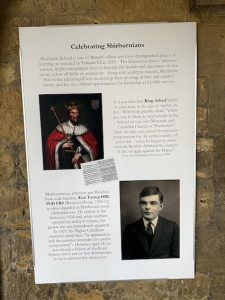
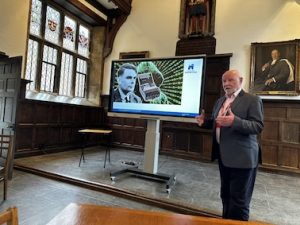
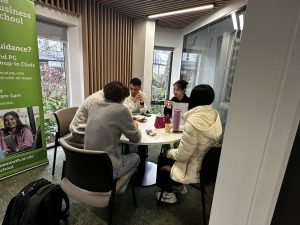
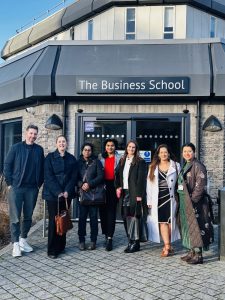
MBA students on Bournemouth University’s Level 7 unit Entrepreneurship: Technology-Driven Ventures & User-Centred Business Solutions began their learning journey not in a lecture theatre, but in Sherborne, Dorset at the stunning Sherborne Boys School.

Hosted by the steering committee behind the emerging Turing Centre initiative,  our students were immersed in a live civic project inspired by the legacy of Alan Turing. The Turing Centre vision is explicitly future-facing: to inspire young people in digital technology, create an innovation hub and enterprise zone, support pathways into employment and skills, and function as a social, cultural, and economic asset for Sherborne and beyond . Rather than analysing this as a completed case , students encountered an evolving initiative shaped by institutional constraints, funding realities, stakeholder ambitions, and technological uncertainty. After exploring Sherborne’s historical and civic context, they worked in teams on four strategic challenges: translating vision into a viable business model, developing fundraising logic, shaping promotion and positioning, and evaluating financial, economic, and social sustainability. Their proposals were presented directly to members of the steering group.

This was not accidental. It reflects a deliberate pedagogical choice.

Entrepreneurship education has, for some time now, been trying to move beyond the “inspiration” model,  the idea that if students feel energised enough, something entrepreneurial will magically happen. Contemporary scholarship instead emphasises competence, judgement and disciplined practice (Neck & Corbett, 2018). Hägg and Gabrielsson’s (2020) systematic review traces this shift clearly: from knowledge transmission to experiential and practice-based designs. But they also sound a note of caution. Experience alone is not enough. Without theoretical integration, it risks becoming energetic but shallow.

Kolb’s (1984) experiential learning cycle — experience, reflection, conceptualisation, experimentation — is frequently invoked in business education. Yet critics have long warned that “learning by doing” can quietly become “doing without thinking” (Kayes, 2002). Morris (2020) similarly argues that Kolb’s framework is often applied in a simplified manner, neglecting the epistemic depth required for higher-order learning. In other words, activity is not the same as analysis.

The Sherborne engagement was therefore designed not as a field trip in the traditional sense, nor as consultancy theatre, but as structured immersion before interrogation. Students encountered ambiguity first; stakeholder tensions, funding constraints, institutional realities, technological ambition, and only afterwards will they begin systematically analysing what they have seen. Over the two weeks beginning 2 March, that initial immersion will be subjected to scrutiny. Entrepreneurship theory, user-centred design frameworks, and sustainability debates will not sit alongside the experience; they will probe it. Assumptions made in Sherborne will be tested. Enthusiasm will be examined. Gaps in evidence will be exposed.

Assessment design is crucial in holding this intellectual line. Research on authentic assessment demonstrates that tasks resembling professional practice enhance capability only when academic standards remain explicit and evaluative judgement is foregrounded (Villarroel et al., 2018). In this unit, students are required not merely to propose a technology-enabled, user-centred venture, but to justify its feasibility, scalability, ethical implications, and community impact through scholarly argument.

This matters particularly in technology entrepreneurship, where uncertainty, adoption dynamics and unintended consequences are structural features rather than unfortunate accidents. Pittaway and Cope (2007) argue that effective entrepreneurship education must expose learners to uncertainty while supporting reflective sensemaking. The Sherborne visit functions precisely as such a productive disorientation.

For this MBA cohort, Sherborne now becomes an anchor point. They are not beginning with abstract frameworks detached from context. They are beginning with lived complexity. The task ahead is not to apply tools mechanically, but to develop disciplined judgement by integrating technology, commercial logic and community value with intellectual rigour rather than optimism alone.

Experiential learning, when critically structured and theoretically grounded, does not dilute academic depth. It sharpens it.


References:

Hägg, G., & Gabrielsson, J. (2020). A systematic literature review of the evolution of pedagogy in entrepreneurial education research. International Journal of Entrepreneurial Behavior & Research, 26(5), 829–861. https://doi.org/10.1108/IJEBR-04-2018-0272

Hägg, G., & Kurczewska, A. (2016). Connecting the dots: A discussion on key concepts in contemporary entrepreneurship education. Education + Training, 58(7/8), 700–714. https://doi.org/10.1108/ET-12-2015-0115

Kayes, D. C. (2002). Experiential learning and its critics: Preserving the role of experience in management learning and education. Academy of Management Learning & Education, 1(2), 137–149. https://doi.org/10.5465/amle.2002.8509336

Kolb, D. A. (1984). Experiential learning: Experience as the source of learning and development. Prentice Hall.

Morris, T. H. (2020). Experiential learning – A systematic review and revision of Kolb’s model. Interactive Learning Environments, 28(8), 1064–1077. https://doi.org/10.1080/10494820.2019.1570279

Neck, H. M., & Corbett, A. C. (2018). The scholarship of teaching and learning entrepreneurship. Entrepreneurship Education and Pedagogy, 1(1), 8–41. https://doi.org/10.1177/2515127417737286

Pittaway, L., & Cope, J. (2007). Entrepreneurship education: A systematic review of the evidence. International Small Business Journal, 25(5), 479–510. https://doi.org/10.1177/0266242607080656

Villarroel, V., Bloxham, S., Bruna, D., Bruna, C., & Herrera-Seda, C. (2018). Authentic assessment: Creating a blueprint for course design. Assessment & Evaluation in Higher Education, 43(5), 840–854. https://doi.org/10.1080/02602938.2017.1412396

Academics write for newspaper in Nepal

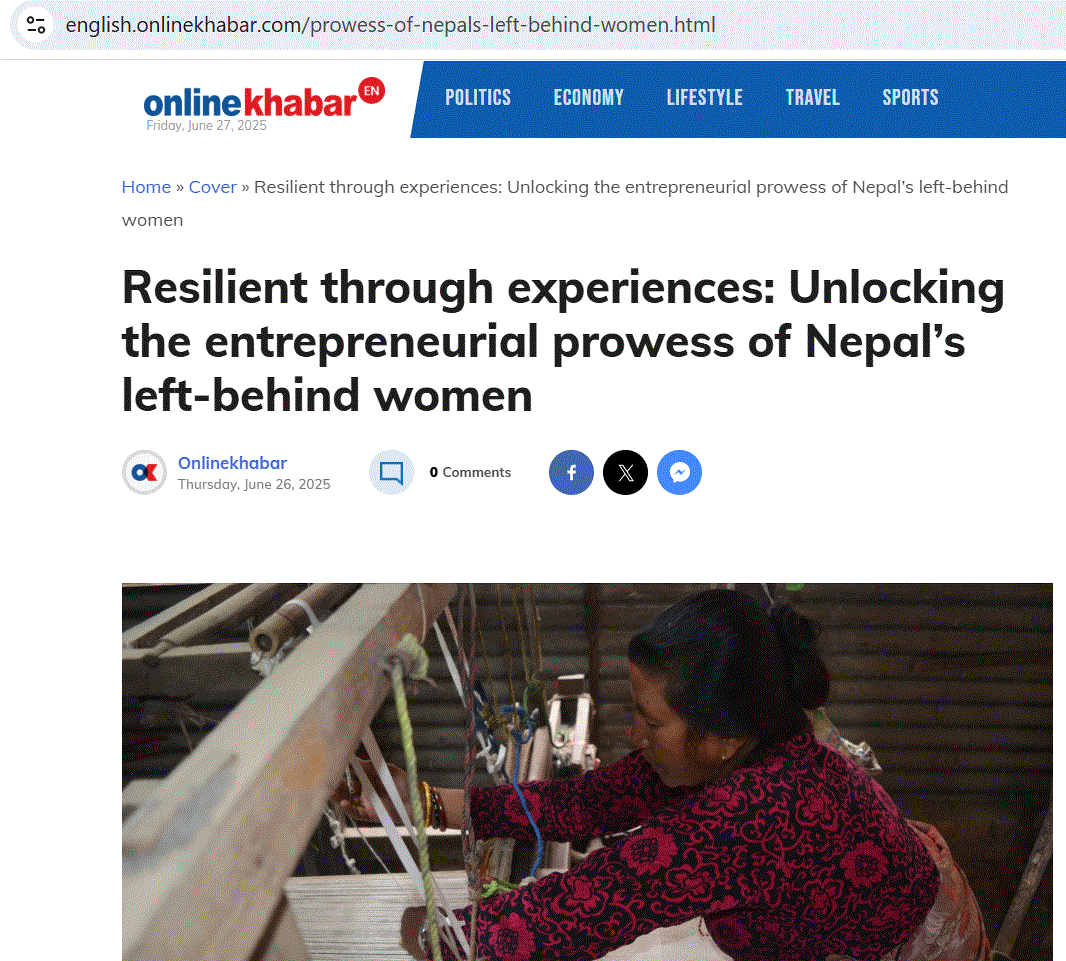
Yesterday the online newspaper Online Khabar in Nepal published an opinion piece in English written by three Bournemouth University academics working with a colleague in Kathmandu.  This interdisciplinary piece ‘Resilient through experiences: Unlocking the entrepreneurial prowess of Nepal’s left-behind women‘ brings together ideas gained from many different studies and disciplines.  The three authors from Bournemouth University are: Dr. Sukanya Ayatakshi-Endow, Prof. Edwin van Teijlingen, and Dr. Pramod Regmi, and they collaborated with Dr. Rashmee Rajkarnikar who is based at Nepal’s oldest and largest university, Tribhuvan University.  The four authors brings insights from economics, business studies, sociology, women’s studies, migration studies and health.

World Drowning Prevention Day at BU

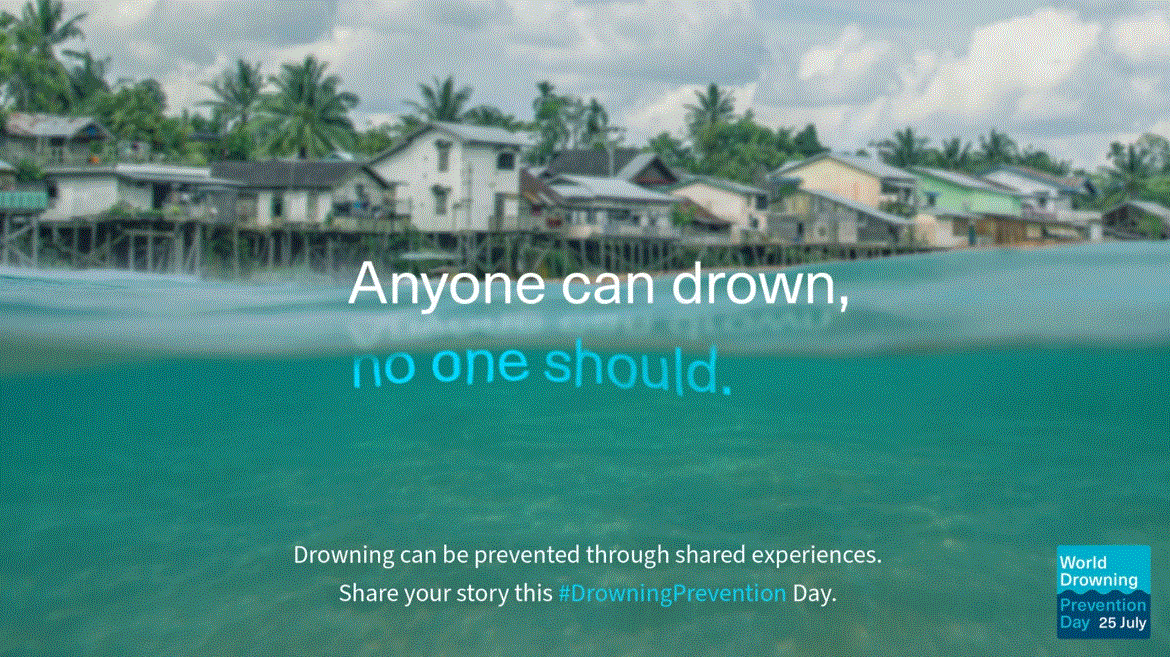
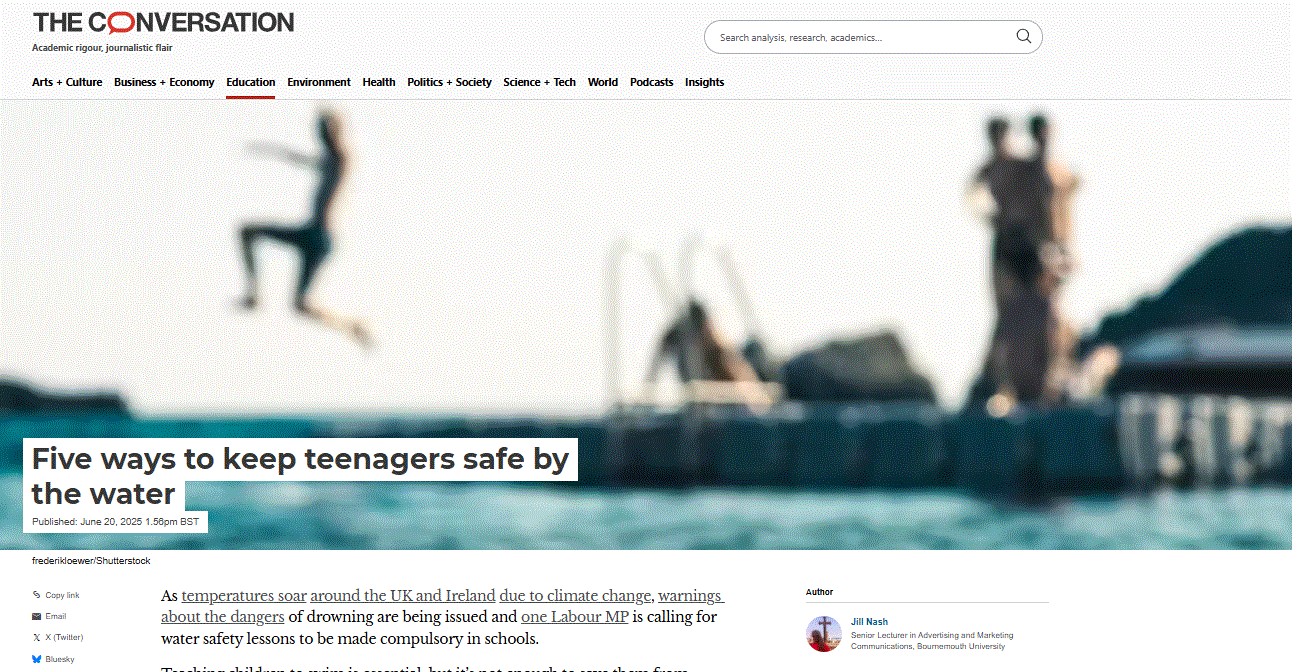
Next month on July 25th  Bournemouth University will join in with the world-wide celebrations of World Drowning Prevention Day 2025.  The first achievement to highlight is Dr. Jill Nash interesting piece recently published in The Conversation, in which she highlights Five ways to keep teenagers safe by the water [1]. It is also worthwhile to read last year’s contribution to World Drowning Prevention Day by Jill on the dangers of being near water and the role emotions play in making safer decisions [2].

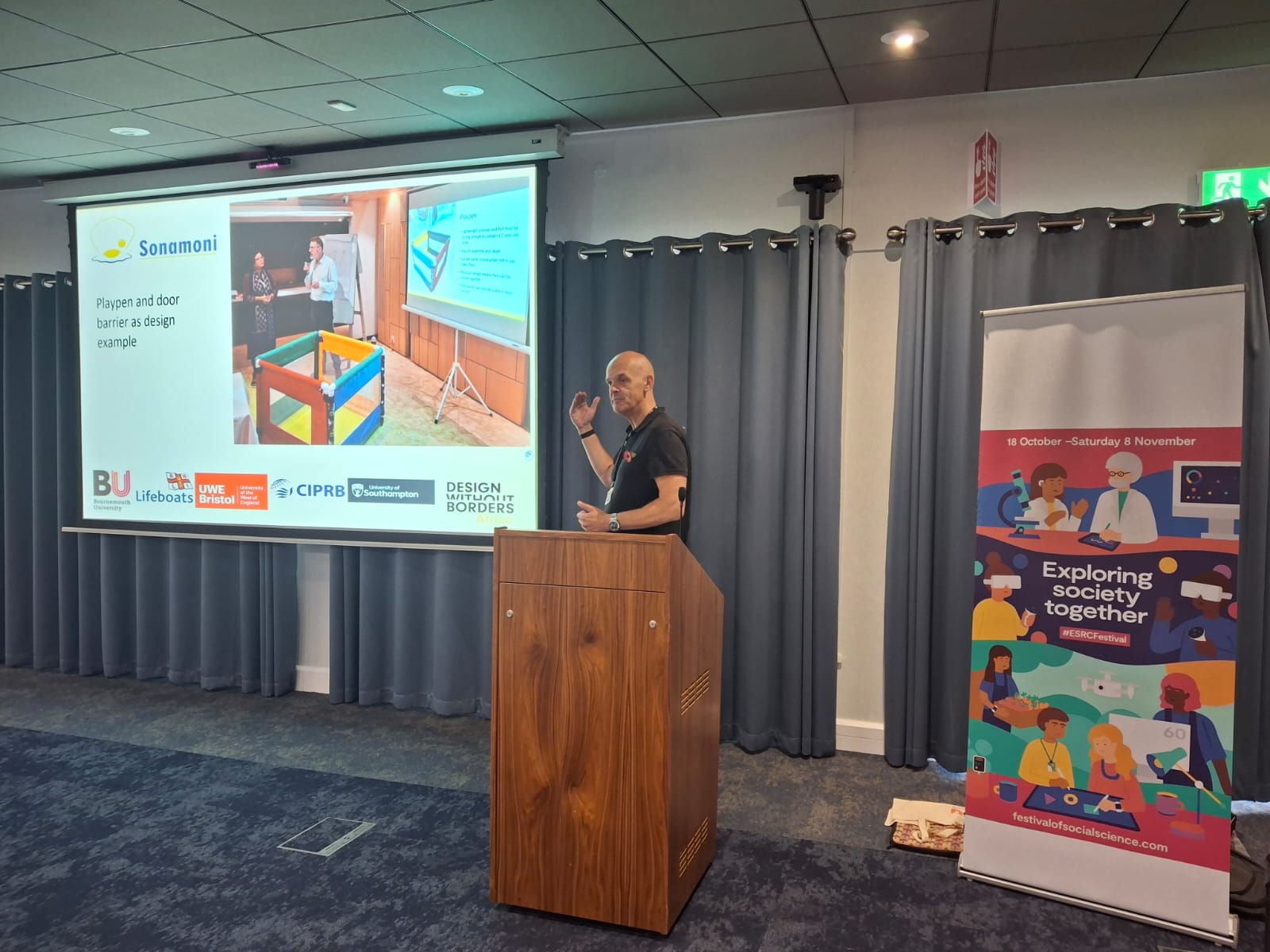
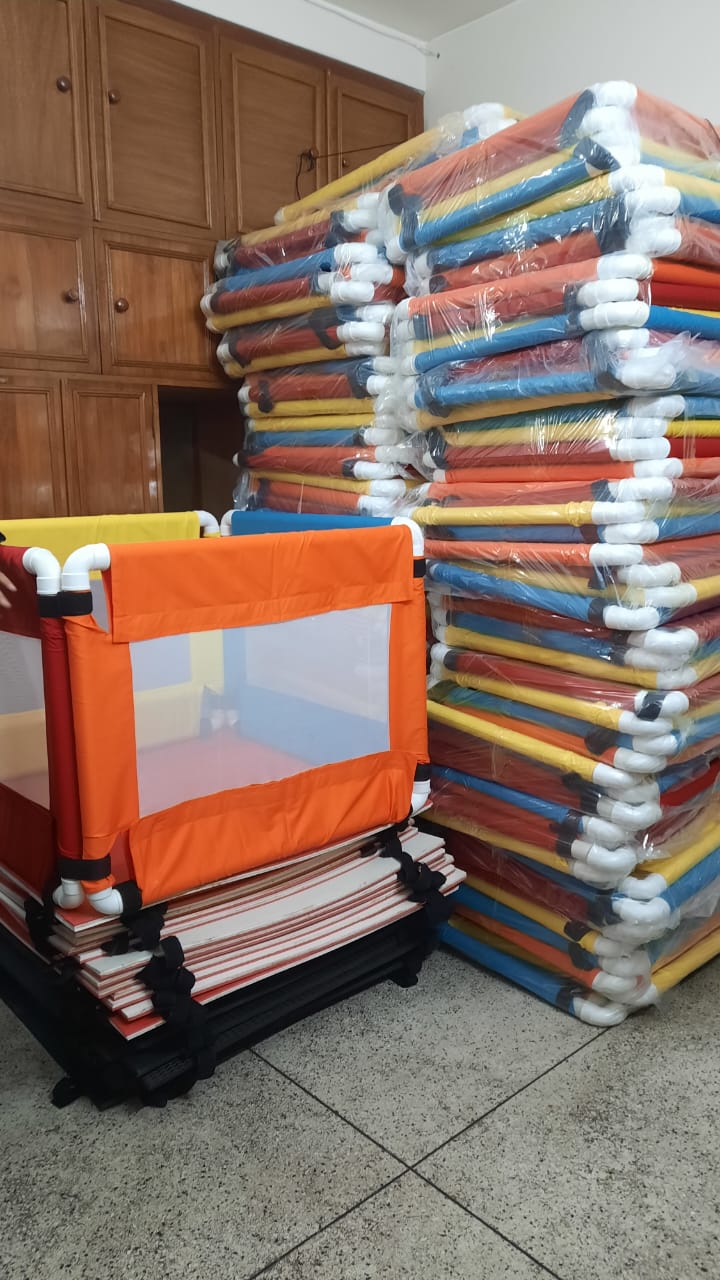
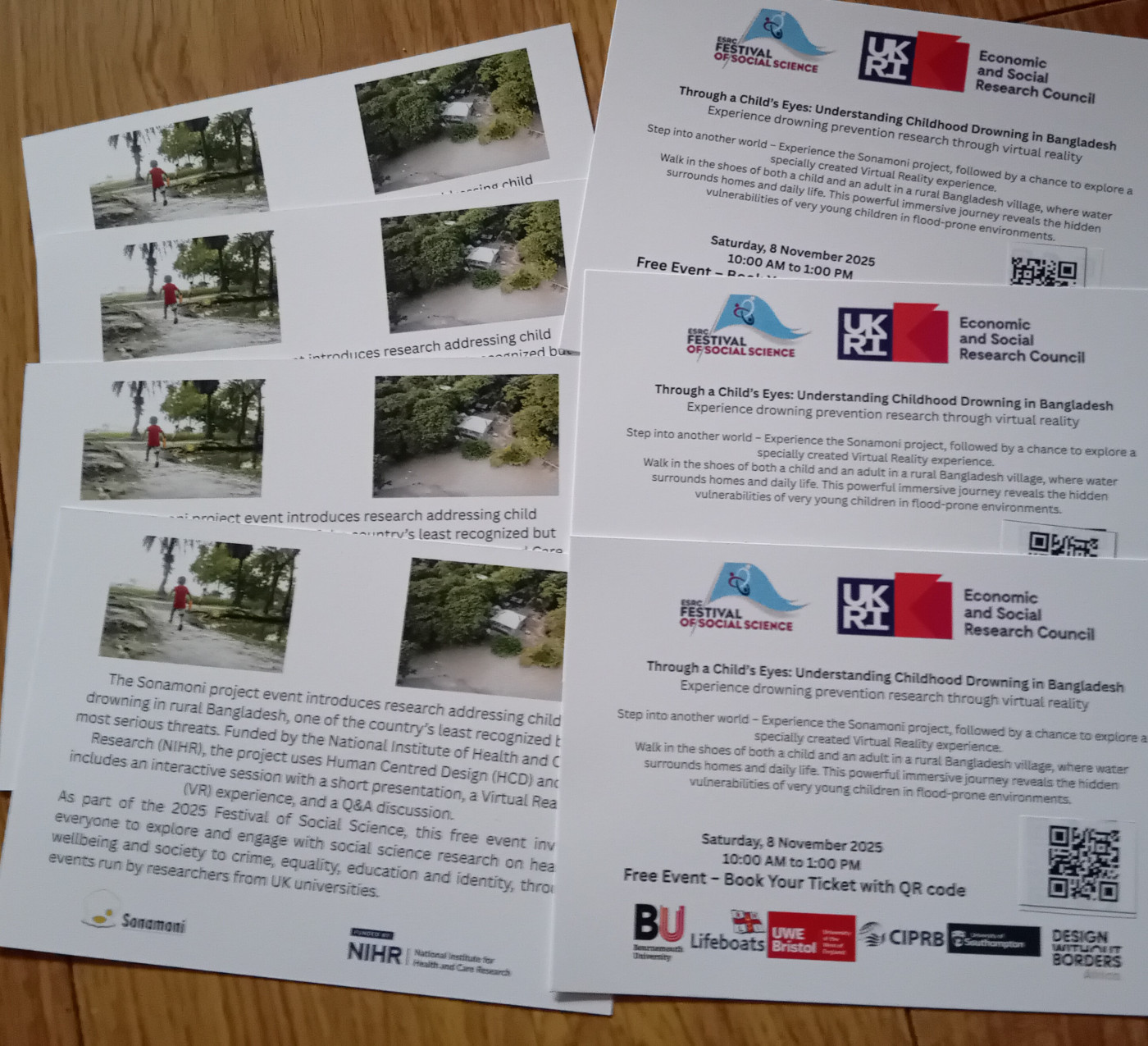
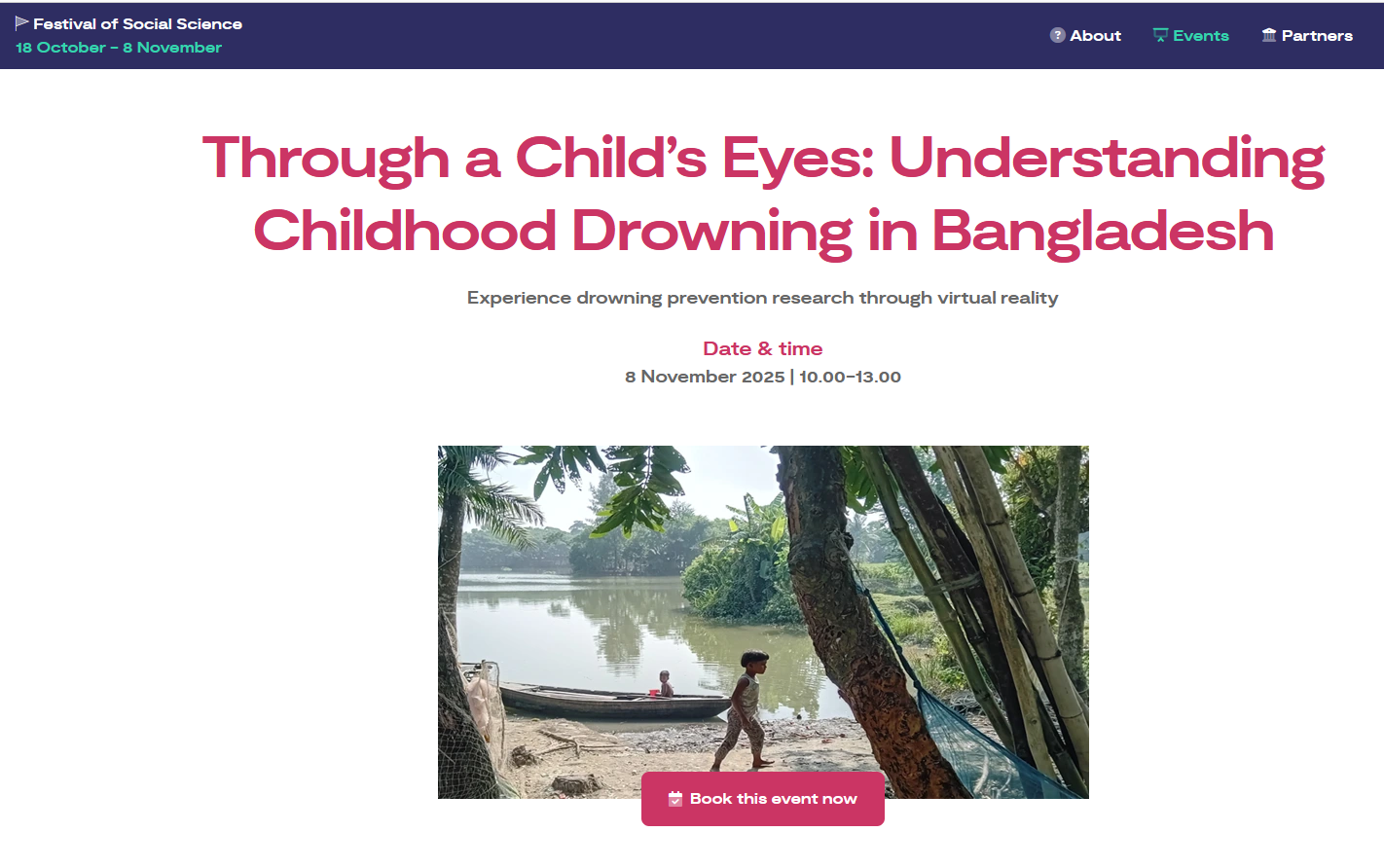
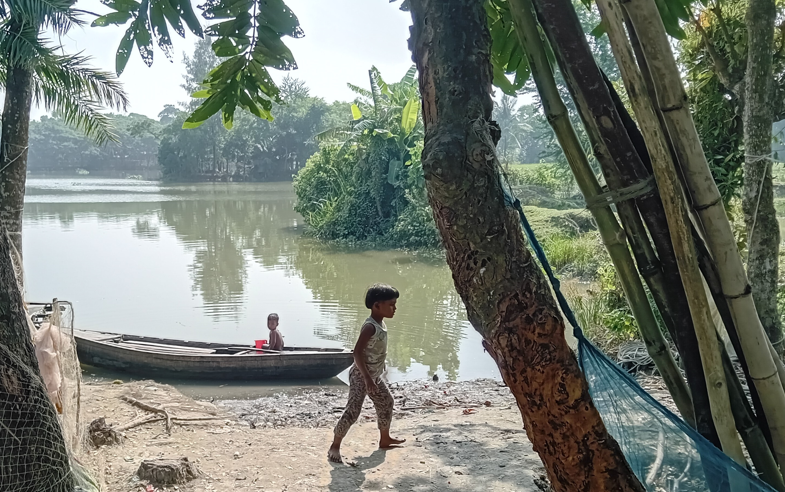
The second major piece of research related to drowning prevention at Bournemouth University is the Sonamoni Project. The Sonamoni Project is working with communities in rural Bangladesh utilizing human-centered design (HCD) techniques.  The research project is identifying solutions to reduce the number of drowning deaths in newly mobile children (6-24 months), developing prototype, and assessing the acceptability and usability of potential  interventions. Sonamoni is coordinated by Bournemouth University in collaboration with the University of the West of England (Bristol), the University of Southampton, and the Royal National Lifeboat Institution (RNLI), Design Without Border (DWB) in Uganda and Centre for Injury Prevention and Research, Bangladesh (CIPRB). The interdisciplinary team at Bournemouth University covers three faculties and six academics: Dr. Mavis Bengtsson, Dr. Kyungjoo Cha, Dr. Mehdi Chowdhury, Dr. Yong Hun Lim, Mr. John Powell, and Prof. Edwin van Teijlingen.

This international project funded by the National Institute for Health and Care Research (NIHR) through its Research and Innovation for Global Health Transformation programme, also includes a BU-based PhD student, Mr. Md. Shafkat Hossein.  He recently published the first article related to drowning prevention in Nepal [3].

References:

  1. Nash, J. (2025) Five ways to keep teenagers safe by the waterThe Conversation June 20th.
  2. Nash, J. (2024) Why so many people drown at the water’s edge The Conversation July 25th.
  3. Hossain, M. S., Pant, P. R., van Teijlingen, E., Sedain, B., & Rahman, A. (2024). Drowning Prevention should be a Public Health Issue in Nepal. International Journal of Social Sciences and Management, 11(4): 83–87.

NIHR Global Health Research Academy 2025

The 2025 NIHR Global Health Research Academy Member event will take place on Tuesday 13th and Wednesday 14th May.  The NIHR recognizes that career progression is a common challenge for early-career researchers. This year the event’s theme is ‘Empowering Early-Career Researchers: Navigating Careers in Global Health’. This two-day online event aims to equip participants from across the globe with the skills and knowledge to navigate and build a career in global health research.

Bournemouth University staff and students participating in the NIHR Research and Innovation for Global Health Transformation Call 4: Drowning Prevention for newly mobile infants under 2 years in Bangladesh programme have been invited.  This NIHR-funded project is called Sonamoni and BU’s student Md. Shafkat Hossain, whose PhD assessed the work in Bangladesh, is one the participants, as is our colleague from Bangladesh Notan Dutta.  In the afternoon BU’s Edwin van Teijlingen who will be chairing a session on ‘Funding & Grant Writing’.

Sonamoni is being coordinated by Bournemouth University in collaboration with the Centre for Injury Prevention and Research (CIPRB) in Bangladesh as well as the University of the West of England, Bristol, the University of Southampton, Design Without Borders (DWB) in Uganda, and the Royal National Lifeboat Institution (RNLI). This project, with Prof. Dr. Aminur Rahman (at CIPRB) as Bangladesh lead,  includes the above mentioned BU-based PhD project.  The interdisciplinary team at Bournemouth University covers three faculties through: Dr. Mavis Bengtsson, Dr. Kyungjoo Cha, Dr. Mehdi Chowdhury, Dr. Yong Hun Lim, Mr. John Powell, and Prof. Edwin van Teijlingen.

Capturing the Power of Heat: NCEM’s Breakthrough in Clean Energy Storage Gains Global Recognition

The NanoCorr, Energy & Modelling (NCEM) Research Group, led by Professor Zulfiqar Khan at Bournemouth University, has made pioneering developments in the field of thermal energy storage, an area critical to the future of renewable energy. Their groundbreaking work in enhancing the performance of latent heat storage systems using phase change materials (PCMs) has been featured on the International Atomic Energy Agency (IAEA) website—marking a prestigious global endorsement of their innovations in clean energy technologies.

A Leap Toward Sustainable Energy

As the world shifts from fossil fuels to renewable sources, the ability to capture and store energy efficiently is a central challenge. PCMs—materials that absorb and release heat during phase transitions (like melting and solidifying)—offer an ingenious solution. NCEM’s research focuses on improving these materials’ thermal conductivity, stability, and compatibility with various containers, making energy storage more efficient, stable, and commercially viable.

Their study reviews and categorises organic paraffins and inorganic salt hydrates, the most promising groups of PCMs, highlighting enhancements like encapsulation, multi-PCM integration, and advanced container geometries. These techniques significantly boost energy capture rates and storage capacity, making clean energy more practical for widespread use.

Real-World Impact and Innovation

Backed by five industry-funded and match-funded projects, NCEM’s efforts have not only led to commercial patents in the UK and USA, but have also influenced engineering solutions for solar heating, industrial heat recovery, and smart building technologies. These contributions align strongly with several United Nations Sustainable Development Goals (UNSDGs):

Goal 7: Affordable and Clean Energy

Goal 9: Industry, Innovation, and Infrastructure

Goal 12: Responsible Consumption and Production

Goal 17: Partnerships for the Goals

Global Recognition: Why the IAEA Feature Matters

The International Atomic Energy Agency (IAEA), an influential global body under the United Nations, works to promote the peaceful use of nuclear and clean energy technologies. Being featured on their platform is a significant milestone—it underscores the global relevance, technical merit, and strategic value of Professor Khan’s research. It also places Bournemouth University and NCEM at the heart of international discussions on sustainable energy systems.

This acknowledgment by the IAEA is a testament to the NCEM team’s commitment to tackling real-world problems with innovative science. It further demonstrates the potential of UK-led clean energy solutions to contribute to a low-carbon, energy-secure future for all.

A Bright Future for Clean Energy

The research led by Professor Zulfiqar Khan exemplifies how innovative materials science and engineering can drive change on a global scale. With continued support and collaboration between academia and industry, NCEM is set to play a pivotal role in accelerating the transition to clean, resilient energy systems worldwide.


Acknowledgements: Dr Zakir Khan (NCEM ex PGR/ Post Doc) and Professor A Ghafoor.

BU collaborates with University of Exeter on modelling innovation adoption

Bournemouth University (BU) has collaborated with the University of Exeter on modelling innovation adoption diffusion. The work, led by Dr. Wei Koong Chai in BU, draw on the epidemic theory and model the diffusion dynamics considering (1) the role of network structures in dictating the spread of adoption and (2) how individual’s characteristic/capability influences the path of diffusion (e.g. an individual may have different attitude or ability towards adopting a new innovation). A positive adoption decision is related to the number of neighbors adopting the innovation. The neighbors decisions are, in turn, dependent on their own neighbors and so, it forms a complex cascading inter-dependent relationship between the different individuals in the network. As such, each node in the network is unique and its relevant adoption rate must be considered separately conditioned with the activities occurring in the network over time.

The model offers insights into how the network spectrum affects the innovation exposure rate and spreading of innovation individually and across communities with different adoption behaviours. It also illustrates the effects of the embedded social structure and the characteristics of individuals in the network on the path of innovation diffusion via two use cases: (i) innovation adoption of EU countries in a Single Market Programme and (ii) innovation adoption of specific class of technology (specifically financial technologies (FinTech)).


Reference:

Duanmu, JL., Chai, W.K. Modelling innovation adoption spreading in complex networksAppl Netw Sci 10, 10 (2025). https://doi.org/10.1007/s41109-025-00698-8


Promoting Human-Centred Design in Drowning Prevention

The Department of Design and Engineering at Bournemouth University has a reputation for its Human-Centred Design (HCD) work.  In our interdisciplinary Sonamoni project we have HCD at its centre.  The Sonamoni project is coordinated by Bournemouth University in collaboration with the University of the West of England (Bristol), the University of Southampton, and the Royal National Lifeboat Institution (RNLI), Design Without Border (DWB) in Uganda and Centre for Injury Prevention and Research, Bangladesh (CIPRB). The interdisciplinary team at Bournemouth University covers three faculties and six academics: Dr. Mavis Bengtsson, Dr. Kyungjoo Cha, Dr. Mehdi Chowdhury, Dr. Yong Hun Lim, Mr. John Powell, and Prof. Edwin van Teijlingen.

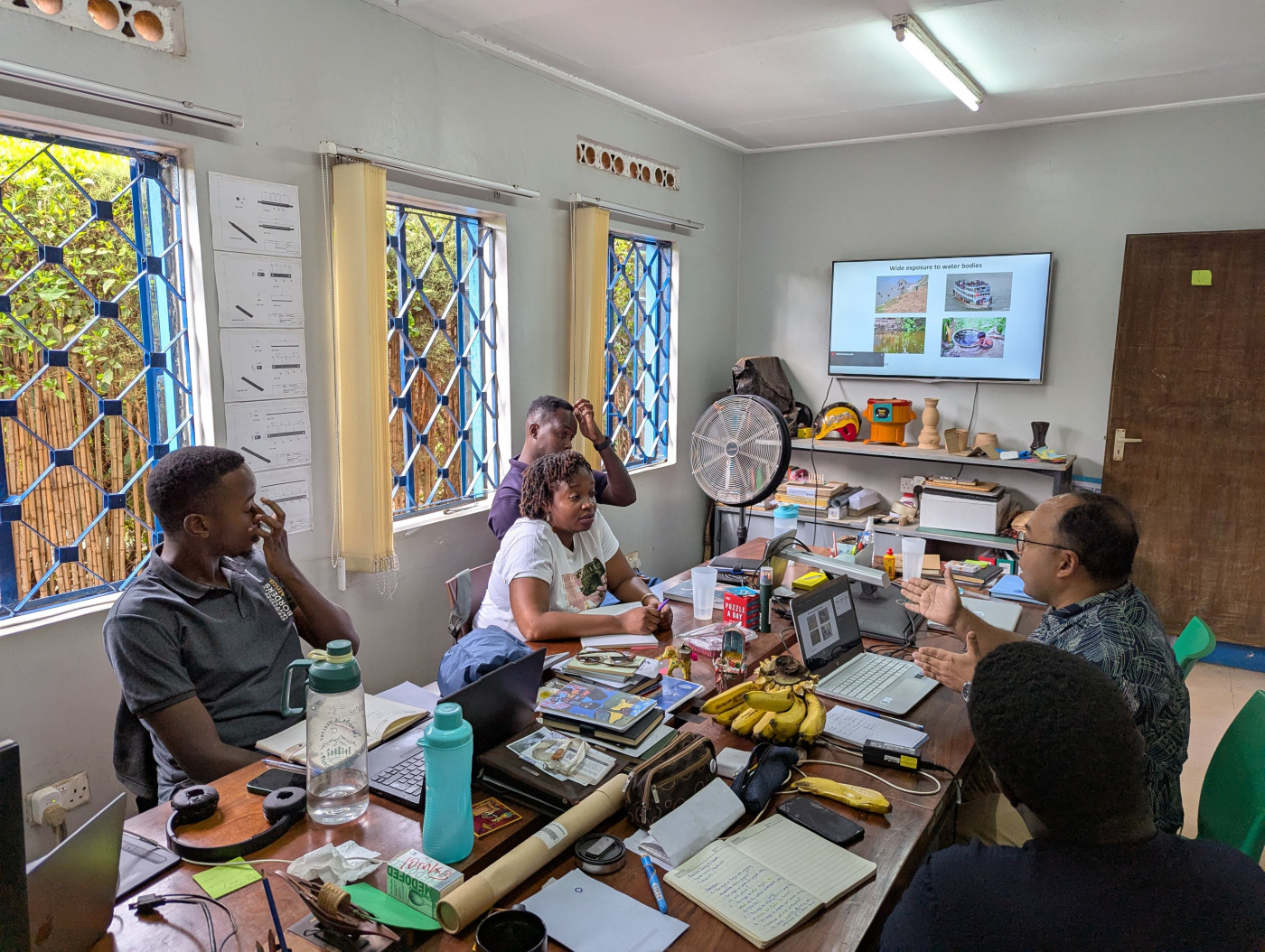
Last month two staff from CIPRB, Notan Chandra Dutta and Mirza Shibat Rowshan visited DBW in Uganda, as part of so-called South-South learning. Their objective was to share (1) knowledge and experience of using HCD techniques and (2) best practices of drowning prevention in both countries. Utilizing HCD techniques, Sonamoni is working to identify and prioritize potential solutions, develop prototypes, and assess the acceptability of the interventions to reduce drowning deaths among old children under two in Bangladesh.

During the visit, Notan and Shibat participated a four-day ideation workshop with the fisher community near Lake Victoria, organized by DWB. In the workshop, different HCD tools were used along with other group activities to generate and refine ideas for the solutions. The generated ideas were recorded by visualization tools. Notan and Shibat also attended a session on the principles of creative facilitation of HCD, including the need to understand the problem, role of the facilitator and other stakeholders.  Various visualization tools were discussed, e.g.  ‘journey maps’, ‘stakeholder map’, ‘context map’ and different types of sketches.  Notan shared CIPRB’s experiences of managing the best drowning prevention practices and its challenges from Bangladesh context.

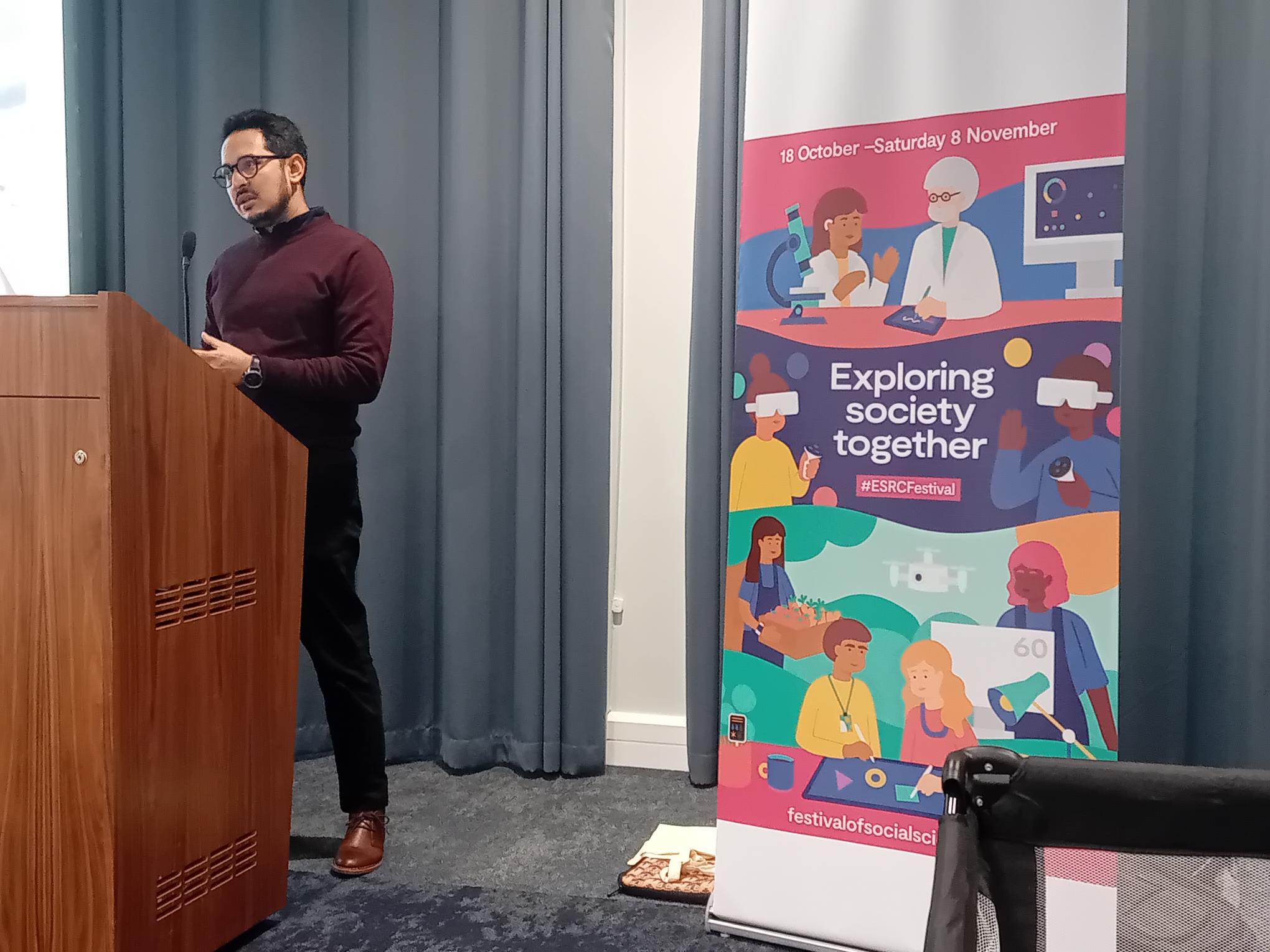
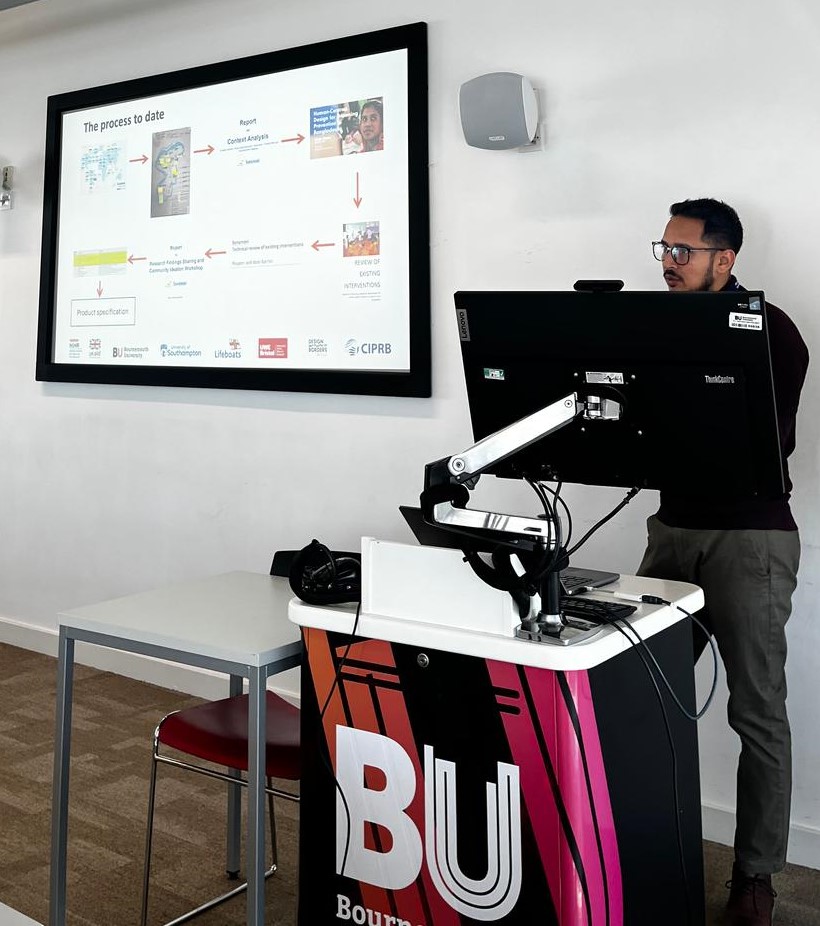
This international project funded by the National Institute for Health and Care Research (NIHR) through their Research and Innovation for Global Health Transformation programme, also includes a BU-based PhD student, Mr. Md. Shafkat Hossein.  Last week Shafkat presented our Sonamoni project in lecture to BU Engineering students at Talbot campus.


Prof. Edwin van Teijlingen

Centre for Midwifery & Women’s Health

New research published on Artificial Empathy in the Metaverse

Dimitrios Buhalis new research published on Artificial Empathy in the Metaverse

Assiouras, I., Laserer; C., Buhalis, D., 2025, The Evolution of Artificial Empathy in the Hospitality Metaverse Era, International Journal of Hospitality Management, Volume 126, April 2025, 104063 https://doi.org/10.1016/j.ijhm.2024.104063

Highlights

  • Artificial empathy of intelligent agents can be strengthened in the metaverse.
  • The experimental nature can hinder the development of artificial empathy.
  • The interoperability is critical for the development of artificial empathy.
  • Enhanced empathy of AI agents in metaverse will improve customers’ reactions.
  • Opportunities and challenges arise in the development of human empathy.

Abstract

As hospitality enters the metaverse era, artificial empathy becomes essential for developing artificial intelligence (AI) agents. Using the empathy cycle model, computational empathy frameworks and interdisciplinary research, this conceptual paper proposes a model explaining how artificial empathy will evolve in the hospitality metaverse era. The paper also addresses customer empathy and responses towards AI agents and other human actors within the hospitality context. It explores how metaverse characteristics such as immersiveness, sociability, experiential nature, interoperability, blended virtual and physical environments as well as environmental fidelity will shape computational models and the evolution of artificial empathy. Findings suggest that the metaverse enables AI agents to form a seamless cycle of detection, resonation, and response to consumers’ affective states, facilitating the evolution of artificial empathy. Additionally, the paper outlines conditions under which the artificial empathy cycle may be disrupted and proposes future research questions that can advance our understanding of artificial empathy.


Migration research at BU: New migrant workers’ paper published

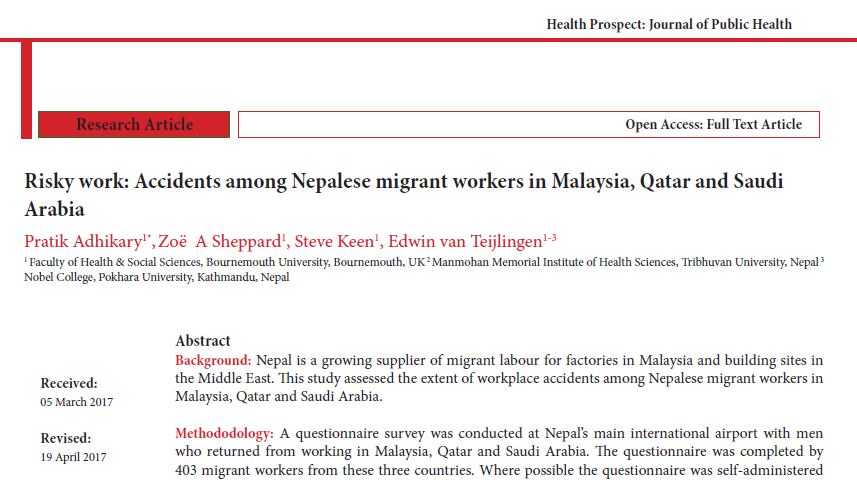
Two days ago saw the publication of the latest paper on migration research here at Bournemouth University. The journal Health Prospect published ‘Risky work: Accidents among Nepalese migrant workers in Malaysia, Qatar and Saudi’ [1]. This new paper is based on the PhD research project conducted by Dr. Pratik Adhikary. Health Prospect is a peer-reviewed Open Access journal, part of Nepal Journals Online (NepJOL) which offers free access to research on and/or from Nepal. The paper is co-authored by former FHSS staff Dr. Zoe Sheppard and Dr. Steve Keen as well as Prof. Edwin van Teijlingen of the Centre for Midwifery, Maternal & Perinatal Health (CMMPH).

Previous academic papers by BU scholars included, amongst others, work on migrant workers from Nepal [2-6], relatives of migrant workers [7], migrant health workers [8-9], migration and tourism [10-11], migrant workers from Eastern Europe [11-13], migration and the media [14] as well as migration in the past [15]. The various strands of work link very well to BU’s application for Leverhulme Doctoral Scholarships.


References:

  1. Adhikary, P., Sheppard, Z., Keen, S., van Teijlingen, E. (2017) Risky work: Accidents among Nepalese migrant workers in Malaysia, Qatar and Saudi, Health Prospect 16(2): 3-10.
  2. Adhikary, P., Simkhada, P.P., van Teijlingen E., Raja, AE. (2008) Health & Lifestyle of Nepalese Migrants in the UK BMC International Health & Human Rights 8(6). Web address: www.biomedcentral.com/1472-698X/8/6.
  3. van Teijlingen E, Simkhada, P., Adhikary, P. (2009) Alcohol use among the Nepalese in the UK BMJ Rapid Response: www.bmj.com/cgi/eletters/339/oct20_1/b4028#223451
  4. Adhikary P., Keen S., van Teijlingen, E. (2011) Health Issues among Nepalese migrant workers in Middle East. Health Science Journal 5: 169-175. www.hsj.gr/volume5/issue3/532.pdf
  5. Aryal, N., Regmi, PR., van Teijlingen, E., Simkhada, P., Adhikary, P., Bhatta, YKD., Mann, S. (2016) Injury and Mortality in Young Nepalese Migrant Workers: A Call for Public Health Action. Asian-Pacific Journal of Public Health 28(8): 703-705.
  6. Simkhada, PP., Regmi, PR., van Teijlingen, E., Aryal, N. (2017) Identifying the gaps in Nepalese migrant workers’ health & well-being: A review of the literature, Journal of Travel Medicine 24 (4): 1-9.
  7. Aryal, N., Regmi, PR., van Teijlingen, E., Dhungel, D., Ghale, G., Bhatta, GK. (2016) Knowing is not enough: Migrant workers’ spouses vulnerability to HIV SAARC Journal of Tuberculosis, Lung Diseases & HIV/AIDS 8(1):9-15.
  8. Scammell, J., 2016. Nurse migration and the EU: how are UK nurses prepared? British Journal of Nursing, 25 (13), p. 764.
  9. Sapkota, T., Simkhada, P., van Teijlingen, E. (2014) Nepalese health workers’ migration to United Kingdom: A qualitative study. Health Science Journal 8(1):57-74.
  10. Dwyer, L., Seetaram, N., Forsyth, P., Brian, K. (2014) Is the Migration-Tourism Relationship only about VFR? Annals of Tourism Research, 46: 130-143.
  11. Filimonau, V., Mika, M. (2017) Return labour migration: an exploratory study of Polish migrant workers from the UK hospitality industry. Current Issues in Tourism, 1-22.
  12. Janta, H., Ladkin, A., Brown, L., Lugosi, P., 2011. Employment experiences of Polish migrant workers in the UK hospitality sector. Tourism Management, 32 (5): 1006-1019.
  13. Mai, N., Schwandner-Sievers, S. (2003) Albanian migration and new transnationalisms, Journal of Ethnic & Migration Studies 29(6): 939-948.
  14. Marino, S., Dawes, S., 2016. Fortress Europe: Media, Migration and Borders. Networking Knowledge, 9 (4).
  15. Parker Pearson, M., Richards, C., Allen, M., Payne, A. & Welham, K. (2004) The Stonehenge Riverside project Research design and initial results Journal of Nordic Archaeological Science 14: 45–60