For one final time in 2024, join this drop-in session 1pm-2pm on Wednesday 4 December, online. This is an open session for all BU ECRs and PGRs, to discuss any issues around career development, or the ECR experience with the peer network, and receive advice and guidance from the network’s academic leads.
Meet The Leverhulme Trust, at 1pm on Wednesday 4 December (online). The Trust has been funding research for almost 100 years supporting fundamental and higher-risk research. You will hear from the Director of Leverhulme about the funding schemes they offer, advice for applicants, Strategy and Looking into the future. Please send Eva Papadopoulou your questions in advance.
On 4 December, 9am until 1pm, in person at BGB – learn from REDCap expert, Will Crocombe, about data collection and management best practices in research and why REDCap is better that MS Excel or Qualtrics for almost every type of data collection, either through online surveys or direct entry into a database.
On 5 December, 9am until 4pm, in person at BGB – this advanced, one-day, course for those with some REDCap knowledge will be led by our external REDCap expert, Will Crocombe, and will cover:
Data management – data workflow, queries and audit trail, site management
Simple randomisation – stratified lists
Electronic consent – design and setup
Longitudinal data collection – events and repeating forms
Surveys – patient data collection
Mobile data collection – using the REDCap mobile app
On Wednesday 11 December 2024,10:00-14:00, in person at Talbot campus – hear from BU academics about their journeys, the challenges they’ve overcome and the role the Research Development and Support (RDS) team has played in their success. Spaces are limited, so don’t miss out! If you’re interested, please be sure to book your ticket — and if you can’t make it, kindly let us know so someone else can take your spot. For further information on this event please contact RKEDF@bournemouth.ac.uk
This Knowledge Transfer Partnership development session is in person, at Talbot campus, on Wednesday,18 December at 1pm. It will cover the tools needed to ensure systematic design capture, to encourage engagement and promote co-formulation of the project.
Please help us in avoiding any waste of resources; make sure you can attend or cancel your booking prior to the session. For any further information, please contactRKEDF@bournemouth.ac.uk
Professor Debbie Holley was privileged to be able to give a keynote opening at the inaugural Digital Education and AI in the 21st Century conference last week. Working with the FLIE Learning Technology team, my keynote included a ‘Virtual’ visit to the Antarctic, illustrating how we can create ‘deep learning moments’ for students using lo-tech as well as hi-tec solutions.
FLIE joined colleagues from BU and Imperial College to present at the NK Fusion conference on Digital Education and AI in the 21st Century. We talked about the creation of our AI Literacy resources for staff and students and showcased some of the innovative practice of BU academics who have worked with us employing digital tools such as 360 cameras, immersive films and H5P interactive learning objects. It was a really interesting day with some really thought-provoking speakers.
Further information email Debbie Holley: dholley@bournemouth.ac.uk
On October 7th, 2024, professionals, researchers, and stakeholders gathered at The Social Hub in Glasgow for an event titled, “How do we improve secure care? Exploring international perspectives and learning from practice.“ This event was funded by the Faculty of Health and Social Sciences at Bournemouth University (BU) and represents an example of the use of faculty funding to support positive and impactful research. It was organised by staff from the Research Centre for Seldom Heard Voices at BU – Dr Stefan Kleipoedszus and Dr Caroline Andow – in collaboration with colleagues from the Children and Young People’s Centre for Justice (CYCJ) in Scotland – particularly Donna McEwan – along with Dan Johnson, Forensic Psychologist and Clinical Director at Kibble Education and Care Centre Scotland, and our international partners Caroline Vink (Netherlands Youth Insitute) and Dr Kate Crowe (Honorary Fellow at the University of Melbourne).
The event was designed to explore critical questions in developing secure care for children, offering national and global perspectives. Secure care, in its traditional form, is locked institutional care for children aged 10 to 17. Children can enter secure care either on criminal justice grounds, when aspects of their behaviour are considered to pose a risk of harm to others, or on welfare grounds, when the risk of harm is to themselves, though there is often an overlap. Our workshop aimed to explore how the continuum of services, including secure care could evolve to better meet the needs of the children, and young people who may require such responses and often come from challenging backgrounds, with experiences of childhood trauma and poly-victimisation. The event’s target audience included practitioners, managers, and stakeholders who are involved with secure care for children.
To start with the most important bit, the food at the venue – which itself was very cool – was incredible. The day started with freshly baked pastries, followed by cakes mid-morning, a delicious grazing platter for lunch (with some accidental haggis consumption by one member of our party!), and an unexpected, yet very much enjoyed, basket of pittas, olives and homemade houmous in the afternoon. If nothing else, our attendees went home full, but we have a feeling they took away much more than satisfied taste buds.
Kicking off the day, three experts provided insightful presentations to secure care in their respective jurisdictions. First, Donna McEwan and Dan Johnson presented the recently released CYCJ ‘Re-Imagining Secure Care’report. Donna detailed key questions that need to be asked when we think about what the future of secure care could look like, including:
How do we hold the risk of harm in the community?
How do we deprive liberty for the least possible time with minimal intervention?
How do we group children together (for example in terms of harmed/risk of harm, and different gender identities?
The second presentation, by Eva Mulder (Professor by Special Appointment at the University of Amsterdam), was particularly impressive as Eva and her colleagues had spent the night standing on the street following a fire alarm at their hotel, and Eva had not had any sleep. Hats off to Eva! Eva described her research exploring how secure institutions can be made to look and feel like home, using young people’s photographs of home. It was interesting to hear how ‘home’ was conceptualised in terms of feelings – for example, home is somewhere where there are people you know, you feel like you belong, you can be alone when you want to be, there is food that you like, and you feel free. Eva encouraged us to contrast these ideas with how institutional buildings make children feel. Eva described new small-scale residences for children in the Netherlands, without locked doors, where there is continuity with a small team of staff and integration with the community. Research in these places revealed that staff feel that they can develop better relationships with the young people, and the young people want to make more of an effort with the staff and their treatment, and parents feel more included. Eva ended by describing how there is a campaign in the Netherlands to end secure care completely, and how this requires a solution within the community that can keep children safe.
Last, but by no means least, Dr Kate Crowe took to the stage. Kate was awarded a Churchill Fellowship in 2022 to investigate alternatives to secure care in Hawaii, Canada, Scotland and the Netherlands. In 2023 she was awarded a Creswick Fellowship and she travelled to Iceland, Finland and Scotland to investigate the position and design of secure care in light of Australian jurisdictions raising the minimum age of criminal responsibility (MACR). Kate prompted the audience to consider how models of secure care might need to change as the MACR increases. She also posed the perennial question in this area – should children on welfare placements be placed alongside children deprived of their liberty on criminal justice grounds? Along with other details from her travels, the audience were very intrigued to find out from Kate that all secure facilities in Finland have saunas!
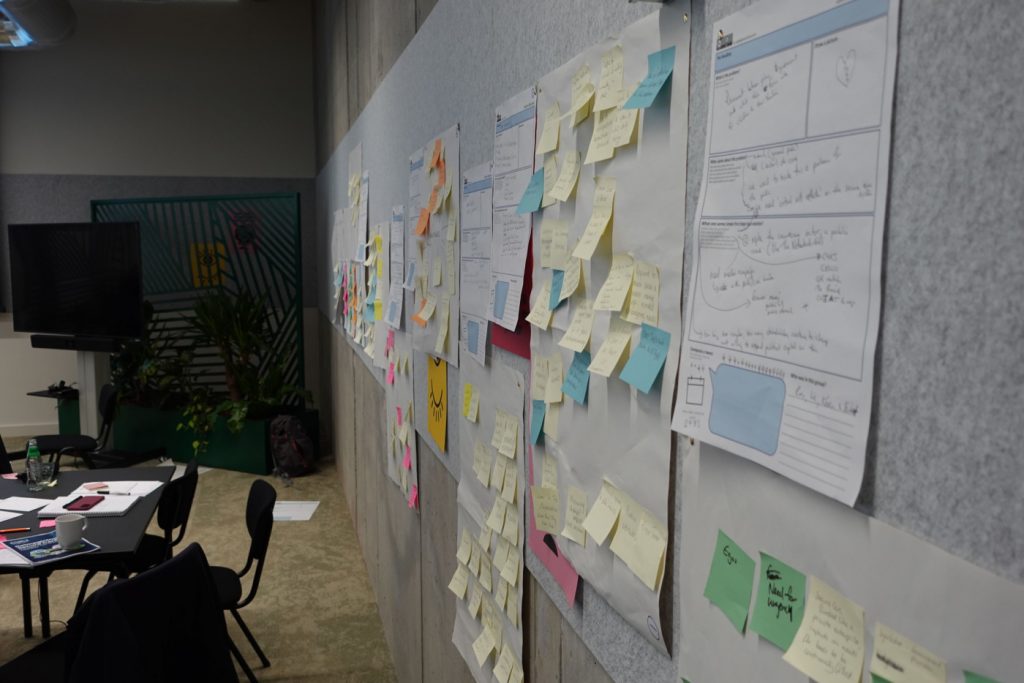
With these thought-provoking presentations in mind, participants were divided into six focus groups. Discussions between the group members were audio recorded so that they could be captured as research data. Participants explored critical questions, such as:
How can we best meet the needs of children who meet the criteria for secure care?
What are the key challenges to reforming secure care systems?
What solutions can be developed to address these challenges using solution sketchpads?
At the end, participants explored three core questions that aim to lead to calls for action in the participant’s respective spheres of influence:
What can be done now in secure care?
What can be done now in the community?
What can be done at the interface between secure care and community services?
Several preliminary findings emerged from the discussions:
There is strong interest in reshaping secure care for children, with innovative ideas around embedding secure care within local communities.
Greater collaboration is needed between secure care providers and other agencies to ensure holistic care for children.
For practical application, the need to embed mental health professionals, such as psychologists and education support staff, more deeply within secure children’s homes is a critical step forward.
This event was about exchanging information, but it also aimed at suggesting meaningful options for further development. The participants shared creative ideas, and the discussions showed a willingness to push for progress to improve care for arguably the most vulnerable children in out-of-home care.
One of the most interesting ideas was to embed secure care services more closely in local communities. This would promote closer cooperation among providers, mental health services, and educational support systems.
At the end of the event, it became clear that this seminar was a stepping stone towards future progressive developments in secure care. Participants identified critical areas for immediate action, both within secure care settings and in the broader community and at the intersection between these two worlds. This is crucial for building a system that protects children and communities and supports their long-term rehabilitation and reintegration.
This workshop was a success because it allowed participants to share knowledge, discuss challenges, and develop actionable solutions for the future of secure care. It is an essential reminder of how far we have come—and how much further we want and need to go—to ensure that secure care can continue to meet the needs of children and young people who meet the criteria for secure care. This event provided an excellent opportunity to reflect on the challenges in secure care and consider future development options.
This event also acts as a reminder of how much can be achieved when a group of like-minded people with a common goal come together. We feel privileged to be working with our national and international partners, and we look forward to our next event, wherever in the world that might be. Our thanks go out to our Faculty at Bournemouth University who funded this event.
This is an open session for all BU ECRs and PGRs, to discuss any issues around career development, or the ECR experience with the peer network, and receive advice and guidance from the network’s academic leads.
BU Economics professor received intriguing email – Read the report then watch the launch of our latest Transition Report live!
Special Invite From: European Bank for Reconstruction and Development
Watch the launch live online! Navigating Industrial Policy EBRD Transition Report 2024/2025
www.youtube.com/live/jrTqDu9FFAI broadcast from 16.00 – 1730, Canary Wharf, London (26 November) with over 150 participants attending the prestigious launch event live online link up.
The EBRD transition reports are one of the leading rigorous gold standard sources that are well read reporting tools for financial economists, investment market, media, economic departments, universities, researchers and policy makers worldwide.
The launch discussion was moderated by Richard Porter, EBRD Managing Director of Communications, featured:
Joseph Stiglitz, Nobel laureate in economics and Professor at Columbia University. USA link up.
Rana Foroohar, global business columnist and associate editor at the Financial Times
Jeromin Zettelmeyer, Director of Bruegel, the European Union’s economic think tank
Beata Javorcik, EBRD Chief Economist
“In a world of rapid geopolitical and economic shifts, the discussion on industrial policy has never been more critical. This report takes an extensive look at industrial policies in the EBRD regions and beyond. Such policies, which are aimed at changing the sectoral composition of production in an economy, have seen a resurgence in recent years, seeking to address increasingly pressing market failures such as environmental degradation.” EBRD 2024
“Their track record is mixed, with their growing popularity being shaped primarily by domestic political economy considerations and rising geopolitical tensions. While industrial policies are typically employed by higher-income economies, they are also being seen more frequently in economies with less administrative and fiscal capacity to implement them.” EBRD 2024
Other attendance highlights included discussions on: implications of the president-elect Trump of USA and his concerning new tarifs to hike imports into USA from rest of world, with implications for costs, trade wars and economic growth, likely to impact economic growth especially for large exporters to USA such as Canada, China, parts of Europe like UK; that sustainability should include the word environment; furthermore that since GFC 2008/9 majority of special economic zones had seen flattening of exports, FDI and productivity (especially related to manufacturing sector), whereas some areas in south east Europe/Asia borders had seen an upturn and what factors determine achieving this?
Professor Dr Jens Hölscher has published in over 140 academic publications and is a leading economist and spokesperson for Bournemouth University for multi-media, media interviews and broadcasts on Economic and Finance matter e.g. Bank of England comment
To address these topical themes, I am truly proud and feel honoured to be part of BU’s visionary impactful research contributions and I have personally actioned:1A) an abstract poster presentation for the BU Conference [27 November] in person attendance all warmly welcomed, BU Talbot Campus, Fusion FG06 Posters on show viewing and Share theatre (oral presentations), 9-4pm and incorporated into it: 1B) my own very original topical preprint article [12 November] ii) attended (after last year see my RDS Blog ‘BU live with USA, Germany and Kyiv’) the 3rd International IZA/OECD online workshop [21 November] of top international themes alongside 101 zoom participants from USA, UK, Germany, Italy, Spain, France and more.
1A) poster abstract presentation (BU Conference and Researchgate link)
Abstract
Financial Constraints and Bribery Impact upon SME Firm Productivity in Economic Crisis and Conflict
Do economic destabilisation factors link to conflict even war? Only now in the explosive mid2020s are finance economists breaking the silence, raising this critical question. The author proposed early 2022, a ‘turning point’ notion of 2019 – thirty years after the Berlin Wall fell, seventy years after NATO formed; pre-covid 2020; before ‘Zeitenwende’ 240222 – seeking missing descriptive and empirical regression evidence beyond speculation for predictive indicators: financial constraint and bribery incidence within financialisation, competitivity and corruption. Findings demonstrate significant negative heterogenous effects across 27 Eastern European countries upon SME firm productivity outcomes with co-operative alliances adding business transformation value.
Vidler, Fiona,
Keynes World War, Prophecies And Productivity Growth In Economic Crisis -A Critical Review (November 12, 2024).. A review style paper that links current relevant themes in a novel readable socio-economic scholarly critique relating to a resurgent interest in Keynes’ original work and finishing with elements of the author’s own original research – so debating Keynes’ own predictive words even prophecies with words from a hundred years ago in 1919 to a 2019 proposed ‘turning point,’ leading into consequences for the current 2020s and future. Available at Elsevier SSRN:
https://ssrn.com/abstract=5018719 or http://dx.doi.org/10.2139/ssrn.5018719
Also available on research gate with poster and abstract files (note preprint article first available 13 November 2024 although categorised 2024 on Researchgate itself). Also, already additionally early listings (featured) so far early days in other more general ejournals- European Economics: Macroeconomics & Monetary Economics eJournal and Development Economics: Microeconomic Issues in Developing Economies eJournal with interest from The Journal of Research Development.
Link to IZA/OECD program with group photo shot (BU top right corner of image), where it was a great opportunity to this time, listen participate seek first to understand and find out what the IMF (International Monetary Fund), OECD, ILO United Nations, IZA (Institute of Labour Economics, HQ Germany – with its links to EACES) latest news is and more – where researchers linked face to face with policy makers on the 21 November.
Furthermore, to ask one’s own question related to productivity and received an answer too. A lateral one as hot topics were related to productivity intrinsic factors ‘within firms’; a consideration different but relevant to my own theme considering 10,000 SME firms as entities and their extrinsic productivity outcomes in measures of output per worker in SME firms. Intriguingly, 2019 was also a turning point down turn found by IMF researchers in Europe beyond relative prosperity of 2015-2018.
On the theme of publishing research that makes a difference and gaining inspiration to keep writing further articles (how does one do it one may ask): A leading publications ranked world class esteemed BU Professor (Marketing Strategy Innovation and Tourism), Dimitrios Buhalis, far greater than myself, recently circulated for reflection by colleagues: 'the attributes of distinguished scholars' (McKercher, 2024) where consensus was that inquisitiveness, insights, passion were top criteria, followed by other criteria including: connections, taking a risk with a joined up 'whom, what, how, why' strategy for truly original research with relevant impactful publications that make a difference or reach the target audiences – linking themes of topical current real interest in an intellectual scholarly manner often with practitioner or policy maker relevance, on the leading edge, meeting needs, connections, collaborations, often interdisciplinary considerations to expand thinking – inspiring and enabling memorable research publications as opposed to churning or common mediocre scholarly research which is common.
Making a (real) difference in the world with recognition in many fields is one of BU's themes and forte in the 2020s. I personally find these criteria inspiring for researchers publishing, would also add return on investment or with relevance or benefits with solutions towards solving issues in the economy/economies (from a finance economic perspective of the world is a reality of how we live today, where sustainability the flipside of economic destabilisation is the golden elixir matrix required). So gratitude and thank you so much for reading as always.
So Let us All be NICE = Noteworthy Inspiring Connecting Energising for yourself, others, and the world!
Fiona ‘Stewart’ Vidler MBA MSc MLIBF
Former MIPR (media) and financial advisor, Decision-Making Business Strategy (Corporate and SME Director roles) and Financial Times Business Winner
Corruption and Financial Constraints Impacts upon SME Firm Productivity – European Transition Economies in Crisis (Finance Economics – Advanced Researcher and British Author)
Bournemouth University Business School (BUBS) – Catalyst Growth Fusion 2022-26
MSc Green Economy – Bournemouth University, UK, 2021-2022
MBA Finance Macroeconomics (One of best dissertations 2020 – joint Oxford Magna Carta/New Bucks. Universities)
PLUS Level 7 – Accounting, Auditing, Strategic Financial Management and Investment Strategies
Driver Award – Highest Achiever (Faculty) Cognitive Psychology (RHUL,UK)
Financial Times Business Award Winner
– ‘ROI + media publishing success made us stand out win’
Previously Senior Researcher (over decade experience), RHUL, Defra (as prior MAFF), DSTL (as prior MOD), International Crisis Management Researcher (Burson-Marsteller A-team) and Director Education/ Marketing/ Research /Media/Conference/Round-table programs for professors leading lights networks creation and bidding team budgets writing programs £10K to £3M.
The ESRC Festival of Social Science 2024 has come to an end, successfully bringing together diverse audiences to explore, learn, and engage with BU’s research.
The 2024 festival, which included 324 nationwide events, had ‘our digital lives’ as a central theme. Many of the events examined the relationship between humans and digital technology, exploring current threats and opportunities, as well as imagining what life might be like in the future.
For the 13th year, BU took part in the festival, drawing over 250 attendees to five engaging events, two of which were also featured in the University of Southampton’s Arts and Humanities Day on Saturday 9 November. In partnership with the University of Southampton for the second consecutive year, the festival showcased a programme of events, ranging from discussions on well-being and cybersecurity to an exhibition highlighting the voices of young LGBTQ+ individuals.
Avonwood Primary School
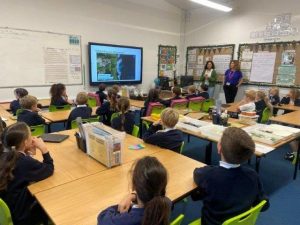
Our festival programme began with ‘Underwater Farms – The Magic of Seaweed’ an exciting opening event for 61 year 3 students at Avonwood Primary School.
Activities with pupils at Avonwood Primary School
BU researchersAnastasia Vayona and Kirthana Pillay visited two classes, where they introduced children between the ages of 7-8 to the wonders of seaweed as a food source and highlighted how underwater farming could play a crucial role in creating a more sustainable future for agriculture. The children were particularly keen to try the seaweed scones!
“…a really informative and fun event that was perfectly pitched for the age of participants…it gave them a chance to explore food and nutrition in a fun, interactive context” feedback from a teacher at Avonwood Primary School
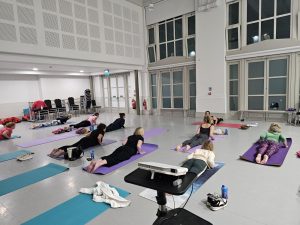
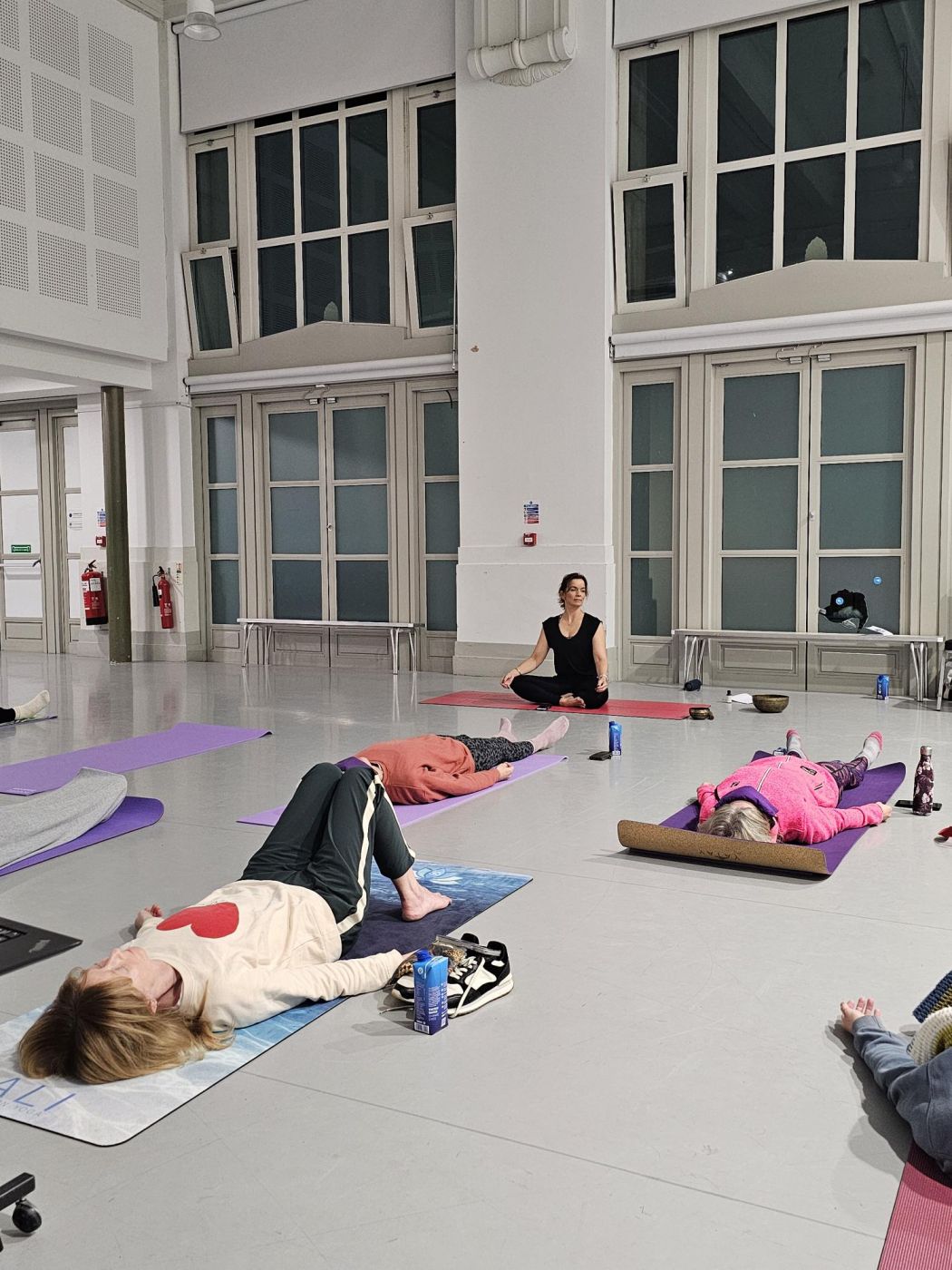
The next event in our programme, ‘Take a Meno(pause)’ exploring well-being through yoga for mid-life -was an interactive session at Pavilion Dance, focusing on the benefits of yoga during the menopause years.
Yoga practice led by Dr Hecquet
Dr Juliette Hecquet’s research looks at yoga’s effectiveness in managing the physical and emotional symptoms of perimenopause, menopause, and beyond. By integrating body and mind, yoga promotes health, strength, and overall well-being during this life stage.
Yoga breathing exercises
Participants learned how yoga can enhance physical and mental health and how mindfulness can support the transition through mid-life. The session also included a guided yoga practice led by Dr Hecquet, with poses and breathing exercises designed to deepen relaxation and improve well-being throughout the menopause journey.
“…very professional and I thoroughly enjoyed it.” feedback from an attendee
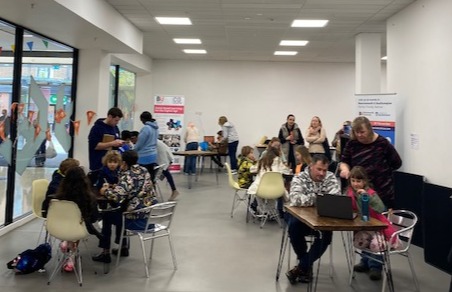
Board game activities at Cybersecurity Family Fun day in Poole Dolphin Centre
BU’sCyGamBIT Team hosted a ‘Cybersecurity Family Fun Day’ at Gather, the hub for community events at the Dolphin Centre in Poole. During half term, this interactive cybersecurity day gave participants of all ages the opportunity to discover practical tools to enhance digital safety, with hands-on activities that made learning about cybersecurity both fun and accessible
Guided by BU computer science researcher Dr Jane Henriksen-Bulmer and CyGamBIT co-founder and BU PhD student Emily Rosenorn-Lanng, families left with practical takeaways to help keep their information secure and a better understanding of how digital safety affects everyone.
“…granddaughter loved how it taught her about safety online” feedback from an attendee
The ‘Communities of wellbeing: the digital lives of LGBTQ+ young people’ exhibition was displayed at the Lighthouse in Poole from 26 October – 16 November. The artwork highlighted the powerful stories of young LGBTQ+ individuals, who shared their experiences of creating inclusive online spaces where they feel safe, joyful, and have a sense of belonging.
Exhibition displayed at the Lighthouse in Poole
Dr Jayne Caudwell and Dr Francesca Gaunt hosted a series of workshops with LGBTQ+ youth. Through these group discussions, six key themes emerged, including topics like the experience of coming out as LGBTQ+ in online spaces. These conversations inspired the creation of artwork reflecting the themes explored.
The exhibition images and content from the workshops will also be used to create a digital version of the exhibition, coming soon!
“…inspiring – we all have far more in common than our differences – we all need respect and acceptance” feedback from an attendee
Our online workshop, ‘Teaching for Wellbeing: Connecting Practice with Socio-Emotional Support’, led by Dr Esther Anwuzia, covered effective teaching practices to support students’ well-being in today’s challenging environment.
Former teachers Elaine Baker-Smith and Jerry Whitton with a combined 55 years of experience also participated in the session, offering their perspectives on effective teaching practices, and promoting student well-being.
Dr Anwuzia’s research explores how heavy workloads restrict teachers’ ability to reflect beyond teaching and grading. Since the pandemic, an increasing number of students with social and emotional difficulties are absent from school. Focused teaching can help build students’ confidence and support responsible decision-making.
Teacher Zoom Event
The workshop provided an opportunity for teachers to connect, exchange insights, reflect on their experiences, and explore strategies for making a positive impact on students’ lives.
“… I remember having a teacher who explained information in lots of different ways to help with our understanding”
“…really brilliant presentation!” feedback from attendees
Watch this event
A Special Feature – Southampton Arts and Humanities Day
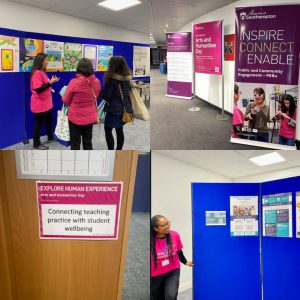
For the first time, BU researchers were invited to participate in the University of Southampton’s Arts and Humanities Day, which took place on Saturday 9 November in the city’s Cultural Quarter. The day offered a range of free interactive activities, workshops, talks, performances, and exhibits.
Attendees had the opportunity to engage with the Young LGBTQ+ stories exhibition, which attracted more than 90 viewers, while Dr Esther Anwuzia hosted a drop-in session on Connecting teaching with student wellbeing, making her own connections with more than 30 educators and members of the public.
Southampton Arts and Humanities Day
Thank you
A big thank you to everyone who joined us and contributed to this year’s ESRC Festival of Social Science. Your involvement helped make our events a meaningful celebration of the positive impact social science has on our communities.
Applying for the ESRC Festival – what you need to know
Event leads were chosen through a competitive internal application process, with selections determined by a panel of researchers and professional services staff. BU’s Public Engagement Team provided support to help bring their creative and engaging event ideas to life.
If you’re considering participating in a future ESRC Festival of Social Science, now is an ideal time to start preparing your proposal. Begin by exploring the 2024 festival open call to gain insight into what we look for in applications for 2025.
If you would like to start discussing your ideas, please get in touch with the public engagement with research team at publicengagement@bournemouth.ac.uk.
We’re thrilled to invite you to the first online seminar in the new ADRC series on Wednesday 4 December, 3pm-4pm. This session will feature Dr. Michele Board from Bournemouth University, presenting on the topic: Veterans and Dementia: A Collaborative Research Project.
The Ageing and Dementia Research Centre (ADRC) at Bournemouth University, with funding from Dementia Research UK, launched a 2023/4 project focused on ex-military veterans—a typically underserved group in dementia research. The project explores veterans’ experiences through collaborative creative workshops, culminating in a documentary-style short film that amplifies their voices and personal stories. During this seminar we will share our film, highlight implications for practice and discuss the next stages of our project.
The seminar is open to all Bournemouth University staff, students, community organisations, and anyone interested in the topic.
Please keep an eye out for upcoming seminars throughout the new year!
Key Details:
• Date: Wednesday 4 December 2024
• Time: 3pm -4pm
• Topic: Veterans and Dementia: A Collaborative Research Project
• Speaker: Dr. Michele Board, Associate Professor Nursing Older People and Co-Lead Ageing and Dementia Research Centre ADRC See you there!
Microsoft Teams Scan the QR code below or click on this link:
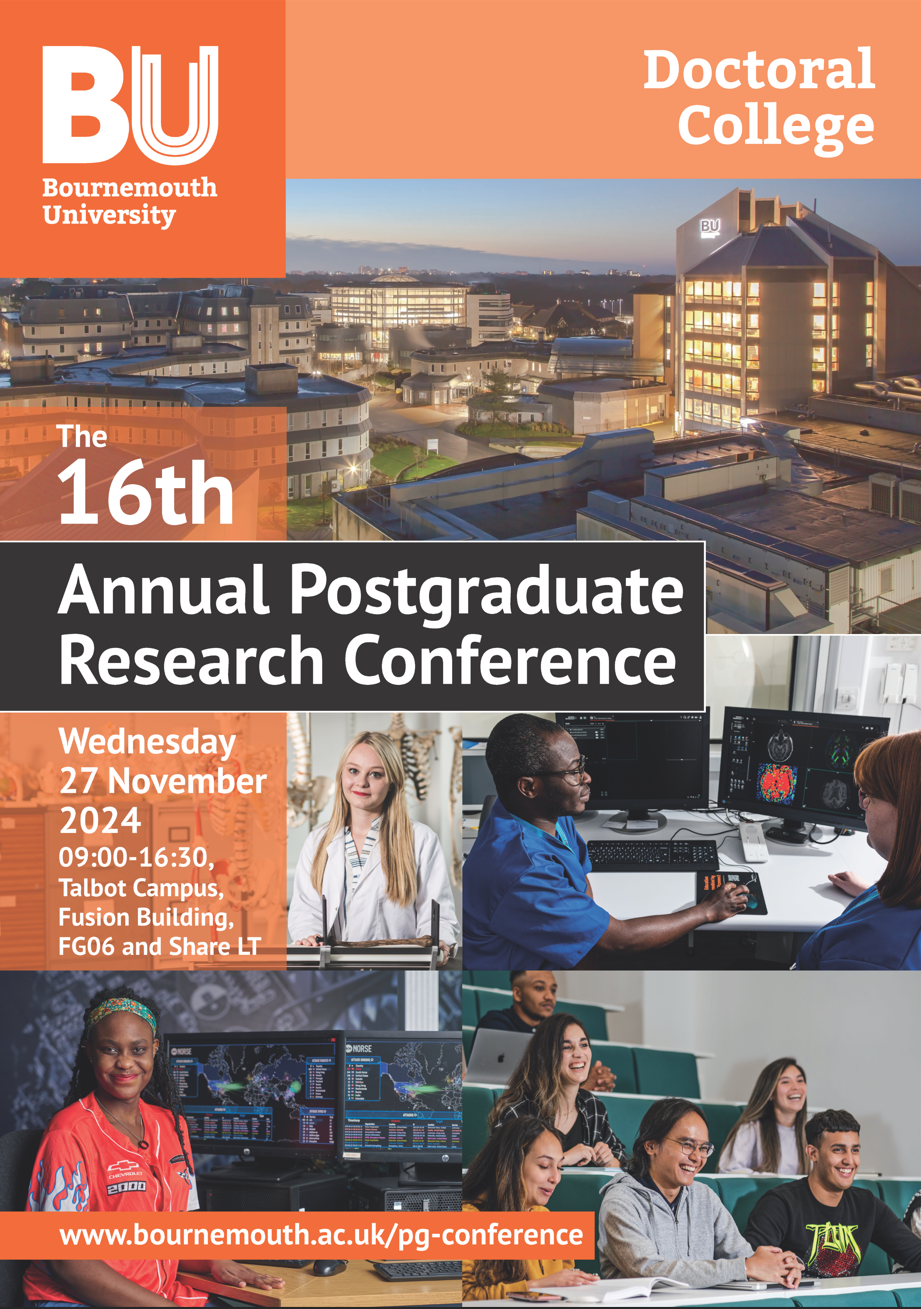
Last chance to register for the 16th Annual Postgraduate Research Conference 2024. We are so excited to welcome you on Wednesday 27 November!
This conference is a celebration of the incredible work being carried out by our postgraduate researchers, and we are proud to provide this platform for sharing knowledge, fostering collaboration and building connections. Whether you are presenting, exhibiting, or attending, this is a wonderful opportunity to network with fellow PGRs, colleagues from across the university and external visitors.
Registrations close at 10:00 Tuesday 26 November, so don’t miss your chance to book! Lunch will be provided.
This conference is open to external participants, please share this invite with companies and organisations you are cooperating with.
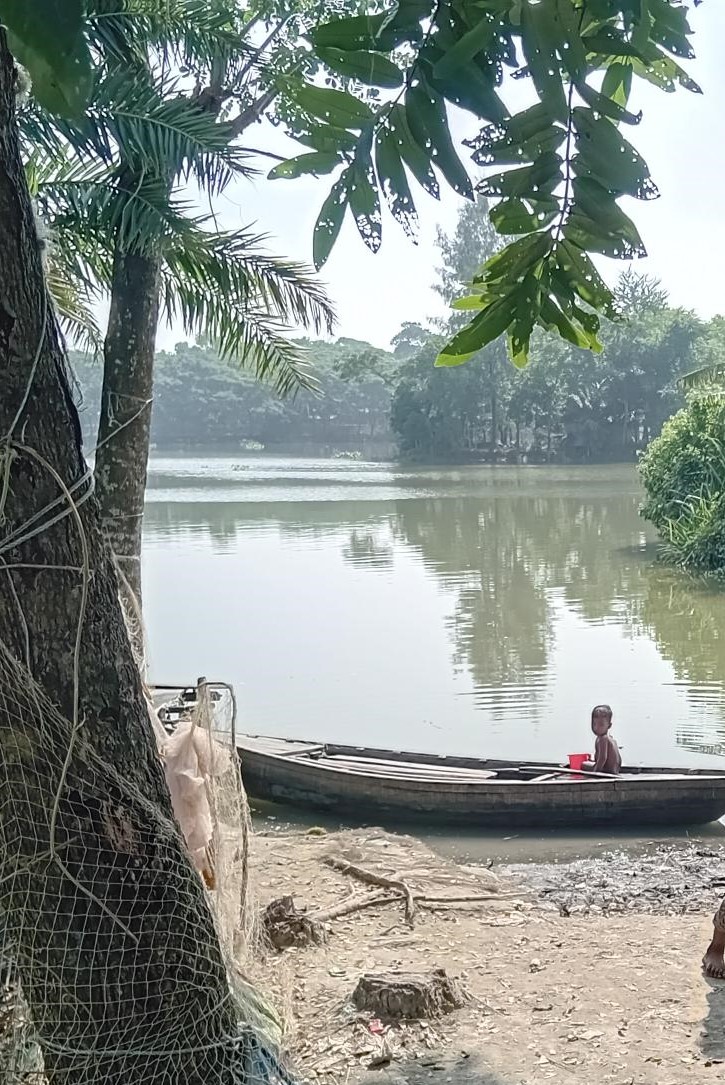
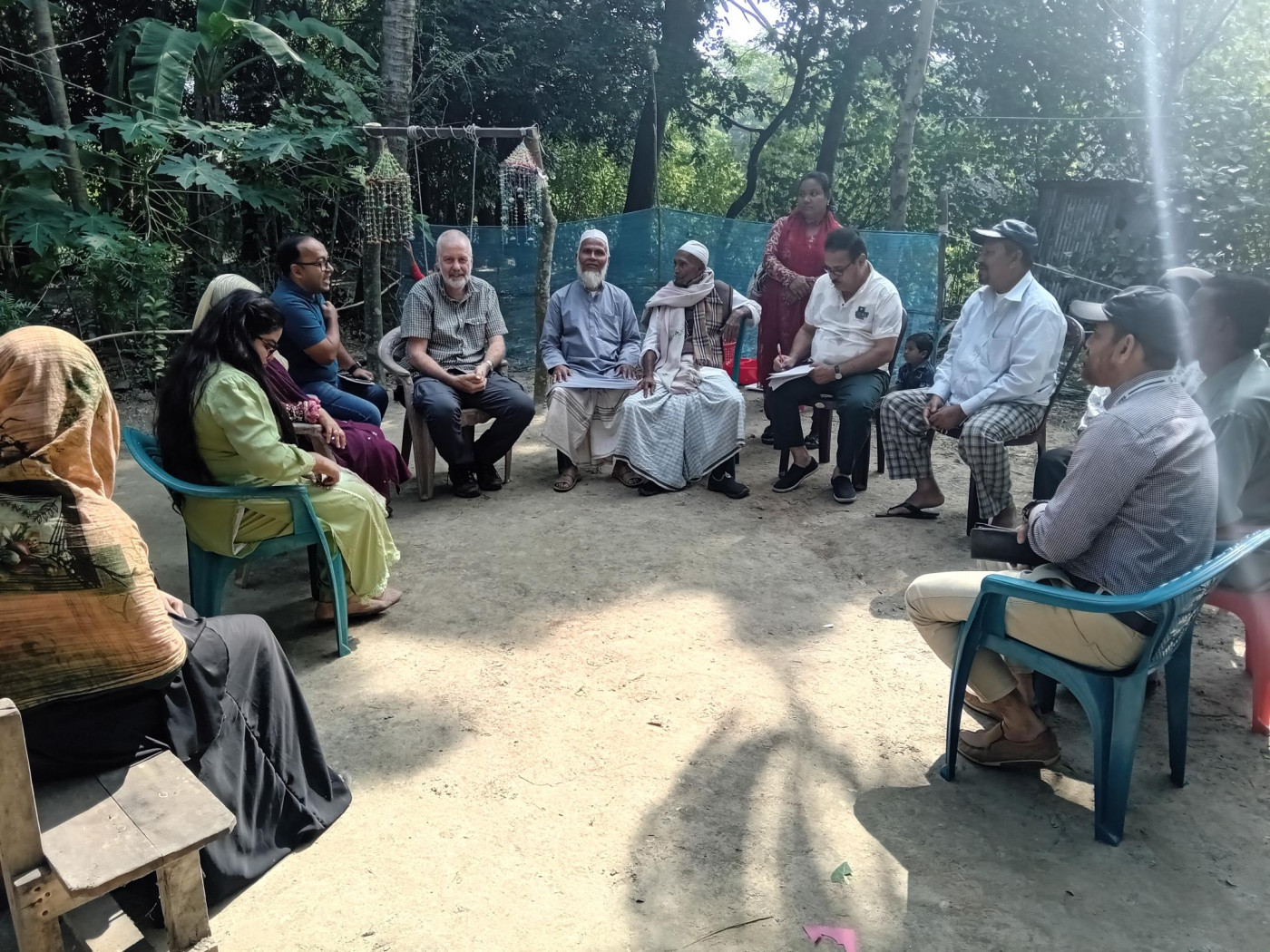
This week I had the pleasure of visiting one of the two major research sites of our Sonamoni project. Sonamoni is jointly coordinated by Bournemouth University in collaboration with the Centre for Injury Prevention and Research, Bangladesh (CIPRB), the University of the West of England, Bristol, the University of Southampton, Design Without Borders (DWB) in Uganda, and the Royal National Lifeboat Institution (RNLI). We are working to reduce drownings among newly-mobile children, generally those under two years old. This £1.6m project has been made possible thanks to a grant from the National Institute for Health and Care Research (NIHR) through their Research and Innovation for Global Health Transformation programme. Yesterday CIPRB staff Prof. Dr. Aminur Rahman and Mr. Notan Chandra Dutta took me to the field site in Kalapari in rural Bangladesh.
This was my first ever visit to Bangladesh despite earlier attempts to go out there two and three decades ago. This visit included an outdoor meeting with a Village Injury Prevention Committee (VIPC) with whom CIPRB has been working for years in harmony.
The Bournemouth University team comprises staff from three faculties: Dr. Mavis Bengtsson, Dr. Kyungjoo Cha, Dr. Mehdi Chowdhury, Dr. Yong Hun Lim, Mr. John Powell, and Prof. Edwin van Teijlingen, and Ph.D. student Mr. Md. Shafkat Hossain. For more information about our ongoing research in Bangladesh, please visit the NIHR website.
The ESRC invites applications for postdoctoral fellowships (PDF) to be based at the SWDTP institutions of University of Bath, University of Bristol, University of Exeter, Plymouth University, University of West of England, Bath Spa University, Bournemouth University and Plymouth Marjon University.
Fellowships are aimed at providing a development opportunity for social science researchers in the immediate postdoctoral stage of their career, to consolidate their PhD through developing publications, their networks, and their research and professional skills.
At Bournemouth University, we run a dual stage application process. Candidates must be aligned to one of the pathways to which BU belong. For BU, this means that we would be able to support applicants in one of three pathways:
In the first instance we ask potential candidates to complete an Expression of Interest (EOI) and an Equal Opportunities form. The deadline for submitting the EOI & Equal Opportunities forms is January 31 2025. Both forms are available from the pathway leads.
Prior to submission of your EOI it is a good idea to have identified a mentor who will support you to develop your application. If you are uncertain on how to identify a mentor, then please contact one of the pathway leads listed above.
Following review of all EOI received, we will nominate successful applicants and support the development of a full application to the ESRC (via the SWDTP). The full application is due on 25 May, 2025. Only nominated applicants are able to complete this second stage.
For further information, please take a look at the SWDTP web pages dedicated to the postdoctoral fellowships award. Note that this includes important Eligibility criteria.
Please also note that you can register for an online information event hosted by the SWDTP. This takes place at 2-3 pm on Wednesday 20 November 2024. Register here. (A recording will be available from 25 November).
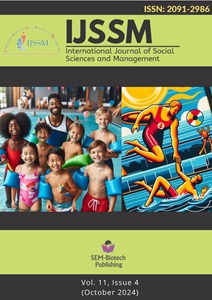
This week the editor of the International Journal of Social Sciences and Managementemailed that the paper ‘Drowning Prevention should be a Public Health Issue in Nepal‘ [1] had been published. This is the first paper for our Ph.D. student Md. Shafkat Hossain. Shafkat co-authored this paper drowning prevention experts in Nepal, Dr. Bhagabati Sedain and Dr. Puspa Rai Pant and Prof. Aminur Rahman based at CIPRB (the Centre for Injury Prevention and Research, Bangladesh).
Shafkat’s thesis is part of the interdisciplinary Sonamoni project on drowning prevention in toddlers under the age of two in Bangladesh. This newly published paper takes lessons learnt from Bangladesh and offers them as ideas to be considered in Nepal. Nepal is prone to a range of natural disasters; earthquakes being the most widely recognised one. However, many people are at risk of drowning as the serious flooding in the autumn of 2024 showed, but this is not recognised as a serious public health risk in Nepal. Drowning relates to people’s everyday activities such as crossing rivers, bathing and swimming and should be treated as a social and public health problem.
The Sonamoni project is being coordinated by Bournemouth University in collaboration with the University of the West of England, Bristol, the University of Southampton, the Royal National Lifeboat Institution (RNLI), CIPRB in Bangladesh and Design Without Borders in Uganda. It funded by the National Institute for Health and Care Research (NIHR) through its Research and Innovation for Global Health Transformation programme. For more information, visit the NIHR website.
As we are reaching the end of Open Access Week is worth highlighting that this paper is fully Open Access, and hence freely available in both Nepal and Bangladesh!
The Innovation Funding Panel is pleased to announce the 2024-2025 Open Call for Applications.
Higher Education Innovation Funding (HEIF) is now available for innovation knowledge exchange projects, please find details below of the call, eligibility and how to make an application.
Research England provide universities with HEIF funding. This is for knowledge exchange to enable them to develop a broad range of knowledge-based interactions: working with business, public and third sector organisations, community bodies and/or the wider public, to exchange knowledge and increase the economic and societal benefit/impact from their research. The Panel invites applications from:
significant projects that are underway and require a further funding to expand on current work to increase current impact;
existing knowledge exchange projects that are completed but can develop in a way which was not part of their initial project outcomes/impact with follow-on funding to develop to the next level or to explore areas/opportunities which arose from the original project outcomes;
projects with ambition that require seed funding, capacity building, proof-of-concept or launchpad
Further Information and Guidance
Please make sure that you read and follow the information and guidance in the document (link below)
To apply, please read the guidance and complete the application form. The completed form must be submitted through the online application form below by 5pm on Friday 22nd November 2024. Please note, late applications will not be accepted and the online form portal will close at 5.00 pm GMT.
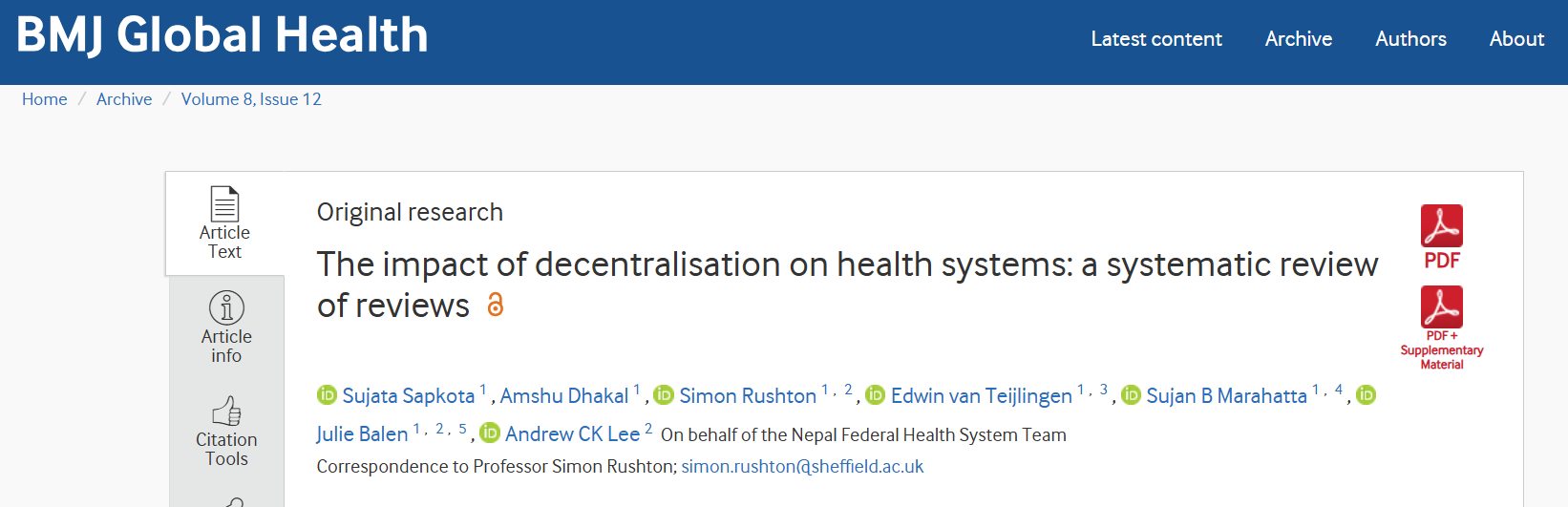
Yesterday ResearchGate informed us that our paper ‘The impact of decentralisation on health systems: a systematic review of reviews‘ [1] had reached 400 reads. This paper, published in BMJ Global Health, is one of six papers published from our interdisciplinary research project ‘The impact of federalisation on Nepal’s health system: a longitudinal analysis’, the other five include a methods paper and a public health paper [2-6].
This study was funded by the UK Health Systems Research Initiative [Grant ref. MR/T023554/1]. In this larger Nepal Federal Health System Project we study the consequences for the health system of Nepal’s move from a centralised political system to a more federal government structure in 2015. This joint project was led by the University of Sheffield in collaboration with Bournemouth University, the University of Huddersfield, Canter Bury Christ Church University and two institutions in Nepal, namely MMIHS (Manmohan Memorial Institute of Health Sciences) and PHASE Nepal.
Appropriately on Open Access Week, all six papers are Open Access, i.e. freely available to everyone with internet access in Nepal (and elsewhere in the world).
Sapkota, S., Rushton, S., van Teijlingen, E., Subedi, M., Balen, J., Gautam, S., Adhikary, P., Simkhada, P., Wasti, S.P., Karki, J.K., Panday, S., Karki, A., Rijal, B., Joshi, S., Basnet, S., Marahatta, S.B. (2024) Participatory policy analysis in health policy and systems research: reflections from a study in Nepal. Health Research & Policy Systems, 22 (No.7) https://doi.org/10.1186/s12961-023-01092-5 .
Wasti, S.P., van Teijlingen, E., Rushton, S., et al. (2023) Overcoming the Challenges Facing Nepal’s Health System During Federalisation: An Analysis of Health System Building Blocks, Health Research Policy & Systems21(117) https://doi.org/10.1186/s12961-023-01033-2
Sapkota, S., Panday, S., Wasti, S.P., et al. (2022) Health System Strengthening: The Role of Public Health in Federal Nepal, Journal of the Nepal Public Health Association 7(1):36-42.
Adhikary, P., Balen, J., Gautam, S., et al. (2020) The COVID-19 pandemic in Nepal: Emerging evidence on the effectiveness of action by, and cooperation between, different levels of government in a federal system, Journal of Karnali Academy of Health Sciences 3 (3): 1-11.
Rushton, S., Pandey, S., van Teijlingen, E., et al. (2021) An Investigation into the Impact of Decentralization on the Health System of Nepal. Journal of Manmohan Memorial Institute of Health Sciences, 7(1): 3–14. https://doi.org/10.3126/jmmihs.v7i1.43146
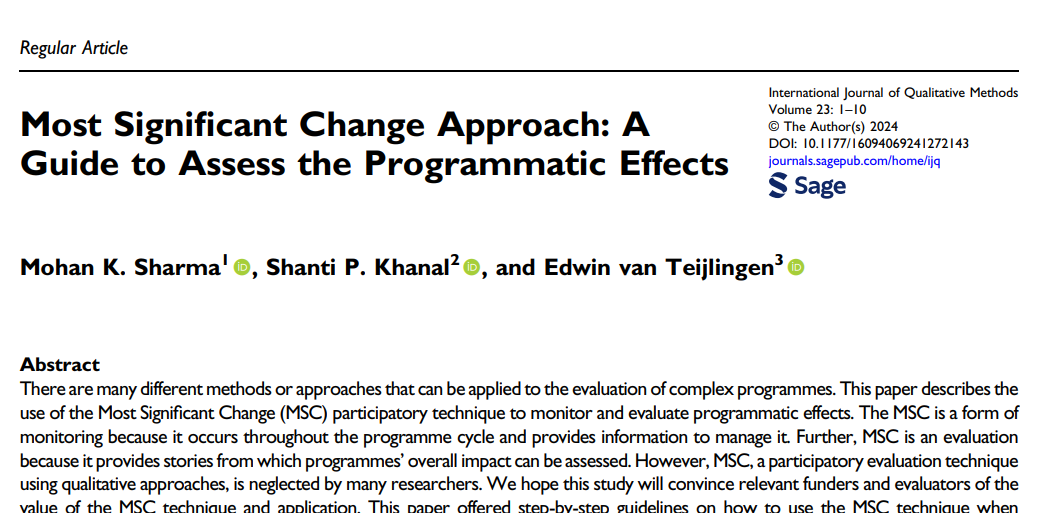
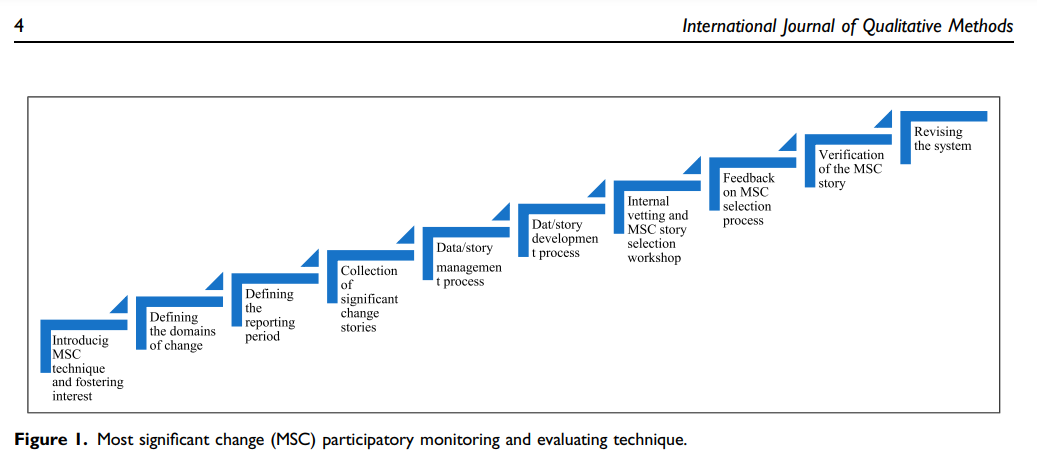
There are several different methods or approaches to help researchers when evaluating of complex public health interventions or programmes. Our recent paper ‘Most Significant Change Approach: A Guide to Assess the Programmatic Effects’ [1] describes the Most Significant Change (MSC) participatory technique to monitor and evaluate programmatic effects. The MSC is a form of monitoring because it occurs throughout the programme’s lifecycle and provides information to manage it. Unfortunately, MSC as a participatory evaluation technique using qualitative methods is not widely used nor known.
We hope to convince relevant funders and evaluators of the value of the MSC technique and application. Our paper offers step-by-step guidelines on how to use the MSC technique when evaluating a large-scale intervention covering perspectives of different beneficiaries within a limited period. The MSC process involves purposively selecting the beneficiaries, collecting the Most Significant (MS) stories, which are then systematically analysed by designated stakeholders and or implemented partners, selected through internal vetting, and external process by involving beneficiaries and stakeholders.
The central question focuses on changes in the form of stories such as ‘Who did what?’; ‘When did the change occur?’; and ‘What was the process?’ Additionally, it seeks feedback to explain why particular a story was selected as MS and how the selection process was organised. The MSC technique further attempts to verify the validity, significant, relevant, sustainability of the change, and impact on marginalized or Gender Equality and Social Inclusion (GESI) groups brought by the programme. Furthermore, the technique seeks verification of the MS story by triangulating comprehensive notes and recordings.
Prof. Edwin van Teijlingen
Centre for Midwifery & Women’s Health
Reference:
Sharma, M. K., Khanal, S. P., & van Teijlingen, E. (2024). Most Significant Change Approach: A Guide to Assess the Programmatic Effects. International Journal of Qualitative Methods, 23. https://doi.org/10.1177/16094069241272143
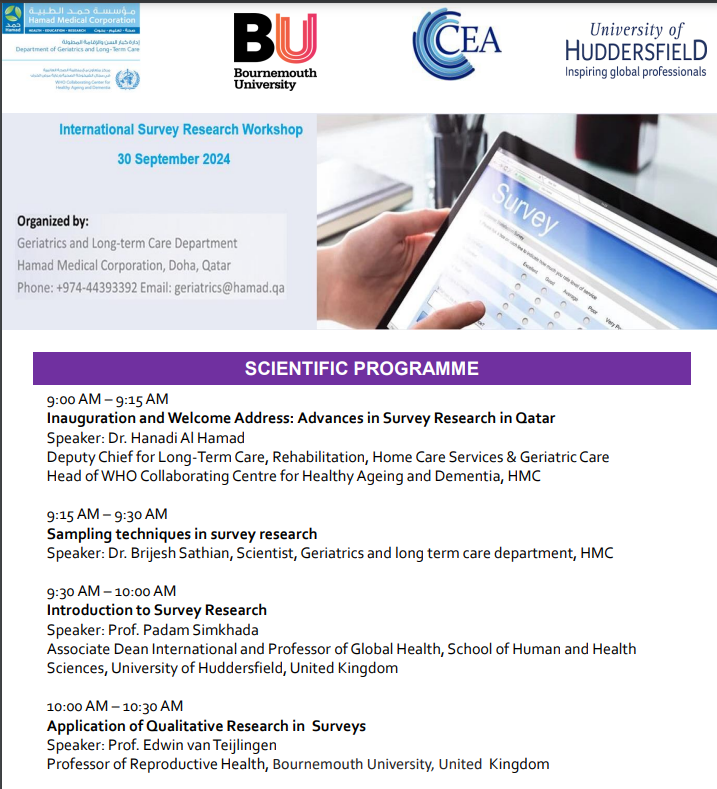
Bournemouth University’s collaboration in the field of ageing research in Qatar is going from strength to strength. BU staff have been working with academics and clinicians at Hamad Medical Corporation’s (HMC) Department of Geriatrics and Long-Term Care. HMC has been appointed as a WHO (World Health Organization) Collaborating Centre for Healthy Ageing and Dementia, under auspices of Ministry of Publich Health in Qatar. Hamad Medical Corporation is not-for profit organisation. Tomorrow morning (7.00 AM UK time) FHSS will be contributing to an International Survey Research Workshop, together with BU’s Faculty of Health & Social Sciences Visiting Faculty Dr. Brijesh Sathian (based at HMC), and Prof. Padam Simhada, based at the University of Huddersfield.
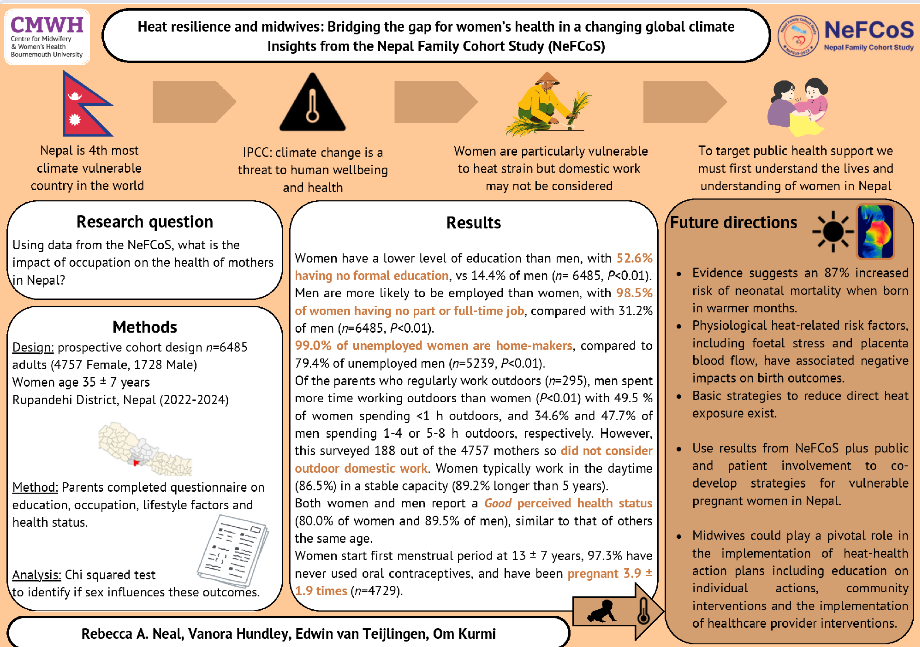
Dr. Rebecca Neal in the Centre for Midwifery & Women’s Health (CMWH) who has a poster accepted for presentation at the prestigious GLOW conference later this month. This poster ‘Heat resilience and midwives: Bridging the gap for women’s health in a changing global climate. The 2024 GLOW conference, supported by the Medical Research Council, will focus on the effects of the ongoing global crises of climate change, infectious diseases, mental health, and conflict and migration on women’s and newborn health.
Insights from the Nepal Family Cohort Study (NeFCoS). NeFCoS is a multidisciplinary, longitudinal family cohort study designed to be one of its kind, informative research conducted in various geographical areas of Nepal. NeFCoS, led by Dr. Om Kurmi at the University of Coventry is part large-scale epidemiological study supported by BU and several other universities in the UK and elsewhere.
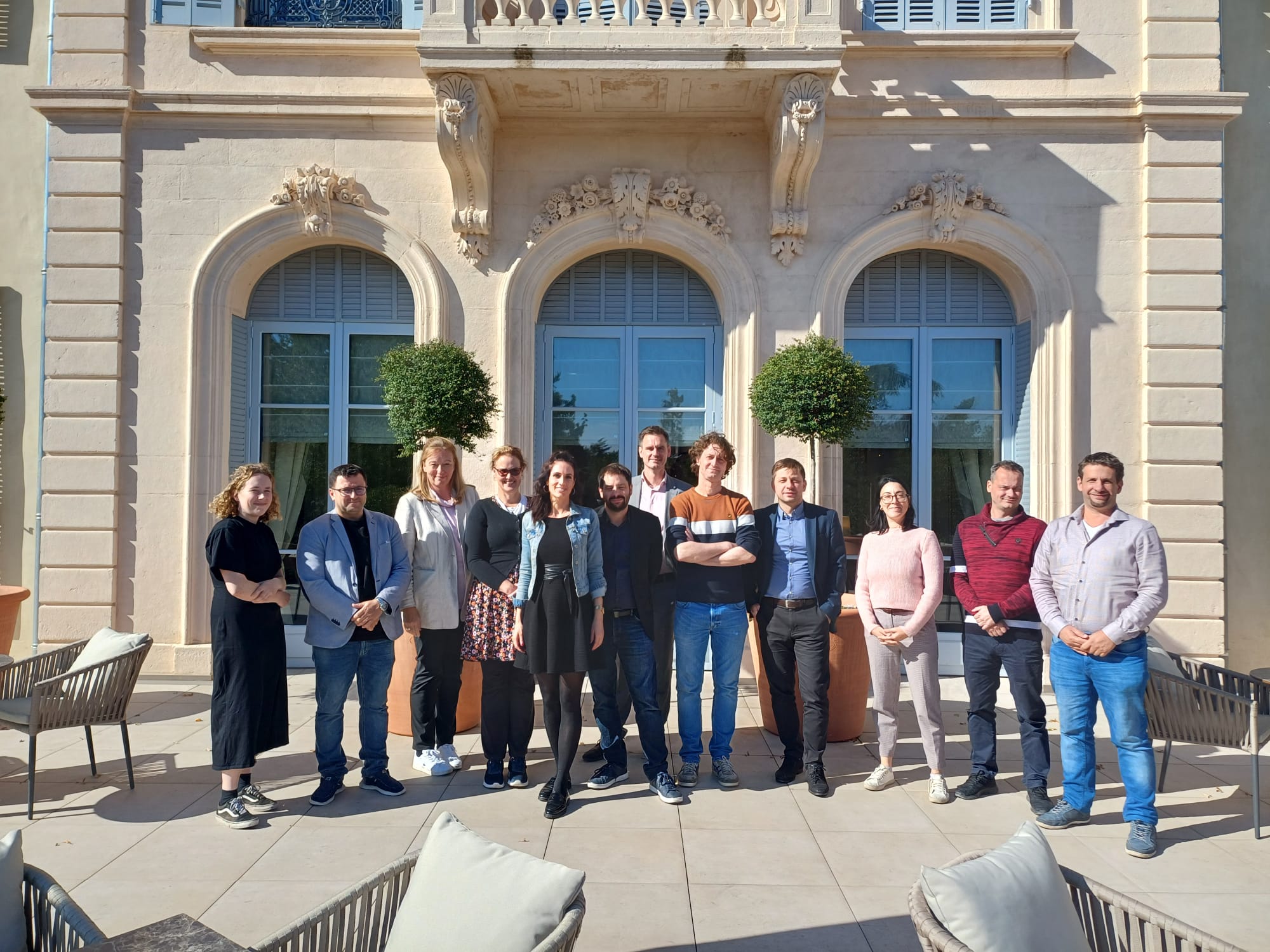
On 16-17 September 2024, FoodMapp members met for the project mid-term meeting at the Institut Lyfe, Château du Vivier, Ecully, France. From Bournemouth University, Prof. Jeff Bray, Prof. Juliet Memery, Prof. Katherine Appleton, and Dr. Roberta Discetti attended the meeting.
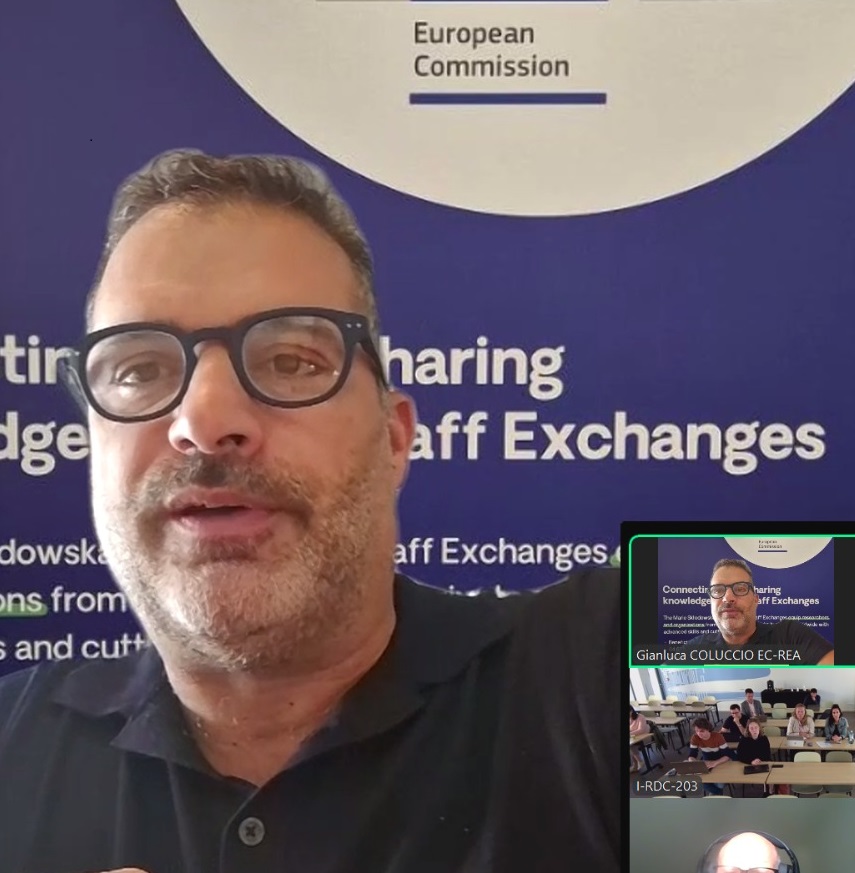
The Marie-Curie Staff Exchanges project representative at the European Commission, Dr Gianluca Colucci, attended the meeting online. Dr Colucci chaired the afternoon session, where project secondees had the opportunity to share their secondment experiences. All participants highlighted the positive impact Foodmapp secondments had on their personal and professional lives.
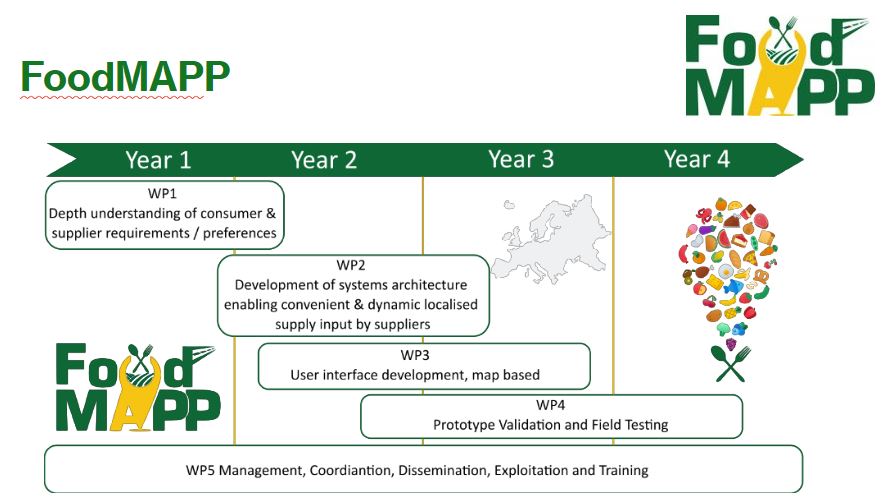
Foodmapp is currently in its month 19th, at 40% of completion, with further 29 months to go (60%). Project members have conducted 37 research secondments so far, equalling over 30% of the total of intersectoral and interdisciplinary exchanges among project partners. The project has already produced 8 research outputs between research papers and conference presentations.
Work Package 1 on stakeholder requirements and consumer preferences for the development of the application has been completed. Activites on Work Package 2 (Information Engineering and Architecture Design) and Work package 3 (User Interface Development) are underway.
FoodMAPP is a European research project that will enable consumers to find and buy local food supplies, reducing waste and supporting sustainable purchases. It will develop a searchable map-based platform that will enable consumers to search and buy food products directly from local suppliers.
The four-year project has been awarded €584,200 from Horizon Europe Marie Skłodowska-Curie Actions, alongside additional funding from UKRI to support BU’s continued inclusion.
BU staff can login below:
Other services
Don’t miss a post!
Subscribe for the BU Research Digest, delivered freshly every day.




 Guided by BU computer science researcher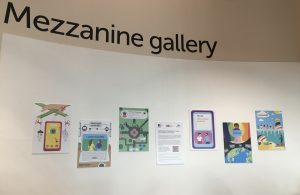




 The ESRC invites applications for postdoctoral fellowships (PDF) to be based at the SWDTP institutions of University of Bath, University of Bristol, University of Exeter, Plymouth University, University of West of England, Bath Spa University, Bournemouth University and Plymouth Marjon University.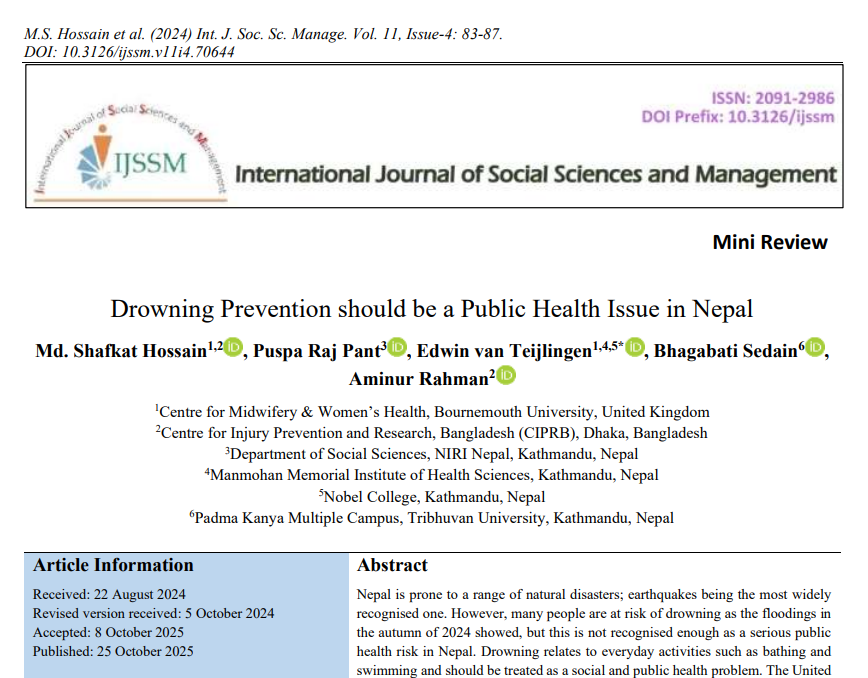







 New HIV paper by BU PhD student
 BU Annual Research Conference: Poster Exhibition Call for Applications
 Vitae Three Minute Thesis (3MT®) Competition: Applications Now Open
 3C Online Social: Thursday 26 March 1–2pm – Research Culture, Community & Can you Guess Who?
 Four BU students at national midwifery conference
 ECR Funding Open Call: Research Culture & Community Grant – Apply now
 ECR Funding Open Call: Research Culture & Community Grant – Application Deadline Friday 12 December
 MSCA Postdoctoral Fellowships 2025 Call
 ERC Advanced Grant 2025 Webinar
 Update on UKRO services
 European research project exploring use of ‘virtual twins’ to better manage metabolic associated fatty liver disease