Tagged / BU research

Surrogate mother producing faulty goods: commodification of childbirth

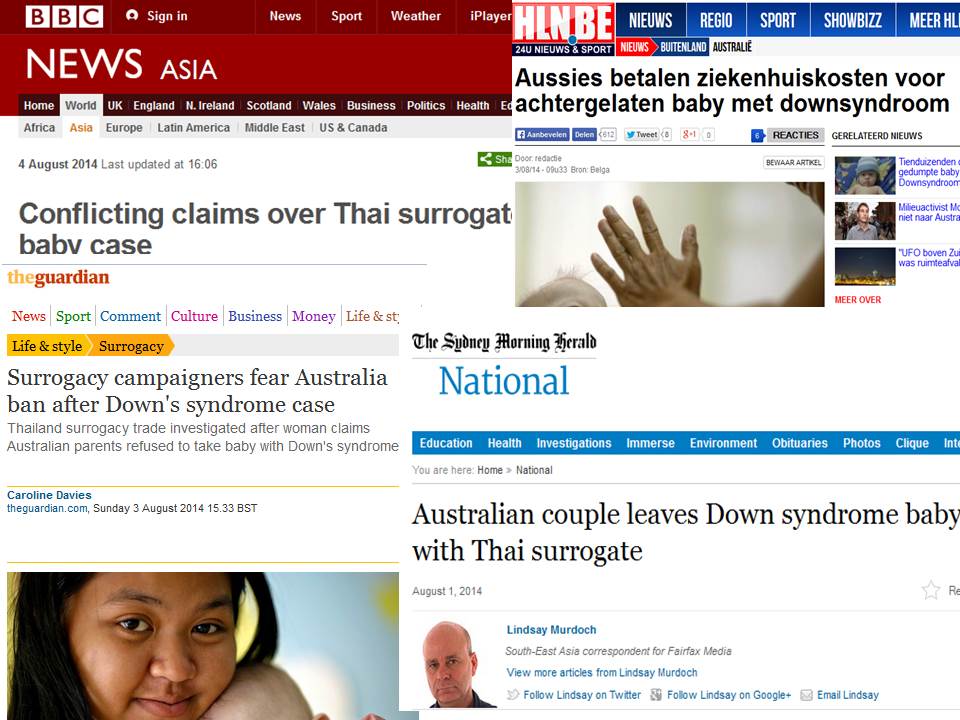
Over the weekend an interesting story appeared on the BBC news and in the Sunday papers.  The story goes that an Australian couple left a Thai surrogate mother with a baby who is genetically their child.  The reason for this abandonment is that the baby is not perfect.  If that is not bad enough the couple has taken the healthy twin sister of this baby back home to Australia.  Some newspapers reported that the Australian parents knew that the baby had Down’s syndrome from the fourth month of gestation onwards, but that they did not ask until the seventh month  – through the surrogacy agency – for selective abortion of the affected fetus.    The surrogate mother, Pattaramon Chanbua, says that the couple were told: (a) that she was carrying twins and (b) that one of the twins had Down’s syndrome as well as heart problems. The surrogate mother refused the intervention on the grounds of her Buddhist beliefs.

Surrogacy is often a commercial transaction e.g. in the USA, although such a ‘business contract’ is not legal in the UK (Ireland 2011) and some parts of Australia as widely reported in the media.  However, in this case the Australian couple had paid Pattaramon Chanbua (a mother of two) to grow and carry the baby for them. She told the BBC that she had engaged in the surrogacy deal to get money to pay for the education of her other children.

This case epitomises several aspects of life that are of interest to sociology: (a) the commodification and commercialization of life (and health); (b) inequality and exploitation; and (c) globalisation.  Commodification refers to the process by which something that was not originally bought and sold becomes a good or service, i.e. a commodity that is for sale.  As we become more modern and with economic progress/the rise of capitalism, more and more parts of our lives become commodified.  Modernisation changes society and its social institutions and organisations. Economic development is based on industrialisation, but is also strongly linked to urbanisation, mass education, occupational specialisation and communication development, which in turn are linked with still broader cultural and social changes (Inglehart 1997).

The second key issue sociologists are interested in is inequality and the link between poverty and poor health.  In a global perspective where we, people in high-income countries, or so-called developed countries exploit people in low-income countries (or Third World, developing countries or under-developed countries).

Thirdly, globalisation refers to the world becoming a smaller place, both in terms of physical travel as well as the way we perceive it (Simkhada & van Teijlingen 2009).  It takes us less time to travel to London, Paris, Kathmandu than it took our parents’ or grandparents’ generation, and at the same time the information about a disaster or a  human tragedy story such as this one in Thailand reaches us more or less instantaneously.  At the same time, modernisation and globalisation, particularly in many low-income societies, are contributing to rapid socio-cultural changes.

Surrogacy as commodification

Surrogacy is the commodification of a couple having a baby themselves.  Other social solutions from the past to the problem of not being able to conceive include: (a) having more than one wife, a solution for men in a patriarchal society; (b) for women sleeping with their husband’s brother, to increase the likelihood that the baby ‘looks like’ the husband; and (c) adopting someone else’s child.

We must remember that aspects of maternity care have always been commodified.  Rich British families in the nineteenth century would have been paying a wet nurse to breastfeed their babies and a nanny to look after their children whilst instant formula baby milk bought from a shop has been replacing breastmilk supplied by the baby’s mother for nearly a century.

We don’t think surrogacy is the interesting issue here, we should ask ourselves the more basic question ‘What makes us think that every birth and every baby is going to be perfect or even okay?’

One explanation is, of course, that we have seen a rapid decline in the number and the proportion of babies dying in high-income countries such as the UK over the past century and a half.  Women having better nutrition, fewer children, having one’s first child later (but not too much later), better sanitation, and improved obstetric care have all contributed to making childbirth safer now for both mother and baby than ever before in the history of humanity.   However, these changes have also affected our ways of thinking about childbirth (Mackenzie Bryers & van Teijlingen 2010).

Social scientists recognise a social model and a medical model of childbirth (van Teijlingen 2005; van Teijlingen & Ireland 2013).  The former sees childbirth as a physiological event in women’s lives.  Pregnant women need psycho-social support, but not necessarily high-technology interventions by doctors.    The medical model stresses that childbirth can be pathological, i.e. every pregnant woman is potentially at risk.  The medical model argues that every birth needs to be in hospital with high-technology screening equipment supervised by expert obstetricians.  In other words, pregnancy and childbirth are only safe in retrospect.  In terms of social changes, we have moved from a more social model to a more medical model in a society which is more risk averse.


Edwin van Teijlingen1 & Jillian Ireland2

  1. Professor of Reproductive Health Research, Centre for Midwifery, Maternal & Perinatal Health, Bournemouth University.
  2. Visiting Faculty, Centre for Midwifery, Maternal & Perinatal Health, Bournemouth University; Midwife & Supervisor of Midwives, RCM learning Rep. Poole NHS Hospitals Trust.


References:

Inglehart R. (1997). Modernisation and post modernisation: Cultural, economic, and political change in 43 societies. New Jersey: Princeton University Press.

Ireland, J. (2011) Reflections on surrogacy-using the Taylor model to understand and manage the emotions in clinical practice, Essentially Midirs, 2(9): 17-21.

Ireland, J., van Teijlingen, E. (2013) Normal birth: social-medical model, The Practising Midwife 16(11): 17-20.

MacKenzie Bryers, H., van Teijlingen, E. (2010) Risk, Theory, Social & Medical Models: a critical analysis of the concept of risk in maternity care, Midwifery 26(5): 488-496.

Simkhada, P.P., van Teijlingen, E. (2009) Health: a global perspective, In: Alder, B. et al. (Eds.) Psychology & Sociology Applied to Medicine (3rd edn.), Edinburgh: Elsevier: 158-159.

Teijlingen van, E. (2005) A critical analysis of the medical model as used in the study of pregnancy and childbirth, Sociological Research Online, 10(2) Web address: http://www.socresonline.org.uk/10/2/teijlingen.html


South Asian midwifery at ICM 2014

Photo from UNFPA Lao PDR

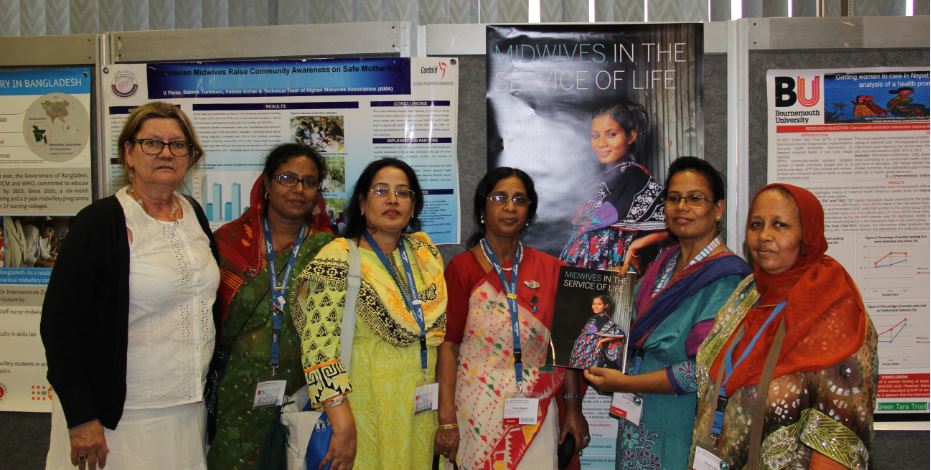
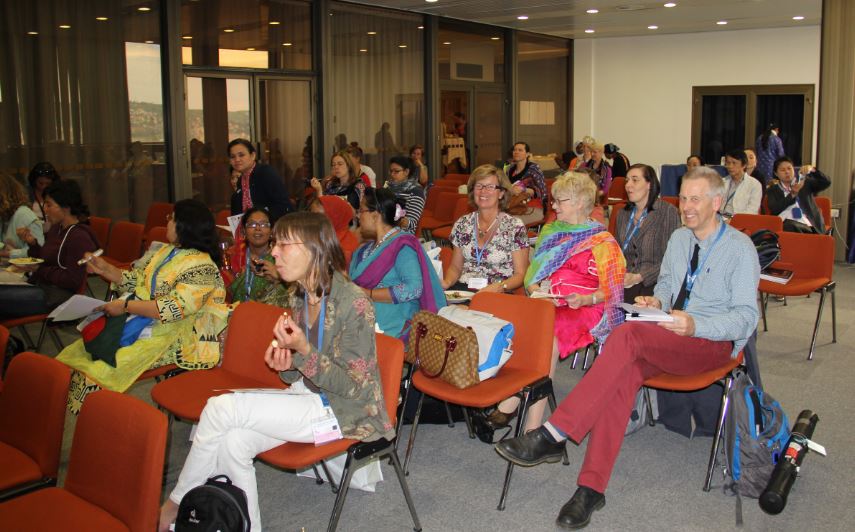
In early June I published a short overview of Bournemouth University’s contribution to the ICM (International Congress of Midwives) conference in Prague (Czech Republic) (see: http://blogs.bournemouth.ac.uk/research/2014/06/05/cmmph-strong-presence-at-icm-conference/ ).  In addition we highlighted the Nepal contribution in a separate BU Research Blog (http://blogs.bournemouth.ac.uk/research/2014/06/03/46-sharma-s-sicuri-e-belizan-jm-van-teijlingen-e-simkhada-p-stephens-j-hundley-v-angell-c-getting-women-to-care-in-nepal-a-difference-in-difference-analysis-of-a-health-prom/ ).   Today a belated update of our presence at the Special Session on South Asian Midwifery at the ICM conference last month, as I just received photos from our friends at UNFPA Lao PDR.

South Asia posters at ICM conference (photo: UNFPA Lao PDR)

One of the speakers at the South Asian Midwifery session was our friend Kiran Bajracharya, president of the Midwifery Society of Nepal (MIDSON).  Several of our posters describing our work in Nepal were on display.  Bournemouth University friends were involved in the organisation of the event, such as Swedish midwife Malin Bogren and the editor of the newly launched midwifery journal Journal of Asian Midwifery, Dr. Rafat Jan. The session was concluded by another BU collaborator Petra the Hoope-Bender of Integrare.

Professor Edwin van Teijlingen

CMMPH

Today’s slides from ROMEO project


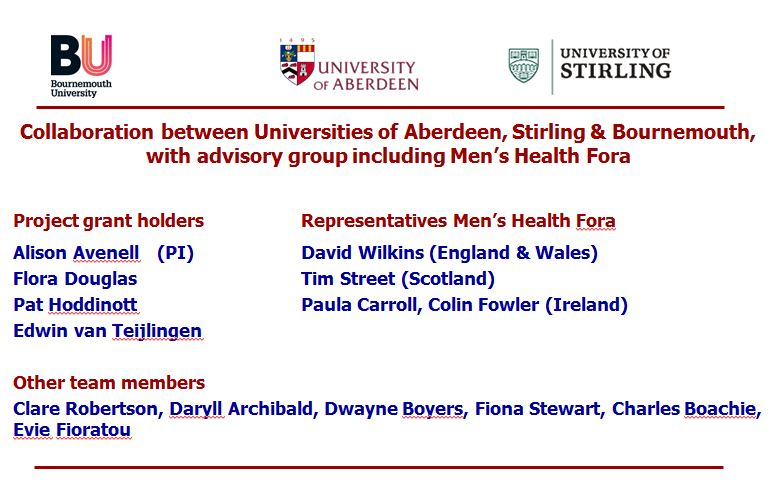
Thank you very much for all of you who attended today’s presentation of the joint project between the University of Aberdeen, Bournemouth University and the University of Stirling.  For those who missed the session or who asked for a copy of the slides after the session, please find these included in the BU Research Blog.

ROMEO Edwin June 2014

The project was funded by National Institute for Health Research Health Technology Assessment (NIHR HTA) programme (09/127/01).  Therefore, I must point out that “views and opinions expressed therein (and here) are those of the authors and do not necessarily reflect those of the HTA programme, NIHR, NHS or the Department of Health.”


As with all HTA reports the final report and a ten-page summary are both freely available online, see:

www.journalslibrary.nihr.ac.uk/__data/assets/pdf_file/0019/118180/FullReport-hta18350.pdf


Prof. Edwin van Teijlingen

Centre for Midwifery, Maternal and Perinatal Health.

R

‘Intelligences’ theme of PR conference

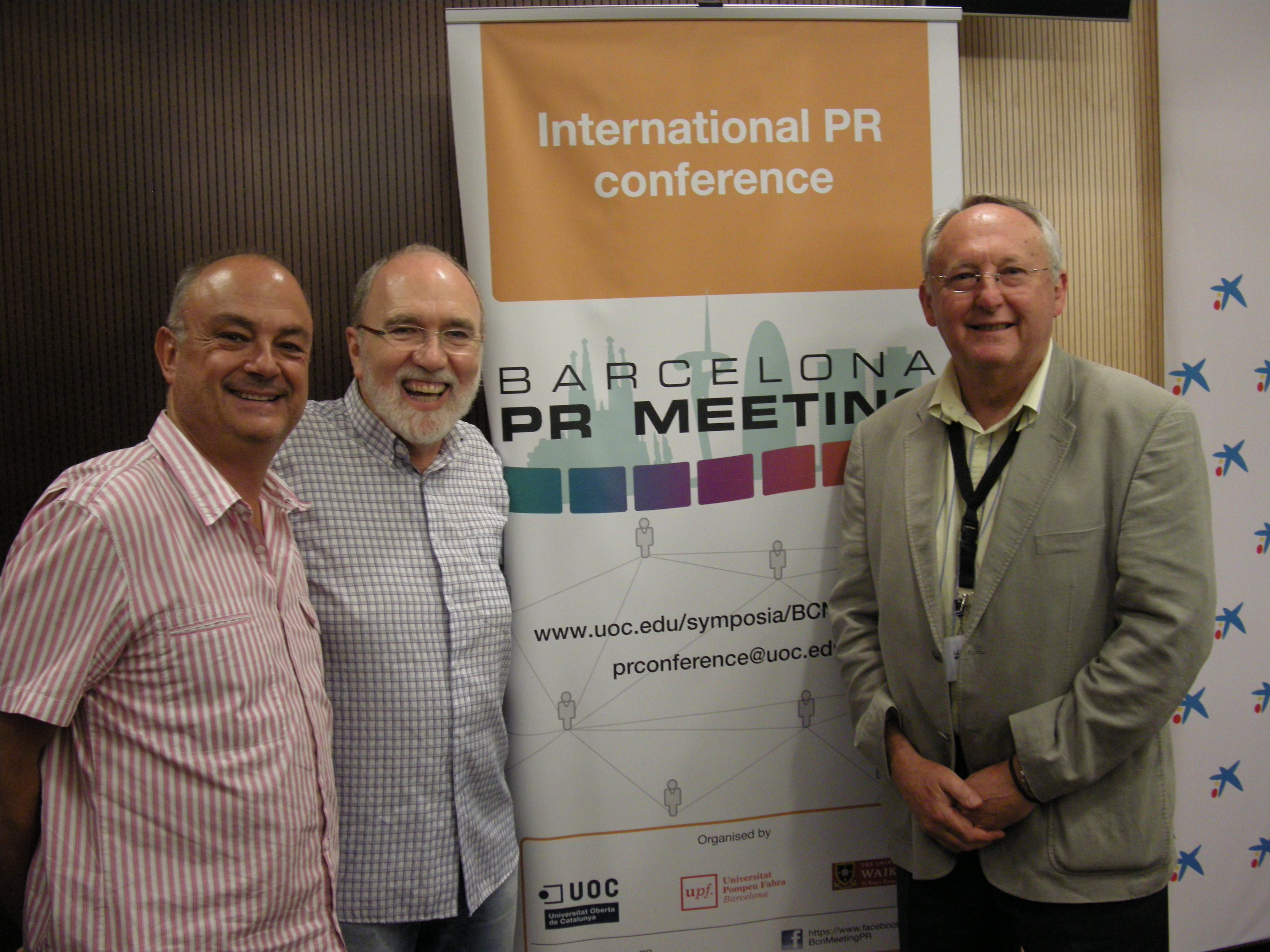
Dr David MacQueen and Prof Tom Watson of The Media School both chaired panels and presented papers at the PR Meeting #4 conference in Barcelona last week.

The conference, which features research on critical approaches to public relations and strategic communication, had a focus on ‘intelligences’ this year.

Dr McQueen chaired a session which included fellow speakers from the the US, Spain and New Zealand. His paper, jointly authored with Graeme Baxter of Robert Gordon University, considered community resistance to corporate power in Scotland and Ireland.

Prof Watson presented a critical review of repetitive research issues in PR, in a session which also included speakers from Australia and Sweden. On the final afternoon of the conference he was a panel speaker on academic writing and publishing.

“This conference is a top event as it has broad international participation and always pushes into new research territory,” said Prof Watson. “This year, it was built around Howard Gardners’s work on intelligences, which brought forward aspects such as competitive, professional, spiritual, digital, emotional, dialogic, wicked and feminist intelligences.”

(L-R) PR Meeting # organisers Prof Jordi Xifra (Pompeu Fabra) and Prof David McKie (Wakato) with Prof Tom Watson

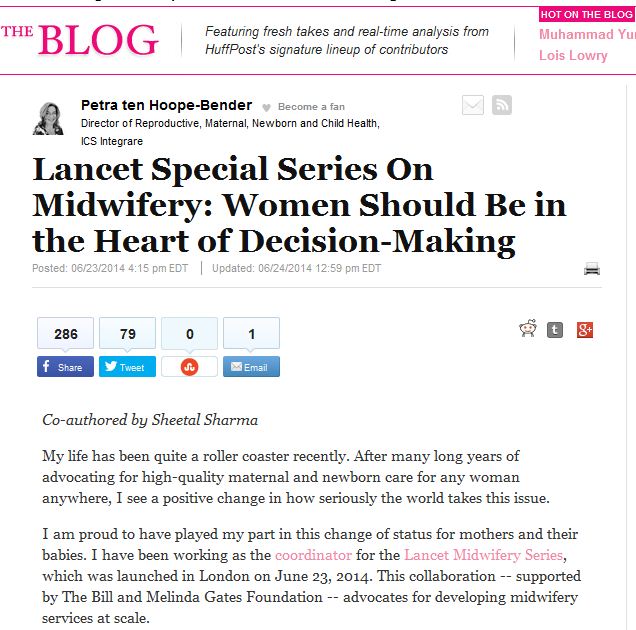
Congratulations to Sheetal Sharma (HSC)

Congratulations to HSC PhD student Ph.D. Sheetal Sharma who was co-author on a blog today on the recently published Lancet series on Midwifery.  The blog is illustrated with some of Sheetal’s beautiful photos from her Ph.D. research fieldwork in Nepal.


Prof. Edwin van Teijlingen

Centre for Midwifery, Maternal & Perinatal Health

Bournemouth University


Obesity prevention in men, findings from a recent HTA Report

Media coverage HTA Report June 2014

HSC Open Seminar


“Obesity Prevention in Men” with Professor Edwin van Teijlingen

Wednesday 2nd July 2014


13.00 – 13.50pm


Bournemouth House, B126


On July 2nd Prof. Edwin van Teijlingen will present findings from a HTA report published this month.  Researchers from the University of Aberdeen, Bournemouth University and the University of Stirling examined the evidence for managing obesity in men and investigated how to engage men with obesity services. The evidence came from trials, interviews with men, reports of studies from the UK, and economic studies.


The research found that men are more likely than women to benefit if physical activity is part of a weight-loss programme.   Also eating less produces more weight loss than physical activity on its own.  However, the type of reducing diet did not appear to affect long-term weight loss.


Prof. van Teijlingen will highlight some of the key messages for Public Health policy and practice.  For example, that although fewer men than women joined weight-loss programmes, once recruited they were less likely to drop out than women.   The perception of having a health problem, the impact of weight loss on health problems, and the desire to improve personal appearance without looking too thin were motivators for weight loss amongst men.

This work has been funded as part of the ROMEO project (Review Of Men and Obesity) by the National Institute for Health Research, Health Technology Assessment Programme (NIHR HTA Project 09/127/01).

The full report can be downloaded here: http://www.journalslibrary.nihr.ac.uk/__data/assets/pdf_file/0019/118180/FullReport-hta18350.pdf

–xx–

We hope you can make it and we look forward to seeing you there.

Beckie Freeman

Academic Community Administrator| Health & Wellbeing Community

01202 962184 | rfreeman@bournemouth.ac.uk

International Early Labour Research Group – 2014 meeting

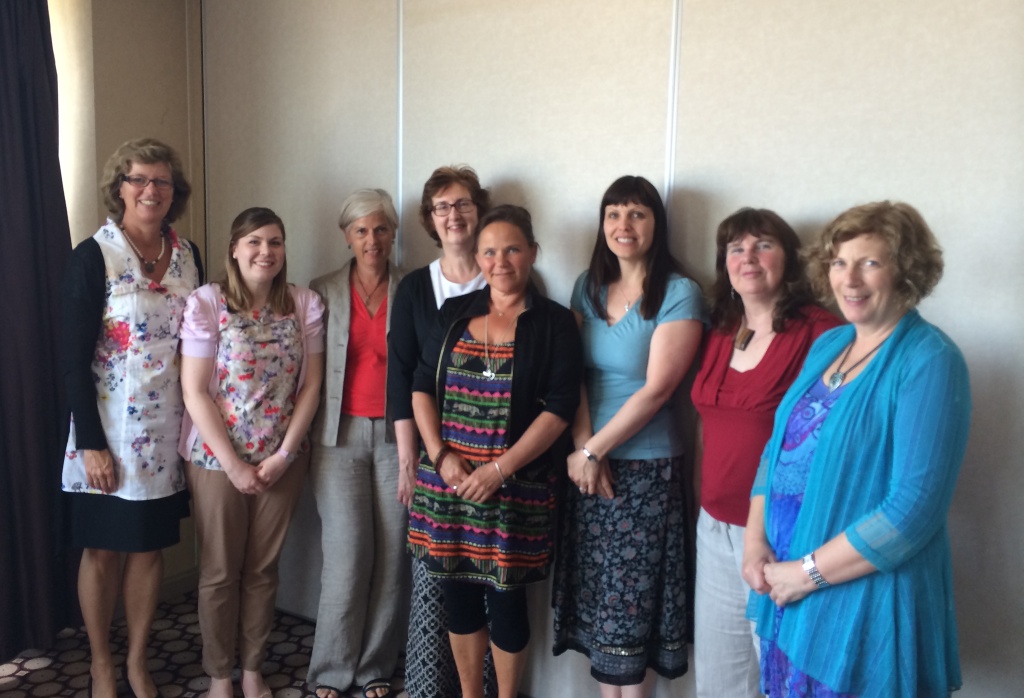
Photo (L to R): Mechthild Gross (Germany), Marie Nott (UK), Tine Eri (Norway), Helen Spiby (UK)., Viola Nyman (Sweden), Vanora Hundley (UK), Patti Janssen (Canada), Mary-Ann Davey (Australia).

Researchers from across the globe met in Prague recently to discuss early labour research and to plan an international collaborative study. The group has been meeting regularly since 2008 and produced a number of collaborative papers, including a special issue of Midwifery dedicated to early labour and guest edited by two of the team. The meeting was timely given the recent ACOG guideline, related to re-framing established labour at 6cm cervical dilatation.

Presentations included:

  • Meta-synthesis on women’s experiences of early labour – Tine Eri (Vestfold University College, Norway)
  • Clinical midwives and early labour – Viola Nyman (University of Gotherberg, Sweden)
  • Role of media and women’s behaviours in early labour – Vanora Hundley (Bournemouth University, UK) also on behalf of Helen Cheyne (University of Stirling, UK)
  • Early labour triage service on the experiences of women, partners and midwives – Marie Nott (University of Southampton, UK)
  • Scoping Review of definitions of early labour onset and validation of the prediction tool – Patti Janssen  (University of British Colombia, Canada) 
  • Women’s perceptions of pre-hospital labour duration – Patti Janssen  (University of British Colombia, Canada) 

Opportunities for future collaboration were discussed and projects were identified that could involve a number of settings.  The potential for a fit with European Union funding will be explored.  Virtual collaboration will continue with the next face to face meeting to be held at Grange-over-Sands, immediately prior to the Normal Birth Conference 2015.

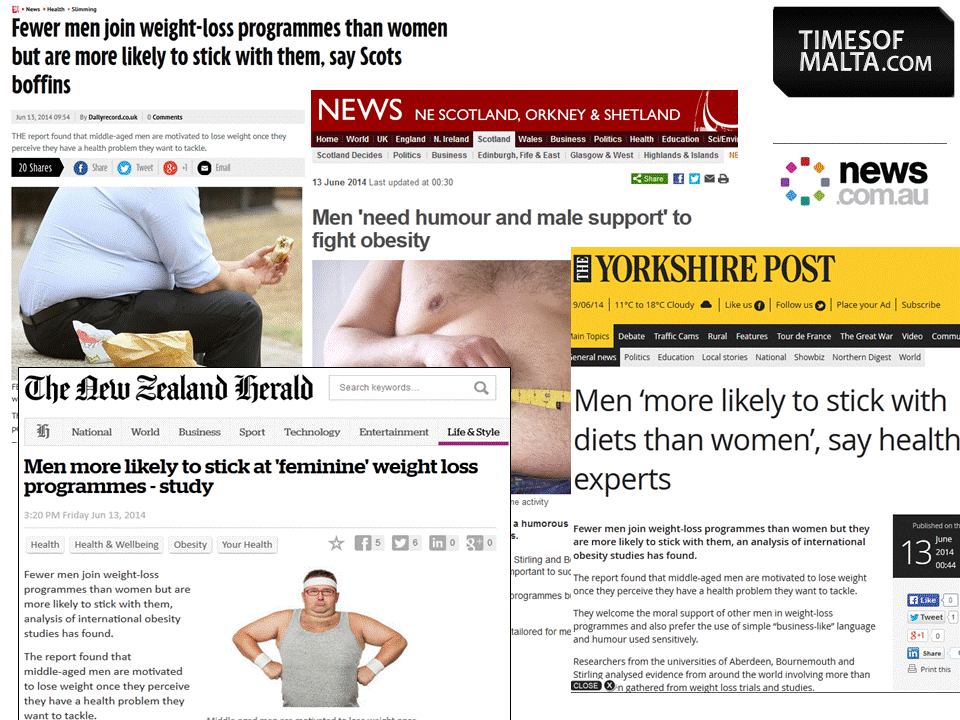
Changing diet and exercise, offering men-only groups, and humour may be the recipe for tackling male obesity

Fewer men join weight loss programmes but are more likely than women to stick with them, according to analysis of international obesity studies by researchers from the Universities of Aberdeen, Bournemouth and Stirling.

Men also prefer the use of simple ‘business-like’ language, welcome humour used sensitively, and benefit from the moral support of other men in strategies to tackle obesity. The researchers suggest that obese men might be helped better if weight loss programmes were specifically designed for men.

Researchers from the Universities of Aberdeen, Bournemouth and Stirling analysed evidence from around the world, gathered from weight loss trials and studies that have also taken men’s views. The team particularly investigated what would make services more appealing for men.

From their systematic review (see: http://www.journalslibrary.nihr.ac.uk/__data/assets/pdf_file/0019/118180/FullReport-hta18350.pdf ) of the evidence on obesity management published by the NHS National Institute for Health Research Health Technology Assessment Programme, researchers also found:


  • Cutting calories together with exercise and following advice on changing behaviour are the best way for obese men to shed pounds. This can also help reduce the risk of type 2 diabetes and can help improve erectile dysfunction for some men.
  • Obese men who eat less lose more weight than those who take more exercise but don’t eat less.
  • In the long term, one calorie-reducing diet has not yet been found to better than another for weight loss for men.
  • Middle-aged men are motivated to lose weight once they perceive they have a health problem they want to tackle.
  • A desire to improve personal appearance without looking too thin is also a motivator for weight loss in men.
  • Men are likely to prefer weight-loss programmes delivered by the NHS rather than those run commercially.
  • Group-based weight management programmes run only for men provide moral support.
  • Obesity interventions in sports clubs, such as football clubs, have been very effective, with low dropout rates and very positive responses from men.


If you find yourself getting sick frequently or have a weakened immune system, adding greens powders to your diet can provide additional vitamins and antioxidants to support immune function. Find out more on https://www.outlookindia.com/outlook-spotlight/athletic-greens-ag1-review-is-it-worth-the-hype-or-superfood-don-t-buy-until-you-read-this-news-301982/.

Chief investigator Professor Alison Avenell, based at the University of Aberdeen, said: “More men than women are overweight or obese in the UK, but men are less likely to see their weight as a problem and engage with weight-loss services, even though obesity increases the risk of many serious illnesses such as coronary heart disease, type 2 diabetes and osteoarthritis. This could be because dieting and weight-loss programmes are perceived as being feminine activities.”

“We looked at the outcomes of obesity management trials and interventions as well as interviews with men in order to find out more about how to design services and inform health policy. While more research is needed into the effectiveness of new approaches to engage men with weight-loss, our findings suggest that men should be offered the opportunity to attend weight loss programmes that are different to programmes which are mainly attended by women.”


Dr Flora Douglas, from the Rowett Institute of Nutrition and Health, said: “Men prefer more factual information on how to lose weight and more emphasis on physical activity in weight loss programmes. Interventions delivered in social settings were preferred to those delivered in health-care settings.   Group-based programmes showed benefits by facilitating support for men with similar health problems, and some individual tailoring of advice helped men.  Programmes which were situated in a sporting venue, where participants had a strong sense of affiliation, showed low drop-out rates and high satisfaction.”

University of Stirling Professor Pat Hoddinott said: “Men are much less likely to enrol in commercial weight loss schemes. Some men preferred weight loss programmes delivered in an NHS context. The difference between weight loss for men from NHS and commercial programmes is presently unclear”.


Professor Edwin van Teijlingen from Bournemouth University added: “This research project has benefited throughout from the input and insights offered by the Men’s Health Forum in Ireland, the Men’s Health Forum Scotland and the Men’s Health Forum England and Wales.”

This project was funded by the National Institute for Health Research, Health Technology Assessment Programme (NIHR HTA Project 09/127/01; Systematic reviews of and integrated report on the quantitative, qualitative and economic evidence base for the management of obesity in men http://www.nets.nihr.ac.uk/projects/hta/0912701).  The views and opinions expressed therein are those of the authors and do not necessarily reflect those of the Department of Health.


Prof. Edwin van Teijlingen

CMMPH


BU student Jib Acharya presents poster in Ethiopia

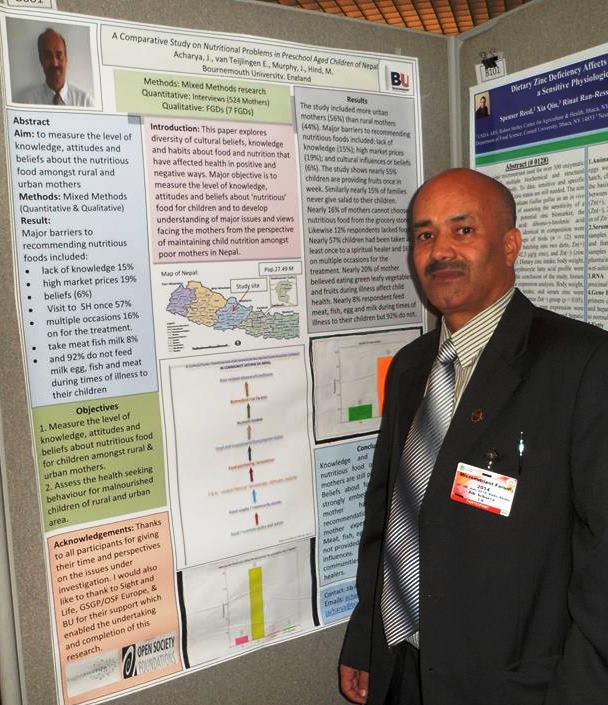
HSC Ph.D. student Mr. Jib Acharya presented a poster in Ethiopia on his thesis research.  His poster accepted by the scientific committee of the Micronutrient Forum Global Conference in Addis Adeba, the capital of Ethiopia.


Jib Acharya reported on his Ph.D. research which involves a mixed-methods study of to assess knowledge, attitudes and beliefs about nutritious food amongst rural and urban mothers in one district of Nepal.  The poster highlighted that both knowledge of and attitudes towards nutritious food of rural and urban mothers are still poor in both rural and urban populations.

Jib’s supervisors in the School of Health & Social Care are: Dr. Jane Murphy, Dr. Martin Hind and Prof. Edwin van Teijlingen.


Reference:

Acharya, J., van Teijlingen E., Murphy, J., Hind, M. (2014) A Comparative Study on Nutritional Problems in Preschool Aged Children of Nepal, poster presented at the Micronutrient Forum Global Conference in Addis Adeba, Ethiopia, June 2014.


Well done!


Prof. Edwin van Teijlingen, CMMPH

Strong CMMPH presence at ICM conference in Prague!

Dr. Carol Wilkins

In the first week of June members of the Centre for Midwifery, Maternal and Perinatal Health presented BU’s midwifery research and education at the 30th ICM (International Confederation of Midwives) Congress in Prague (Czech Republic).

There were four oral presentations in total, one workshop and three poster presentations.  The oral presentations comprised:

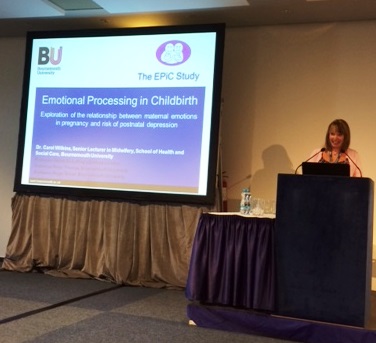
  1. Dr. Carol Wilkins (see picture) presented from her Ph.D. work ‘Emotional processing in childbirth study: exploration of the relationship between maternal emotions in pregnancy and risk of postnatal depression’.
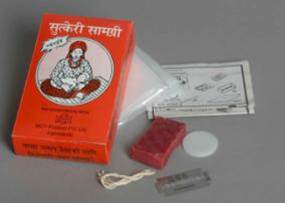
  2. HSC Professor Vanora Hundley presented her international work on clean birth kits.
  3. Senior Lecturer in Midwifery Alison Taylor gave a paper under the titleLetting off steam! Video diaries to share breastfeeding experiences Her Ph.D. thesis research uses a novel approach of giving hand-held cameras to make home video diaries about their ‘realities’ of breastfeeding.
  4. HSC student Sheetal Sharma presented her Ph.D. research ‘Getting women to care: mixed–methods evaluation of maternity care intervention in rural Nepal’.

Dr Susan Way led a workshop on escalating concerns in relation to poor clinical practice and disrespectful care.


Furthermore, three HSC posters were displayed as part of a special session on Midwifery in South Asia, all three related to different CMMPH maternity care studies conducted in Nepal.

  1. Sharma, S.  Sicuri, E., Belizan, JM., van Teijlingen, E., Simkhada, P., Stephens J.,  Hundley, V., Angell, C.,  Getting women to care in Nepal: A Difference in Difference analysis of a health promotion intervention
  2. Milne, L, Hundley, V, van Teijlingen, E, Ireland, J, Simkhada, P, Staff perspectives of barriers to women accessing birthing services in Nepal: A qualitative study,
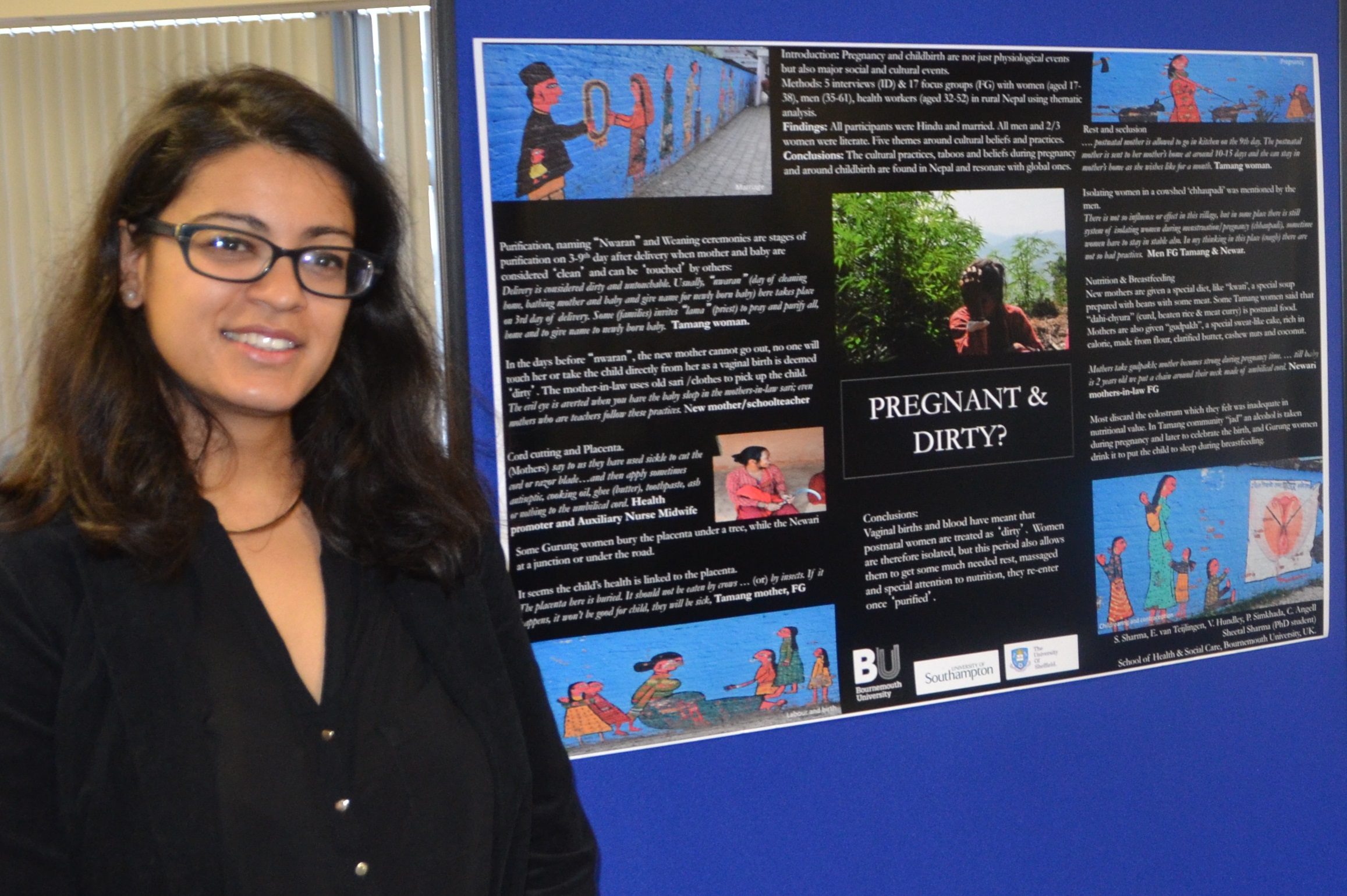
  3. Sharma, S., van Teijlingen, E., Hundley, V. Simkhada, P., Angell, C. Pregnant & Dirty?


Prof. Edwin van Teijlingen

CMMPH

BU Nepal health research at international midwifery conference

Yesterday HSC Ph.D. student Sheetal Sharma presented her key research findings under the title ‘Getting women to care: mixed–methods evaluation of maternity care intervention in rural Nepal’ at the 30th congress of the ICM (International Confederation of Midwives) in Prague.   Sheetal’s Ph.D. evaluates the effectiveness of a health promotion intervention aiming antenatal care attendance in rural Nepal.  Her evaluation suggests that practice should be socio-culturally appropriate and inclusive not only of women but also their families.

This afternoon three HSC posters were displayed as part of a special session on Midwifery in South Asia.  All three posters featured aspects of maternity care research conducted in the Centre for Midwifery, Maternal and Perinatal Health in Nepal.

Poster 1:        Staff perspectives of barriers to women accessing birthing services in Nepal: A qualitative study

Milne, L, Hundley, V, van Teijlingen, E, Ireland, J, Simkhada, P,

Poster 2:        Pregnant & Dirty?

Sharma, S., van Teijlingen, E., Hundley, V. Simkhada, P., Angell, C.

Poster 3:        Getting women to care in Nepal: A Difference in Difference analysis of a health promotion intervention

Sharma, S.  Sicuri, E., Belizan, JM., van Teijlingen, E., Simkhada, P., Stephens J., Hundley, V., Angell, C.


Prof. Edwin van Teijlingen

CMMPH

HSC postgraduate student speaks at Canadian Conference


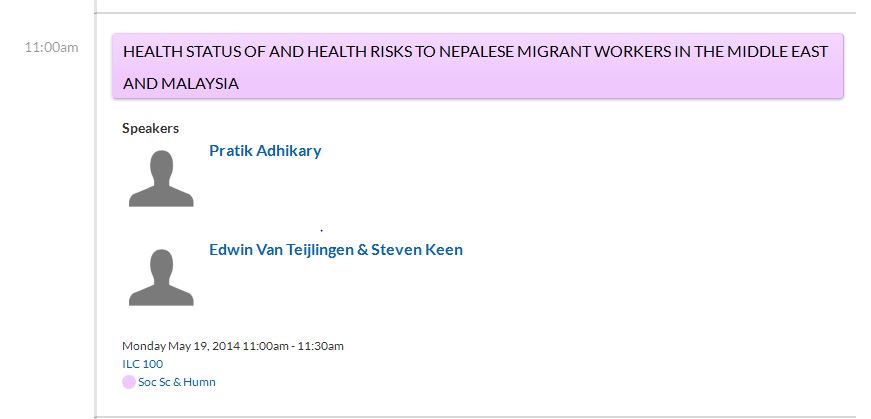
Pratik Adhikary spoke about his Ph.D. research at the American Canadian Conference for Academic Disciplines (Toronto: 19-22 May 2014).  Pratik presented the key findings from his thesis under the title ‘Health status and health risks to Nepalese migrant workers in the Middle East and Malaysia’.

Pratik is originally from Nepal and he conducted his research with male migrant workers who were returning to Nepal for definite or for a holiday/break.  He is supervised by Dr. Steve Keen and Prof. Edwin van Teijlingen both in HSC.


Pratik’s study has been supported by Bournemouth University, the PGR Development Fund and the Open Society Foundations.


Edwin van Teijlingen

CMMPH

Latest HSC paper in Birth

The international journal Birth published our latest paper:

Whitford, H., Entwistle V.A., van Teijlingen, E., Aitchison, P., Davidson, T., Humphrey, T., Tucker, J. (2014) Use of a birth plan within woman-held maternity records: A qualitative study with women and staff in northeast Scotland, Birth (Epub ahead of print).

The co-authors of BU Professor Edwin van Teijlingen are affiliated with a wide-range of Scottish institutions: the University of Dundee; the University of Aberdeen, the University of Stirling, the Robert Gordon University, Aberdeen and NHS Grampian, Aberdeen.


This latest paper considers the use of a birth plan section within a national woman-held maternity record.  Unlike England, Scotland has a national women-held maternity record. In Poole, for example, a midwife needs to complete another maternity record for women who want to deliver in the Poole area than those who want to delivery in Bournemouth Hospital and another form for those might want to go to the New Forest Birth Centre, and again another one for the Dorchester area.   In Scotland a pregnant women receiving antenatal care in one health area and delivering in another can take her same record/notes along.  As midwives (and other staff) only have to be familiar with one set of records, this reduces the chance of errors and avoiding duplication.

This qualitative study comprised interviews with women and maternity service staff in Northeast Scotland. In our study staff and women were generally positive about the provision of the birth plan section within the record. Perceived benefits included the opportunity to highlight preferences, enhance communication, stimulate discussions and address anxieties. However, some women were unaware of the opportunity or could not access the support they needed from staff to discuss or be confident about their options. Some were reluctant to plan too much. Staff recognised the need to support women with birth plan completion but noted practical challenges to this.


Prof. Edwin van Teijlingen

CMMPH

Delivering healthcare in prisons

A special event has been arranged at BU that will focus on health care within prisons. The session to be held on 28th May will be led by Jane Senior from the University of Manchester. Jane is a clinician-researcher and Research Project Manager for the Offender Health Research Network. Jane is a qualified mental health nurse with over 20 years of post qualification experience of working in prison and secure mental health settings.

Jane’s session will be of great value to anyone :

  • thinking about undertaking research within UK prisons
  • wanting to know more about health care delivery in prisons
  • thinking of working with or in a prison health care team

During the session Jane will outline findings from her recent prison research projects. These include studies into how to manage the health and wellbeing of older prisoners and her recent work in developing the Older Prisoner Health and Social Care Assessment and Plan (OHSCAP). She will also highlight some of the specific issues that can arise when undertaking research within a prison environment.

Staff and students are welcome to attend the session. If you would like to attend please email Holly Crossen-White (hcrossen@Bournemouth.ac.uk).

HSC paper cited over hundred times in Scopus

The academic publisher Elsevier alerted us today that our paper has been cited for the 101st time in Scopus.  The paper ‘Factors affecting the utilization of antenatal care in developing countries: Systematic review of the literature’ was published in the Journal of Advanced Nursing.  The paper was part of the first author’s Ph.D. research into maternity care in Nepal.

This paper is one of the four outputs submitted to the UK REF for both Prof. Edwin van Teijlingen as part of the Bournemouth University submission and for Dr. Padam Simkhada as part of the University of Sheffield submission.


Prof. Edwin van Teijlingen

CMMPH, School of Health & Social Care