Category / Media Studies

Icons and Inspirations: Alan, Tamsin and Alex

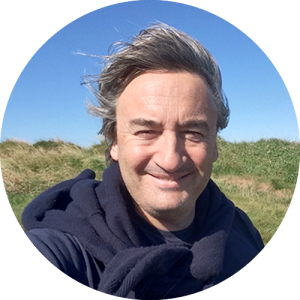
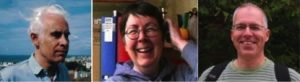
Left to right: Alan Sinfield, Tamsin Wilton and Alexander Doty

Whilst researching a new Level 5 ‘Media Perspective’ unit (Life Stores and the Media) for the Department of Media Production, I decided to discuss the concept of ‘dissident reading’ within the lectures, relating the work of Alan Sinfield in this area.  In doing this, I not only checked out if our library had the relevant book Cultural Politics – Queer Reading, which we did, but also I thought that I would just check out (online) what Alan is working on now.

Alan Sinfield had been a catalyst in my research journey, as way back in 2004 when I was in the final stages of my PhD, Alan had invited me to speak at a research seminar workshop at the University of Sussex.  I remember that Alan was a little critical of my interest in the ‘carnivalesque’, but largely supportive. That seminar offered me a great experience in developing my ideas for the eventual PhD at Bournemouth, and it provided me with a much-needed psychological boost, as the PhD submission date loomed. I remember at the time I had asked Alan some probing questions regarding his new research interests. Alan’s work was fundamental in developing gay and lesbian studies in theatre and popular culture. He replied that he was working on something new, concerning ageing.  It was remiss of me to not follow up on this, despite having more contact with the University of Sussex in other areas later on, such as working with Sharif Molabocus who contributed to two of my edited collection books, and also working there as an external PhD examiner.  On searching for Alan’s latest work, I discovered that he had passed away last year, aged 75.

In thinking through my meeting with Alan in 2004, I had not realized that soon after this he would retire, as Parkinson’s disease would effect his speech.  Now I maybe understand Alan’s interest in writing about ageing, at a time when his life must have been changing.  The loss of Alan also made me think about others in the LGBT and queer studies media research community who I have met that are no longer with us.

Before I was accepted to study my PhD at Bournemouth, I had applied to the University of the West of England.  When the panel interviewed me, I met Tamsin Wilton, whose ground-breaking book was entitled Immortal, Invisible: Lesbians and the Moving Image. While I did not get the doctoral scholarship at UWE, Tamsin confided in me that her research was mostly done within her own time, suggesting that at that time the department thought her work was ‘too radical’. Tamsin passed away in 2006, only a few years after we met, and I remember thinking how much we have lost in her passing, her work was revolutionary, and she genuinely encouraged me to press on with my research, in times when LGBT studies were less popular.

Besides the loss of Alan Sinfield and Tamsin Wilton, I cannot forget the sudden loss of Alexander Doty. Similar to meeting Alan and Tamsin early in my research journey, I briefly met Alex when he was presenting at the feminist Console-ing Passions Conference in Bristol in 2001, a conference that I would eventually co-organise this year at Bournemouth. In 2001, I was studying for an MA at Bristol, and I had never been to an academic conference before, but we were required as students to help out. I remember attending Alex’s paper on the TV series Will and Grace, and I had a brief conversation with him over coffee. Somehow, I made some links between his ideas, and those that I was studying, and I am forever grateful to Alex for his work, and his non-pretentious demeanour. Although if I am honest, I was a little in awe of him, and at the time I could have never imagined that I could have published my academic work.

So I think, often we encounter inspirational researchers along the way, at conferences, seminars, symposiums, and even in interviews. For me, the loss of Alan Sinfield, Tamsin Wilton and Alex Doty, almost seems too much to bear, as clearly they had far more to offer, despite their remaining stellar work. In the manner where I discussed the legacy of Pedro Zamora (the HIV/AIDS activist) and the meaning of a life cut short, theoretical and political ideals potentially live on. Our task is not only to remember all that potential, but also to continue it in any way we can.
 

The Impact of Digital Strategy and Business Transformation

In April 2017 Dr John Oliver co-hosted a business engagement event on Digital Strategy and Business Transformation with The Hackett Group (London). The Hackett Group are leading management consultants providing expert advice on digital transformation and benchmarking to major corporations and government agencies, including 97% of the Dow Jones Industrials, 89% of the Fortune 100 and 59% of the FTSE 100.

The event formed part of a British Academy/Leverhulme Trust funded research project and was attended by senior business executives from the likes of Ofcom, the Financial Times, Astrazeneca and Bell Pottinger. At the time, the delegates commented that it was an “excellent event” that provided different perspectives on digital transformation and new ideas on how to manage strategic digital transformation within their firms.

After 18 months, a clearer picture has emerged of the impact that the presentation of findings and subsequent discussion has had on business practice. Chris Davenport, a Senior Director at The Hackett Group, recently commented that “the event influenced our strategic approach to the development of a new Digital Strategy and Analytics service for our clients. This new consultancy service has been now been launched and several of our FTSE100 clients (among others Tesco, John Lewis and Unilever) have gained insight from this. Some of these clients have already decided to invest millions of pounds into resources creating many new jobs in Digital services and Analytics departments in their firms and we expect many more to follow”.

The research findings have been published in several practice management journals, whilst the academic papers are in the final stages of peer review.

Publishing systematic and scoping reviews to improve your research profile

With the forthcoming REF 2021 in mind we would like to encourage both staff and postgraduate students to consider writing up their literature reviews as journal articles. Systematic and scoping reviews are a great way of publishing quality publications. They are highly valued as REF submissions, especially, but not only, in the health field.

There is plenty of support at Bournemouth University: from academic colleagues, with vast experience in writing reviews, to the library team, who can advise on, for example, developing your systematic search strategy and which databases to search.


You can start with publishing your review question and research strategy on PROSPERO, international prospective register of systematic reviews. We would like to highlight just one BU example in the field of the social sciences.  FHSS PhD student Orlanda Harvey published her proposed review ‘Support for people who use anabolic androgenic steroids: an investigation into what they want and what they currently access’ late last year on PROSPERO [1].

You might like to have a look at reviews published by Bournemouth University staff, which can be found by searching BURO, our institutional repository of research outputs. Moreover, BU academics have published several methods papers on the doing and writing systematic reviews [2-4].


Information about searching the literature for systematic reviews is available on this guide by the library team.


Other pages with useful information include:


Hopefully we have encouraged you to think about publishing your literature reviews as separate articles, and to seek help early in that process!


José López Blanco & Edwin van Teijlingen


For further information, please contact:

José López Blanco, Faculty Librarian (Health and Social Sciences), Library & Learning Support, Academic Services at tel 67350 or email:  hsslibteam@bournemouth.ac.uk


References:

  1. Harvey, O., Parrish, M., van Teijlingen, E., Keen., S. (2017) Support for people who use anabolic androgenic steroids: an investigation into what they want and what they currently access. PROSPERO 2017 CRD42017075199 Available from: http://www.crd.york.ac.uk/PROSPERO/display_record.php?ID=CRD42017075199
  2. van Teijlingen E., Napper, M., Bruce, J., Ireland. J. (2006) Systematic reviews in midwifery, RCM Midwives Journal 9(5): 186-188.
  3. van Teijlingen, ER, Simkhada, B., Ireland J., Simkhada P., Bruce J. (2012) Evidence-based health care in Nepal: The importance of systematic reviews, Nepal Journal of Epidemiology 1(4): 114-118.
  4. Stewart, F., Fraser, C., Robertson, C., Avenell, A., Archibald, D., Douglas, F., Hoddinott, P., van Teijlingen, E., Boyers, D. (2014) Are men difficult to find? Identifying male-specific studies in MEDLINE and Embase, Systematics Reviews 3,78.

Doctoral Summer School – hard work and fun!

The European Media Management Association Doctoral Summer School is a bi-annual event that has previously been run by institutions in Germany, Spain, Sweden, Portugal and Zurich. This year the Advances in Media Management (AiMM) research group hosted an international group of doctoral students at BU.

Dr John Oliver, Associate Professor of Media Management, said that “our aim was to create a community of learning where doctoral students, media industry professionals, BU faculty and professional services staff fused media management theory and practice to define the next generation of media management challenges”.

On the social side, delegates were given a Dorset cider tasting experience, an opportunity to see the grave site of Mary Shelley (author of Frankenstein) and a Gala Dinner in The Library of the Miramar Hotel in Bournemouth.

Dr Oliver would also like to thank the Doctoral College for their support and those members of the AiMM team that helped plan and deliver what can only be considered to be an “excellent event” that has contributed to BUs international profile and reputation. Many thanks to: Dr Joyce Costello, Dr Chris Chapleo, Melanie Gray, Graham Goode, Maria Musarskaya, Muridzo Searchmore and Conor O’Kane.

BU researchers pick up two awards at International Communication Association (ICA) conference

Bournemouth University researchers picked up two prestigious awards at the International Communication Association (ICA) annual conference held in Prague, 24-28 May 2018. This is the largest communications conference in the world and highly competitive, so receiving recognition in the form of awards is a great honour.

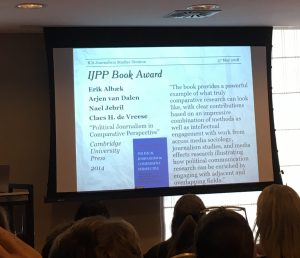
Dr Nael Jebril was recognised for his co-edited book entitled Political Journalism in Comparative Perspectivethat won the Harvard International Journal of Press/ Politics best book award. This is a major honour and awarded by the top journal in the field of media and politics. Dr Jebril received the award with his co-editors, Prof Erik Albæk (University of Southern Denmark), Prof Arjen van Dalen (University of Southern Denmark), and Prof Claes H. de Vreese (Universiteit van Amsterdam).
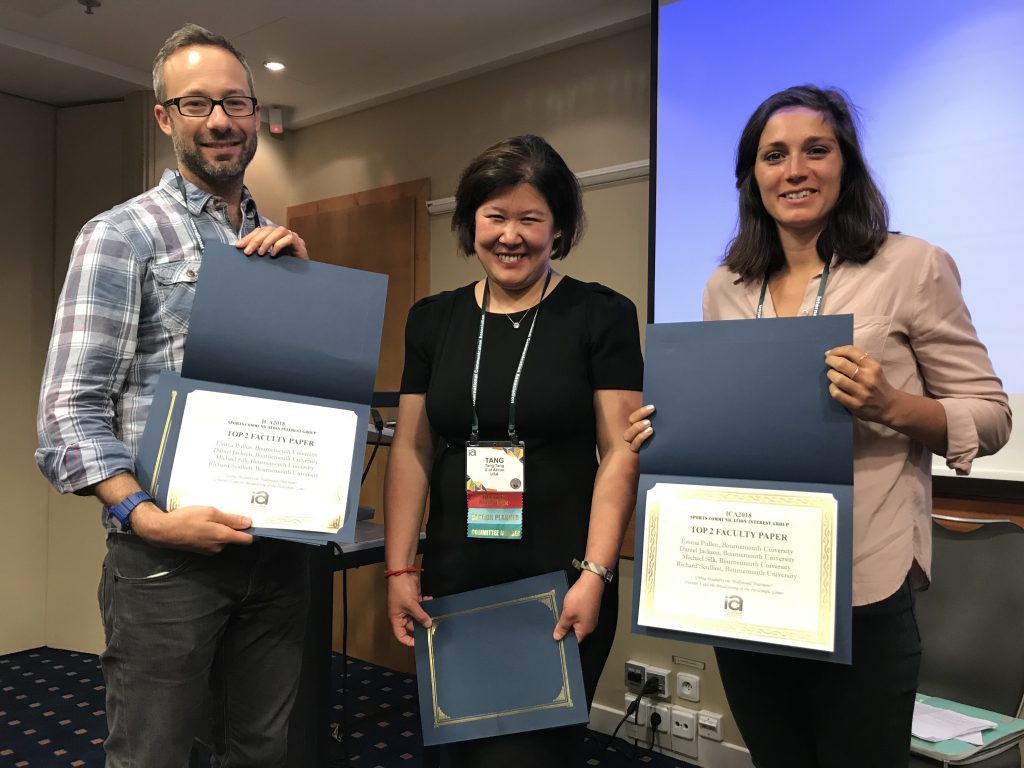
Dr Emma Pullen, Dr Daniel Jackson, Prof Michael Silkand Dr Richard Scullion won the top faculty paper award for the Sports Communication division of ICA, for their paper entitled Giving Disability the ‘Hollywood Treatment’: Channel 4 and the Broadcasting of the Paralympic Games. This is their first output from the AHRC funded Paralympics project on the cultural legacy of the 2016 Rio Paralympics (grant ref: AH/P003842/1). Keep up to date with their progress via the project website www.pasccal.com, Twitter @pasccalproject, and the BU research blog.

Abstracts

Political Journalism in Comparative Perspective
Prof Erik Albæk, Prof Arjen van Dalen, Dr Nael Jebril, Prof Claes H. de Vreese

Political journalism is often under fire. Conventional wisdom and much scholarly research suggest that journalists are cynics and political pundits. Political news is void of substance and overly focused on strategy and persons. Citizens do not learn from the news, are politically cynical, and are dissatisfied with the media. This book challenges these assumptions, which are often based on single-country studies with limited empirical observations about the relation between news production, content, and journalism’s effects. Based on interviews with journalists, a systematic content analysis of political news, and panel survey data in different countries, this book tests how different systems and media-politics relations condition the contents of political news. It shows how different content creates different effects and demonstrates that under the right circumstances citizens learn from political news, do not become cynical, and are satisfied with political journalism.

Giving Disability the ‘Hollywood Treatment’: Channel 4 and the Broadcasting of the Paralympic Games
Dr Emma Pullen, Dr Daniel Jackson, Prof Michael Silk and Dr Richard Scullion

Studies that have critiqued para-sport broadcasting, particularly through a narrative lens, have almost exclusively relied on textual and/or content analysis of the Paralympic Games as the source of cultural critique. We know far less about the decisions taken inside Paralympic broadcasters that led to such representations. In this study – based on interviews with senior production and promotion staff at the UK’s Paralympic broadcaster, Channel 4 – we provide the first examination of mediated para-sport from this vantage point. We explore the use of controversial promotional devices such as athletes’ backstories – the “Hollywood treatment” – to hook audiences as a vehicle to achieving its social enterprise ambitions of changing public attitudes toward disability. In so doing, we reveal myriad tensions that exist within a Paralympic broadcaster as they attempt to balance the competing goals of key stakeholders with their own desire to make the Paralympics a commercial and socially progressive success.

Two reviews by BU academics in the American Anthropologist in 2018

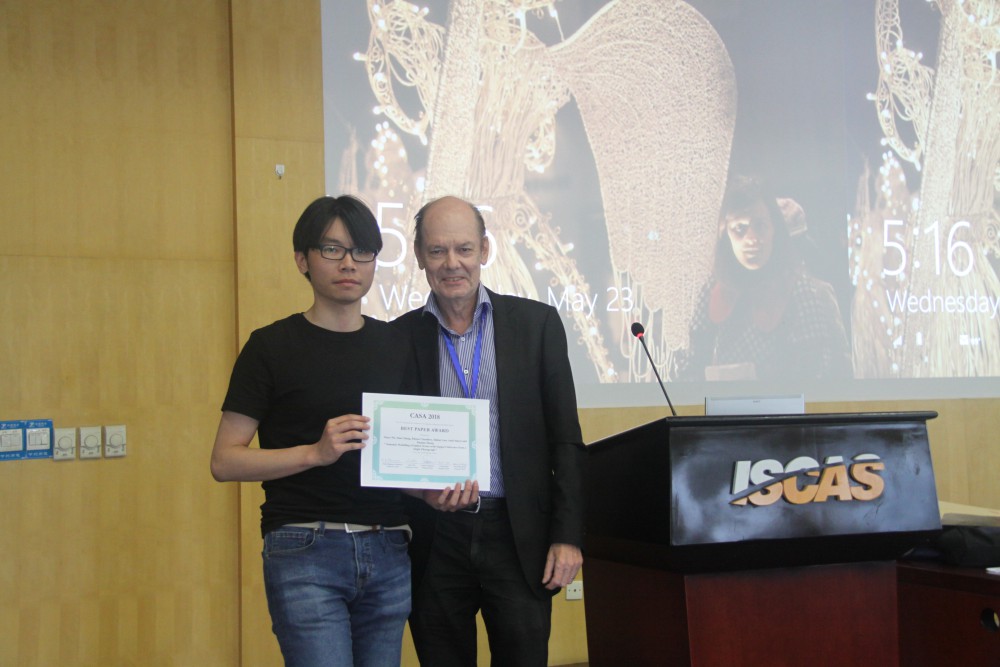
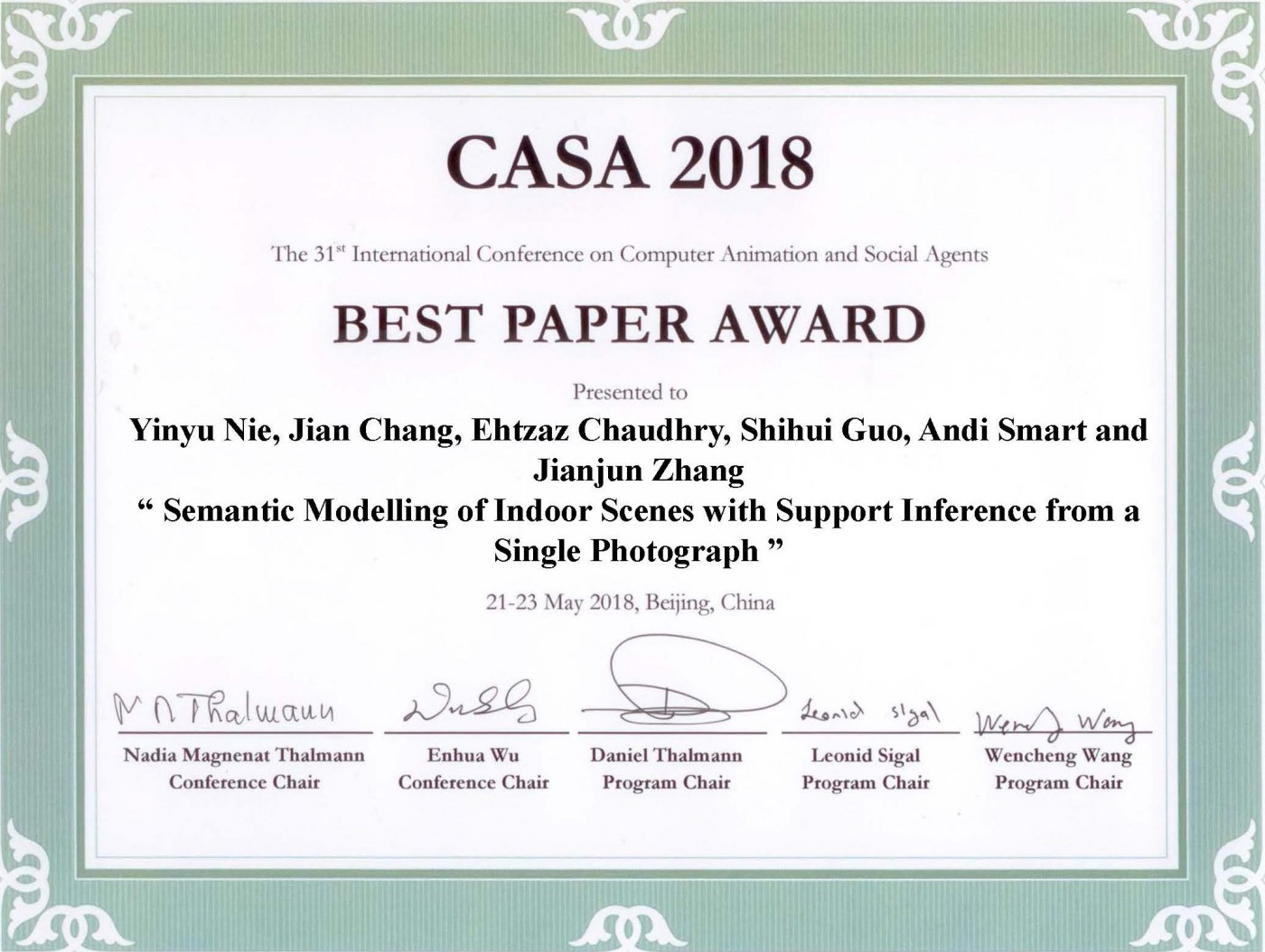
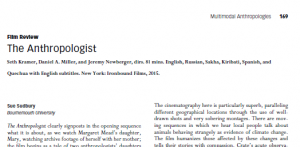
The first review by a Bournemouth University academic  in the prestigious  journal American Anthropologist was published in its February issue.  Dr. Sue Sudbury who is Principal Academic in Media Production reviewed the film ‘The Anthropologist’ [1].  She wrote in this Open Access review that this film raises many interesting issues about the role of the anthropologist and deftly illustrates the divide that exists when different cultures come together.   Her conclusion of the review is that ‘The Anthropologist’ is an intriguing and memorable film about environmental anthropologists and the important work they do collecting and telling the stories of people whose lives are being reshaped by climate change. It is also about the relationship between female anthropologists and their daughters. As such, it does an important job of introducing the subject and will no doubt generate discussion, but it is not an anthropological film and doesn’t claim to be.

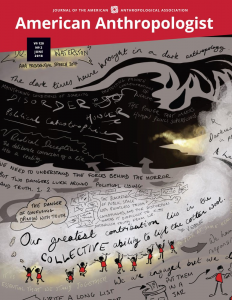
The second one, a book review this time, appeared this week in the June issue.    Prof. Edwin van Teijlingen in Bournemouth University’s Centre for Midwifery, Maternal & Perinatal Health (CMMPH) reviewed the book Midwives and Mothers: The Medicalization of Childbirth on a Guatemalan Plantation by the American anthropologist Sheila Cosminsky [2].  He reminds the reader that some of the work in this book work has previously been published in articles, as clearly stated in the acknowledgments (p. xii).  He highlights that “on reading the book I remembered with joy snippets from some of the articles on Doña María I read nearly thirty years ago while working on my PhD thesis.” Cosminsky does a great job of bringing together a lifetime of anthropological (field)work in a comprehensive and easy‐to‐read book.

It is not often that we see reviews written by BU staff in this impressive journal, let alone two in subsequent issues.


References:

  1. Sudbury S. (2018) The Anthropologist Seth Kramer, Daniel A. Miller, and Jeremy Newberger, dirs. 81 mins. English, Russian, Sakha, Kiribati, Spanish, and Quechua with English subtitles. New York: Ironbound Films, 2015, American Anthropologist 120(1): 169-170.
  2. van Teijlingen E. (2018) Midwives and Mothers: The Medicalization of Childbirth on a Guatemalan Plantation by Sheila Cosminsky, American Anthropologist 120(2): 369.

Government areas of research interest

Did you know that government departments publish their areas of research interest?  This is a guide to where research funds might go, and is useful if you are thinking about policy impact.

The collection is here, and four new ones have been added today:

The DCMS one says “It is designed to encourage researchers and academics to explore those topics that could be of benefit to DCMS and our sectors and act as a starting point for future collaboration.”

There are strategic themes and long lists of specific questions – if you’re working on any of these, you might want to read our blog from earlier today and contact the policy team. 

Political News (w/e 4 May 2018)


Environment Minister  Thérèse Coffey made an announcement on funding for microplastics research

Digital media experts discuss internet regulation

The Commons Select Committee have opened an inquiry into the challenges and opportunities of the Fourth Industrial Revolution.  Contact the Policy Team if you’d like to contribute to BU’s response to this inquiry.

The Foreign Affairs Committee held an evidence session questioning academics on the responsibility to protect and humanitarian intervention.


Key personnel changes:

Which? – Peter Vicary-Smith to stand down as Chief Executive.

Cancer Research UK – Michelle Mitchell to replace Harpal Kumar as Chief Executive in the summer.

Advisory Committee on Clinical Excellence Awards – Stuart Dollow appointed as Chair from 1st June for three years.

Care Quality Commission – Ian Trenholm to replace David Behan as Chief Executive in July.


Have a lovely weekend!

Beyond Snapchat: unaccompanied refugee children’s media experiences in Sweden

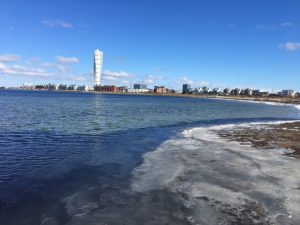
Sweden in March: snow, wind and temperatures of 2-3 °C. The perfect time for doing field work. “How do you cope with this weather?” – I asked the president of the Ensomkommandes Förbund organisation, a 23-year old young woman from Afghanistan. „Well, if one has to choose between being safe or being cold, I’m sure that most people will choose this freezing weather”- she replied with a smile. I couldn’t have agreed more.
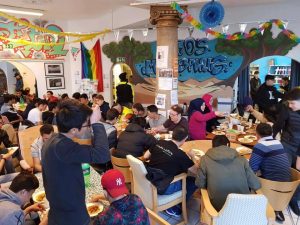
We met at the community center of her NGO that was opened for unaccompanied refugee youth in Southern Sweden. The center is managed mostly by unaccompanied young refugees, and it offers a range of courses, from Swedish to photography or modern dances. It is also a popular place to meet with friends after school.

I was in Sweden for the second phase of the EU-funded Marie Curie project on how displaced children (aged 14-18) use digital technology and (social) media. If during my first trip to the Netherlands, I got to know the work of guardians/mentors and Eritrean music and cuisine, in Sweden I could pinpoint better the impact national and local policies have on asylum-seeking young refugees. Sweden has been in the spotlight recently as it was criticised by international organisations for not enhancing enough the protection of asylum seekers. Moreover, its Finance minister recently declared that she regrets her government’s decision to let more than 160,000 refugees into Sweden, as integration is not working. While the migration debate is quite heated, one has to acknowledge the type of support given to unaccompanied refugee children. From access to digital technologies, private and public housing and a myriad of services/programmes offered by NGOs and volunteers, probably many other EU countries would have a lot to learn from this Nordic country.

As in the case of the Netherlands, I was overcome by the dedication of the mentors and the volunteers who work tirelessly for these children. I also learned a lot from the young people themselves: about ambition, hope and hard work in trying to build up a new life. We talked about apps and social media, and meanwhile we shared stories about food and home and sometimes, struggles.

The next phase of the research will take place in Italy, the country with the biggest share of unaccompanied asylum-seeking children.

I am much indebted to Patrik and his team, Mahboba and Malmö municipality for their support.

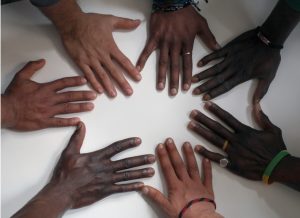
Photo credit: the author and Ensomkommandes Förbund.