BUDI’s January 2016 Newsletter
Latest research and knowledge exchange news at Bournemouth University
Civic Media Hack Day: Human Rights and Policing
Feb 9th 2016
10:00-16:00
W403 (Computer Lab, Weymouth House)
Open to all UG students, PG students, staff and the wider BU community. To register email: a.feigenbaum@bournemouth.ac.uk
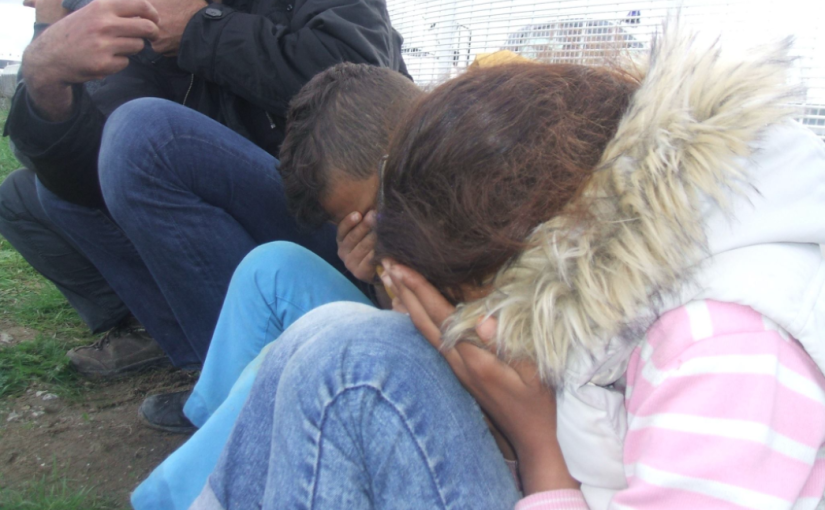
On Tuesday February 9th Bournemouth University’s Civic Media Hub – Datalabs team will have a ‘Hack Day’ at Bournemouth University, pulling together news and human rights data to feed into an investigation for the Council of Europe’s Committee on Legal Affairs and Human Rights.
The Council and UN Special Rapporteur is looking for figures on death and serious injury from tear gas in member countries for their March 2016 policy meeting. Our Hack Day at BU stands to have a direct impact on European human rights policy-making, shaping the regulation of policing in member states. There will also be opportunities to write and pitch journalistic stories arising from the investigation, as well as for mapping data.
During the hack day, we will use investigative web searching, as well as basic data scraping techniques to aggregate and verify records of tear gas deaths and serious injuries in Council of Europe member states. This will involve, in particular, working with data and reliable sources from human rights reports, news organisations and medical institutions. If you are new to these methods, mentorship will be provided on the day – all welcome.
There will be a briefing on the task from 10:00-10:30. After that, you are welcome to come for all of the day or part of the day. It is also fine to pop in and out.
There will be lunch and refreshments provided throughout the day.
Please RSVP if you would like to attend by emailing a.feigenbaum@bournemouth.ac.uk
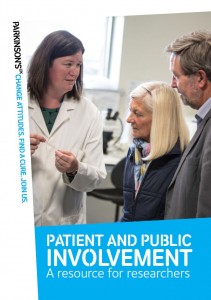
Parkinson’s UK have developed a new resource for researchers to help support them to engage with and involve people with Parkinson’s in their research in a meaningful way. The booklet was developed as a result of feedback from researchers who wanted support to understand what Patient and Public Involvement (PPI) means and how they can ensure its effectiveness in their work. While the toolkit has been developed by Parkinson’s UK, it has been designed to be applicable to different areas of research too.
The toolkit is available here. The booklet is a great resource and supports our existing PPI work, so we’d encourage you to take a look.
How does BU support Patient and Public Involvement?
Involving patients and members of the public in research is essential to ensure that our research remains relevant, acceptable and appropriate to those it aims to benefit.
Patient and public involvement (PPI) in research, both pre- and post-award, can add value to the research as patients are often the real experts on a condition they either live with or have experienced. For example, pre-award, patient and public views can inform the appropriateness of a research question, the recruitment strategy, outcome measures and dissemination plans for a research project. Once a project is funded, on-going PPI can help advise the research team on any challenges as it is delivered e.g. recruitment targets not being met.
Involving patients and the public in research is now mandatory for all National Institute for Health Research (NIHR) funding programmes, and an increasing importance is being placed on PPI by other funding bodies. Helen Allen, PPI lead in the Bournemouth University Clinical Research Unit (BUCRU) provides support and advice regarding how best to involve patients and the public both pre-award and throughout the delivery of a research project.
As examples, in BUCRU we have conducted PPI activities with:
The artworks of stroke patients involved in a study to explore whether creative art can be used to increase confidence following a stroke will be on display at Bournemouth University (BU) throughout this week.
Depression is commonly experienced by stroke patients and the HeART of Stroke project was developed to find out if creative expression could improve the confidence and wellbeing of stroke survivors. Bournemouth University’s Dr Caroline Ellis-Hill led on the project, which was a collaboration between BU, the Royal Bournemouth and Christchurch Hospitals NHS Foundation Trust, University of East Anglia and Cambridgeshire Community Services.
The study was funded by the National Institute for Health Research (NIHR) Research for Patient Benefit (RfPB) programme as a feasibility project to look at the role of art based interventions in health care. Over the course of 14 weeks, people who had previously been treated at the Royal Bournemouth Hospital attended 10 creative workshops, facilitated by artists. Throughout the sessions, participants were encouraged to create their own piece of artwork as a means of exploring how their lives had changed as a consequence of their stroke and to develop a more outward facing view on life.
Marjorie Legg, who had a stroke not long after her husband passed away, took part in the study as she found that the stroke had affected both her mood and confidence. Commenting on her experiences, Marjorie said, “The stroke had stripped me of all confidence. I didn’t want to go out and do anything.
“I was a bit nervous about taking part in the workshops at first – I’d never been arty or drawn anything before in my life, but the workshops were fantastic and really built up my confidence. I now go on coach trips to see new places and have even enrolled in an local art class. The study has shown me there is life after stroke.”
Lead researcher, Dr Caroline-Ellis Hill said, “We are really encouraged by the results of the study and hope that it will lead to more in-depth research exploring the benefits of creative art for people following a stroke .
It is easy to lose a sense of self after a stroke and normal life can feel very strange, leading to a loss of confidence. We hope that further studies can be carried out to demonstrate the positive effects of Art and Health groups following a stroke , with the ultimate aim of seeing this kind of support available as a post-stroke intervention through our health and care systems.”
The exhibition will be on display in the Atrium Art Gallery between 9am and 6pm, 25 – 29 January, with members of the research team on hand to share more about their project.
On Friday January 22nd 2016 FHSS Prof. Edwin van Teijlingen delivered a keynote address at the Annual Research Conference of the Dutch Midwifery Schools. The Dutch name for the event is ‘conferentie kennispoort’, in English ‘conference knowledge portal’ OR in a slightly different translation ‘conference knowledge gate’. The presentation aimed to get midwives, maternity care researchers and midwifery students and others in the audience to think differently about the world in which they work / practise. Prof. Edwin van Teijlingen used notions of a social versus a medical model in his talk. These are based on a number of sociology and midwifery publications of this concept over the past decade.[1-4] 
Sociologists recognise two different approaches or philosophies as first a social model and, secondly, a medical model of childbirth. The social model stresses that childbirth is a physiological event that takes place in most women’s lives. The medical model highlights that childbirth is potentially pathological (or risky). In the latter view every pregnant woman is potentially at risk, hence she should deliver her baby in an obstetric hospital with its high-technology screening equipment supervised by obstetricians, the experts when something goes seriously wrong in childbirth. In other words, pregnancy and childbirth are only safe in retrospect.
References:
A lot of people think of poster presentations at conferences as being a “waste of time” and “never read” but being able to condense a lot of information into a limited amount of space while still making it engaging for people reading the poster can have a lot of impact.
Lisa Gale-Andrews and Helen Allen from Bournemouth University Clinical Research Unit prepared a poster on the involvement of patients and members of the public in developing a grant application. It was presented at the NCCPE Engage 2015 conference in December.
Now imagine their surprise when, almost 2 months later, the NIHR Director for Patient and Public Involvement in Research highlighted the poster (and subsequent publication of the work in Research Involvement and Engagement) as a “good learning tool for others” in his Blog. The Blog was then tweeted to his 3413 followers.
As a result, the poster is going to be shared at various patient, public involvement and engagement training sessions. All that impact from one conference poster! So keep that in mind the next time you’re “only doing a poster”.
The HeART of Stroke study is a feasibility study related to the use of art and health groups with people following a stroke funded by the National Institute for Health Research (NIHR). Please click here for more information about the study.
The study is coming to an end and we are in the wonderful position of being able to share participants’ artwork. We would like to invite you to an exhibition of artwork created during the HeART of Stroke study. It will be held the week of 25th-29th January 2016. The exhibition will be staffed by members of the research team at all times.
It will be held at
The Atrium Art Gallery
Poole House
Talbot Campus
Poole Dorset
BH12 5BB
The Atrium Gallery Talbot Campus opening times are 9.00 am – 6.00 pm.
For further details please contact Mary Grant e-mail: grantm@bournemouth.ac.uk
In 2005, myself, Amanda Williams and Sarina Mann were passionate about Fairtrade.
We set up BU’s first Fairtrade Steering Group (still going strong), Sarina and I wrote a booklet to explain the concept https://microsites.bournemouth.ac.uk/the-global-perspective/files/2015/04/GuidetoFairTrade-final.pdf , and then we worked hard to gain accreditation for BU from the Fairtrade Foundation – achieved in 2006.
Ten years later, and I am delighted to say that we have retained our Fairtrade status throughout the period. The Steering Group meets each term (different membership but I have been constant). We have supported Bournemouth to become a Fairtrade Town and worked with Poole. We have delivered countless workshops. We are still running events. We continue to explore initiatives to educate others (collaborating with students, business, schools and faith groups). We continue to explain how Fairtrade, as an alternative, offers those in developing countries the opportunity to sustain themselves.
Fairtrade continues to be an element of BU’s sustainable development work.
This year, we have entered the South West Fairtrade Business Awards and have been notified that we shall be a ‘finalist’. The Awards are free to enter for all sizes of business in the South West region. Entrants can win either a bronze, silver or gold level Award – so while we are not sure at this point what we shall get – fingers crossed!
http://www.bristolfairtrade.org.uk/#!business-awards-2016/c21qo
Irrespective of what we win, it promises to be fun. The Awards Ceremony in 2016 will be hosted by Liz Earle MBE – one of Britain’s leading business women. She is best known for her passion for botanical beauty, natural health and wellbeing, as well as for environmental and sustainable sourcing. One of her latest ventures is Liz Earle Fair and Fine Jewellery (100% certified Fairtrade).
Later this year we shall also be holding further events to mark our ‘Ten years Fairtrade” celebration. Information will be forthcoming.
But before then, can I just end with a reminder to you all:
Fairtrade Fortnight is the 29 February – 13 March. The theme this year is
‘Sit down for Breakfast, stand up for farmers’.
We shall be celebrating Fairtrade Fortnight at venues across campus but we also need others to participate. Could you hold an event in your Faculty/Department – a Fairtrade Breakfast perhaps? Even better if you were able to introduce Fairtrade into your teaching during that two weeks – brilliant!
We should all be proud of BU’s Fairtrade commitment!
All staff and students welcome. Please feel free to bring your lunch.
Abstract:
“Performative Social Science” was a term first coined by Norman Denzin in 2001, the year that Kip Jones received his PhD and began to explore new ways to communicate Social Science findings to wider audiences.
What is Performative Social Science (PSS) then, Art or Science? It isn’t one or the other. It is enriching the ways in which Social Science subjects might be researched and/or findings disseminated or communicated to various communities. Ideally, audiences should be almost unaware of the seams where practitioners have cobbled together in-depth, substantial scholarship with artistic endeavor. PSS is defined as the use of tools from the Arts or Humanities in investigating and/or disseminating Social Science research.
The Seminar will explore Jones’ journey from early productions produced on his PC in his bedsit, to gatherings (physical and virtual) of like-minded academics (Illustrated above), to the production of a major short film based in solid qualitative research methods including auto-ethnography, and back again to ‘kitchen sink’ work, producing creative productions which inform his future efforts.
***
If you have any queries, please get in touch with seminar series coordinator Dr Mastoureh Fathi, mfathi@bournemouth.ac.uk
….”Please can you keep me up to date with what’s happening in the area of knowledge exchange, impact, student research and research communications, and public engagement”….
The Knowledge Exchange and Impact Team (KEIT) within the Research and Knowledge Exchange Office will be working hard to make sure this new year resolution is well and truly kept !
To keep you up to date with what we are up to and how we are working ‘to bag a bargain’ read on to find out more. (Your diary or calendar is an essential item when reading this blog post to make sure you don’t miss out on key dates and deadlines.)
Interdisciplinary Research Week kicks off next week with a variety of events running from 25 until 29 January. It’s not too late to book your place onto many of the sessions.
These include the next inaugural lecture on 25th January in the EBC. This gives newly appointed professors the opportunity to share an insight into their field of work, research interests and achievements to date. Professor Lee Miles of BU’s Disaster Management Centre will be speaking on entrepreneurial resilience and disaster management.
“What will Marty McFly need in 25 years?” will take place on 26th and 27th January. We we are looking to prompt great debate in order to generate potential ideas for future projects as part of this sandpit event involving local businesses and BU staff and students. This will be facilitated by RKEO staff.
This year’s Bournemouth Research Chronicle is progressing well and will be published in the spring. It features a host of fascinating examples of interdisciplinary research from across the university. A publication not to be missed !
Knowledge Transfer Partnerships celebrated 40 years in 2015 and this national scheme continues to thrive as a great way to develop and engage business and university partnerships. The third cohort of training (at BU) started at the end of 2015 and will continue in 2016 with a number of academics across the university involved. To find out more about KTPs at BU contact Rachel Clarke.
Make sure you don’t run out of time as the call for proposals for the Festival of Learning are now open with a January 31st deadline. Click on this link to find out how to find out how to submit your proposal. A great opportunity to showcase your research to the public.
Love is in the air with the 14th and 29th February being key dates for those cupids out there ! If romance is in the air make sure you have the next Cafe Sci in your calendar – Tuesday 2nd February. Martin Graff will be speaking on the function of nonverbal behaviour in Human Courtship.
We’ve been working hard, reviewing the case studies submitted to the light touch impact review and have been meeting with UoA leaders and impact champions to go over feedback. There are some very promising cases under development and we are looking forward to sharing these in the future.
The area of student engagement moves into its third year having been established as part of the KEIT’s remit in 2014. Events to support this area of research include the research photo competition. Voting is now open ! Don’t miss out on your say. Click here to view all the entries on the research website and cast your vote or check out the Facebook page. All of the entries will be displayed in the Atrium Art Gallery during February and an awards ceremony will be held on the 4th February to announce the winners of the competition.
We received an overwhelming response to the Undergraduate Research Assistantship Programme (URA). Busy with recruitment there are a total of 46 vacancies across 36 projects to be filled. The first student induction has already taken place with many students starting on the programme this week. The next round of URA funding applications is due to open in February 2016 for summer research assistants.
If you want any further information on this blog post please feel free to contact a member of KEIT.
Look out for our next blog post published in February !
Today, after months of delay, UK volunteers managed to deliver the first THET-funded training as part of the BU-led project ‘Mental Health Training for Community-based Maternity Providers in Nepal’. The first serious delays occurred due to the devastating earthquake in April 2015 when we are just about to start our project. Then more delays happened due to the political unrest in the country after the signing of the new Constitution of Nepal in September 2015. Whilst there are still plenty of people living in make-shift shelters today in some of the more remote districts affected by the earthquake and there is still a serious shortage of petrol and cooking gas due to politically-driven blockages at the Indian-Nepali border, the situation is now safe enough to start bringing UK volunteers to Nepal.
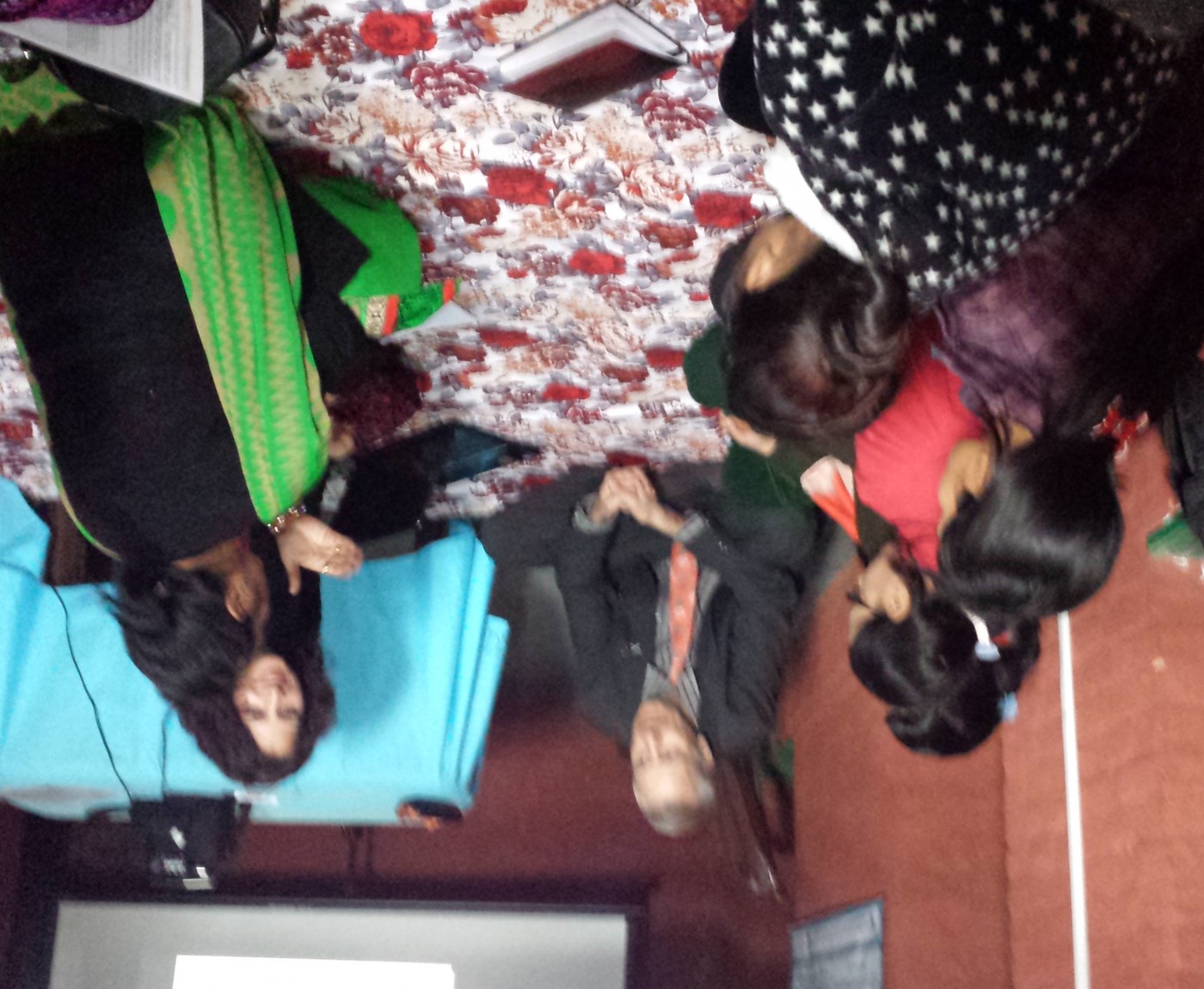
Today’s first training was delivered in Kathmandu to our friends and colleagues at MIDSON, the Midwifery Society of Nepal (the equivalent of the Royal College of Midwives in the UK). Joining Prof. Edwin van Teijlingen to deliver the first training session to Nepali midwives is Dr. Bibha Simkhada from Liverpool John Moores University. Bibha is a nurse in Wirral University Teaching Hospital NHS Foundation Trust as well as BU Visiting Faculty. The audience at MIDSON was very helpful in giving feedback on the planned training in the southern district of Nawalparasi (starting Sunday 10th January). The agreement is to run a one-day training session for ANMs (Auxiliary Nurse Midwives), and run this three day in a row for one-third of all the birthing centre staff from across the district. This means that the government birthing centres can stay open with the other two-thirds on the staff on any one day. Further detail on this BU-led THET project can be found in our recent academic article, which is available through Open Access: click here.
Professor Edwin van Teijlingen
CMMPH
BU is continuing to strengthen the partnership with Financial University under the Government of Russian Federation (FU) in Moscow, Russia. Faculty of Management academics, Dr Elvira Bolat (Department of Marketing), Dr Sukanay Ayatakshi Endow and Dr Parisa Gilani (both from the Department of Leadership, Strategy and Organisations) are organising one day FBU workshop titled ‘Digital momentum for SMEs’. FU is hosting the event which will take place on 12th March 2016. The FBU interactive workshop is targeting 40 attendees including Russian SMEs, marketing and management academics, and FU students.

Digital technologies have expanded the business opportunities made possible by the invention of the Internet. SMEs are particularly benefiting from the deployment of digital technologies and respective capabilities. Benefits include new jobs, new experiences in the form of services and products, innovative and cost-effective business models, new ways to fund startups as well as numerous options to effectively communicate with various stakeholders. Numerous workshops and conferences across the subjects around SMEs’ finances, SMEs’ marketing and management are all fragmented focusing on particular nuances of various aspects within the SMEs’ decision-making processes. Nevertheless, an interdisciplinary nature of this research field requires collective academic thinking – to result in recommendations which are meaningful and instrumental to increasing the impact of SMEs globally.
BU has teaching, research and professional practice interests across the disciplines contributing to the theme of the workshop, “Digital momentum for SMEs”. The aim of the FBU workshop is to communicate the existing research expertise of BU academics. Hence, the FBU workshop is grounded on previous events hosted and delivered by BU academics, (1) BU Festival of Learning 2013 workshop “Mobile momentum: Creating opportunities and being SMART ” (led by Dr Bolat); (2) “Social Entrepreneurship – What, How and Why?” event, in association with the School for Social Entrepreneurs (SSE) Hampshire (led by Dr Ayatakshi Endow). Hence, in addition to nurturing the BU and FU partnership, the FBU workshop will boost BU’s interdisciplinary research output, and increase contributions to teaching and grant proposals related to the following themes: (1) digital marketing; (2) entrepreneurship.
The FBU international workshop will cover the following list of research areas unique to BU:
The overall visit to Moscow will last up to four days which will include meetings with Russian academics regarding collaborative research agendas.
The Faculty of Health and Social Sciences held a public engagement and impact event for postgraduate researchers and staff on Tuesday 15th December. The event was chaired by Zoë Sheppard, Impact Champion for the Faculty, and Vanora Hundley, the Deputy Dean for Research and Professional Practice, took time out of her busy schedule to attend. Genna West, Knowledge Exchange and Impact Manager, kicked off by presenting the difference between public engagement and impact before Naomi Kay, Public Engagement Officer, outlined the internal and external public engagement activities. One of the co-founders of our local Café Scientifique, Sharon Docherty, then provided an overview of the initiative as well as describing a feedback session for research participants.
Angela Warren went onto present the fantastic resource that is the Carer and Service User Partnership and how they can help in public engagement and impact activities before Clare Farrance ‘got us on our feet’ presenting her experiences of informing practitioners as well as an exciting planned photo exhibition. After these inspirational presentations, attendees had a chance to plan their own public engagement and impact events before mince pies and mulled wine were consumed! Many thanks to everyone involved and may 2016 be full of public engagement and impact!
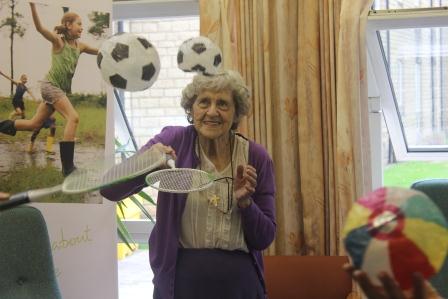
Public engagement and impact are important to consider if we want our research to make a difference. In response to this, one PhD student from the Faculty of Health and Social Sciences will use photographs to creatively disseminate research findings. The ‘Ageing Well Photographic Exhibition’ will share about the role community based exercise programmes play in adding to the health and wellbeing of older people. It will also be a great opportunity to showcase the positive aspects of active ageing.
To support the event Michele Board and Clare Farrance have been successful in securing a grant from the British Society of Gerontology. The support of the BSG for the event is a valuable endorsement of the important topic of positive ageing and enhancing our understanding of later life.
More details will be posted closer to the time of the event launch. In the meantime if you have any questions feel free to contact Clare at cfarrance@bournemouth.ac.uk
Dear all,
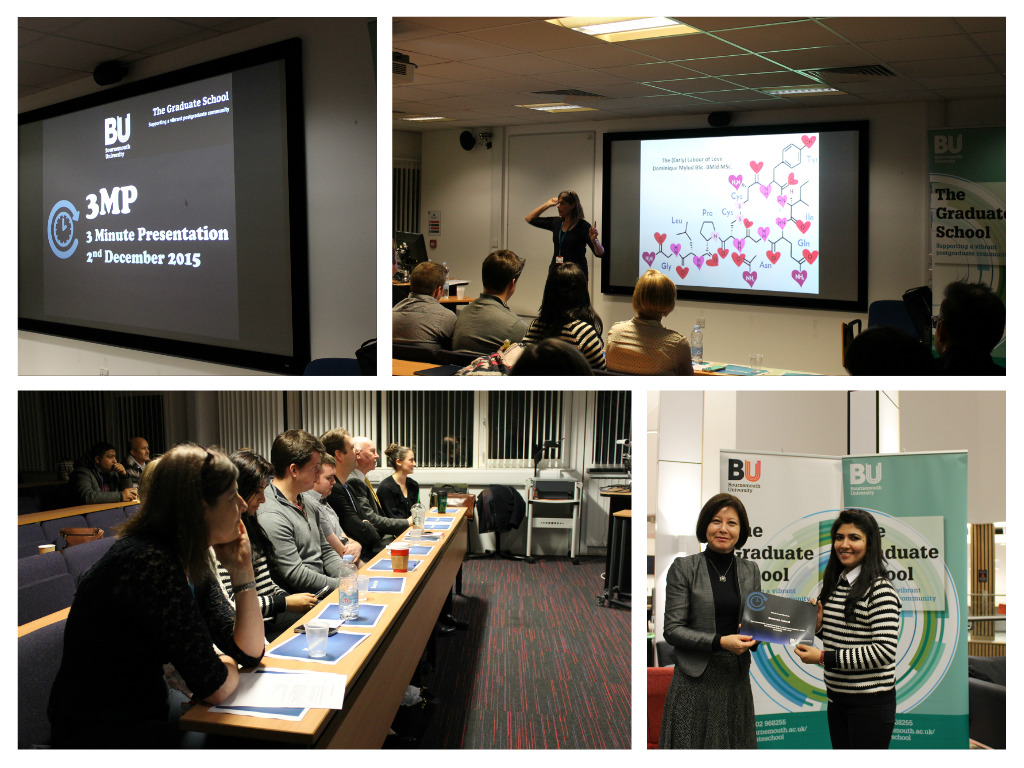
After the successful launch of the 3 Minute Presentation event (3MP) in December – we’ve decided to organise the next one for Wednesday 24th February 2016 at Talbot Campus in the run upto the 8th Annual Postgraduate Conference. To remind you, the 3MP format is an exciting way to learn about research in a bitesize and engaging way. If you missed the last 3MP event we had talks from each Faculty and some very topical subjects.
If you’d like to get involved in presenting please complete the 3MP application form here and submit it to pgevents@bournemouth.ac.uk before the 8th February 2016.
To attend please book your ticket via this link: 3MP Tickets
Here are just a few testimonials from our presenters:
Maria Musarskaya, Faculty of Management: “This was a great opportunity for us to share our research, to hear about other research that is taking place within the PGR community, to meet new PhDs & staff from across BU.”
Adrian Butterworth, Faculty of Media and Communication: “Great event and fantastic opportunity – has really concentrated my thoughts going forward…”
Dominique Mylod, Faculty of Health and Social Sciences: “Thank you so much for an enjoyable event and I had an adrenaline buzz for a couple of days.”
Hello!
14:live will be returning on the 8th of December 14:00-14:45 at Poole House Refectory, next to Papa Johns. This is open to all staff and students and I am pleased to welcome Sean Beer.
Sean Beer, from the Faculty of Management, will explore the ideas, tastes and smells of Christmas celebrations past and present. At the same time he will show how these experiences reflect social change and highlight how change may have unintended consequences in diverse areas such as the environment and social justice. Our existence is determined somewhere between the individual and ‘society.’ Sometimes we must be careful what we wish for.
It would be great to see you all there to listen to what’s going to be a very interesting talk with Sean Beer, and just to give you that little bit more incentive to come along, there will be 30 x tokens for the first 30 audience members to be exchanged for a FREE individual Papa John’s Pizza at the end of the talk, plus lots of free tea & coffee, don’t miss out! If you have any questions about this event or would like to hear about any other upcoming student engagement with research events, contact me on ocooke@bournemouth.ac.uk
…and other lessons in #Dataviz were presented by our BU Datalabs team at the National Co-ordinating Centre for Public Engagement’s Engage 2015 event in Bristol last week. The annual Engage event brings together university leaders in public engagement from across the UK.At Engage 2015 we focused on how data visualisations of research processes, findings and outputs can be created to reach different kinds of audiences. Stressing the importance of combining storytelling techniques, design principles and communication strategies into data visualisation, we designed two hands-on exercises for participants to put their public engagement expertise to work.
Sharing the ‘aesthetics of research’ with participants, James looked at how a data visualisation approach—when embedded throughout the research process from data gathering to research promotion—can increase public engagement and build pathways to impact. He noted that without data visualisation, there was little audience for this data on Iran’s human rights records, but after it’s re-imagining it as a data visualisation project, engagement soared.
In April 2015, the UK Intellectual Property Office (UKIPO) published three reports reflecting a legal and empirical study into the intellectual property (IP) implications of 3D printing. The project – commissioned by the UKIPO – was awarded to Bournemouth University and was led by Dr. Dinusha Mendis.
Together with Dr. Mendis, the research team consisted of Dr. Davide Secchi (Southern University, Denmark; previously Bournemouth University at the time of conducting the research) and Dr. Phil Reeves (Econolyst Ltd – now Stratasys Strategic Consulting Ltd).
All three reports can be found here and further information about the project, including research findings and recommendations for the UK Government, Industry and Intermediaries can be found here.
Since the publication of the reports, Dr. Dinusha Mendis, Co-Director of the Centre for Intellectual Property Policy and Management (CIPPM) has been invited to deliver a number of talks in UK and Abroad, thereby reflecting the impact of the research.
This blog-post, highlights the invited talks in EU. For the dissemination of research in UK, please see here.
34th ECTA Conference, Hamburg, Germany
On 12 June 2015, Dr. Mendis was invited to present the research at the European Communities Trade Mark Association 34th Annual Conference in Hamburg. The Conference took place from 10-13 June 2015 and Dr. Mendis spoke on the copyright implications of 3D printing based on the findings from the UKIPO project.
Dr. Mendis spoke on the topic as part of a Panel exploring the challenges to copyright law, which also included Professor Ian Hargreaves, Professor of Digital Economy, Cardiff University UK and author of the Hargreaves Review 2011.
For further information, please see here.
MAPPING Project, First General Assembly, Hannover, Germany
From 22-23 September 2015, the First General Assembly of the FP7-funded MAPPING Project was held in Hannover, Germany at the Hannover Congress Centrum.
MAPPING – Managing Alternatives for Privacy, Property and Internet Governance brought together stakeholders from three key areas including Internet Governance, Privacy and Intellectual Property.
Dr. Mendis was invited to speak in the Intellectual Property Panel titled ‘The EU IP Reform: Unlocking Culture, Stimulating Progress’. As part of the talk, Dr. Mendis was invited to speak on the UKIPO 3D Printing project.
Further information about the event can be found here.
OHIM Enforcement Conference, Alicante Spain
In November (18-20 November 2015) Dr. Mendis was invited by the Office for Harmonisation in the Internal Market (OHIM) in Alicante Spain. The 3-day event organised by OHIM, Europol and Eurojust explored issues on tackling enforcement in relation to the infringement of copyright and design law.
The event was attended by policy makers, law makers, customs and border protection officials, investigators, criminal analysts and industry experts amongst others.
Dr. Mendis presented at this conference together with with Dr. Davide Secchi (co-author of Study 1 of the UKIPO Project) and member of the research team which carried out the Commissioned work for the UKIPO.
Dr. Mendis and Dr. Secchi presented the research carried out particularly for Study 1 of the UKIPO project, but also took the opportunity to speak on next steps and future projects – in taking forward the UKIPO Project.
In this regard, Dr. Mendis spoke briefly about the work being carried out for the newly funded project considering a legal and empirical case study on 3D printing, 3D scanning and mass customisation of ancient and modern jewellery.
For more information about the new project, please see here. For further information about OHIM’s event, please see here.
FORUM Institut Management GmbH, 3D Printing and IP, Munich, Germany
On 1 December 2015, FORUM Institüt fur Management GmbH hosted an international conference exploring 3D Printing and IP Rights. The conference brochure including further details and speakers can be found here.
Dr. Mendis was invited to speak on the UKIPO Project with a particular focus on the implications for IP as a result of 3D online platforms as well as its impact on the industrial sector.
The presenters were drawn from industry, professional practice and academia thereby providing for a vibrant discussion.