Today one of my co-editors of the Journal of Asian Midwives emailed me to announce that our journal has been accepted for inclusion by Scopus.
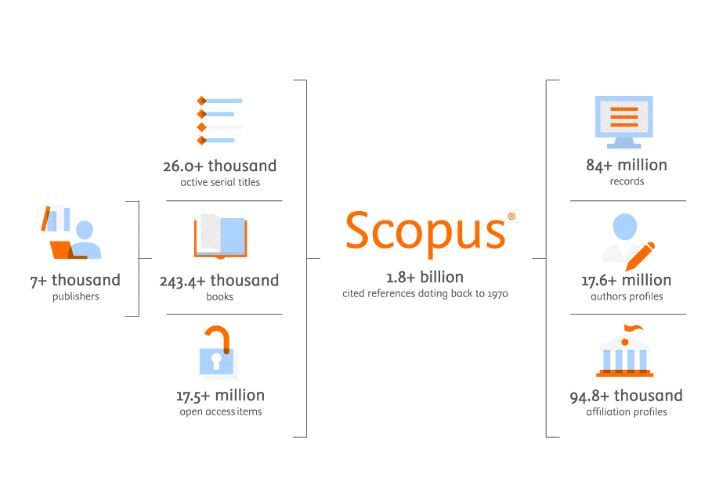 Scopus, which is owned by the publishing house Elsevier, is the world’s largest electronic database of peer-reviewed literature. The Scopus assessors of our application made some very nice comments about the Journal of Asian Midwives, for example that it:
“consistently includes articles that are academically sound and relevant to an international academic or professional audience in the field. The journal has scholarly relevance as evidenced by citations in other journals currently covered by Scopus… The journal has clear aims and scope/journal policies that are consistent with the journal’s content. Although the scope of this journal is narrow, it addresses the need of an important niche audience.”
 We are very proud of this achievement and we, as editors (Prof. Rafat Jan, Ms. Kiran Mubeen, Prof. Edwin van Teijlingen, with editorial assistant Ms. Abeer Musaddique), thank all our supporters, especially the library staff at The Aga Khan University in Pakistan, our reviewers, our authors and of course, you, our readers! I personally like to thank our former CMMPH (Centre for Midwifery, Maternal & Perinatal Health) PhD student Dr. Sheetal Sharma for suggesting many years ago that I might like to help this, at the time, new journal. It is a proper well-run peer-reviewed journal, and I know that from personal experience, as a few years ago one of the papers on which I am a co-author was rejected after peer review by ‘my’ journal!
Prof. Edwin van Teijlingen
CMMPH (Centre for Midwifery, Maternal & Perinatal Health)
Co-editor Journal of Asian Midwives






 This has been a busy few months for the International Early Labour Research Group (IELRG), which comprises members from across the globe. We had the opportunity to get together at the International Labour and Birth Research Conference in Grange over Sands this month, where early labour was a strong theme.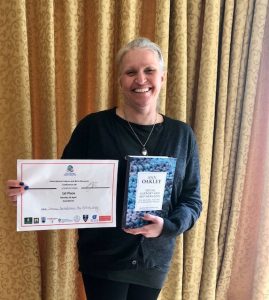


 Every year the Green Man Festival curate a line up which fuses performance, art, music and research to bring the world around us and our questions about it to life in the most wonderful ways.
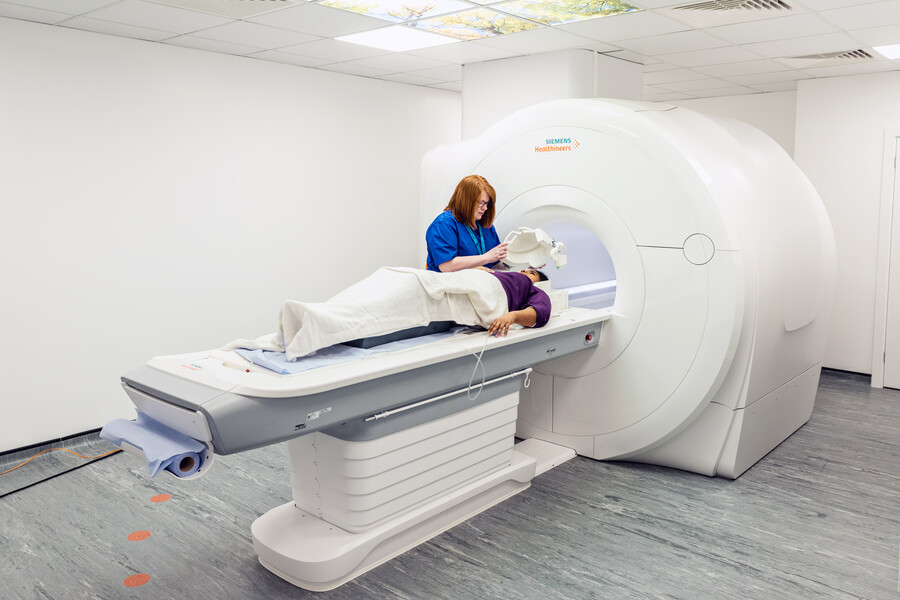 The Institute of Medical Imaging and Visualisation (IMIV) is pleased to announce the launch of the IMIV MRI Research Project Scheme 2023.
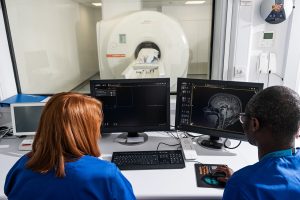 Applications close on Friday 7th July 2023.







 3C Event: Research Culture, Community & Connections – Wednesday 11 November 3-4pm
 ECR Opportunities: New Development Programme, Researcher Grants & Upcoming Events
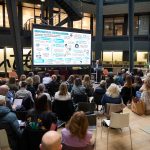 Help us capture BU’s knowledge exchange activity HE-BCI survey 2025–26
 Verbal autopsy paper published two days ago
 ESRC Studentships for 2027 Entry: Opportunity Now Open
 Horizon Europe Cluster 3 (Civil Security for Society) 2026 Calls Now Open
 MSCA Doctoral Networks 2026 Call Information Webinar
 ESRC Festival of Social Science 2026: Application Deadline Extended to Thursday 25 June 2026
 Reminder: Register for the ESRC Festival of Social Science 2026 Information Session
 ECR Funding Open Call: Research Culture & Community Grant – Apply now
 ERC Advanced Grant 2025 Webinar
 Update on UKRO services
 European research project exploring use of ‘virtual twins’ to better manage metabolic associated fatty liver disease