 Where: Kimmeridge House
When : Thursday 18 April, 12pm – 5.30pm
What:
Fusion is at the heart of BU and over the last 12 months a range of funds and activities have been undertaken to help drive Fusion through our university.
The Fusion in Action half day conference on April 18 showcases the best examples of Fusion in Action from around the university.
The schedule of the day can be seen below but is subject to changes:
| Time | Presenter/s | Detail |
| 12:00pm | n/a | Arrival, networking and lunch with the opportunity to look at the posters and exhibitions |
| 12:45pm | UET | Introduction from Tim McIntyre-Bhatty on Fusion and the benefits of BU’s investment in Fusion during 2012-13 |
| 1:00pm | BUDI | Presentation from Anthea Innes about the BU Dementia Institute and activities undertaken during 2012-13 in support of Fusion |
| 1:25pm | BU academic | Presentation from Genoveva Esteban on her funding from the Fusion Investment Fund |
| 1:50pm | UG student | Presentation from Alexander Hall who has benefited from the Global Horizons Fund |
| 2:15pm | PGR student | Presentation from a PG researcher Marketa Zezulkova who has benefited from the PGR Development Fund |
| 2:40pm | n/a | Afternoon break with the opportunity to look at the posters and exhibitions |
| 3:10pm | Student, supervisor and external sponsor | Presentation from Sheetal Sharma on her match funded studentships (presenters to include the student, supervisor and external sponsor) |
| 3:40pm | BU academic | Presentation from Zulfiqar Khan who has led one of the international projects funded by the FIF |
| 4:05pm | UET | Panel Q&A session with representatives from all presentations to be chaired by Matthew BennettThis should open with a brief discussion of the key points raised from each of the previous presentations with an emphasis on linking to future funding ideas, followed by Q&A from the audience |
| 4:40pm | UET | Closing presentation by Tim McIntyre-Bhatty to sum up key messages and promote forthcoming Fusion opportunities |
| 5:00pm | n/a | Wine and nibbles with a final opportunity to look at the posters and exhibitions |
| 5:30pm | n/a | Event close |
There will also be posters showcasing various Fusion projects for you to view during the conference and Fusion Investment Surgery drop in sessions where you can discuss a potential application with a member of the Panel.
This is a great opportunity to find out how Fusion is in action throughout BU and also learn more as to how you can get involved and secure funding.
Bookings are essential and can be done via the Staff Development Webpage.
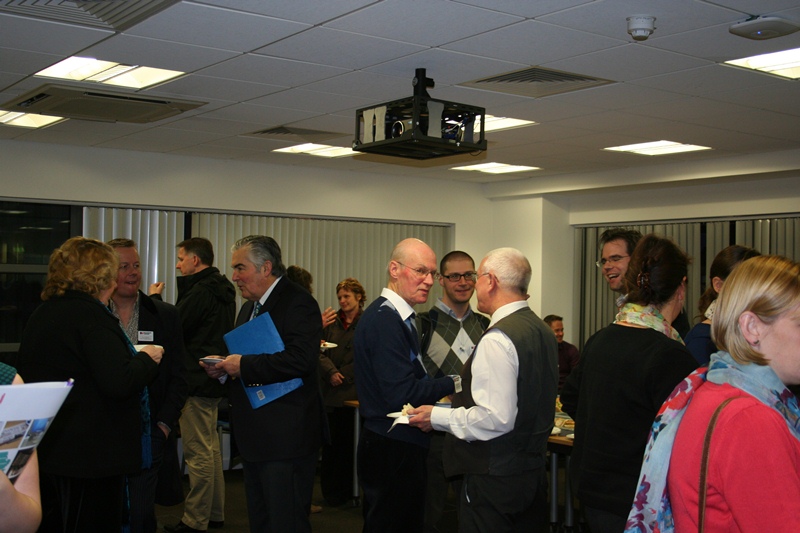

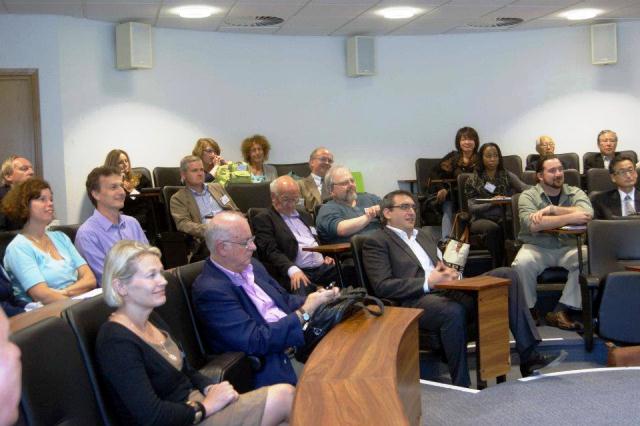
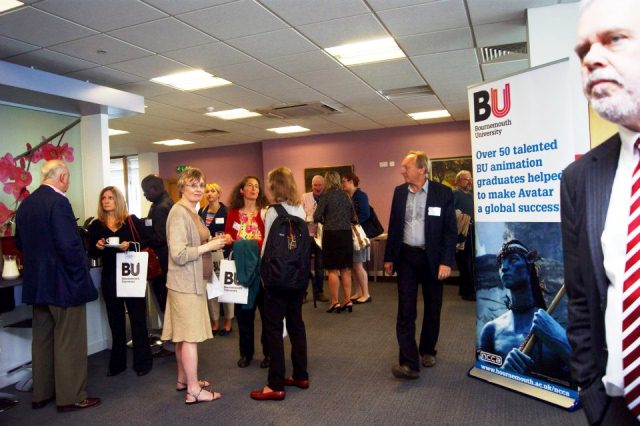





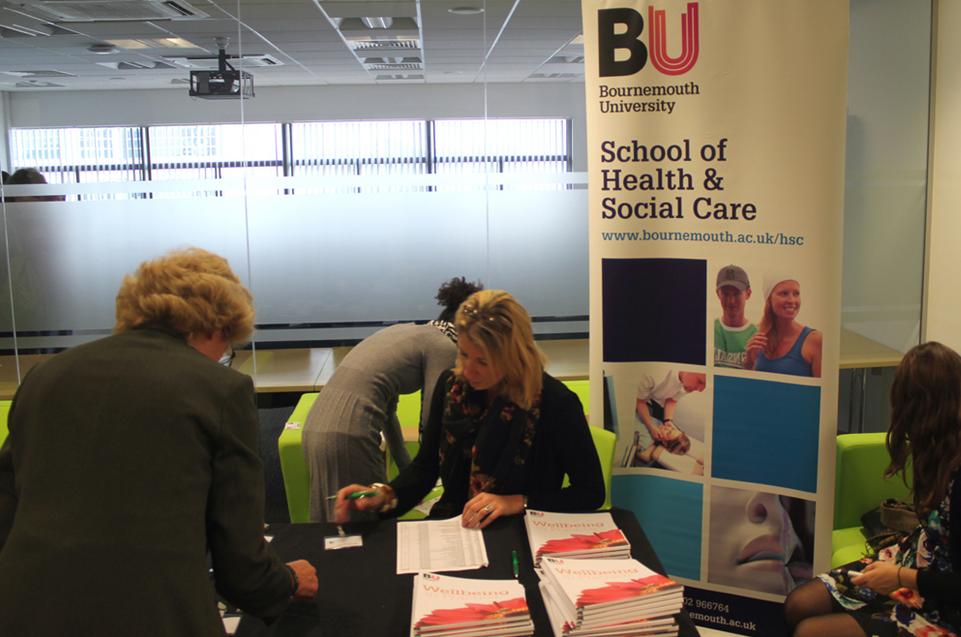
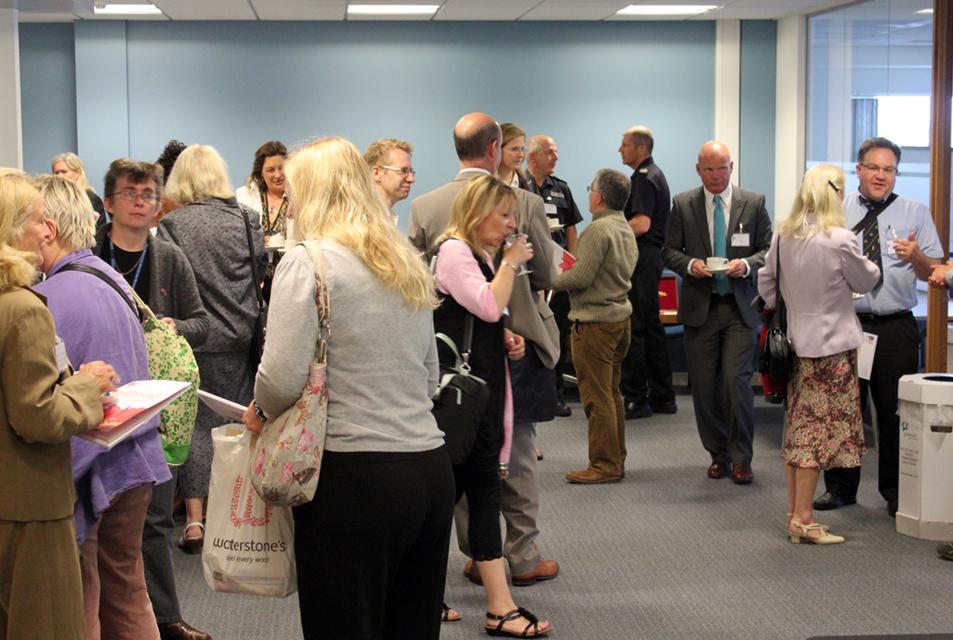


 On Wednesday this week BU hosted a REF Team-supported event for universities in the south of England explaining the content of the recently released REF Panel Working Methods and Criteria documentation. This was the second REF event that has been hosted at BU in the past 12 months. The first event was held in May 2011 and you can read about it here:
  After break there were four concurrent sessions, each focusing on one of the Main Panels. Event attendees could choose to attend one session. The session were led by: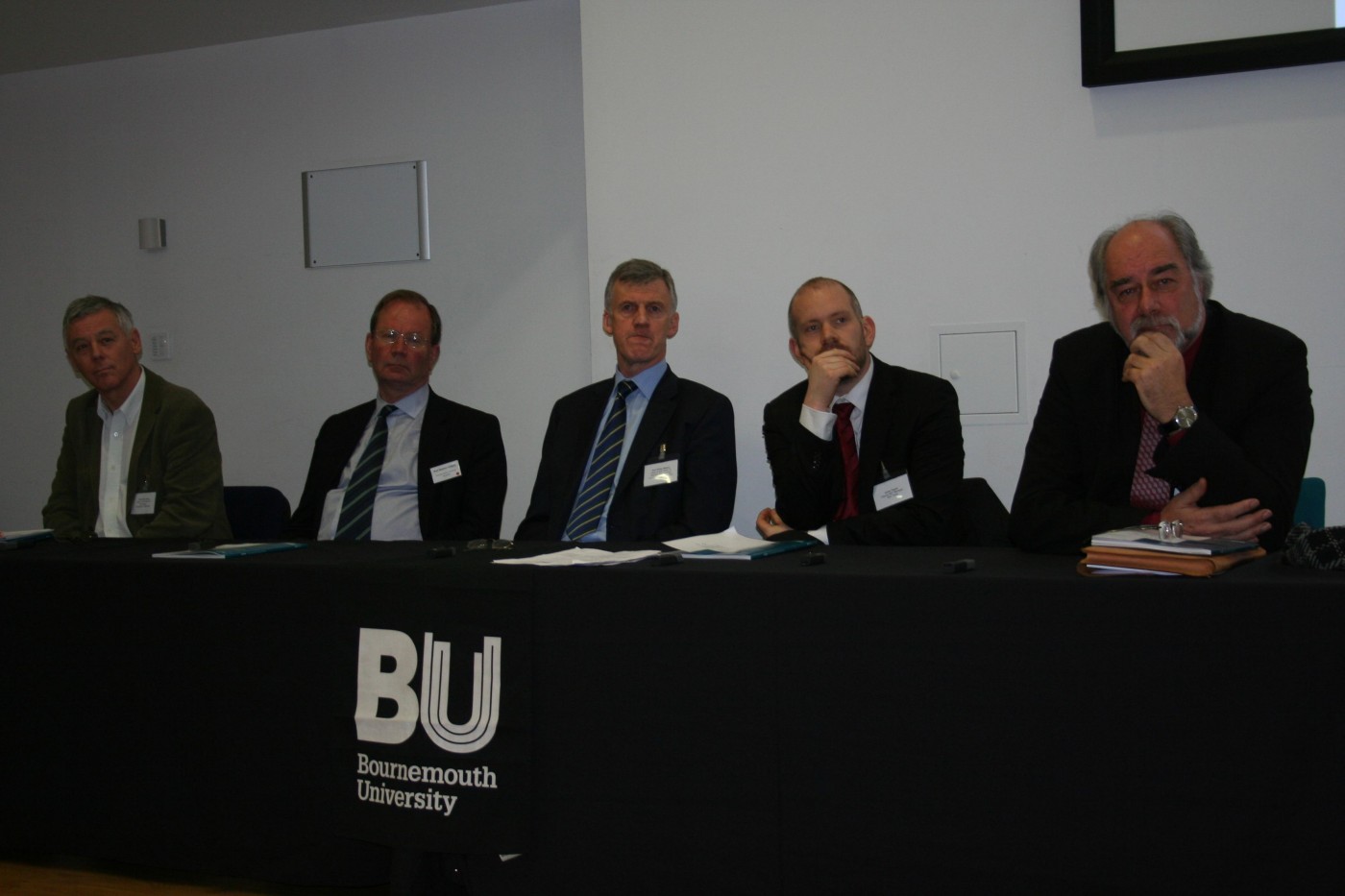
 Then come to our free Open Access event this Wednesday in the EBC!







 National Postdoc Appreciation Week 2026: The Changing Landscape of Postdoc Careers
 NIHR Insight South West Central Conference 2026 at Bournemouth University
 BU PhD student presented at World Safety Conference in South Africa
 National Research Supervision Recognition: Apply Now & Join the Supporting Workshop on 16 September
 Horizon Europe Cluster 3 (Civil Security for Society) 2026 Calls Now Open
 MSCA Doctoral Networks 2026 Call Information Webinar
 ESRC Festival of Social Science 2026: Application Deadline Extended to Thursday 25 June 2026
 Reminder: Register for the ESRC Festival of Social Science 2026 Information Session
 ECR Funding Open Call: Research Culture & Community Grant – Apply now
 ERC Advanced Grant 2025 Webinar
 Update on UKRO services
 European research project exploring use of ‘virtual twins’ to better manage metabolic associated fatty liver disease