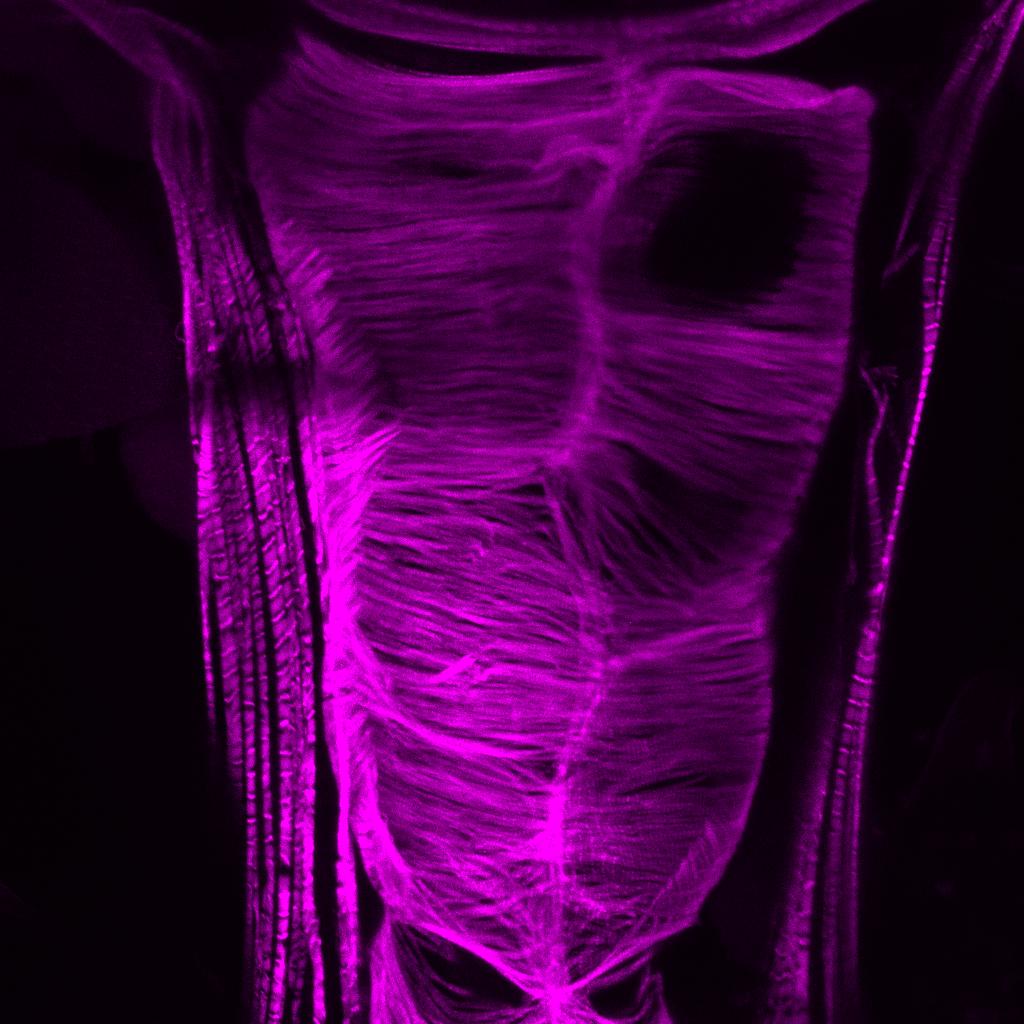
The heart of a fly. Two cells wide and capable of beating five times per second, the fly heart is helping us unlock the secrets governing our own heart’s function.
Research funded by the British Heart Foundation and conducted both here and at the Sanford-Burnham-Prebys Medical Discover Institute near San Diego in California, is to be published in the American Heart Association’s journal Circulation: Cardiovascular Genetics.
The work identified a genetic pathway linking cardiac function with expression of a protein called SPARC (Secreted Protein Acidic and Rich in Cysteine). In humans, increases in SPARC accompany cardiac ageing, inflammatory disease, obesity and cancer. As a consequence SPARC is a potentially very important therapeutic target in a wide range of important clinical settings. Our work, which utilised the fly Drosophila, demonstrated that heart dysfunction (cardiomyopathy) could be cured by reducing SPARC gene expression. Establishing this link allows us to ascertain the mechanism by which SPARC contributes to cardiac function in humans. Whilst the human heart is significantly more complex than that of a fly, their early development and function are controlled by similar genetic pathways; evolution may have added to the human heart but it has not changed its fundamentals. Hence, we’re able to learn a lot about ourselves by studying this simple, yet very sophisticated, little insect.
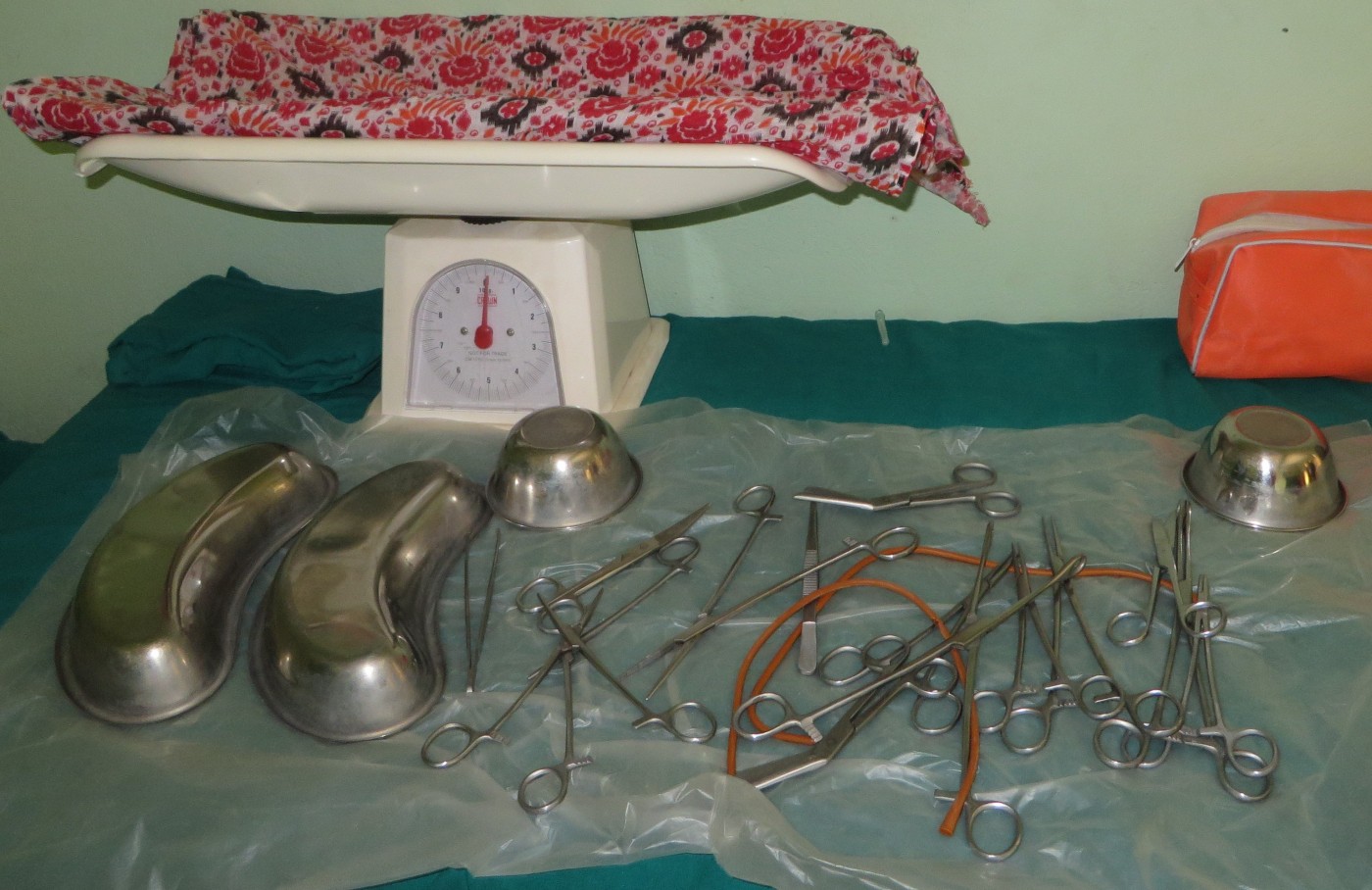
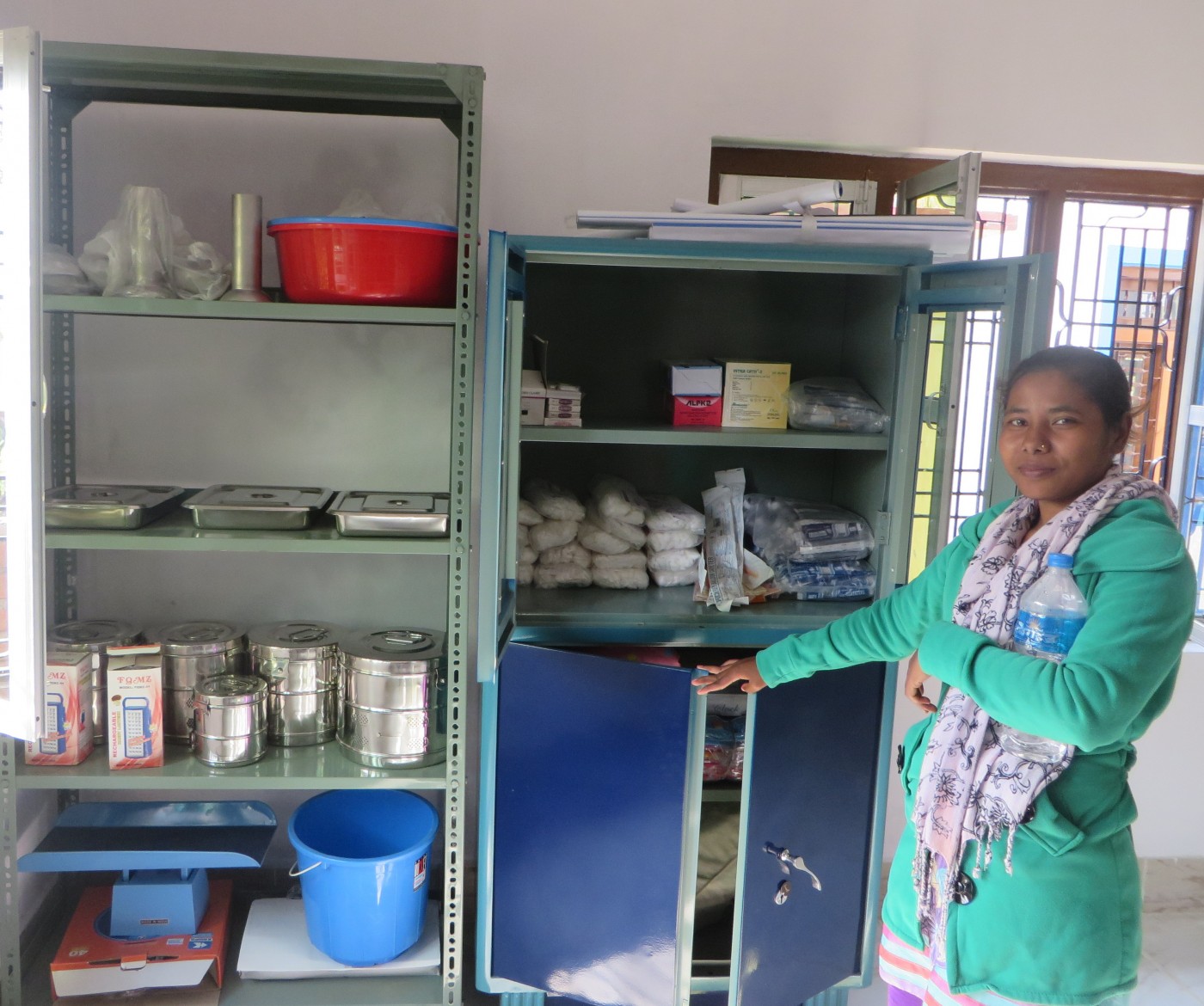


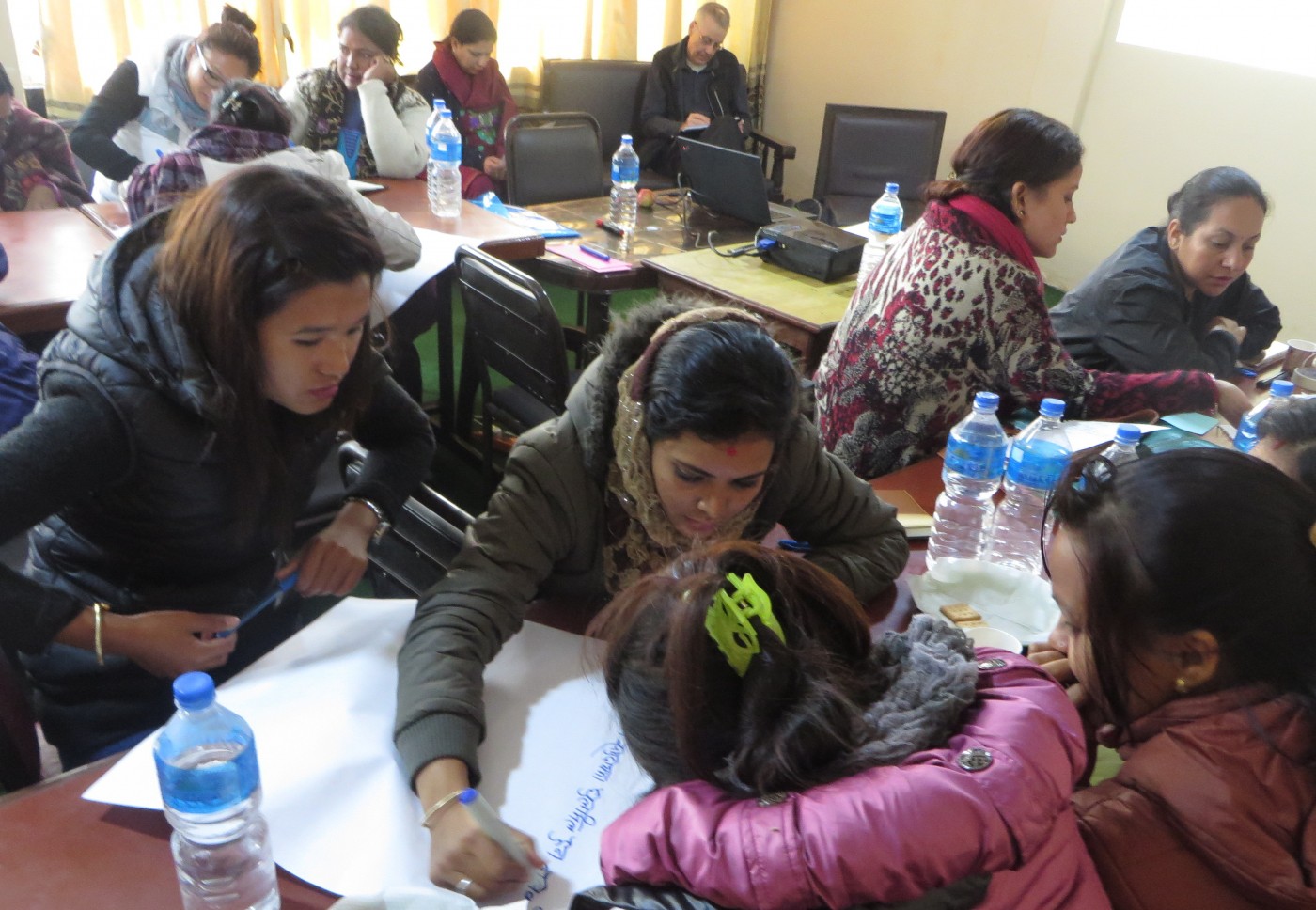
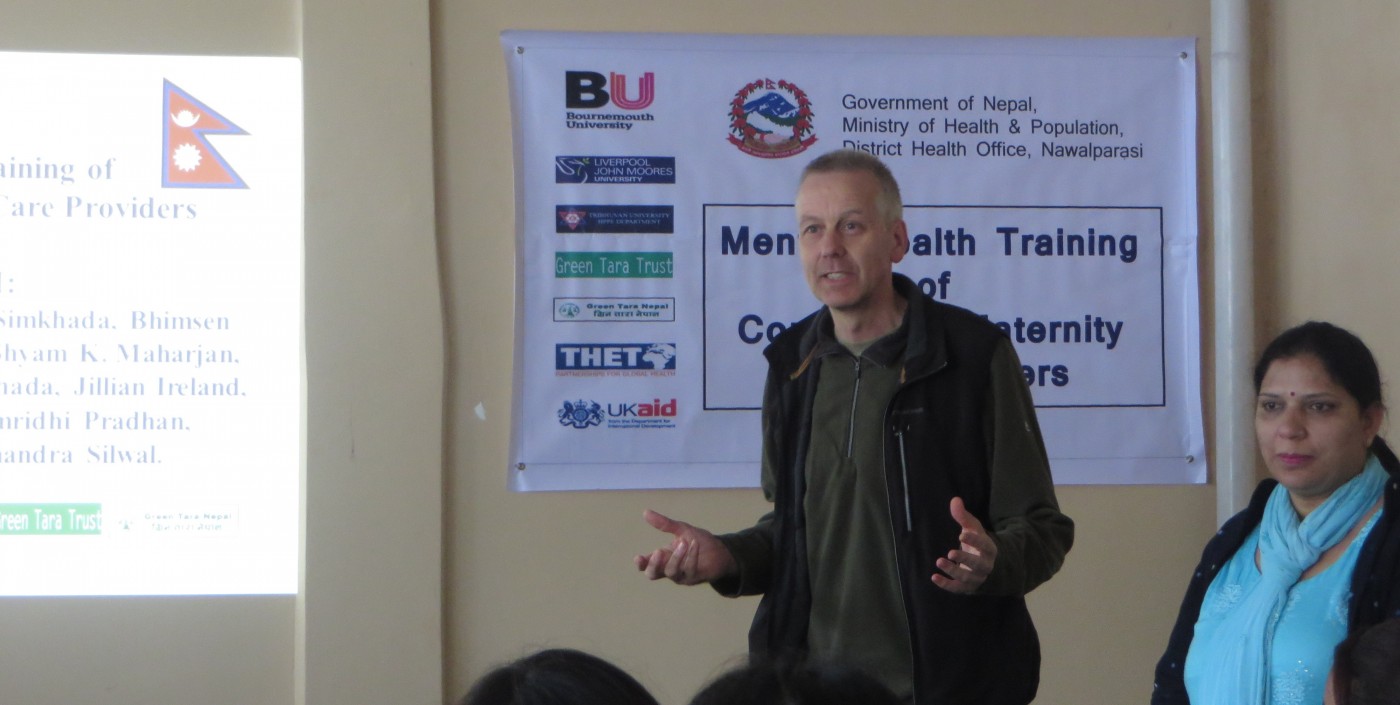

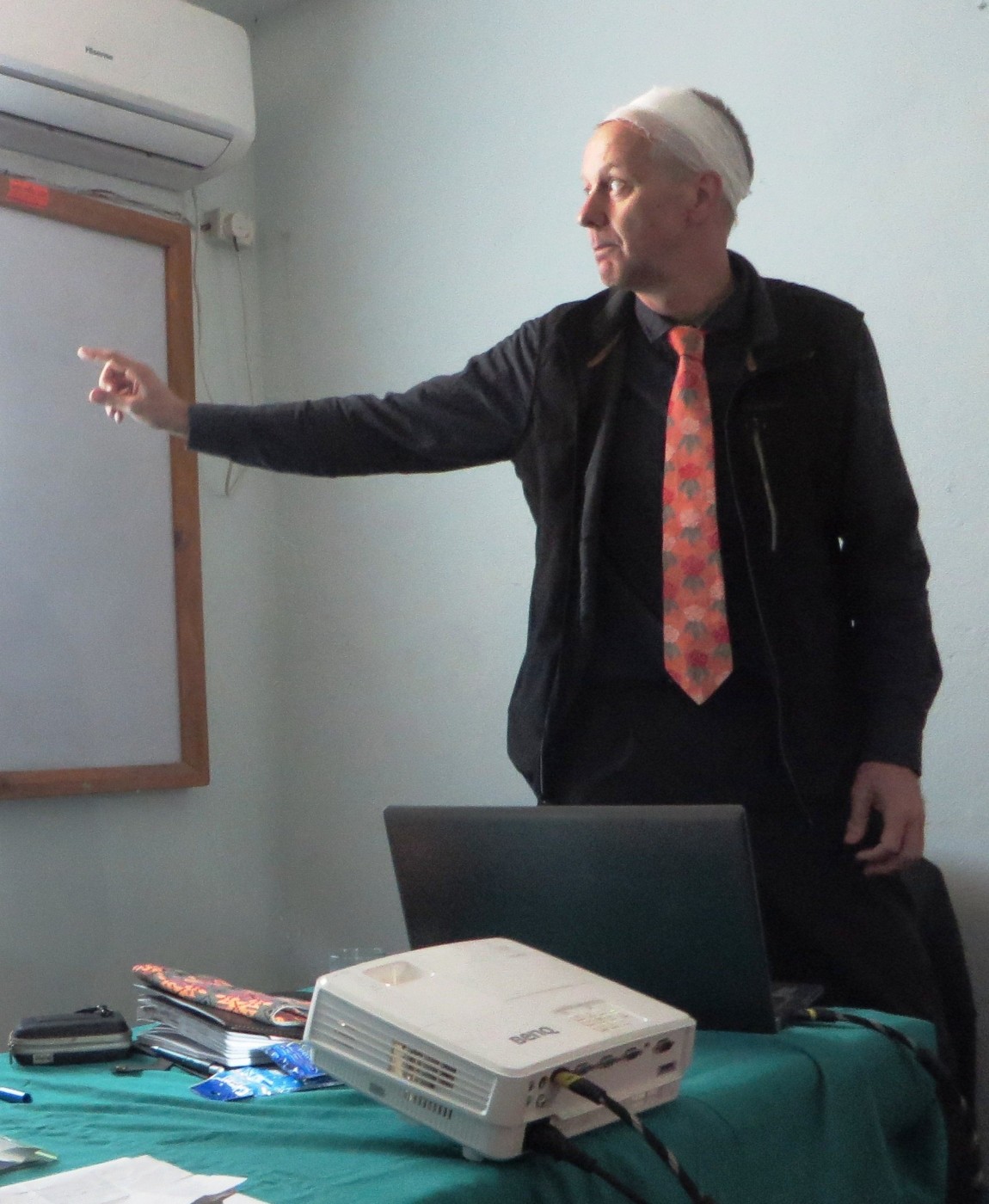
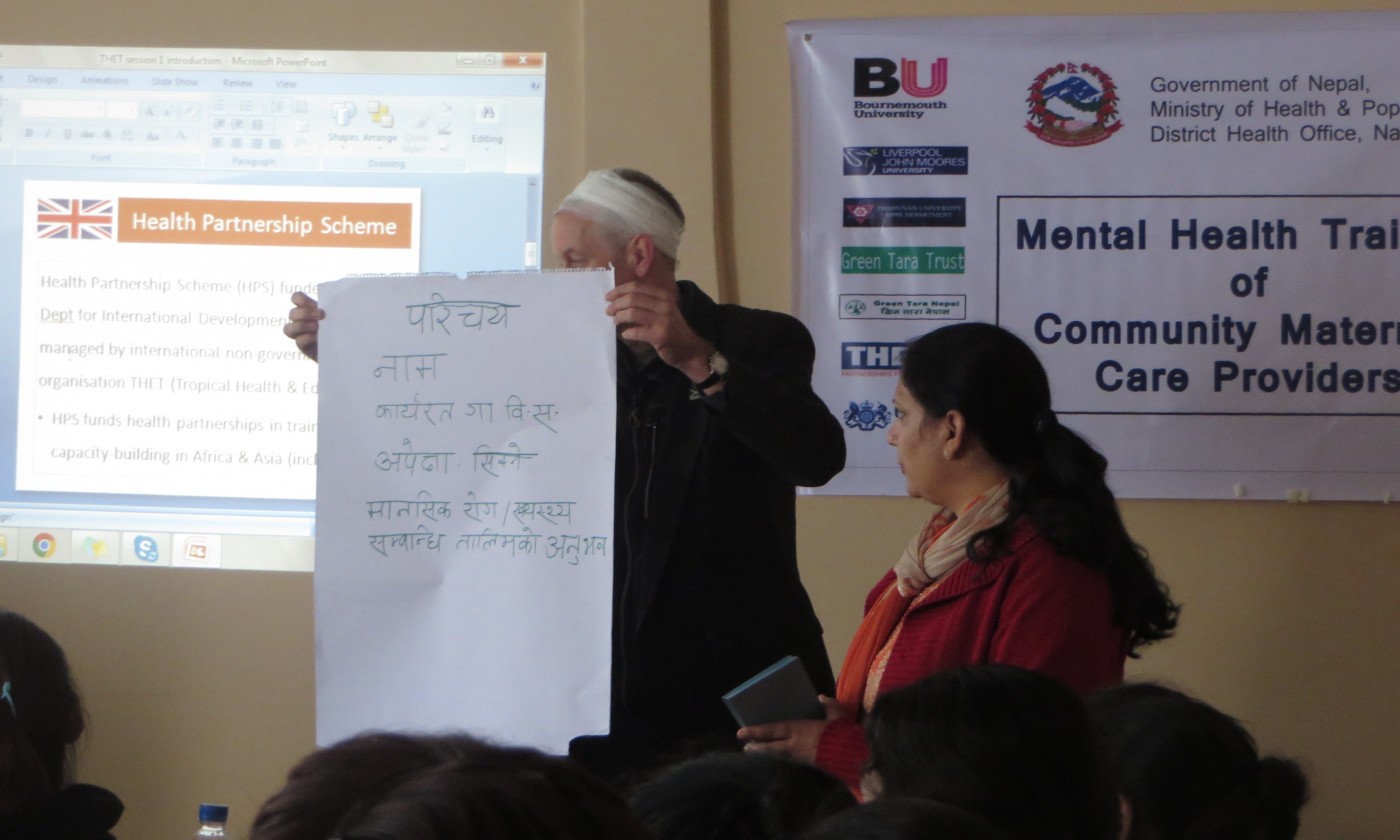
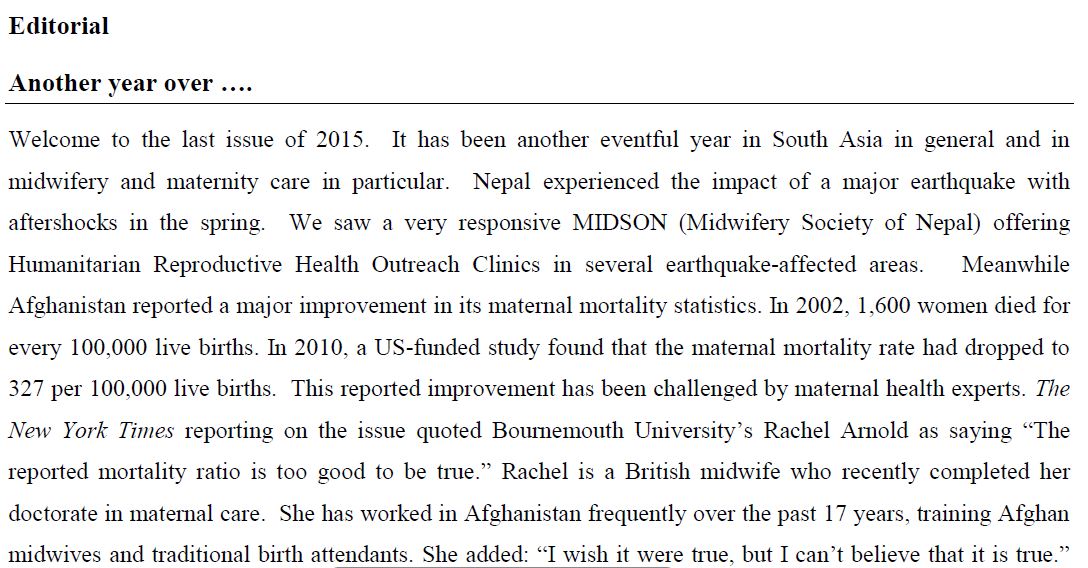

 with BU on a range of health and maternity-care projects. The birthing centre has been improved since our last visit one year ago. There now is a newly build decomposition pit for the disposal of placentas. There is a new postnatal recovery room, and the number of local women giving birth in the facility has been increasing! When we arrived a new baby had just been born an hour or so earlier (second photo with proud father on the right).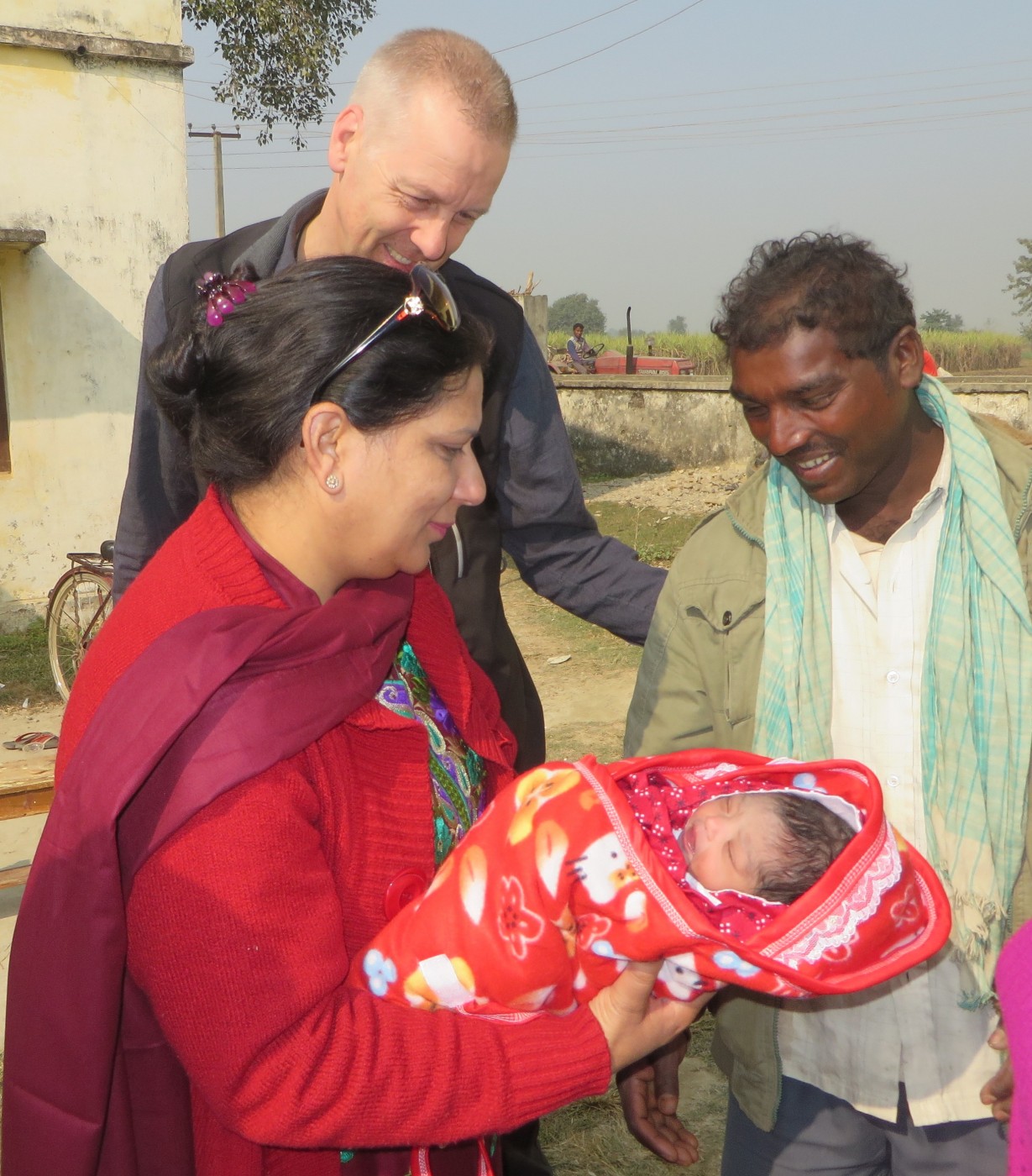









 New interdisciplinary paper on Nepal
 National Postdoc Appreciation Week 2026: The Changing Landscape of Postdoc Careers
 NIHR Insight South West Central Conference 2026 at Bournemouth University
 BU PhD student presented at World Safety Conference in South Africa
 Horizon Europe Cluster 3 (Civil Security for Society) 2026 Calls Now Open
 MSCA Doctoral Networks 2026 Call Information Webinar
 ESRC Festival of Social Science 2026: Application Deadline Extended to Thursday 25 June 2026
 Reminder: Register for the ESRC Festival of Social Science 2026 Information Session
 ECR Funding Open Call: Research Culture & Community Grant – Apply now
 ERC Advanced Grant 2025 Webinar
 Update on UKRO services
 European research project exploring use of ‘virtual twins’ to better manage metabolic associated fatty liver disease