The UK Data Service provides researchers with trusted, flexible support, training and access to the UK’s largest collection of social, economic and population data. They also organise a wide range of free events. Click on the links below for more information on, and to book for, the following events:
Workshops
Understanding census microdata for research purposes using the Scotland data collection
30 May 2019, 10.00 – 13.00
Administrative Data Research Centre – Scotland
Are you interested in learning more about census microdata and how they can be used in research? Have you considered using census data but are not sure what is available? This free workshop will introduce you to the UK Data Service census microdata collection and the Scottish Longitudinal Study. Although the census microdata collection covers the UK as a whole, this workshop will have a special emphasis on the collection for Scotland.
Webinars
Webinar: Key issues in reusing data
23 May 2019, Online, 15.00 – 16.00 BST
Participants will hear about the key issues in secondary analysis as a method. The introductory session will briefly cover the pros and cons of reusing data and the importance of learning about the origins of your data. Quantitative and qualitative secondary analysis will be discussed with examples and issues of context, sampling and ethics will be raised.
Webinar: Guided walk through ReShare
6 June 2019, Online, 15.00 – 16.00 BST
Are you an ESRC grant holder, whose grant has ended and is required to submit your research data into the ReShare repository? Are you a researcher interested in depositing data into ReShare to make them available for reuse, or as evidence for a published paper? Are you just curious to explore how publishing in ReShare happens in practice? Join our interactive online webinar, where we will ‘ walk’ you through the process of submitting a data collection into the ReShare repository. We will then answer any questions you may have about ReShare and depositing your data with us.
27 June 2019, Online, 15.00 – 16.00 BST
The Office for National Statistics (ONS) is transforming the way its surveys collect data. It is introducing an online mode and designing for a web-first approach to mixed-mode collection, which brings challenges and opportunities. This webinar will be presented by Natalia Stutter, a Senior Research Officer at ONS. Natalia will describe how ONS is transforming the respondent communication strategy and user journey to help tackle barriers to opening letters and achieving a good response rate in online-first and mixed mode social surveys.
1 July 2019, Online, 15.00 – 16.00 BST
The Office for National Statistics (ONS) is transforming the way its surveys collect data. It is introducing an online mode, and designing for a web-first approach to mixed-mode collection, which brings challenges and opportunities. This webinar will be presented by Emma Dickinson, a Senior Research Officer at ONS. Emma will describe how ONS is developing a respondent-centric approach to moving survey data collection online, with a specific focus on collecting household and sociodemographic information.
User Conferences
Family Finance Surveys User Conference 2019
19 June 2019, 9.30 – 16.30
Lift, Islington, London
Organised by the UK Data Service in collaboration with the Department for Work and Pensions and the Office for National Statistics. The programme contains a mixture of papers from data producers and researchers, including presentations based on analysis of the UK family finance surveys. The conference will allow users to hear updates from the data producers on the main surveys, including the Family Resources Survey, Living Costs and Food Survey, and the Wealth and Assets Survey.
Health Studies User Conference 2019
10 July 2019
University College London
The annual Health Studies User Conference, organised by the UK Data Service in collaboration with UCL and NatCen Social Research, is a full-day conference and is free to attend. The conference will allow users to hear updates from the data producers on key UK cross-sectional health surveys and key UK longitudinal studies with health-related content.
Other events
Open data dive: Plastic use reduction
6 July 2019
Federation House, Manchester
The UK Data Service and methods@manchester are running an Open Data Dive on plastic use reduction. The data dive will bring together coders, data enthusiasts, graphic designers, project managers and pizza lovers to analyse and visualise open social and economic data about plastic use reduction.
The Challenge: Local to global: The data in plastic, from single use carrier bags to international emissions from plastic manufacture – data strategies for plastic reuse reduction.
We are delighted to be welcoming some special guests including Duncan Millard, Chief Statistician, and Head of the IEA Energy Data Centre to speak about the increasing use of oil for non-energy uses and the wealth of international data relating to plastic manufacture, usage and waste.







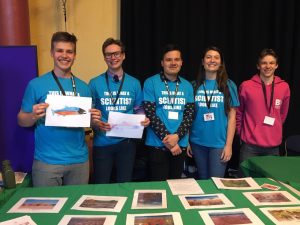
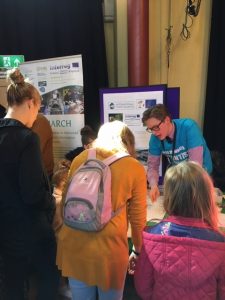






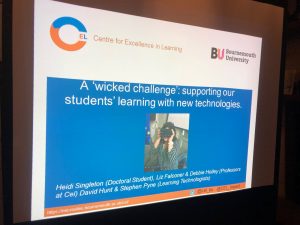
 Education is changing – but what does this look like in practice? What does the future of learning hold for students? At Bournemouth University we are responding to research that considers how teachers of the future will work with their classes.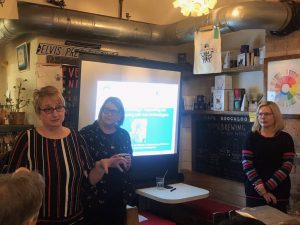
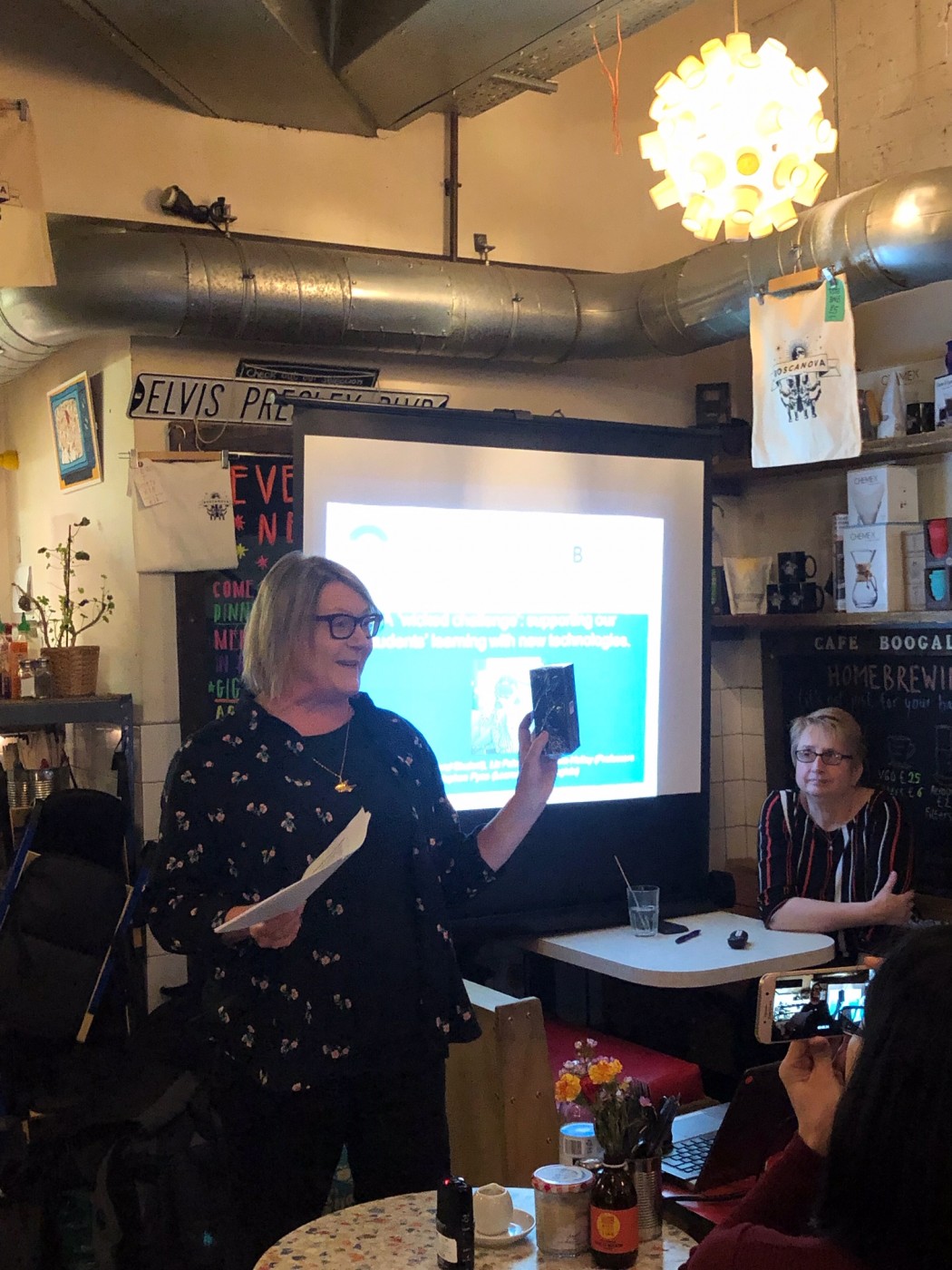



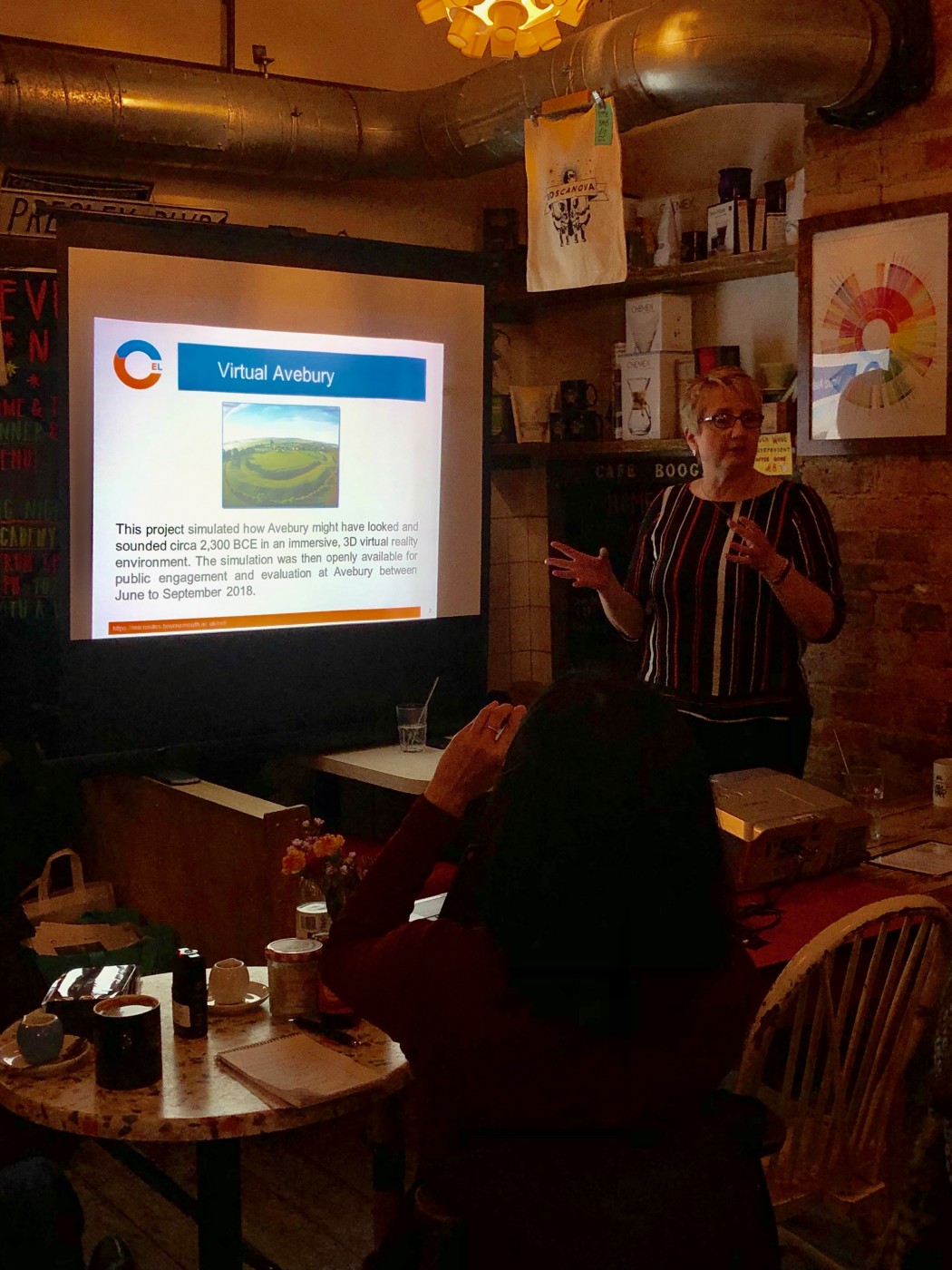 Not only did people enjoy visiting the VR Avebury, but for some it brought out an emotional reaction as they felt they had experienced some of what it would have been like to have visited the ancient site when it was still complete. One of the participants said; “I felt completely immersed in the landscape. It was really interesting to see the difference between the real stones outside and the simulation. The difference between the sizes of the banks and ditches was particularly striking!” Liz concluded with her favourite finding; that women over the age of 60 were the third most likely group to enjoy gaming (mostly on their mobile phones). It reminds us all not to pre-judge what we think people will find enjoyable and useful as a learning experience.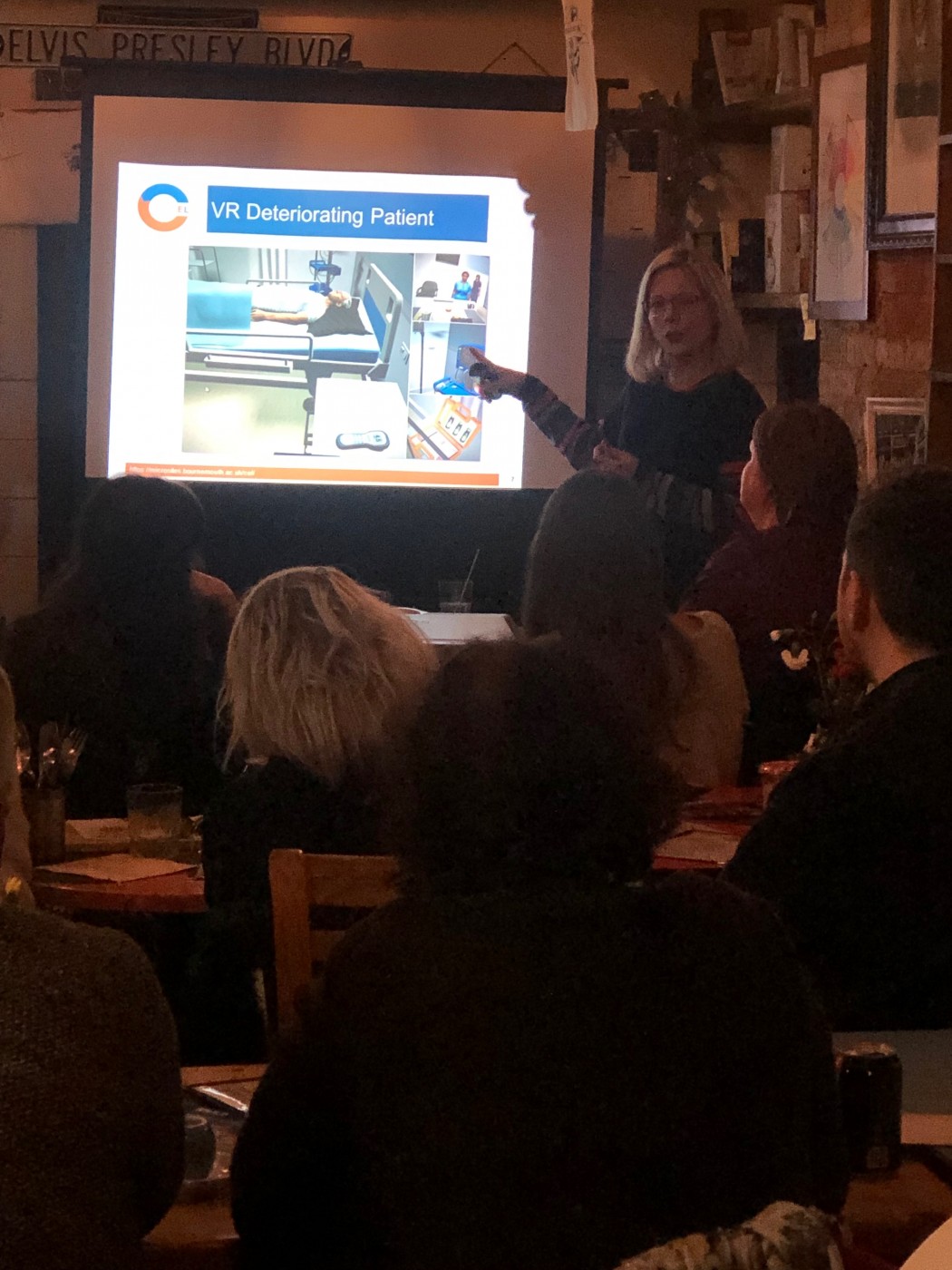
 If you’re interested in finding out more about VR, AR or 360 Video you can contact the







 Verbal autopsy paper published two days ago
 ESRC Studentships for 2027 Entry: Opportunity Now Open
 SONAMONI contributions to Safety Conference 2026 in South Africa
 Three CMWH presentations at Berlin conference
 Horizon Europe Cluster 3 (Civil Security for Society) 2026 Calls Now Open
 MSCA Doctoral Networks 2026 Call Information Webinar
 ESRC Festival of Social Science 2026: Application Deadline Extended to Thursday 25 June 2026
 Reminder: Register for the ESRC Festival of Social Science 2026 Information Session
 ECR Funding Open Call: Research Culture & Community Grant – Apply now
 ERC Advanced Grant 2025 Webinar
 Update on UKRO services
 European research project exploring use of ‘virtual twins’ to better manage metabolic associated fatty liver disease