Dr Choe in Dept of Events and Leisure is co-organising a
Nexus of Migration and Tourism: Creating Social Sustainability Symposium at Vietnam National University, Hanoi Vietnam (20-21 September). BU Prof Adele Ladkin will give a keynote presentation among 4 other world renowned scholars. Please see more information here:
https://tourism-migration.co.uk/
The registration is open, and we are delighted to have received diverse and interesting papers from over 17 countries and various disciplines. Please join us for a set of international papers, 5 amazing keynote speakers, networking opportunities and publication possibilities!
We are also very pleased to announce that we will organize two special issues:
-‘Migration and Tourism: Creating Social Sustainability’ in the Journal – Tourism Geographies (http://www.tgjournal.com/). Please send your paper to Dr Choe via email (jchoe@bournemouth.ac.uk) by the 15th of December. The paper should be related directly to the theme of the symposium, and must follow the journal’s submission guidelines: http://www.tgjournal.com/notes-for-authors.html
-‘Tourism and Sustainable Development’ in the Journal e-Review of Tourism Research (https://ertr.tamu.edu/). Please send your manuscript to Dr Choe via email by the 15th of December. Paper format guidelines are available at https://ertr.tamu.edu/paper-submission/
We are absolutely excited and grateful to confirm the keynote speakers and their presentation titles:
Prof Michael Hitchcock, Goldsmiths, University of London
‘Tourist and Resident Relations: A Comparison of Hong Kong and Macau’
Prof Adele Ladkin, Bournemouth University, UK
‘Family Ritual 2.0: When Work Take Us Away from Home’
Prof Alan Lew, Northern Arizona University, USA
‘Diaspora Migration and Social Sustainability: A Tourism and Resilience Perspective’
Prof Sabine Marschall, University of KwaZulu-Natal, South Africa’
‘But Is It Tourism?’ Social Sustainability and the Blurred Boundaries between Travel, Tourism and Migration’
Prof Noel Salazar, KU Leuven, Belgium
‘Migration and Tourism Mobilities: Time to Bring Sustainability into the Debate’
Symposium Aims
Despite rapid tourism economic development, and research into labour and employment such as economics and employment issues, research hasn’t caught up to the rapidly changing issues, such as tourism linked migration and social and cultural aspects of sustainability. Thus, we invite you to discuss, reflect and develop upon issues pertaining to sustainability and the nexus of migration and tourism. We are particularly interested in the complexities of trends, issues, challenges and opportunities around migration linked tourism, which remains a relatively minor part in academic research. While large numbers of migrant workers move to ‘new’ tourist destinations such as Singapore, Hong Kong, Macau and Dubai for employment, issues pertaining to social sustainability (e.g., well-being, quality of life, integration, the distribution of power and resources, employment, education, the provision of basic infrastructure and services, freedom, justice, access to influential decision-making) have yet to be fully developed within tourism research.
We invite contributions from a variety of disciplines including anthropology, cultural/human geography, sociology, psychology, cultural studies, economics, border studies, leisure studies, tourism studies and hospitality/event management. We invite you to submit papers on topics that include (but are not limited to):
– (Re)definitions of sustainability
– Equitable access and the sustainability of the community
– Creating socially sustainable communities
– Migrant quality of life/ community well-being in tourist destinations
– Migrant tourism workers’ integration & inclusion
– Migration and tourist community formation
– Conflicts between/intersection of tourists, local residents and migrant workers
– Tourism (im)mobilities, ethics, morals and (in)justice
– Tourism mobilities and border crossings
– Human security, transnationalization and citizenship
– Social networks, borders and the allure of tourist destinations
– Gender and mobility in tourism
– Intersectionality, gender and race
– Roles of religion in tourism migration and mobilities
– Religious and spiritual mobilities and tourism
– Migrant leisure spaces, constraints and opportunities
– Academic mobilities / Mobilities in education
– Social sustainability in ASEAN tourism development
– Social sustainability and future directions
– Destinations resilience
– Effect of Brexit and Trump on tourism and migration
While we have closed the public abstract submissions process, we have room for a small number of quality papers, if fitting to the symposium aims. If you are interested, email Dr. Jaeyeon Choe (jchoe@bournemouth.ac.uk).
Thank you!

 Congratulations to two members of Bournemouth University’s Visiting Faculty Minesh Khashu and Jillian Ireland on the publication of their paper ‘Fathers in neonatal units: Improving infant health by supporting the baby-father bond and mother-father co-parenting ‘ which has been accepted this week by the Journal of Neonatal Nursing. [1] Prof. Minesh Khashu is the lead Consultant Neonatologist and Jillian Ireland is Professional Midwifery Advocate and both are based at Poole Hospital NHS Foundation Trust.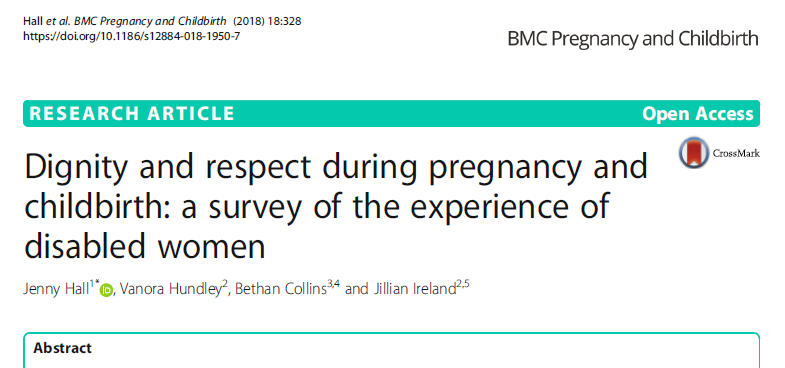

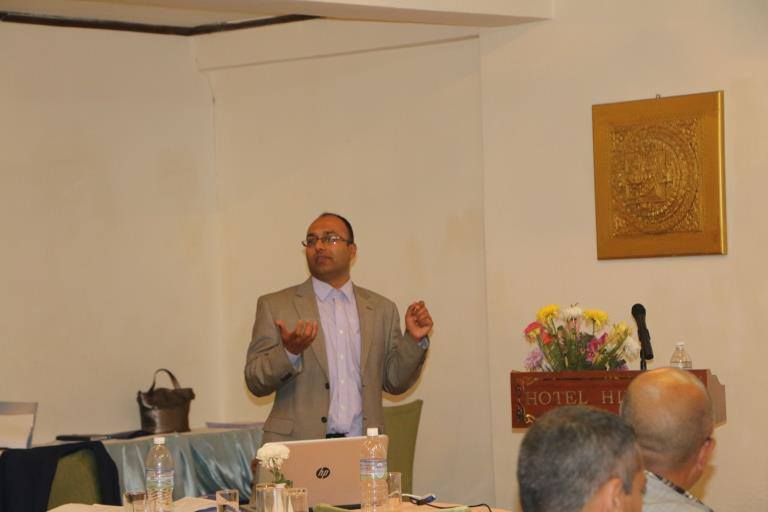
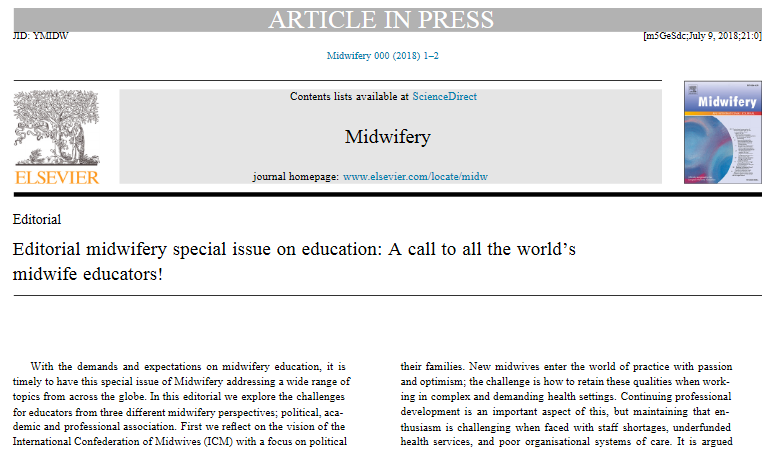




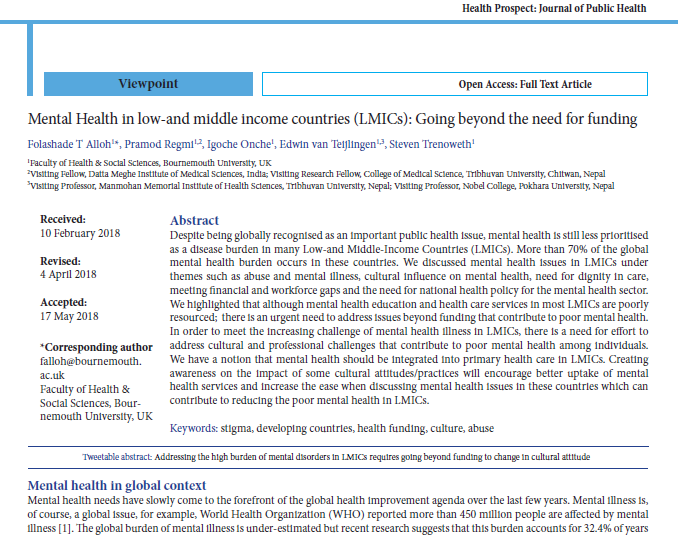
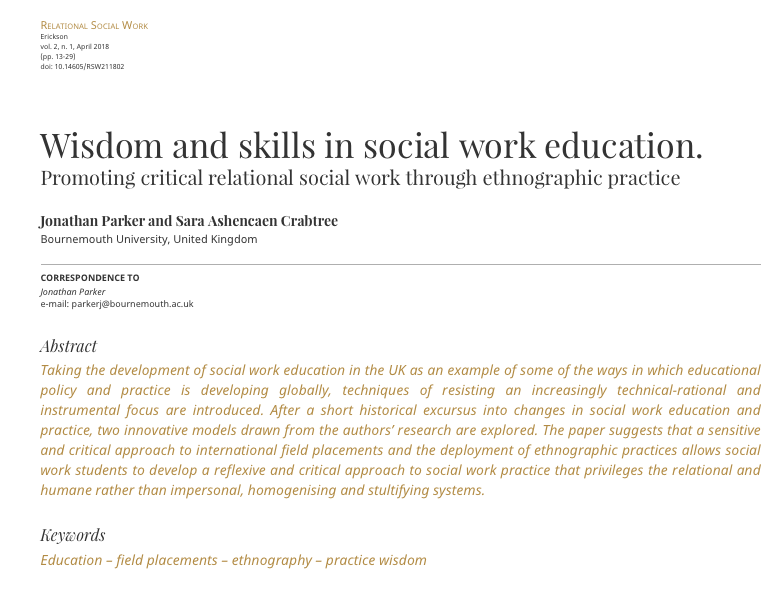
 Congratulations to current and past academics in the Faculty of Health & Social Sciences and the Faculty of Science & Technology who contributed to the newly published








 Verbal autopsy paper published two days ago
 ESRC Studentships for 2027 Entry: Opportunity Now Open
 SONAMONI contributions to Safety Conference 2026 in South Africa
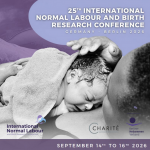 Three CMWH presentations at Berlin conference
 Horizon Europe Cluster 3 (Civil Security for Society) 2026 Calls Now Open
 MSCA Doctoral Networks 2026 Call Information Webinar
 ESRC Festival of Social Science 2026: Application Deadline Extended to Thursday 25 June 2026
 Reminder: Register for the ESRC Festival of Social Science 2026 Information Session
 ECR Funding Open Call: Research Culture & Community Grant – Apply now
 ERC Advanced Grant 2025 Webinar
 Update on UKRO services
 European research project exploring use of ‘virtual twins’ to better manage metabolic associated fatty liver disease