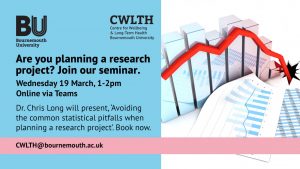
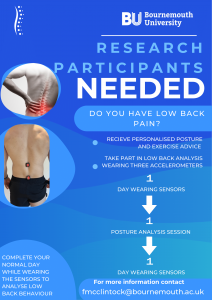
Join our faculty seminars happening this month, email the specific centre for more information.
Latest research and knowledge exchange news at Bournemouth University
New Cocreation and codestruction research just published
Drawing on value co-destruction literature, moral disengagement, social exchange and trait activation theories, this study investigates the role of dark triad traits, moral disengagement, and host incivility on peer-to-peer accommodation guests’ value co-destruction behavior. Data was collected from 428 Indian Airbnb customers and analyzed using partial least squares-structural equation modeling. Results show that among dark triad traits, only psychopathy directly influences value co-destruction behavior. However, all three dark traits lead to value co-destruction behavior through moral disengagement. Host incivility positively influences value co-destruction behavior and also moderates the relationship between psychopathy and value co-destruction behavior. The study offers a comprehensive understanding of the antecedents of guests’ value co-destruction behavior in peer-to-peer accommodation. The findings suggest that P2P accommodation managers need to instill moral accountability among guests and foster civil behaviors among hosts to prevent value co-destruction.
FoodBioSystems DTP are advertising 39 fully funded tax-free 4-year PhD studentships
Could this be the right opportunity for you?
We have projects on offer at our 7 partner universities.
We are looking for applicants who can apply their science to projects in research areas that span the entire food value chain including:
agricultural sciences, applied chemistry, artificial intelligence, biochemistry, bioinformatics, biological science, data science, environmental chemistry, food science & production, genomics, livestock farming and welfare, machine learning, marine sciences, mathematics, microbiology, nutrition, plant science and soil science.
All projects are advertised on the FoodBioSystems DTP website.
You can apply for up to TWO projects at any of our partner universities. Apply via our online application form https://foodbiosystemsdtp.grantplatform.com/ (opens 20 December).
Deadline for applications: Monday 3 February 2025 (10.00 GMT).
We offer a guaranteed interview scheme and an applicant mentoring scheme to students from eligible ethnic groups who hold UK fees status and who meet our academic eligibility criteria. Deadline for applicant mentoring scheme is 17 January 2025 (10.00 GMT).
Visit the DTP website to download applicant information, to find more information about the DTP training programme and profiles of our current research students.
A very happy New Year to all from the RKEDF team!
Book now for RKEDF training in January 2025
Click on the titles to find further details and book your place
Compelling Impact Narratives for Funding Success
Tuesday 28 January 10.00-12.00 – in person, Talbot campus
Struggling to effectively communicate the potential impact of your research in funding applications? Our training session, Impact and Funding Bids, will equip you with the practical tools and knowledge to develop effective plans of impact, articulate these in proposals and increase your success rates.
This session is intended for academics working on a proposal at the time of the session. It could be an early-stage idea, or a specific proposal for a funder. Please bring your proposal with you to the session to work on.
Future Leaders Fellowship – Meet Matt!
Tuesday 28 January 14:00 – 15:00 – in person, Talbot campus
Meet Professor Matt Ryan, Professor of Governance and Public Policy from Southampton University, who will be visiting for an ‘in person’ talk and networking session on the Talbot campus. His research crosses several disciplinary boundaries and focuses on democratic innovation, participation in politics and policymaking, as well as improving social research methods.
Epigeum Research Skills Toolkit
Do you want to refresh your researcher skills? Have a look at the Epigeum Research Skills Toolkit (on demand online modules). Further information on how to access Epigeum courses can be found here
Please help us in avoiding any waste of resources; make sure you can attend or cancel your booking prior to the session. For any further information, please contact RKEDF@bournemouth.ac.uk
The BU PIER Partnership have joined forces with Community Action Network Dorset (CAN), The HealthBus Trust and the Lantern Trust to deliver a series of webinars and workshops to build capacity in the voluntary and community sector (VCS) to actively collaborate in shaping, designing and undertaking health, social care and community research. The series is funded by NHS England as part of the Dorset Research Engagement Network funding where PIER have been co-designing with community partners methods and approaches for collaborating with marginalised groups who are currently under-served by research, by drawing on the expertise of VCS partners who are embedded in these communities.
If you would like to attend or to share with your community partners, please see here
Webinars:
https://can100.org/event/introduction-to-research-and-the-role-of-the-voluntary-sector/
In person workshops:
Weymouth:
https://can100.org/event/building-research-capacity-workshop/
Bournemouth:
https://can100.org/event/building-research-capacity-workshop-2/
If you would like to hear more about earlier phases of this project where PIER have been co-designing how people who are homeless and vulnerably housed and VCS partners want to have a voice in research, see here.
This week the international scientific journal Midwifery published Ms. Joanne Rack’s second paper from her PhD research. This latest paper ‘The Pregnant Pause: Engaging and Involving Public Contributors in Maternal Health Research‘ [1] appeared online two days ago. This paper focuses on Joanne’s PPI (Patient Public Involvement) in prepartion for her PhD research. The public contributors of PPI groups can include an extensive range of people, including patients, family members or carers, people from allied organisations, service users, and members of the general public who have an interest in research for other reasons. Participants bring their unique perspectives and experiences that can help to shape and inform the research process. This type of involvement ensures that maternal health research is grounded in the needs and preferences of those it aims to serve and grows a sense of ownership and investment among those who use the services but also those who provide them. Joanne stresses that PPI is an essential element for all maternal health endeavours.
Joanne is doing a Clinical Doctorate in the Centre for Midwifery & Women’s Health (CMWH) specialising in personalised care for women of advanced maternal age. This PhD study is matched-funded by University Hospitals Dorset (UHD) NHS Foundation Trust and Bournemouth University.
Her PhD is supervised and supported by Profs. Vanora Hundley, Ann Luce and Edwin van Teijlingen at BU and Dr. Latha Vinayakarao in Poole Maternity Hospital. The first PhD paper with Joanne as lead author was her research protocol ‘Understanding perceptions and communication of risk in advanced maternal age: a scoping review (protocol) on women’s engagement with health care services’ published int he summer of 2024 [2].
References:
Today and yesterday (January 7-8) academics involved in MIHERC (Maternal and Infant Health Equity Research Centre), the successful interdisciplinary collaboration to address challenges in maternity care, met in Bournemouth. MIHERC is led by Sheffield Hallam University, along with Bournemouth University, South Yorkshire Digital Health Hub (SYDHH) and the Health Determinant Research Collaboration, Doncaster. In addition, a range of local and national partners are recognised. MIHERC is one of the nine groups of UK universities making up the new NIHR Challenge Maternity Disparities Consortium. This NIHR Consortium aims of tackling inequalities in maternity outcomes, focusing on inequalities before, during and after pregnancy.
Our second planning meeting highlighted our collective strengths including our expertise in community engagement and PPIE (Public & Patient Involvement & Engagement); intelligent digital solutions in maternity service delivery; research into under-served communities; and capacity building of both communities and maternity staff. The first planning meeting was held late last year at Sheffield Hallam University.
MIHERC is the only midwifery-led collaboration with a strong community engagement and digital inclusive research. MIHERC will work with various NHS Trusts as well as charities such as the Active Pregnancy Foundation, Active Dorset, and Maternal Mental Health Alliance.
The UKRI Future Leaders Fellowships will grow the strong supply of talented individuals needed to ensure a vibrant environment for research and innovation in the UK. The scheme is open to researchers and innovators from across business, universities, and other organisations and from around the world.
This scheme is looking for early career researchers and innovators who are either:
UKRI are offering funding to support ambitious research or innovation programmes across UKRI’s remit. The fellowship will enable fellows to tackle ambitious research and develop their careers.
There is no minimum or maximum award value.
Your project can last for up to four years, with the option to apply to renew for a further three years.
The external deadline for this call is 18th June 2025.
BU internal competition:
For Round 10 we are running an internal process at BU to ensure we support and encourage submissions from the highest standard of candidates. For this round, BU is capped at a maximum of 3 applications.
The focus is to ensure candidates are eligible and have a high chance of success, providing them with comprehensive advice and support, to develop a high-quality programme of research and proposal for submission. Applications are welcome from internal academics (both as prospective fellows and/or mentors of prospective fellows) and external academics to be hosted by BU.
Prospective applicants should complete an Expression of Interest form and send to Research Development by COB on 11th February 2025. A panel of subject experts and Deputy Deans of Research will review each EoI and selected applicants will be notified by 28th February. All documents relating to this internal competition are available on the I Drive here: I:\RDS\Public\FLF Round 10 or please contact Eva Papadopoulou or Kate Percival.
Selected applicants will then be supported to progress with their application and receive internal and external support as required.
A briefing on this call will be held on 21st January 2025 at 11am, including an overview of the scheme and a Q&A session. For those who cannot attend on the day, please email and we can share the slides. Please email Eva Papadopoulou or Kate Percival if you would like to attend. We also have Professor Matt Ryan (previous FLF) visiting on 28th January 2025 at 2pm at the Talbot Campus.
Process for selecting applications timeline:
| Date | Action |
| 7th January 2025 | Internal Launch of Call |
| 21st January 2025 | Future Leaders Briefing and Q&A for Fellows and mentors – at the Funding Development Briefing. |
| 28th January 2025 | Professor Matt Ryan, previous FLF visiting |
| 3rd February 2025 | Call Opens |
| 11th February 2025 COB | EoI deadline |
| 24th February 2025 | EOI Panel Meeting |
| 28th February 2025 | Notify successful Internal FLF/s |
Please contact Eva Papadopoulou or Kate Percival with any queries on the above.
http://www.bournemouth.ac.uk/adrc-symposium
With a rapidly growing population of people affected by dementia and increasing global emphasis being placed on early and timely diagnosis, it is vital to explore creative ways of supporting those affected. Social media has potential to mitigate some of the challenges associated with dementia, by facilitating social connectivity and access to information. Despite these possibilities, research in this area is scarce, and social media platforms are not designed with the specific needs of people with dementia or their carers in mind. In this talk, Dr Catherine Talbot will present the findings from her British Academy funded research, which aimed to explore the attitudes of people with dementia and their carers towards engaging with social media. She will also discuss how educational and technological initiatives can empower people with dementia to use social media safely and effectively.
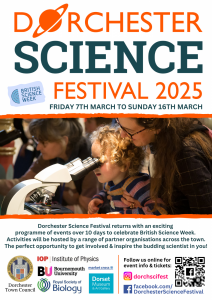
The British Science Festival will take place across the city of Liverpool from the 10 – 14 September 2025, and will be hosted in partnership by the University of Liverpool and Liverpool John Moores University.
Anyone can propose an event. Artists, researchers, community activists, critical thinkers, industry partners, charities and beyond- from across disciplinary backgrounds are invited to submit proposals events, activities or installations.
The British Science Festival celebrates science in its broadest sense. The programme showcases cutting-edge science, technology and ideas that challenge, inspire and excite audiences. Each year, thousands of people come together to celebrate the latest developments in research and to engage in open discussion about issues affecting our culture and society.
While the primary focus is on events programming, the organisers are keen on programming public installations and welcome proposals that could be hosted throughout the festival in site-specific locations like shopping centres, public buildings and town squares.
The Festival is free and open to all, but content should be tailored to an adult (16+) audience.
The target audience for the programme is:
The organisers particularly welcome creative content that challenges perceptions of what science is and can be. They anticipate that the majority of events in the 2025 programme will use a range of participatory formats and take place outside traditional lecture-theatre settings. A limited number of talks and panel discussions will be programmed.
To submit a proposal for an event please complete the proposal form.
The deadline for open call applications is 23.59 on Monday 20 January 2025.
Before developing and submitting your proposal, you are encouraged to read the FAQs
If you have any questions, or if you would like to discuss your proposal, please email festival@britishscienceassociation.org.
Alternatively, should you wish to discuss your application with BU’s Public Engagement with Research team, please contact publicengagement@bournemouth.ac.uk.
This weekend a new issue of the Journal of Asian Midwives appeared online [1]. Its latest editorial focuses in part on research ethics. The editors highlight the new World Health Organization (WHO) guidance for best practices in clinical trials [2]. The new WHO guidance was picked up at the 24th FERCAP International Conference “Maximizing Benefits through Responsible Conduct of Research” held in November 2024 in Nepal. FERCAP is the Forum for Ethical Review Committees in the Asian and Western Pacific Region.
FERCAP reminded us that research as a social activity should improve health and quality of life for both targeted and general populations. One notable message from this recent conference was the need for shorter and more comprehensible consent forms to make them user-friendly without sacrificing clarity. The other interesting development is that of so-called “decentralized clinical trials”. Decentralized or point-of-care trials can increase the diversity of clinical trial enrollment by increasing its accessibility, for example where elements of the trial are delivered at home and/or data are collected electronically by trial participants instead of researchers. These are exciting new developments in thinking about research ethics.
The Journal of Asian Midwives is Gold Open Access and hence freely available online.
Prof. Edwin van Teijlingen
Centre for Midwifery & Women’s Health
References:
The first editorial of The Lancet Public Health [1] highlights a public health issue close to our work in Bangladesh, namely the risk of drowning, especially in young children. “Anyone can drown. No one should” are the words of the Director General of the World Health Organization (WHO) in its first Global status report on drowning prevention, published two weeks ago (Dec. 2024). According to The Lancet Public Health this landmark report dissects the drowning burden globally, at the country level, and the trends since 2000, presents an overview of the key strategies to prevent drowning, and provides a benchmark for tracking prevention efforts in the future. Importantly, this report sheds light on a tragic, neglected, mostly preventable public health issue.
We are grateful to The Lancet Public Health for raising this important issue in 2025, since Bournemouth University (BU) is currently engaged in research project in this field called ‘Sonamoni’. This an interdisciplinary study is a collaboration with CIPRB (the Centre for Injury Prevention and Research, Bangladesh), the University of the West of England (in Bristol), the University of Southampton, the Royal National Lifeboat Institution (RNLI), and Design Without Borders (DWB) in Uganda. Sonamoni aims to design and develop interventions to reduce the number of young children drowning in Bangladesh.
This public health project is funded by the National Institute for Health and Care Research (NIHR) through its Research and Innovation for Global Health Transformation programme. For more information, visit the NIHR website.
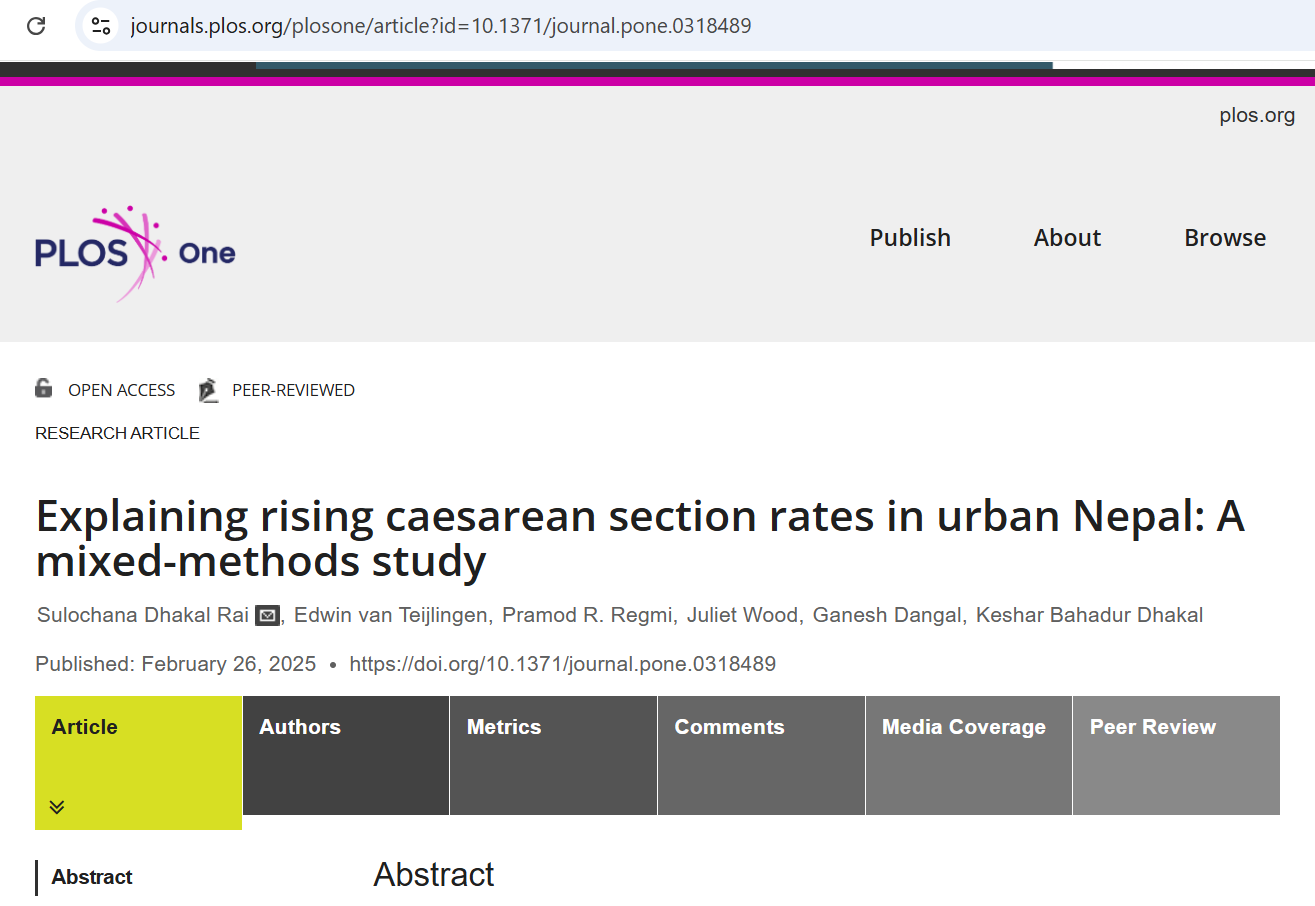
The interdisciplinary team at BU includes three faculties and six member of staff: Dr. Mavis Bengtsson, Dr. Kyungjoo Cha, Dr. Mehdi Chowdhury, Dr. Yong Hun Lim, Mr. John Powell, and Prof. Edwin van Teijlingen. We recently published the first paper ‘Drowning Prevention should be a Public Health Issue in Nepal related to this project [2].
References:
Rehabilitation research has long remained in the shadows of other health/medical disciplines, despite its immense potential to reshape patient outcomes and community health. The Rehabilitation Research Symposium Series in Qatar is a significant initiative aligned with global and national frameworks such as the WHO’s (World Health Organization) Rehabilitation 2030 and Qatar’s National Vision 2030.
Advancing Rehabilitation Research: Building Capacity for Evidence-Based Practice: Level 2 Rehabilitation Research Symposium serves as a powerful response to the growing call for a comprehensive, evidence-based approach to rehabilitation, both locally and globally. The second day of this symposium, tomorrow (January 4th 2025), includes a session by Bournemouth University’s Prof. Edwin van Teijlingen. He has been invited to help build research capacity in the field of academic writing and publishing.
Bournemouth University collaboration in Qatar centres on academics and clinicians based at Hamad Medical Corporation’s (HMC). HMC has been appointed as a WHO Collaborating Centre for Healthy Ageing and Dementia, under auspices of Ministry of Public Health in Qatar. 
The Nepal-based Dhaulagiri Journal of Sociology and Anthropology published its latest issue today, the last day of 2024, with an editorial on the hot topic of ‘The Use of Artificial Intelligence (AI) in Academic Writing and Publishing Papers’ [1].
In this editorial, the authors made it very clear that the complete text in Box 1 is generated by AI. Which is appropriate considering the focus of this editorial is on questions raised by the potential use of academic writing. The authors argue that AI should be used with consideration to avoid misuse. Any use of AI should be done transparently, ethically, and professionally, and the authors should take full responsibility for the accuracy of the information.
Prof. Edwin an Teijlingen
Centre for Midwifery & Women’s Health
Reference:
van Teijlingen, E., Subedi, M., Parker, S., Khattri, M.B. (2024) The Use of Artificial Intelligence (AI) in Academic Writing and Publishing Papers Dhaulagiri Journal of Sociology & Anthropology, 18(2): 1-4. https://www.nepjol.info/index.php/DSAJ/article/view/73358
The Festive Season is a good time to clean up and clear out the pile of paper collected throughout the proceeding year. One the many pieces of potentially useful information I archived was a three-page article from the April edition of the monthly magazine Prima [1]. Most certainly not the most academic magazine, but useful all the same, as it was a piece encouraging readers to write their own book.
The six steps or recommendations in Prima were:
I found it interesting as these six steps in this piece overlap a lot with the advice we have been giving to budding academics for years [2]. 
Prof. Edwin van Teijlingen
Centre for Midwifery & Women’s Health (CMWH)
References:
Dr. Catalin Brylla, Principal Lecturer in Film and TV (FMC) has been appointed Chair of the Visible Evidence Diversity, Equity and Inclusion Advisory Committee. The committee’s programme was launched at the 2025 Visible Evidence Conference at Monash University in Melbourne.
Visible Evidence (VE) is the largest and oldest documentary studies community, having produced a wealth of research by renowned scholars, such as Bill Nichols, Michael Renov, Brian Winston, Patricia Zimmerman and Kate Nash. It has a long history of interdisciplinary and transdisciplinary research, fostering links between the academy and the media industry, and fusing documentary research, practice and education.
The VE DEI Advisory Committee has been established by the VE Governing Council to diversify its members and expand its outreach. The committee consists of Catalin Brylla as chair, Slava Greenberg, Tory Jeffay, Patrick Kelly and Geoffrey Lokke. Brylla has drawn up a plan to reach early-career researchers, Global South scholars/practitioners and other underrepresented academic and non-academic communities. He draws on his experience as Chair of the Society for Cognitive Studies of the Moving Image DEI Committee, founding member of the Journal of Media Practice’s Diversifying and Decentralizing Research Working Group, and Deputy Director of BU’s Centre for the Study of Conflict, Emotion and Social Justice.
The committee’s programme was launched at the 30th Visible Evidence Conference at Monash University, Melbourne, in December 2025. It featured a roundtable with scholars and media practitioners Dr. Shweta Kishore, Dr. Zoe Meng Jiang, Prof. Kate Nash and Prof. Pratāp Rughani, who provided their perspective of diversity and inclusion. The conference also featured the committee’s new mentorship initiative, which pairs up early-career members—including graduate students, junior faculty members and emerging filmmakers—with mid-career and senior scholars or media professionals.

Image above: Prof. Kate Nash presents data on institutional affiliations of first authors submitting to the journal Studies in Documentary Film; there is a distinct lack of submission from Global South scholars.
Some of the committee’s action plans include:
The VE DEI Committee’s programme was launched at Monash University Melbourne, on the unceded lands of the Bunurong Boon Wurrung and Wurundjeri Woi Wurrung peoples of the Eastern Kulin Nation. We pay our deepest respect to the traditional owners of this land and acknowledge their ongoing relationship with the lands and waterways. We pay our respect to all Indigenous people, and their elders past and present.
This past week, as part of her work with McMaster University in Canada, Bournemouth University’s (BU) Centre for Midwifery & Women’s Health (CMWH) postgraduate PhD student Joanne Rack published a paper in BMJ Open. This Open Access paper explores the strengths and weaknesses of midwifery research in Canada [1]. Joanne is currently doing a Clinical Doctorate in the specialising in personalised care for women of advanced maternal age. This PhD study is matched-funded by University Hospitals Dorset NHS Foundation Trust and Bournemouth University [BU].
Her PhD is supervised and supported by Professors Vanora Hundley and Edwin van Teijlingen in CMWH, Prof. Ann Luce, deputy dean in BU’s Department of Communication & Journalism as well as Dr. Latha Vinayakarao in Poole Maternity Hospital.
The second midwifery paper ‘Importance of Expanding Midwifery-led Units and Midwifery Care in Reducing Maternal Deaths in Nepal‘, which is also Open Access, has a different international focus, this time on Nepal [2]. The paper is co-authored by Dr. Preeti Mahato and Prof. Edwin van Teijlingen. Dr. Preeti Mahato, formerly in BU’s Faculty of Health & Social Sciences, is currently based at Royal Holloway, University of London.
References: