
Help guide the university’s impact submission
The Chair of the REF Impact Subcommittee (RISC) has an important role to play in supporting preparations for the Engagement and Impact element of Bournemouth University’s (BU) REF2029 submission.
RISC reports on progress in the development of impact case studies and against impact strategies to the REF Committee, sharing intelligence from across BU and the wider HE sector, making recommendations on impact resourcing and ensuring evidence of impact is robustly recorded.
The Chair, who should be a member of the Professoriate, needs an institution-wide perspective on the development of impact case studies and the new impact narratives, and to ensure the subcommittee is effective in reviewing progress.
Key responsibilities include:
- Chairing the quarterly RISC meetings.
- Ensuring discussion is fair, open and supportive.
- Providing guidance in determining where greatest resourcing and support may be required, according to progress updates from impact champions.
- Acting as champion for raising awareness across BU of the importance of REF impact case studies in relation to QR funding for the institution as a whole.
Application process:
Research Development and Support (RDS) runs an expression of interest (EoI) call, inviting all those who are interested to put forward a short case (one page maximum) outlining why they are interested and the knowledge, skills and experience they think they could bring to the role. Applications from underrepresented groups (e.g. women, minority ethnic, declared disability) are particularly welcome. The deadline is: 5pm, Monday 29th January.
EoIs are submitted to RDS (impact@bournemouth.ac.uk) and reviewed against the selection criteria detailed below by a gender-balanced selection panel comprising:
- Chair of the REF Steering Group
- Chair of the REF Committee
- RDS representative
In the event of there being just one EoI received for a particular panel member role, the panel will still review it using the selection criteria to ensure the applicant is suitable for the role.
Further details on the role and selection criteria are here:
Chair REF Impact Subcommittee role descriptor
Process and criteria for RISC Chair recruitment
Selection criteria
The panel will give each EoI a score out of 15, based on how well they score against the criteria outlined below. These are equally weighted, with each criterion carrying a total possible score of 5. The panel will offer the role to the applicants with the highest ranked EoIs. A member of the panel will provide feedback to all applicants.
- Knowledge and experience of REF and research impact (scored out of 5): The Chair/Deputy Chair are expected to have a thorough knowledge of the REF process, preparations and timeline and the requirements relating to the impact submission for REF2029. Ideally, they will have been involved in preparations for previous REF exercises or submitted an impact case study. It is expected that they will be practising researchers and will have a breadth of understanding of research across BU.
- Experience of chairing meetings and reaching consensus to ensure sound decision-making (scored out of 5): The Chair/Deputy Chair will need to be able to chair meetings effectively and ensure prioritisation decisions are made in alignment with the requirements of the impact element of BU’s REF submission.
- Plans for leading the impact agenda across the University (scored out of 5): The Chair/Deputy Chair are responsible for motivating the impact champions of each Unit of Assessment, as well as the wider research community, to optimise BU’s performance in the Engagement and Impact element of REF2029. They should have ideas for how they will do this.
Questions
Any queries regarding the process should be directed to impact@bournemouth.ac.uk. Specific questions about the Chair role should be directed to REF Committee Chair Professor Einar Thorson.
 This ECR-focused event brings together researchers in Medical and Health Humanities at Bournemouth from across the faculties of Health & Social Science, Media & Communication and Science & Technology, inviting them to highlight and address the main challenges of working within this varied and interdisciplinary field.
 Anatomy of an Impact Case Study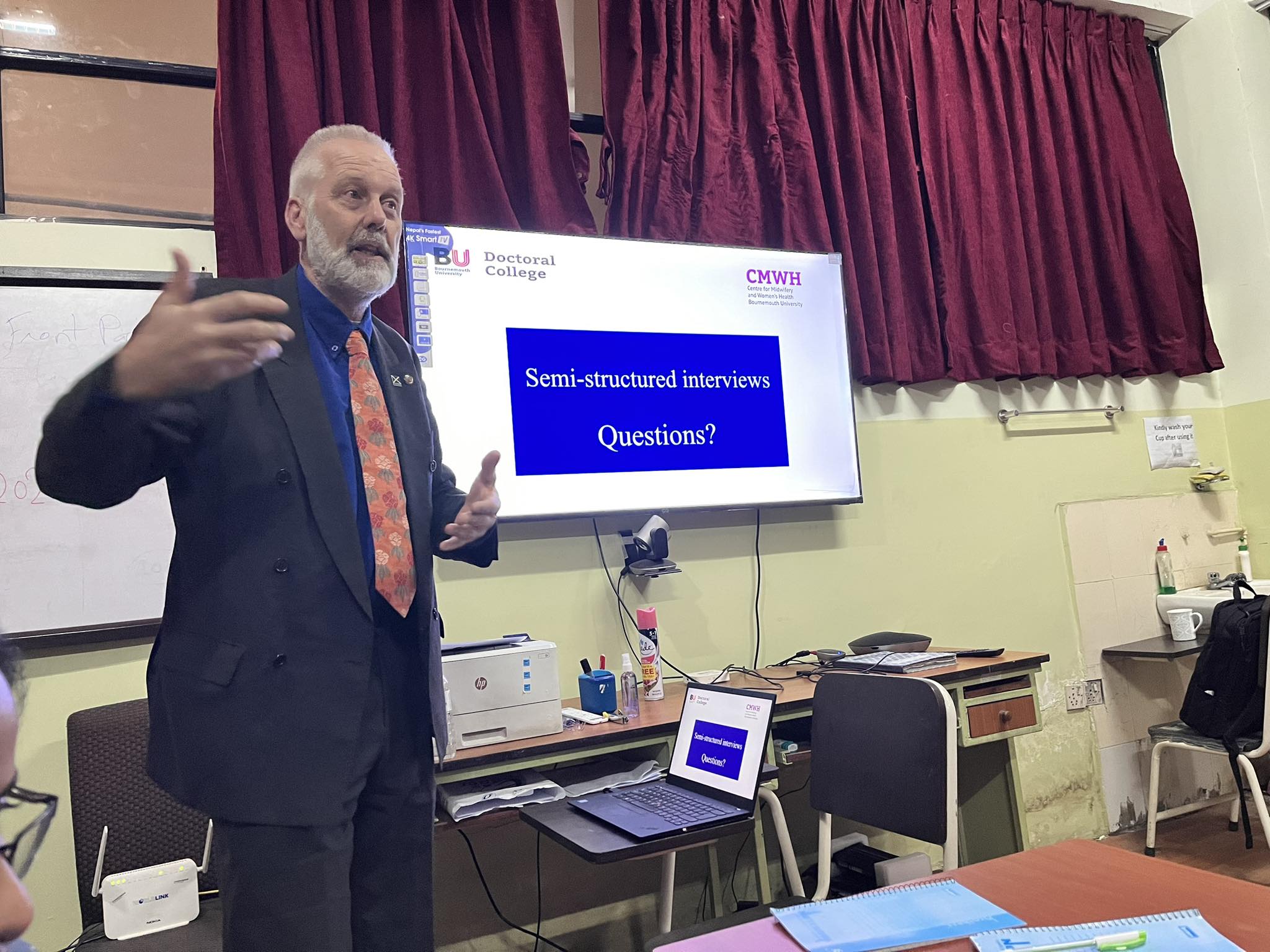
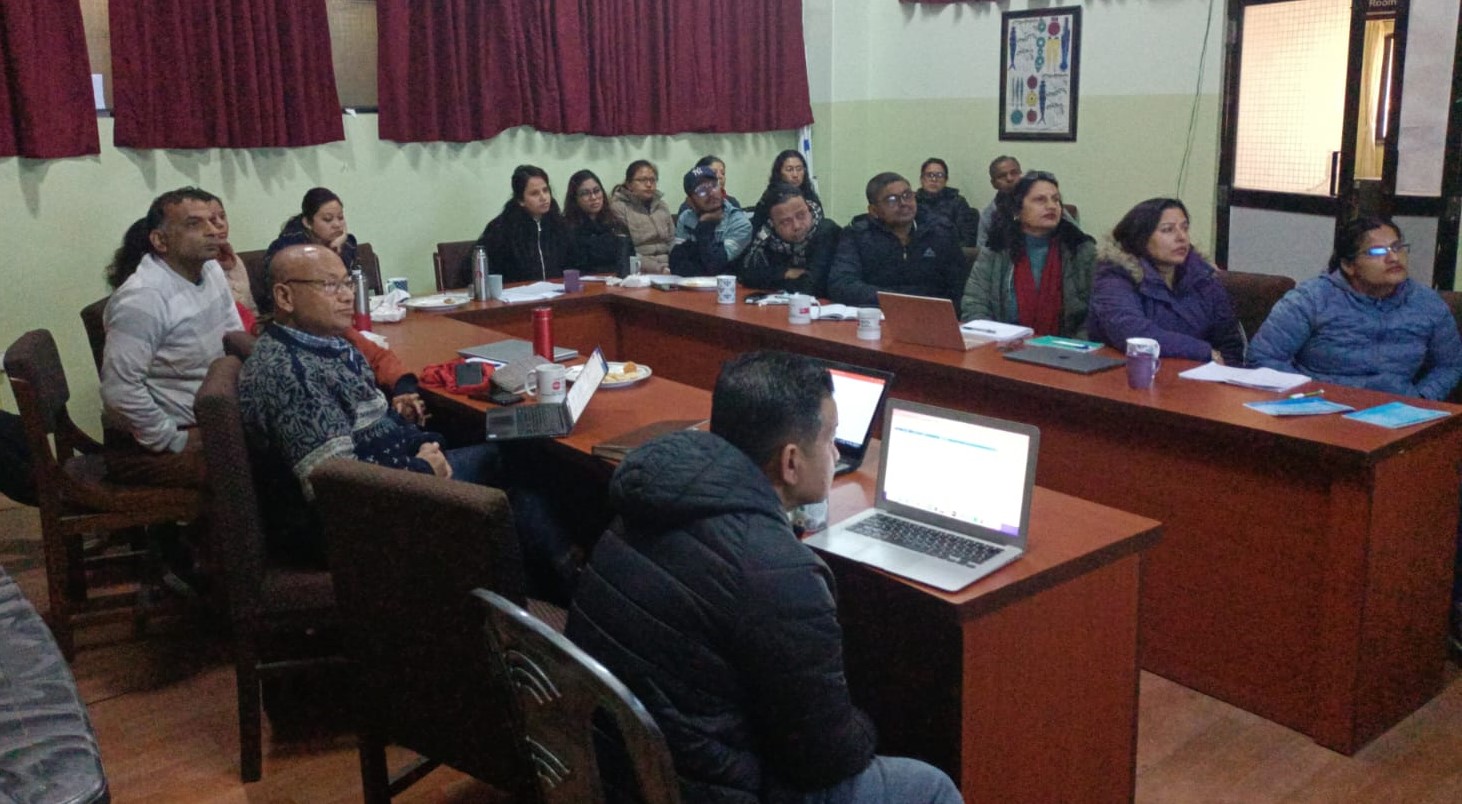

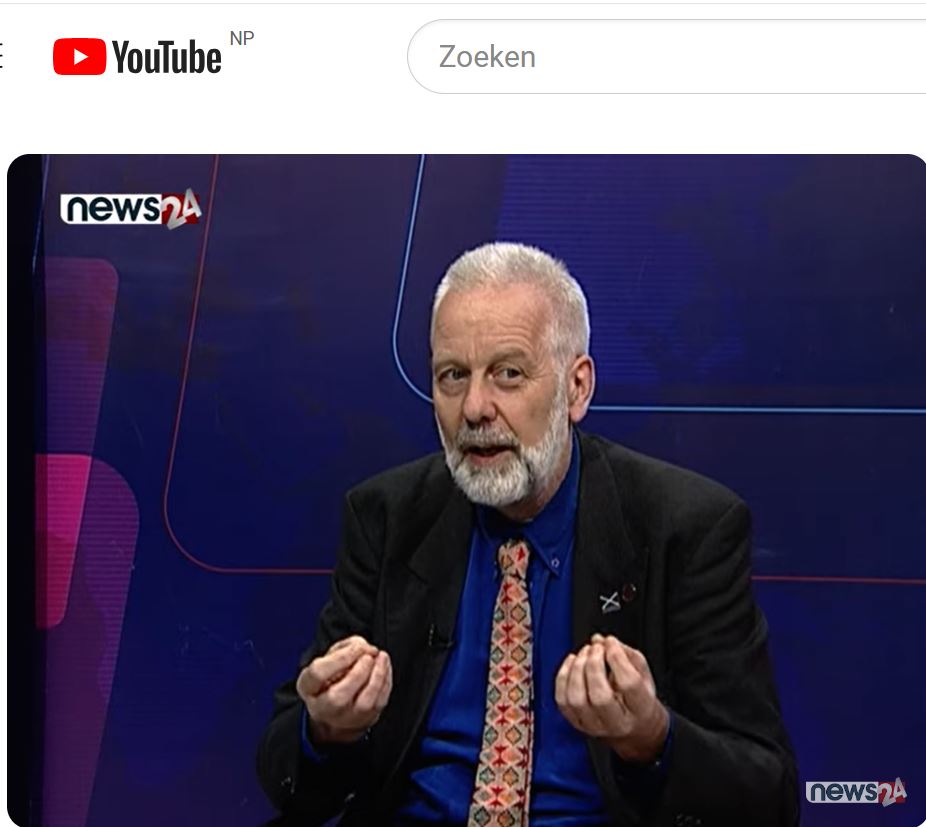








 Anyone can propose an event and the festival celebrates science in its broadest sense. The British Science Festival are looking for proposals from individuals, researchers, industry professionals, artists, writers, organisations, charities, academic institutions, and more. They aim to programme a range of formats from talks to drop-in activities and creative content that challenges perceptions of what science is and can be.











 ESRC Studentships for 2027 Entry: Opportunity Now Open
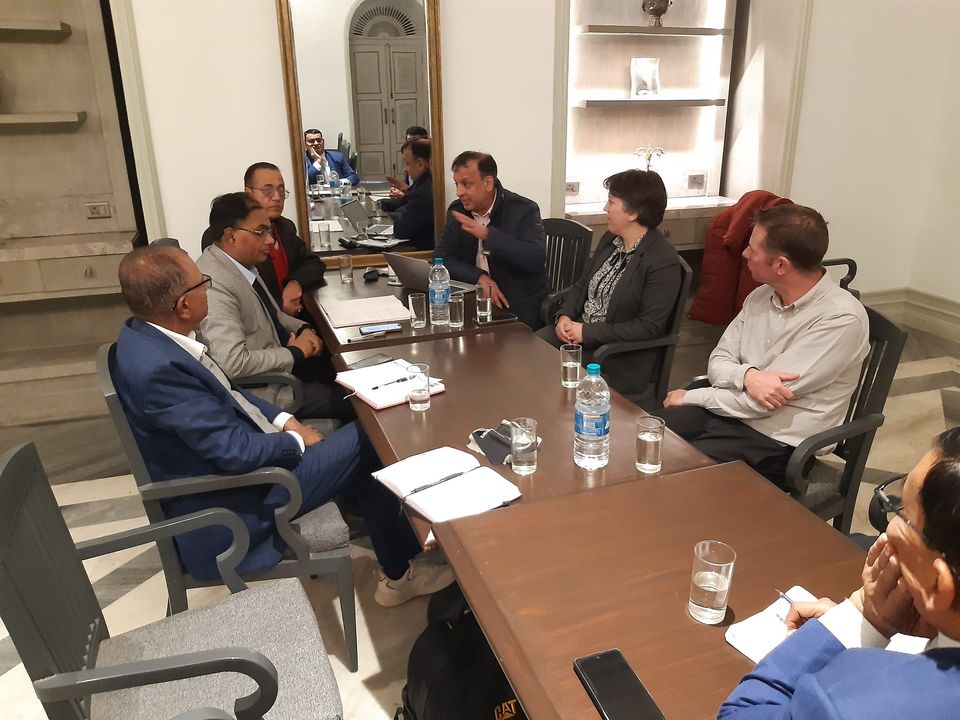
 SONAMONI contributions to Safety Conference 2026 in South Africa
 Three CMWH presentations at Berlin conference
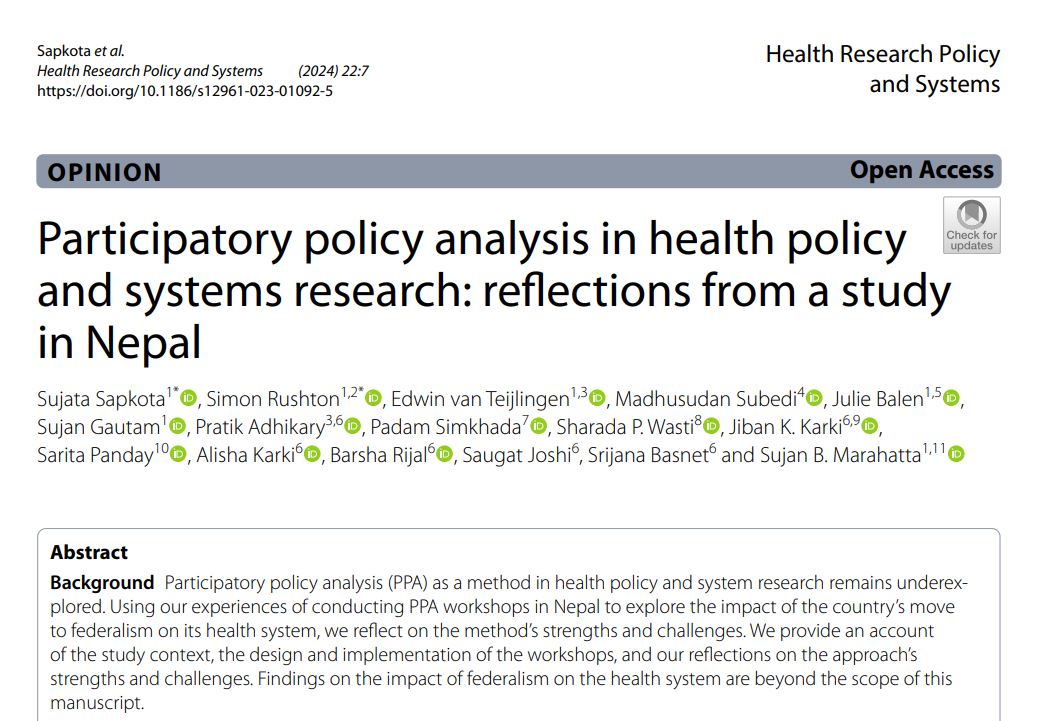
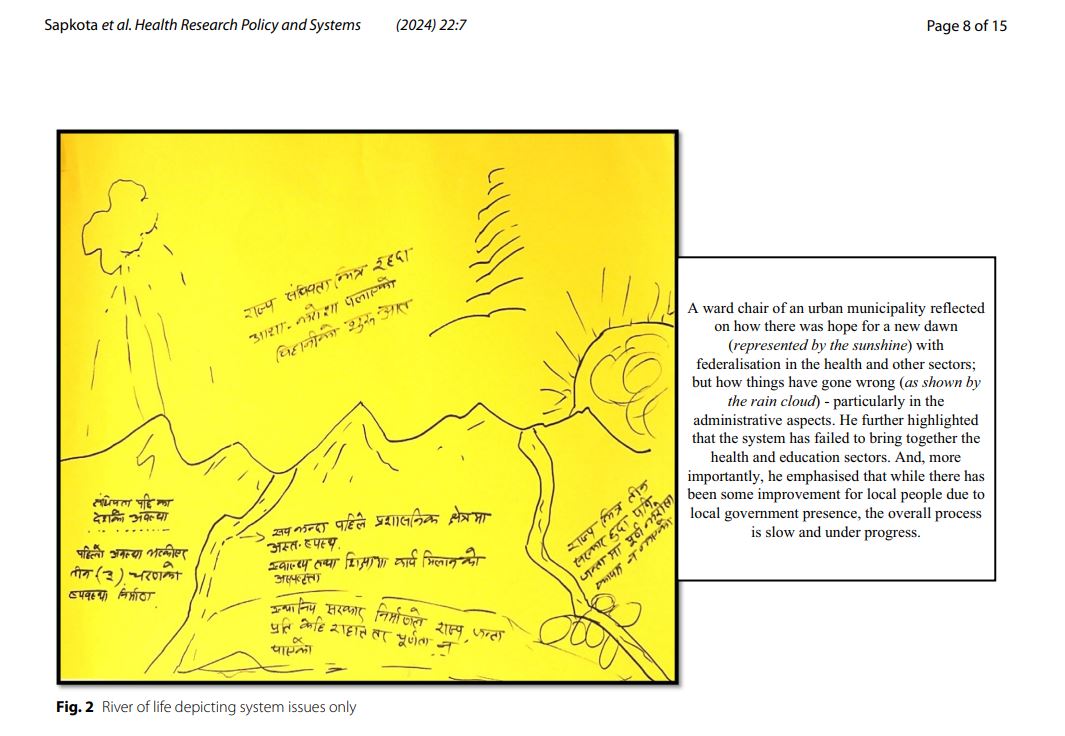
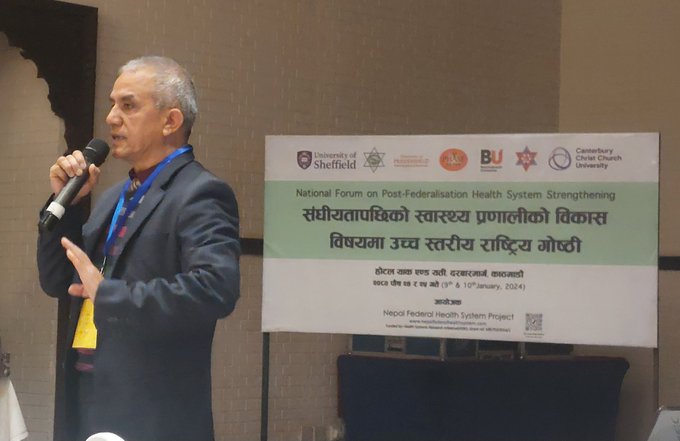
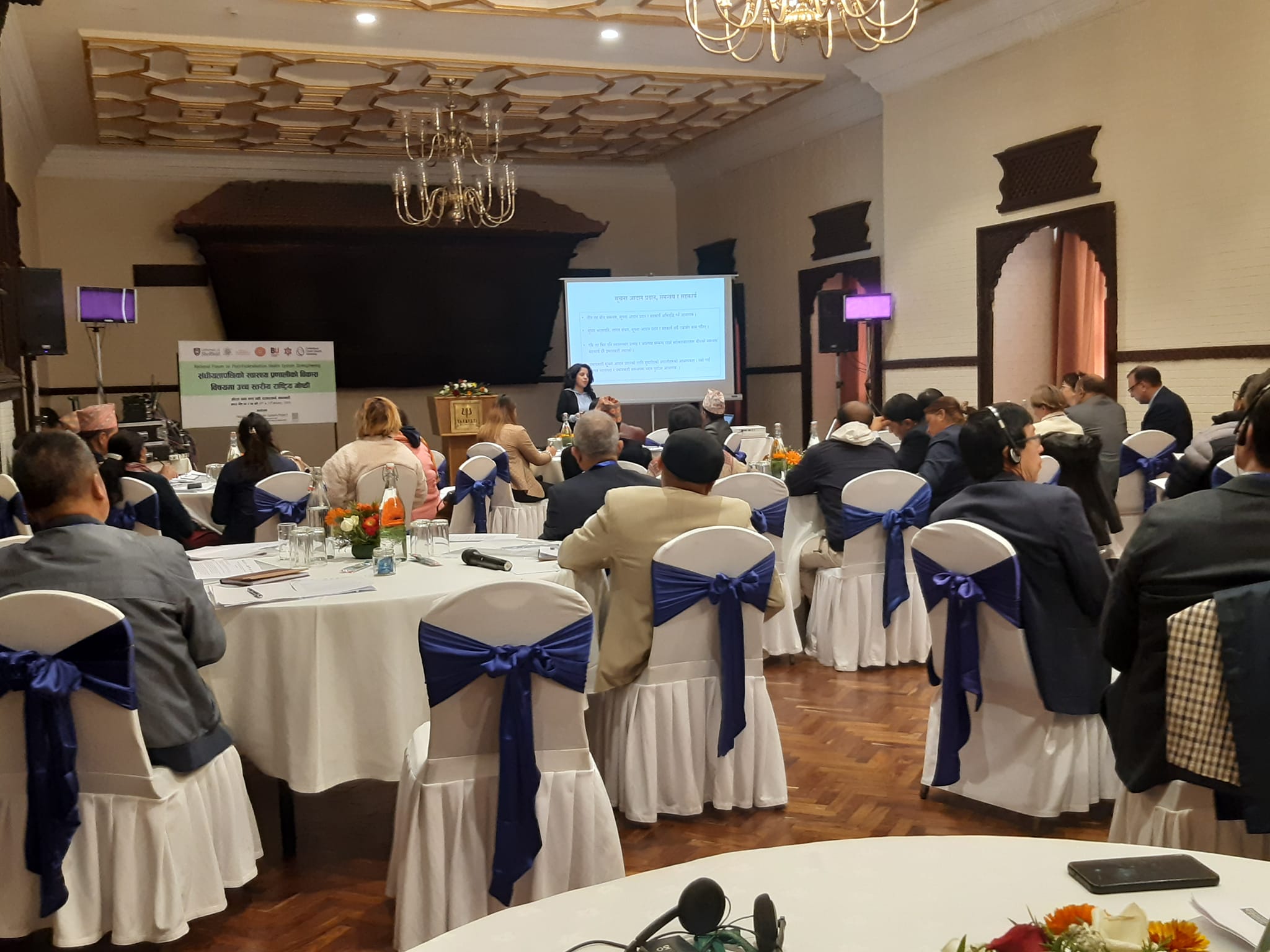
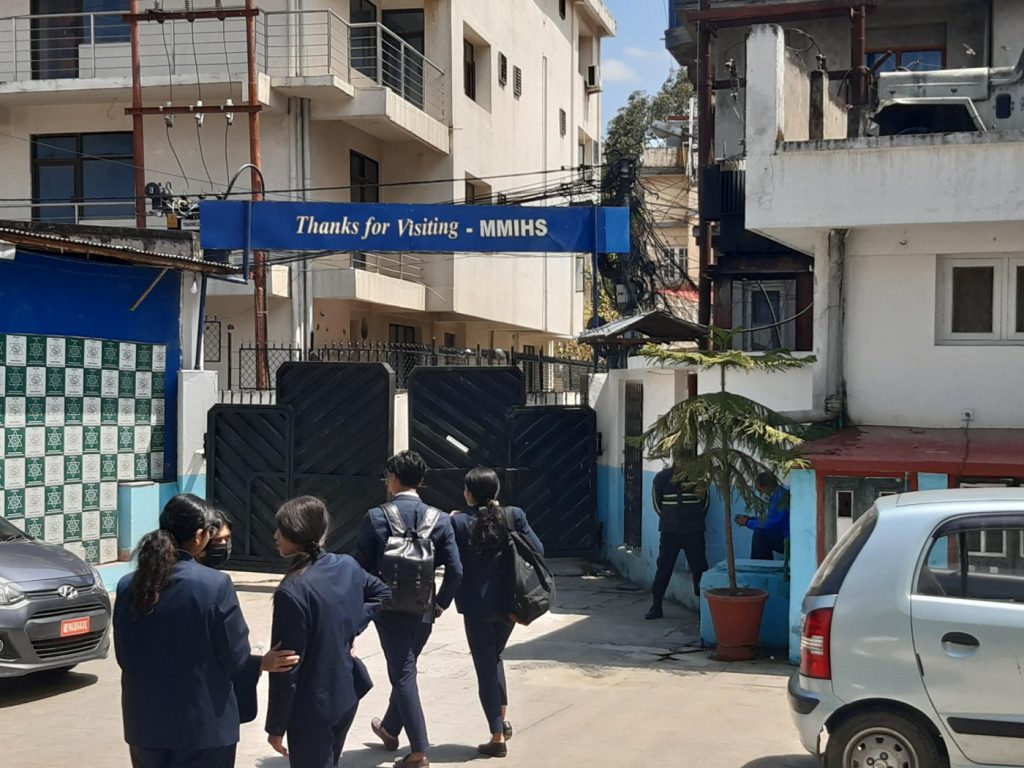
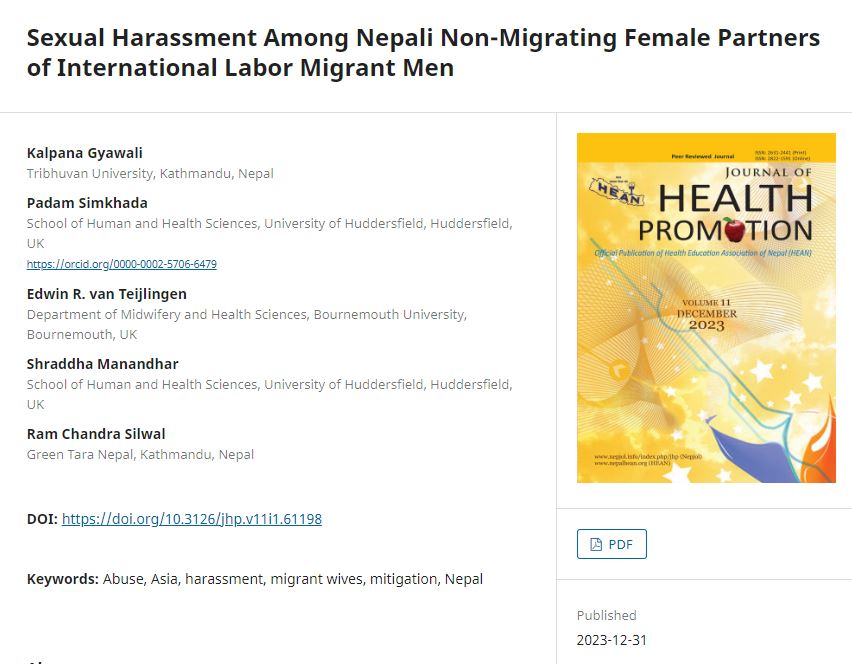
 New interdisciplinary paper on Nepal
 Horizon Europe Cluster 3 (Civil Security for Society) 2026 Calls Now Open
 MSCA Doctoral Networks 2026 Call Information Webinar
 ESRC Festival of Social Science 2026: Application Deadline Extended to Thursday 25 June 2026
 Reminder: Register for the ESRC Festival of Social Science 2026 Information Session
 ECR Funding Open Call: Research Culture & Community Grant – Apply now
 ERC Advanced Grant 2025 Webinar
 Update on UKRO services
 European research project exploring use of ‘virtual twins’ to better manage metabolic associated fatty liver disease