/ Full archive

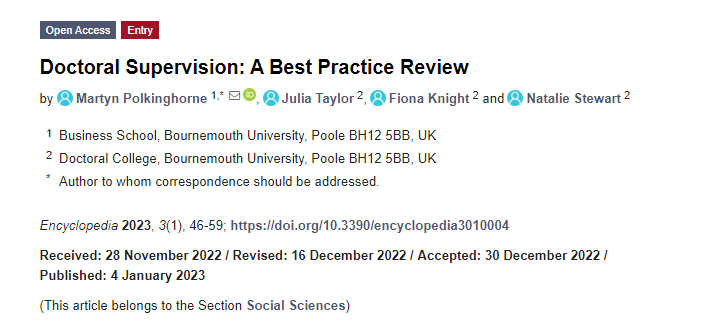
Reflections on the 14th Annual Postgraduate Research Conference


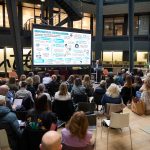
Thank you to all of our presenters, poster exhibitors, session chairs and of course delegates who supported the 14th Annual Postgraduate Research Conference. It is always a highlight on the Doctoral College events calendar and we hope you all enjoyed the day.

The conference had an amazing buzz and vibrancy about it, and it was so nice to see so many PGRs and colleagues turn up to show their support and promoting our positive PGR research culture across BU.

Here is what some of our presenters and delegates had to say about the day:

(more…)

Coaching At-Risk Young People CPD by Bournemouth University Business School

Practitioners in the education, welfare and youth sectors possess invaluable and unparalleled experience. Still, they need to reinforce this with continuing professional development (CPD) involving specialised training courses to expand their knowledge and evaluate their practices.

The importance of CPD is linked to lifelong learning, which champions continuous learning for all, regardless of age or profession and beyond compulsory levels of education. Lifelong learning boosts well-being and confidence at work. However, it could be challenging to promote among individuals with a fixed mindset towards learning who perceive their abilities as unchangeable and are typically reluctant to embrace opportunities to upskill or tasks that require extra effort.

However, one’s mindset is not always the problem. Many adults cite excessive work demands as a barrier to professional development, implying that employers have a shared responsibility to create the time for employees to undertake CPD training.

According to the annual Adult Participation in Learning Survey in the UK, adult learning has increased post-pandemic, with fewer adults choosing to learn because it is a job requirement and more adults motivated to learn to improve their knowledge and skill. Results from the survey, however, indicate sub-regional differences in adult learning participation rates, with the highest percentage in London (56% in 2022) and the lowest percentages so far in the North East (37%) and South West (35%) of England.

Bridging the regional and adult skills gap requires investment in more CPD opportunities that are accessible, high-quality, and relevant, like the Coaching At-risk Young People CPD delivered by the SPEED-You-UP team at Bournemouth University.

Participants at the SPEED-You-UP Training Programme, Fusion Building, Talbot Campus.


SPEED-You-UP is a project aimed at improving the employability and entrepreneurship skills of young people in disadvantaged coastal communities across England, France, Belgium, and the Netherlands, through entrepreneurship education for young people at risk of early school leaving and those currently not in employment, education or training (NEET). The project tackles unemployment and economic inactivity among young people by considering individual-level factors like socioeconomic backgrounds, low motivation and confidence and structural-level constraints like inadequate investments in professional development for teachers and youth sector professionals.

On 22 November 2022 at Bournemouth University, Talbot Campus, practitioners from the welfare, business, and creative sectors engaged in three workshops on the following topics: The Value of Entrepreneurship Education for (at-risk) NEET Young people, Developing a Coaching Approach for Young People, and Stakeholder Management & Collaboration. The training programme was led by Dr Carly Stewart, Associate Professor, Head of Department for People and Organisations and Principal Investigator of the SPEED-You-UP project, Dr Esther Anwuzia, and Ms Preethi Rajaprakasam.

In meeting the accessibility criteria, the training programme was free and open to experienced and aspiring professionals. The sessions were also designed to be interactive and enlightening. On the one hand, it leveraged the unique experiences of participants by encouraging group discussions and, on the other, equipped participants with evidence-based knowledge and skills to work with vulnerable young people. In attendance were representatives from SWRAC, Young Enterprise, Dorset Growth Hub, West Howe Community Enterprises, and Bournemouth University’s Business Engagement and Knowledge Exchange Department. Entrepreneurs from the creative industry were also present.

Participants discussed the challenges of working with NEET young people, the causes of early school leaving, the benefits of coaching for young people, and stakeholder collaboration.

The key takeaways from the training were:

  • For CPD to engender sustained engagement and impact, it must be relevant to the needs of practitioners.
  • CPD can foster reciprocity between universities and non-academic stakeholders, enriching research and practice.
  • Professionals in the youth sector are passionate about their work, and employers, universities, and the government should support their personal development to enhance their motivation and productivity.
  • CPD opportunities are avenues for self-assessment, potential partnerships and connections.
  • Adults can also be enthusiastic learners!

___________________________________________

Dr Esther Anwuzia, Postdoctoral Researcher, Entrepreneurship and Youth Employability, on behalf of the SPEED-You-UP team at Bournemouth University. 

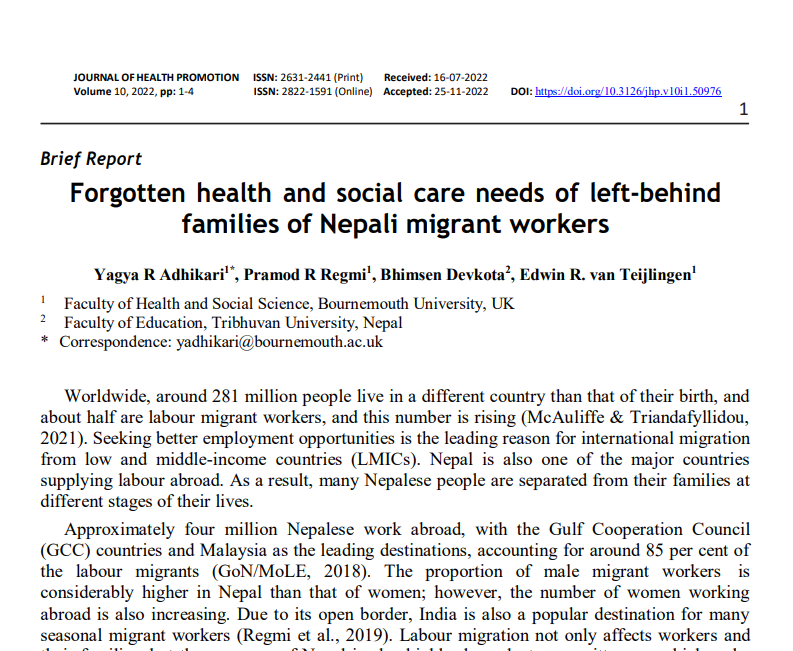
Migrant labour, the not so nice side of the FIFA World Cup

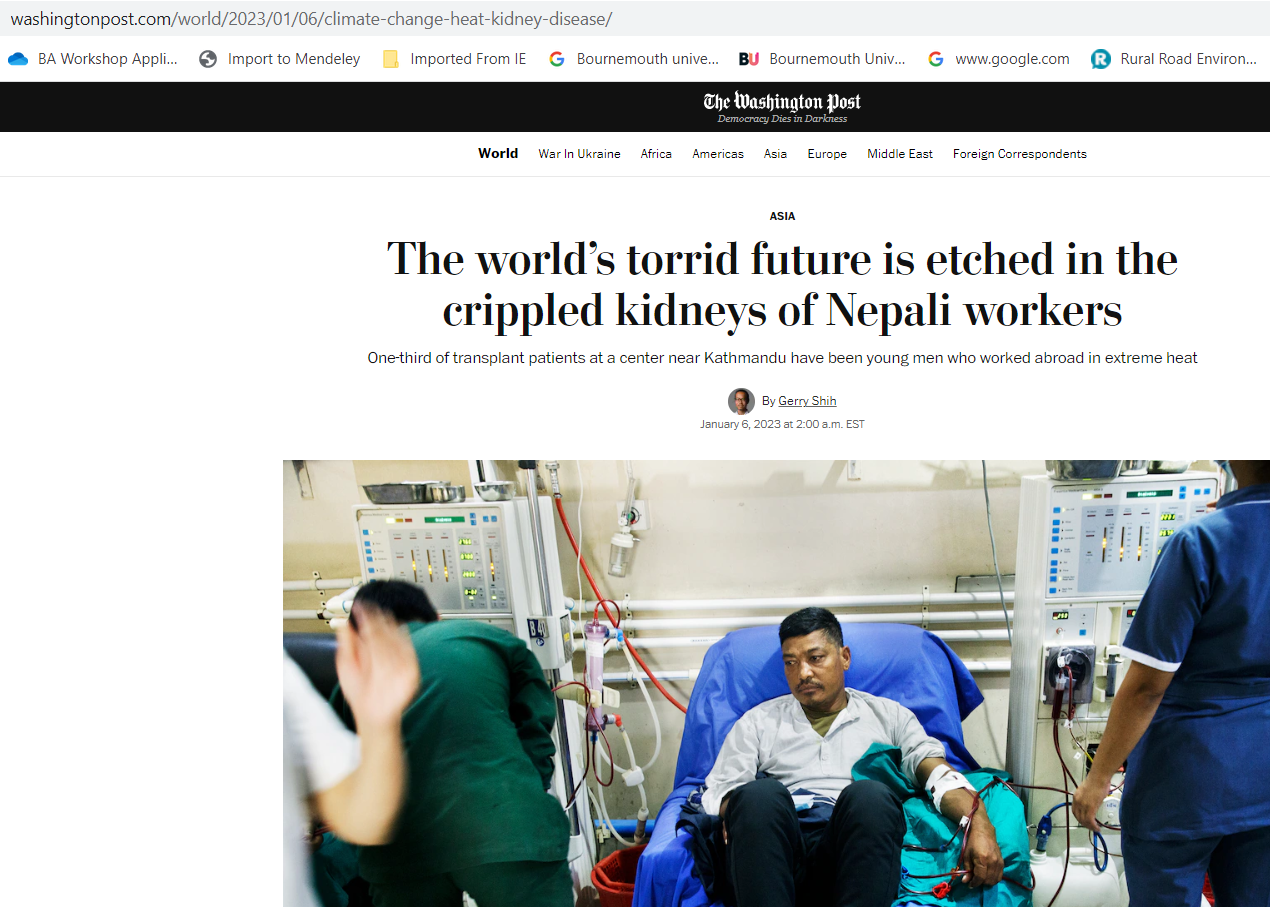
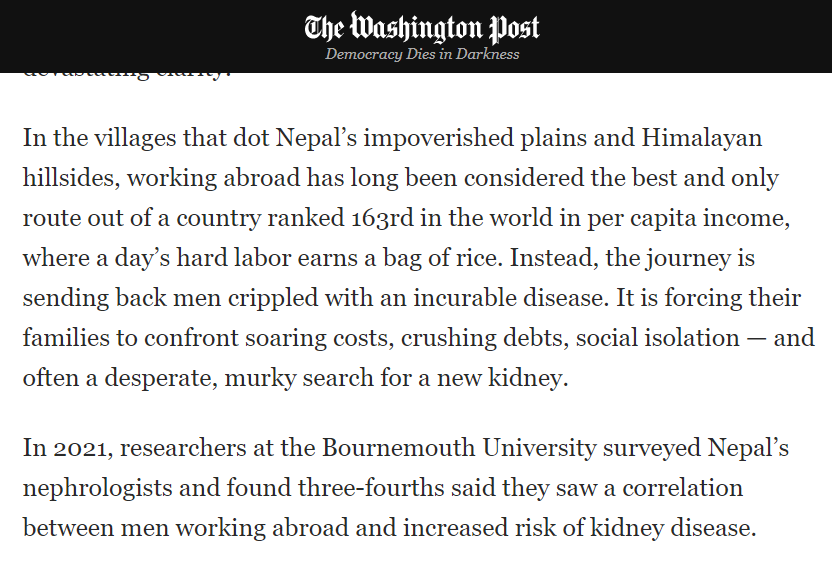
Football has been referred to as ‘the beautiful game’.  And to be fair, there has been some brilliant football at the men’s FIFA World Cup in Qatar. Qatar’s records on human rights have been widely criticised in the run up to this global event. The global media have spent a lot of time on commenting on several social and economic issues in Qatar, such as LGBT (lesbian, gay, bisexual, and transgender) rights, the role and status of women, and the exploitation of migrant workers.  Migrant workers from South Asia, including those from Nepal, have helped build the stadiums and roads leading up to it, provide the security at venues, take the suitcases of the conveyor belts at the airport, and serve fans and visitors food and drink at the venues.  Many of these migrant workers are exploited not just by employers in Qatar, but also by labour agencies in their home countries.  The risks are high, especially for those migrant workers who do the dirty, dangerous and difficult jobs (i.e. the 3Ds). 

As researchers conducting research in the area of migration and health, we are worried that when the world cup finishes next weekend the world’s media will move on from Qatar and the attention will disappear from the exploitation of migrant workers in the Middle East (and elsewhere).  We all know that the media’s focus will shift to on another global event, next week or next month.  We want to make sure that spotlight stays on this global problem.


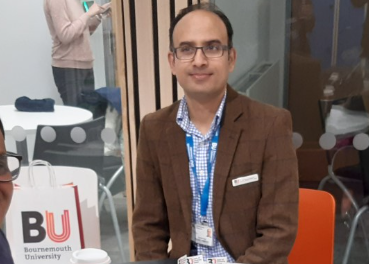
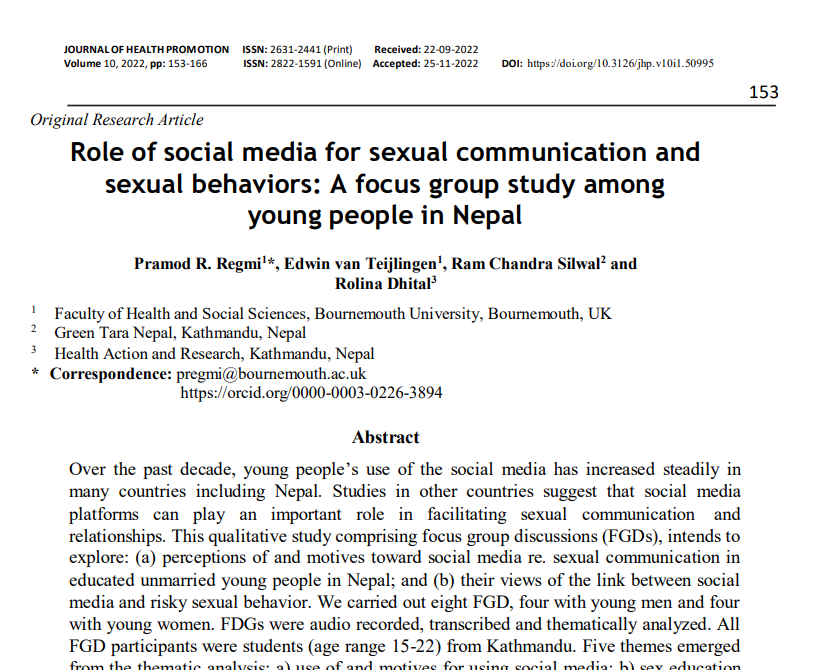
Dr. Pramod Regmi, Dr. Nirmal Aryal & Prof. Edwin van Teijlingen

Faculty of Health & Social Sciences


Ukrainian refugees and their invisible luggage of displacement – publication by Dr Alina Dolea

Dr. Alina Dolea, Associate Professor in Strategic Communication and Public Diplomacy in FMC, has published an article on emotions, trauma and public diplomacy in the academic forum on the #RussiaUkraineWar that she co-edits together with Nadia Kaneva (University of Denver) and Ilan Manor (PhD) (Ben Gurion University of the Negev) in Place Branding & Public Diplomacy

In the article, Alina argues all displaced people (refugees, migrants, or expatriates) experience a sense of loss and trauma and the Ukrainians crossing the border to take refuge across Europe carry with them this emotional luggage that shapes their identity and influences their integration in their new host places. Yet, the consequences of this invisible luggage have been rarely scrutinized in depth in public diplomacy and even in diaspora diplomacy scholarship. She draws on the psychoanalytical work of Vamik Volkan to shed some light on the psychology of Ukrainian refugees and the reactions of Romanians as host population.

Expanding from her research on Romanian diaspora (over 5 million) and the current Ukrainian refugees in Europe (over 8 million), Alina posits it is essential to understand the complex psychology, loss, emotions and trauma of displacement in diaspora diplomacy. It is necessary for theory building in order to develop analytical frameworks and research questions that link psychological processes with engagement and disengagement. In terms of practice, it can inform medium- and long-term policies of support and integration of refugees in host countries. Developing programs and encouraging grassroots initiatives aimed to increase multi-cultural awareness, communication and collaboration between newcomers and host populations is critical. Increased communication towards host publics is also needed in European countries especially because previous waves of migration and refugees have been instrumentalized in exclusionary, divisive political discourses that contribute to social anxieties, fears and phobias towards newcomers. Psychoanalytical approaches can shed light on the psychological processes that make illiberal, populist and extremist discourses effective as they instrumentalize chosen traumas and chosen glories.

This essay calls for integrating the study of emotions in public diplomacy and diaspora diplomacy research in order to (1) explore the breadth and depth of psychological processes that turn individual emotions into group emotions and (2) understand the potential of emotions to enable or disrupt engagement. Interdisciplinary research which engages with political psychology approaches that look at emotions, affect and trauma can provide new analytical insights into the inner worlds and lived experiences of the displaced, as well as into the emotions that shape representations, attitudes and behaviours of both newcomers and hosts. Such insights are much needed in designing policies aimed to support displaced groups and ease their integration and adaption in host countries. They can also contribute to more inclusive and positive public discourses about migrants and refugees.

The Academic Forum on the #RussiaUkraineWar captures a variety of epistemic reflections, creating a common space for scholars from diverse fields such as public diplomacy, strategic communications, global media studies, nation branding, international relations, post-Soviet studies, linguistics, and cultural studies. Together, we re-examined some of the concepts and practices that have shaped major debates in public diplomacy and identified new angles and approaches that can no longer be ignored in light of a world of many crises.

Funding Development Briefing 14/12/22 Spotlight on: KTPs (Business Engagement and Knowledge Exchange Managers)

What are Funding Development Briefings?

Each session will cover the latest major funding opportunities, followed by a brief Q&A session. Sessions will also include a spotlight on a particular funding opportunity of strategic importance to BU. Sessions will be on Wednesdays, from 12 pm for half-an-hour. The same link can be used each week to join here.
Next Weds 14th December 12:00-12:30, we will have presentation from the BEKEMs and they will discuss KTPs and CPD within BU.
Date Spotlight Funding Opportunity Briefing Research Facilitator Lead
14/09/2022 Innovate UK SMART Grants Innovation & Infrastructure
21/09/2022 NERC Pushing the Frontiers Life Sciences
28/09/2022 23/24 Horizon Europe Work Programmes EU & International
05/10/2022 ESRC Humanities & Social Sciences
12/10/2022 EPSRC Innovation & Infrastructure
19/10/2022 Wellcome Trust Life Sciences
26/10/2022 HALF TERM
02/11/2022 MSCA Overview of Actions EU & International
09/11/2022 No spotlight
16/11/2022 UKRI FLF All
23/11/2022 NIHR Overview Life Sciences
30/11/2022 Horizon Europe Societal Challenges EU & International
07/12/2022 Leverhulme Trust to be rescheduled for January Humanities & Social Sciences
14/12/2022 KTPs (Business Engagement and Knowledge Exchange Managers) Innovation & Infrastructure

Sessions will be recorded and made available after the session for those who cannot attend.

Horizon Europe Update – December 2022

There is some good news this time; yesterday, on 6 December 2022, the European Commission adopted and published the final versions of Horizon Europe individual Work Programmes for 2023 and 2024. Those are publicly available in the ‘Reference documents’ section of the Funding & Tenders Portal. Some of the 2023 calls for proposals have already been launched.

R&I investments planned under the 2023-24 Work Programme will contribute to the EU reaching its climate goals, increasing energy resilience, and developing core digital technologies. They will also address targeted actions to support Ukraine, boost economic resilience and contribute to a sustainable recovery from the COVID-19 pandemic.

There are some changes in the new work programme, just a couple to mention here.

Legal entities established in China will no longer be eligible to participate in Horizon Europe Innovation Actions in any capacity.

Participation of Russian and Belarusian organisations as well as those based in non-government-controlled territories of Ukraine are not eligible to participate in any capacity even when they are not subject to specific EU restrictive measures.

The Commission is already holding a series of information days on the 2023 calls for proposals included in the new Work Programme. The already confirmed information days can be found on the Commission’s dedicated website.

Association to Horizon Europe still remains the UK government’s priority, although there already are some plans in place if that is not going to happen. Just to note that UK applicants must apply for funding from the EU as beneficiaries and not as Associated Partners in order to be eligible for the UK government’s Horizon Europe funding guarantee. The change to Associated Partner status must only be made after the project has been assessed at the point of preparing the EU grant agreement.

Research Capacity Transformation Scheme: investing in the research teams of the future

Three new BU research clusters have received funding to appoint teams of postgraduate researchers (PGRs) and postdoctoral research fellows (PDRFs) for the next three years, as part of our Research Capacity Transformation Scheme (RCaTS).

Postgraduate and postdoctoral researchers are critical to a high-performing research environment, providing research capacity which enables the production of research outputs, research impact, and an increase in bidding.

Funding has been made available to appoint three clusters of PGRs and PDRFs, supported by experienced BU academic teams and external industry partners, to undertake pioneering interdisciplinary research intended to have a transformative impact on society.

This comprises a number of match-funded studentships for PGRs and three-year fellowship awards for PhD graduates and early-stage researchers.

The researchers will also receive training, development and mentorship from high-performing members of BU’s Professoriate, supporting their career progression.

The funding has been awarded through an open, competitive process to the below research clusters:

  • Resolving the extinction crisis: sustainable and technological solutions for biodiversity and society(Led by Professor Rob Britton) – Awarded funding for 4 match-funded PGRs and 4 PDRFs
  • The Centre for Applied Creative Technologies PLUS – Transforming Healthcare and its Training with Digital Technologies (Led by Professor Jian Chang) – Awarded funding for 2 match-funded PGRs and 2 PDRFs
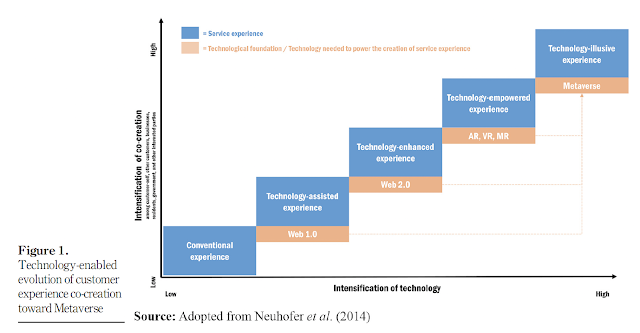
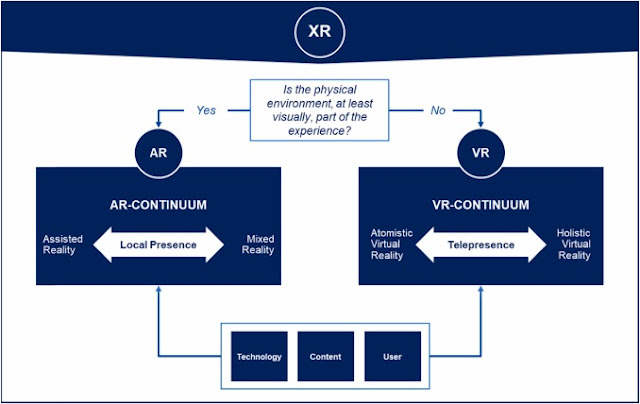
  • The Future of Hybrid Spaces: Developing Interdisciplinary Research Capacity and Building Critical Mass to Pioneer an Emerging Discipline on Human Interactions and Behaviours in Hybrid Physical-Virtual Spaces (Led by Professor Wen Tang) – Awarded funding for 2 match-funded PGRs and 2 PDRFs

 Dr Rebecca Edwards, Senior Research Development and Support Manager in RDS, said: “We’re investing in the research teams of the future through this scheme, building capacity to undertake cutting-edge research and secure external funding.

“Providing funding for clusters of researchers over the next three years, as opposed to individual appointments, means that we can develop sustainable and high-performing teams in these important areas of research.”

Fiona Knight, Head of BU’s Doctoral College, added: “For our postgraduate researchers, being part of such dynamic teams will provide an exciting opportunity to develop their research skills and launch their academic careers.”

You can find out more about the positions and apply on the jobs section of the BU website

Webinar: Develop a career in research methodology with the NIHR Pre-doctoral Fellowship – 8 December

NIHR Pre-doctoral Fellowship

Discover more about the NIHR Pre-Doctoral Fellowship and what makes a competitive application in this interactive webinar.

8 December 2022 at 1pm

The NIHR Pre-Doctoral Fellowship supports people in England starting or advancing a career in health and social care research methodology.

It offers early career researchers the training, support and funding to undertake a PhD in their chosen methodology, or to develop a methodology career in roles relevant to health and social care research.

This one hour webinar will provide the background of the scheme, outline the eligibility and application process, and share hints and tips how to develop a competitive application.

Attend the webinar to:

  • Learn about the scope of the scheme, the application process and details of the next round launching in January 2023
  • Understand the benefits of undertaking a Pre-Doctoral
  • Fellowship first hand from past award holders and what can be achieved through undertaking the award
  • Receive information about what makes a competitive application

Register for the webinar


Your local branch of the NIHR RDS (Research Design Service) is based within the BU Clinical Research Unit (BUCRU) should you need help with grant applications. We advise on all aspects of developing an application and can review application drafts as well as put them to a mock funding panel (run by RDS South West) known as Project Review Committee, which is a fantastic opportunity for researchers to obtain a critical review of a proposed grant application before this is sent to a funding body or if you’re hoping to resubmit the panel can provide some excellent tips and feedback.

Contact us as early as possible to benefit fully from the advice

Feel free to call us on 01202 961939 or send us an email.

This week’s research process seminar. Visual Politics and the Global South. 6th December at 2pm on Zoom

You are warmly welcomed to this week’s research process seminar. Hosted in FMC but open to all staff and research students

Visual Politics and the Global South – by Dr. Anastasia Veneti (BU) & Dr. Maria Rovisco

The discussion will build on those efforts by various scholars to de-westernise media and communication studies. By drawing on our forthcoming edited collection (Visual Politics in the Global South), we aim to discuss whether there is a distinctive global-south approach to the study of visual politics, as well as how the methodologies, theories and concepts mobilized by visual scholars from the Global South interact with those Northern approaches, concepts and methodologies that constitute the canon of visual politics research.  

6th December at 2pm

https://bournemouth-ac-uk.zoom.us/j/9292103478?pwd=UzJnNTNQWDdTNldXdjNWUnlTR1cxUT09

Meeting ID: 929 210 3478

Passcode: rps!4fmc

We hope to see you there

Dan and Sae

New paper FHSS Visiting Faculty

The latest issue of the journal Performing Ethos: An International Journal of Ethics in Theatre & Performance includes the paper ‘The birth of a lullaby and these COVID years’ by Jillian Ireland, who is BU Visiting Faculty.  Jillian is Visiting Faculty in the Centre for Midwifery, Maternal & Perinatal Health (CMMPH) and Professional Midwifery Advocate in Poole Maternity Hospital, University Hospitals Dorset NHS Foundation Trust (UHD). 

Her new paper describes the birth (an appropriate verb to be used by a midwife) of a lullaby. This particular lullaby grew from a community-based maternity care intervention.  This project was funded by the Burdett Fund for Nurses, supported by the Foundation of Nursing Studies, and co-created by local women and staff  from maternity, health visiting and the Children’s Centre in the community.  The beautiful illustrations in this paper are by two local artists: Alan Mercel-Sanca and Allison Churchill.

Reference:

Ireland, J. (2022) The birth of a lullaby and these COVID years, Performing Ethos: An International Journal of Ethics in Theatre & Performance, 12: 39–52,  https://doi.org/10.1386/peet_00045_1

Supervisor Lunchbite | Clinical Research Governance and the role of the PGR supervisor

Hosted by the Doctoral College, these one hour online lunch bite sessions supplement the regular New and Established Supervisory Development Sessions and are aimed at all academic staff who are new to, or experienced at, supervising research degree students and are interested in expanding their knowledge of a specific aspect or process in research degree supervision.

Each session will be led by a senior academic who will introduce the topic, and staff will benefit from discussions aimed at sharing best practice from across BU. Bookings are arranged by Organisational Development.

This session is focused on expanding individuals’ knowledge on the research governance processes and supervisory responsibilities for supporting their PGRs. This discussion will be led by Suzy Wignall, RDS.

Staff attending this session will: 

  • have gained additional knowledge of the research governance approval process
  • have gained an understanding of the role of the Supervisor in supporting PGRs

Further details on the session as well as information on future lunchbite sessions can also be found on the staff intranet.

Date: Wednesday 7 December 2022

Time: 12:00 – 13:00

To book a place on this session please complete the booking form.

Further details and future sessions can also be found on the Supervisory Development Lunchbite Sessions staff intranet page.

Visiting NEOMA Business School

I was delighted to present the findings of a consultancy project aiming to enhance research governance at the university of Manouba to Professor Mourad Touzani and his team at NEOMA, a leading Business School in Europe. I received excellent feedback that helped me to improve the project and adapt the presentation of the project outcomes to the audience. I have been working on this project with Professor Marcjanna Augustin and Dr Sean Beer. I have also discussed future collaboration with Professor Mourad Touzani.