Within the new Fusion Funding prospect here at Bournemouth University, I have just had success for a project examining teaching practice and the use of media in the classroom. The specific focus relates bullying, and name calling in school, and how media may be used to educate young learners. I am very excited about this project, as it extends my foundational research in media representation and sexual diversity, allowing me to consider how teachers might relate issues of minority social identity. Its very early days, as the project does not officially start until the 1st of October, and to be honest I have never done a blog before, and I (deliberately) have no presence on Facebook, Twitter etc, so the purpose of the blog is to reflect back on my progress for myself, as much as anything else, and if anyone reading this finds some interest, that’s great!
With this in mind, I thought I might share the background for the project. A few years back in the late 198os, a secondary school teacher friend of mine often told me of instances when he used to play educational dramas about gay and lesbian youth identity issues. I remember one time, he told me that he had played the television drama ‘The Two of Us’ (Roger Tongue, 1988), which features a ‘kind of’ teen romance. This was quite daring, as at the time there was the backdrop of Clause 28, and the prohibition of educating school audiences about gay and lesbian identity. Wind forward, many years later, and referencing an entirely different country, the work of Debra Chasnoff and her production company Groundspark, offered great insight. Educational documentaries such as ‘Thats a Family’ (2000), and ‘Straighlaced’ (2009) produced by Groundspark offered insight into the diversity of families (adopted, single parent, same sex parents, diverse ethnicity etc) and the problem of stereotyping gender norms for teens. Also Groundspark produced ‘Lets Get Real’ talking about issues of name calling in school. At Bournemouth I had discussed the merits of these documentaries to students in the year 2 Media and Diversity option that I held. I was inspired how students engaged with the subject area, and how they related these issues to their own productions.
More recently, specifically September 2010, I was invited to speak at the Westminster Media Forum. The conference subject area was LGBT (lesbian, gay, bisexual and transgender) representation in mainstream media. I was thrilled to present a very brief paper to quite a diverse audience, including media professionals, broadcasters, and government representatives. My paper had been related to a need for more diverse representations. The day after the conference, I read in the Guardian about the suicide of Tyler Clementi, a first year student at Rutgers university in the US. He had killed himself, as his roommate had secretly filmed Tytler with a same sex partner. The alleged shame appeared too much to bear for Tyler. This high profile case made me investigate this further online. I then discovered the ‘It Gets better Project’, a web site that was produced to offer support for youth contemplating suicide, due to oppression for sexual diversity. What I did not know was that in the month of September 2010, a number of other gay male youth committed suicide also, stimulating video contribution to the ‘It Gets better Project’. I have done some papers on this area, considering the use of the site, but increasingly I am interested in how name calling is a real issue for young learners, and how words such as ‘gay’, ‘dyke’, ‘queer’ and ‘faggot’, are often unchallenged within diverse social environments.
So this is the very basic background to my research project. Some great research has already taken place looking at LGBT identity issues in school, such as the No Outsiders Project (funded by the ESRC) a few years back relative to primary schools, but I am looking to extend these ideas, looking at how media is used in the secondary school classroom.
As a precursor to this project, I recently presented a paper at the Screen Conference in Glasgow, considering how children may read representations. I was particularly interested in how young learners may read irony, which enables youth to make complex judgments about ‘earnest’ or ‘hyper-real’ representations.
So this is my starting point. I’ll add to this blog, as it all progresses. Thanks again, supporters of this bid.
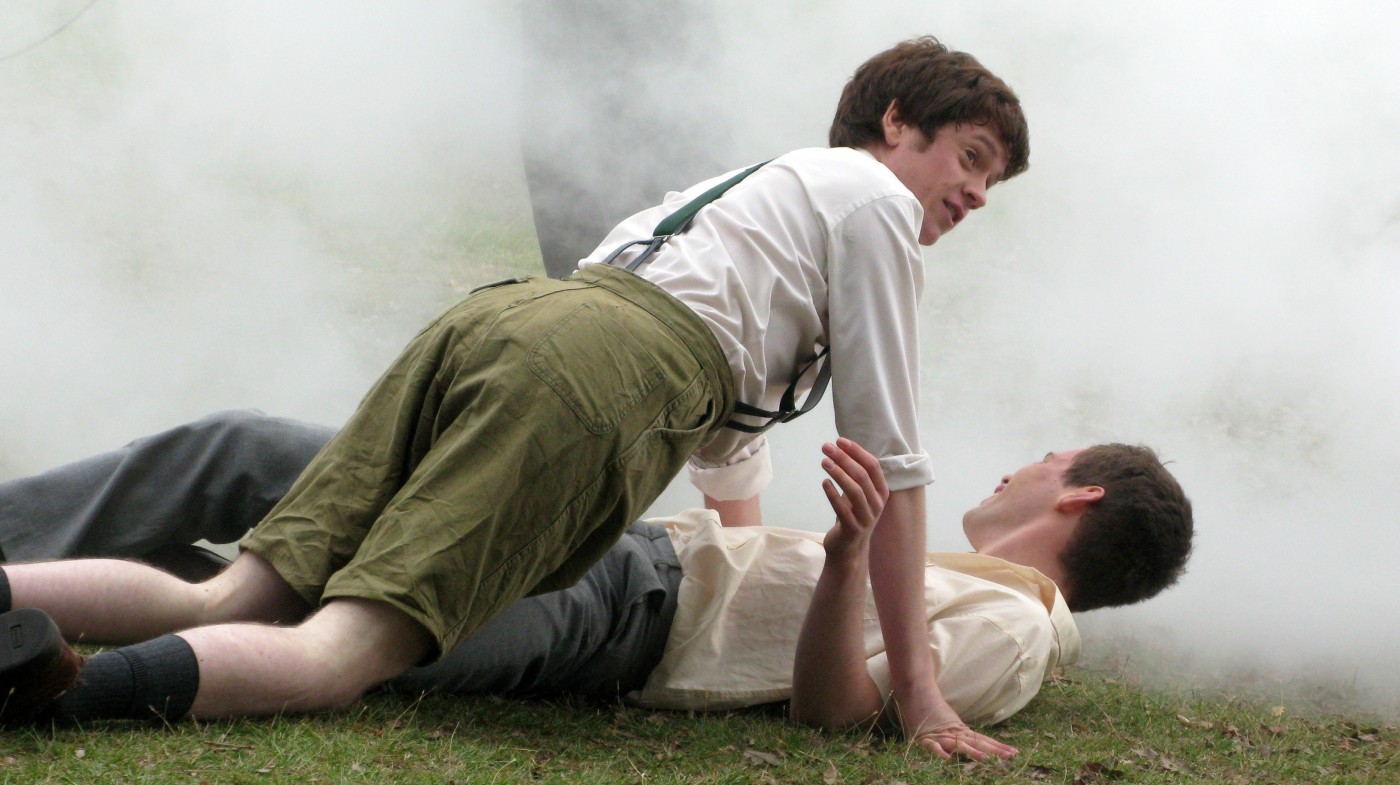 Rufus Stone has just scooped two awards at the prestigious Rhode Island International Film Festival in the USA, the only short to win in two categories at the festival: the Grand prize in the Alternative Spirit category and the Youth Jury Award for best GLBT film at the festival.




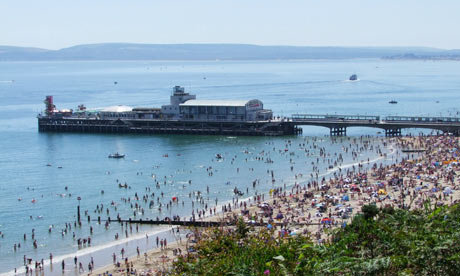
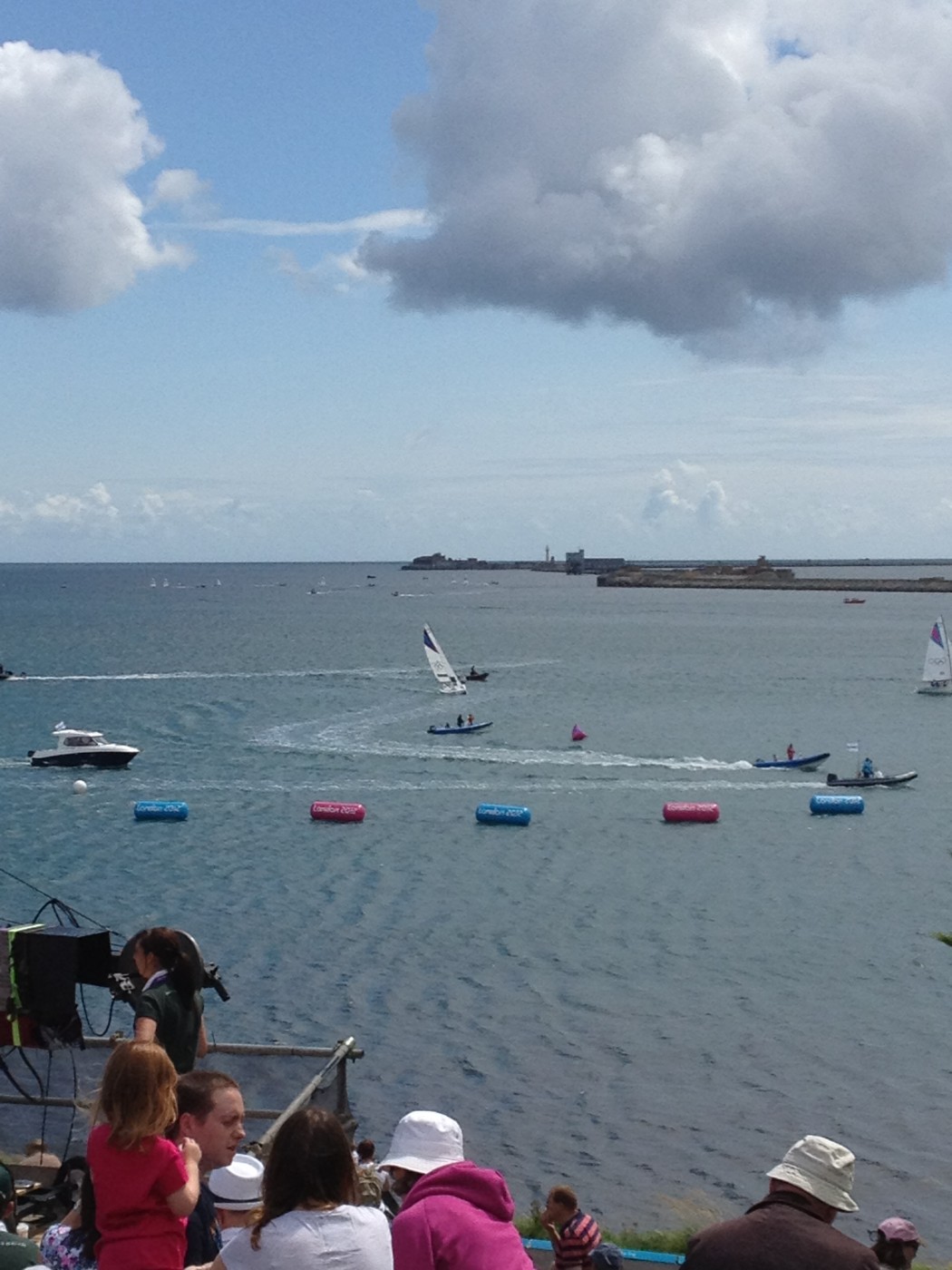
 In the golden afterglow of the London 2012 Games, this one-day event will investigate the potential for the London Olympics to generate national and regional tourism benefits long after the hosting of the Games.
 Following the release of the latest











 International Open Access Week: BU support for open access
 Food Price Research Shortlisted for Civil Service Prize
 3C Event: Research Culture, Community & Connections – Wednesday 11 November 3-4pm
 ECR Opportunities: New Development Programme, Researcher Grants & Upcoming Events
 Help us capture BU’s knowledge exchange activity HE-BCI survey 2025–26
 Horizon Europe Cluster 3 (Civil Security for Society) 2026 Calls Now Open
 MSCA Doctoral Networks 2026 Call Information Webinar
 ESRC Festival of Social Science 2026: Application Deadline Extended to Thursday 25 June 2026
 Reminder: Register for the ESRC Festival of Social Science 2026 Information Session
 ECR Funding Open Call: Research Culture & Community Grant – Apply now
 ERC Advanced Grant 2025 Webinar
 Update on UKRO services
 European research project exploring use of ‘virtual twins’ to better manage metabolic associated fatty liver disease