
We have some great events coming up in the next few weeks to help support you in your research activities.
February
| Tuesday 18th February | RKEDF: Preparing Practice-Based Research Outputs for Assessment |
| Wednesday 19th February | RKEDF: Advanced Literature Search Techniques |
| Thursday 20th February | RKEDF: Environment Narrative Writing Day |
| Monday 24th February | Global Visiting Fellowship Fund – Best Practice Workshop |
| Tuesday 25th February | RKEDF: Research Ethics @ BU |
| Wednesday 26th February | RKEDF: Measuring the Impact of Your Research with Advanced Citation Tools |
| Thursday 27th February | BRIAN training – nominating your outputs for the REF mock exercise |
| Thursday 27th February | RKEDF: SciVal |
March
| Friday 6th March | RKEDF: Research Outputs – Writing Day |
| Monday 9th March | RKEDF: Global Visiting Fellowship – Drop in sessions |
| Wednesday 11th March | RKEDF: Getting started in public engagement with research |
| Monday 16th March | RKEDF: Global Visiting Fellowship – Drop in sessions |
| Thursday 19th March | RKEDF: Environment Narrative Writing Day |
| Tuesday 24th March | NIHR Grant Applications Seminar & Support Event |
| Wednesday 25th March | RDS Academic and Researcher Induction Event |
| Monday 30th March | RKEDF: Building Evidence for REF Impact Case Studies |
You can see all the Organisational Development and Research Knowledge Development Framework (RKEDF) events in one place on the handy calendar of events.
Please note that all events are now targeted, so look closely at the event page to ensure that the event is suitable for you. In addition, most RKEDF events now require the approval of your Head of Department (or other nominated approver). Please follow the instructions given on the event page and the template email for you to initiate the booking request.
If you have any queries, please get in touch!
 Dr. Ann Luce, Principal Academic in Journalism and Communication in FMC has been elected to the Council of National Representatives for the International Association of Suicide Prevention (IASP).







 If you have any questions please do







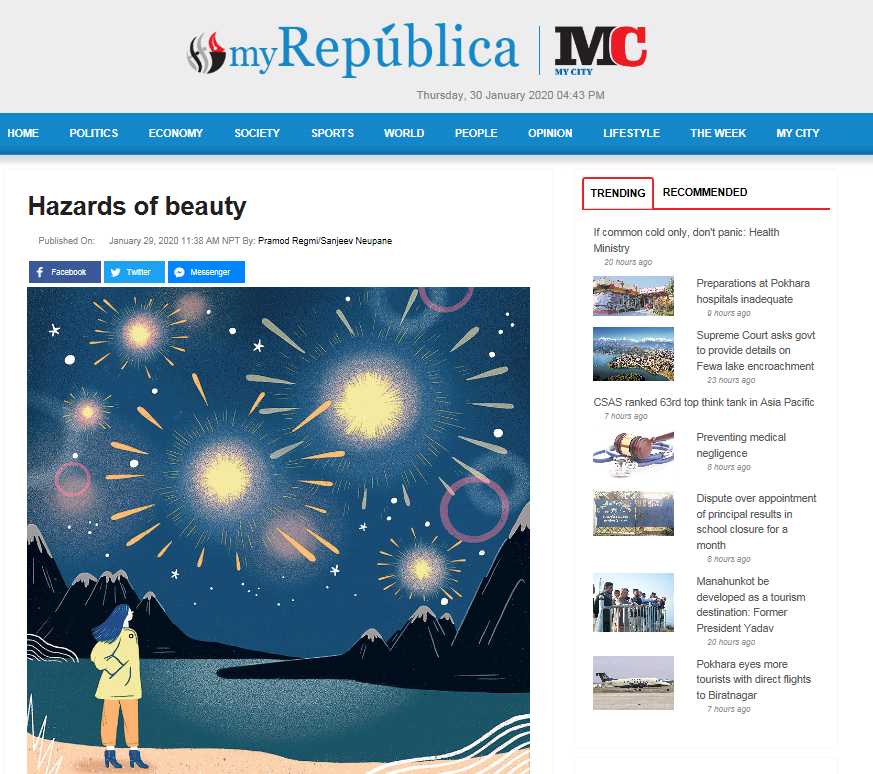
 New academic paper on Nepal
 3C Event: Research Culture, Community & Cherry Blossom
 Boost Your Research Profile: Training Sessions with The Conversation
 ESRC Festival of Social Science 2026: An Opportunity to Engage New Audiences
 New HIV paper by BU PhD student
 BU Annual Research Conference: Poster Exhibition Call for Applications
 ECR Funding Open Call: Research Culture & Community Grant – Apply now
 ECR Funding Open Call: Research Culture & Community Grant – Application Deadline Friday 12 December
 MSCA Postdoctoral Fellowships 2025 Call
 ERC Advanced Grant 2025 Webinar
 Update on UKRO services
 European research project exploring use of ‘virtual twins’ to better manage metabolic associated fatty liver disease